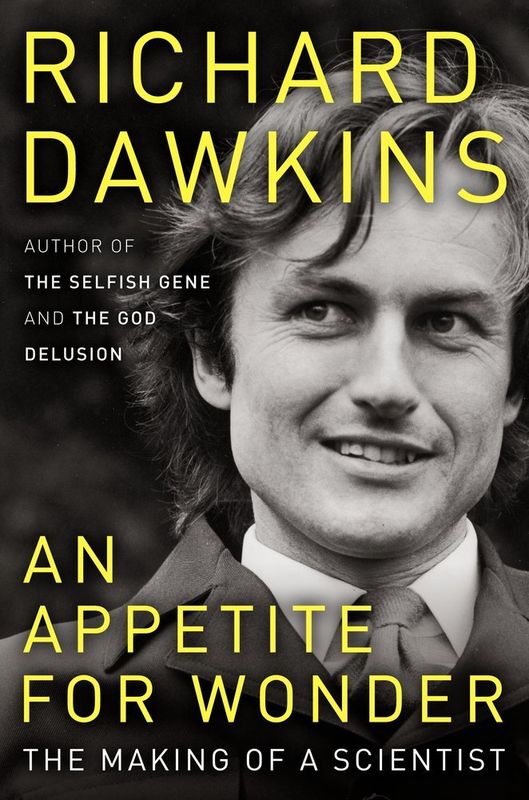

In 'An Appetite for Wonder', Richard Dawkins takes readers on a captivating exploration of his life and the origins of his scientific passions. This memoir blends personal anecdotes with profound insights into evolutionary biology, highlighting the awe and wonder of the natural world. Dawkins shares his reflections on pivotal experiences that shaped his thinking and his fight against superstition and dogma. With eloquence and clarity, he invites readers to embrace curiosity and skepticism as essential tools for understanding our universe. This is not just a biography; it’s a call to marvel at the complexity of life and our place within it.
By Richard Dawkins
Published: 2013
"The whole of science is nothing more than a refinement of everyday thinking."
The evolutionary biologist and atheist, whose work has transformed thought on genes, evolution, and religion, offers insight into his own evolution as a man and as a thinker, from his beginnings in Kenya to his intellectual awakening at Oxford.
Showing 8 of 28 similar books
Michael Pollan is a renowned American author and journalist, celebrated for his insightful explorations of food, agriculture, and human culture. His groundbreaking book, "The Omnivore's Dilemma," published in 2006, critically examines the complexities of the modern food industry and has become a seminal work in food studies. Pollan's engaging narrative style and thorough research have earned him a place on The New York Times Best Seller list multiple times. In addition to his literary contributions, he is also a professor of journalism at the University of California, Berkeley. Pollan's work continues to influence public discourse on sustainable eating and the ethical implications of food choices.
Neil deGrasse Tyson is a renowned astrophysicist, author, and science communicator, best known for his work in popularizing science through various media. As the director of the Hayden Planetarium in New York City, he has played a pivotal role in bringing astronomical discoveries to the public. Tyson has authored several bestselling books, including "Astrophysics for People in a Hurry" and "The Pluto Files," which have made complex scientific concepts accessible to a broad audience. He is also the host of the popular science TV show "Cosmos: A Spacetime Odyssey," a continuation of Carl Sagan's groundbreaking series. Tyson's contributions have significantly enhanced public understanding and appreciation of the universe.
Chris Dixon is a notable venture capitalist and technology entrepreneur, best known for his influential role as a general partner at Andreessen Horowitz, where he leads investments in cryptocurrency and blockchain technology. Before joining the firm, Dixon co-founded two startups: SiteAdvisor, a web security company acquired by McAfee, and Hunch, a recommendation engine acquired by eBay. In addition to his investment career, Dixon is a prolific writer and thought leader on technology and innovation, contributing insightful essays and articles to various platforms such as his personal blog and Medium. His writings often explore the future of technology, the internet, and the impact of blockchain, making significant contributions to contemporary tech literature. Dixon's work has earned him recognition as a visionary in both the tech and literary worlds.
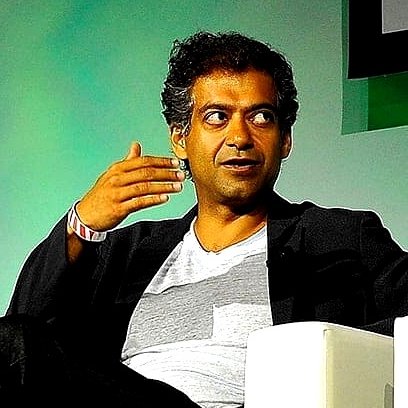
Naval Ravikant is an entrepreneur, angel investor, and philosopher, best known as the co-founder of AngelList, a platform that connects startups with investors. Ravikant is a prolific thinker and writer on topics such as startups, investing, and personal well-being, sharing his wisdom through essays, podcasts, and social media. He has invested in over 100 companies, including Uber, Twitter, and Yammer, making him one of Silicon Valley’s most successful angel investors. Ravikant is also known for his philosophical musings on wealth, happiness, and the meaning of life, which have garnered him a large and dedicated following.
Steve Jobs was an American entrepreneur, inventor, and co-founder of Apple Inc., known for revolutionizing the personal computing, music, and smartphone industries. Jobs’ vision for technology was focused on simplicity, innovation, and user experience, leading to the development of iconic products like the Macintosh, iPod, iPhone, and iPad. He also co-founded Pixar Animation Studios, which became one of the most successful animation companies in the world. Jobs’ influence extended beyond technology, shaping the way people interact with media, communication, and design. His legacy as a visionary leader and innovator continues to impact industries around the globe.
Bret Victor is a renowned American interface designer and computer scientist celebrated for his innovative contributions to interactive design and human-computer interaction. He is best known for creating dynamic, explorable explanations, which have significantly influenced the way educational content is presented and understood. Victor's seminal work, "Inventing on Principle," advocates for the integration of immediate feedback in creative processes, inspiring a new wave of interactive programming environments. As a former member of the Apple Human Interface team, he played a pivotal role in shaping modern user interfaces. Through his organization, Dynamicland, Victor continues to explore and expand the boundaries of immersive, collaborative computing environments.
Charlie Munger is an American investor, businessman, and philanthropist, best known as the vice chairman of Berkshire Hathaway, where he partners with Warren Buffett. Renowned for his insights on investment strategies and mental models, Munger has significantly influenced the world of finance. His notable literary contributions include "Poor Charlie's Almanack," a compilation of his speeches and writings that distill his wisdom on decision-making and business principles. Munger's work emphasizes the importance of multidisciplinary thinking and continuous learning. Beyond his financial acumen, he is celebrated for his charitable efforts, particularly in education and healthcare.
Ray Dalio is the founder of Bridgewater Associates, one of the largest and most successful hedge funds in the world. He is also the author of the bestselling book Principles, where he outlines his philosophy on life, leadership, and investing. Ray is renowned for his unique approach to transparency, radical truth, and thoughtful disagreement within organizations. His insights into economics and investing have made him one of the most influential figures in the financial world. Dalio continues to be a thought leader in business, economics, and philanthropy.
Showing 8 of 24 related collections
“The whole of science is nothing more than a refinement of everyday thinking.”
An Appetite for Wonder
By Richard Dawkins
Discover a world of knowledge through our extensive collection of book summaries.
Richard Dawkins is a renowned evolutionary biologist and author, best known for popularizing the gene-centered view of evolution through his groundbreaking book, "The Selfish Gene," published in 1976. Born on March 26, 1941, in Nairobi, Kenya, he later moved to England, where he earned his doctorate at the University of Oxford under Nobel Prize-winning ethologist Nikolaas Tinbergen. Dawkins is a prominent advocate for atheism and secularism, eloquently articulating his views in works such as "God Delusion," which critiques religion and promotes scientific reasoning. His engaging writing style and thought-provoking ideas have made him a prominent figure in both the scientific community and public discourse. Through his lectures and public appearances, Dawkins continues to inspire curiosity and debate on the nature of life, evolution, and belief.
Key information about the book.
 Buy on Amazon
 Buy via BookShop
Support local bookstores: BookShop gives a portion of each sale to independent bookshops!
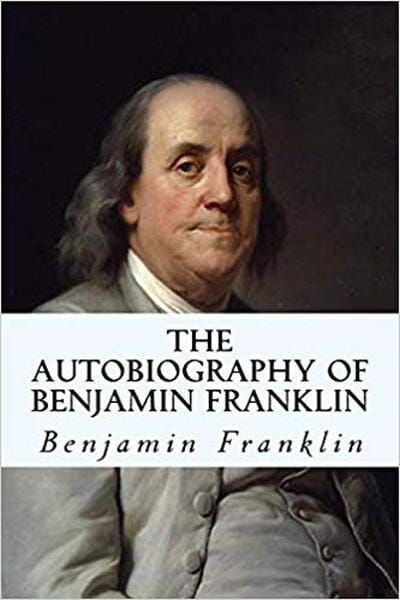
In 'The Autobiography of Benjamin Franklin,' the iconic Founding Father takes readers on a captivating journey through his life, revealing his rise from humble beginnings to becoming a key figure in American history. Franklin shares insightful anecdotes of his innovative spirit, dedication to self-improvement, and adventurous pursuits in science, politics, and philosophy. His wit and wisdom shine through as he candidly reflects on his successes and failures, providing a wealth of lessons for modern readers. Readers will discover not only the story of a remarkable man but also the principles that shaped a nation. This autobiography invites us to ponder our own paths and the impact of our choices.
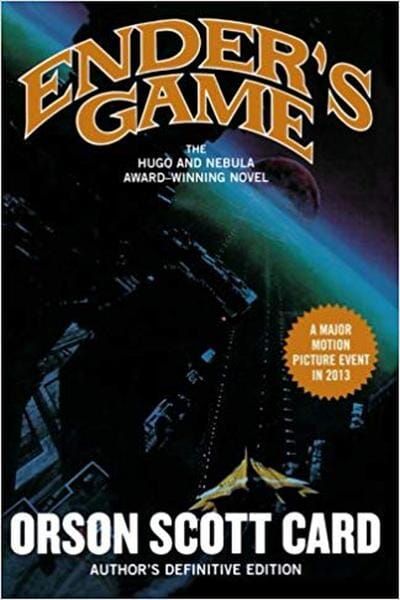
In a future where Earth is threatened by an alien species, child prodigy Ender Wiggin is recruited into a military training program in space. As he faces intense challenges and manipulative instructors, Ender's strategic brilliance shines through, setting him apart from his peers. The line between friend and foe blurs as he navigates the cutthroat environment of the Battle School. With the weight of humanity's survival on his shoulders, Ender must confront ethical dilemmas that question the morality of war. Can a child save the world, or will he become the very monster he’s been trained to defeat?
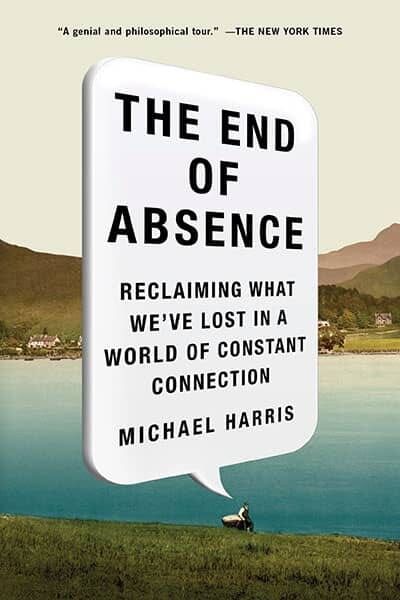
In 'The End of Absence,' Michael John Harris explores the paradox of constant connectivity in our digital age. As he nostalgically reflects on a time when absence was a natural state, he questions how technology reshapes our experiences and relationships. Through personal anecdotes and cultural analysis, Harris invites readers to ponder what we lose in a world devoid of solitude. This thought-provoking narrative challenges us to reconsider our attachment to screens and the significance of being truly present. Will we ever rediscover the value of absence in our hyper-connected lives?
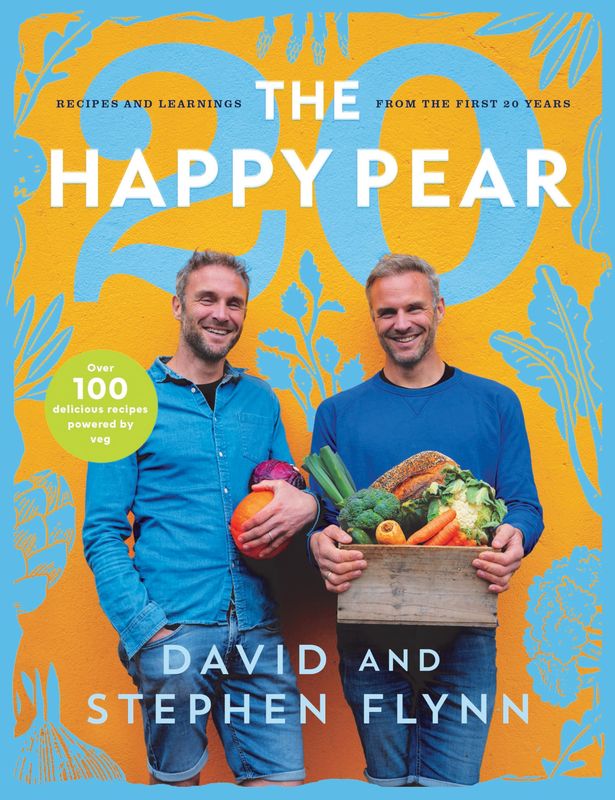
In 'Happy Pear', David and Stephen Flynn share their journey from a small Irish town to becoming renowned health and food advocates. Through vibrant storytelling, they reveal how adopting a plant-based lifestyle transformed their lives, bringing joy, vitality, and a deeper connection to the world around them. With practical tips and irresistible recipes, the Flynn brothers invite readers to embrace healthy eating without sacrificing taste. Their infectious enthusiasm makes the journey feel accessible and fun. Discover how a simple idea can spark a movement towards happiness and well-being!

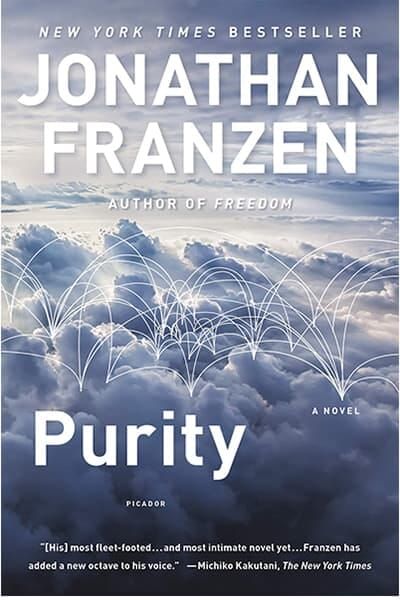
In 'Purity', Jonathan Franzen weaves a complex tale that explores the themes of identity, guilt, and the murky waters of modern life. The novel follows Pip Tyler, a young woman grappling with her past as she embarks on a quest for belonging and truth. Set against a backdrop of global intrigue and personal betrayal, Pip's journey leads her to unexpected revelations about her family and herself. Franzen's incisive prose and richly drawn characters invite readers to reflect on the very nature of purity in an increasingly corrupted world. Will Pip find the redemption she seeks, or will the weight of her connections drown her in despair?
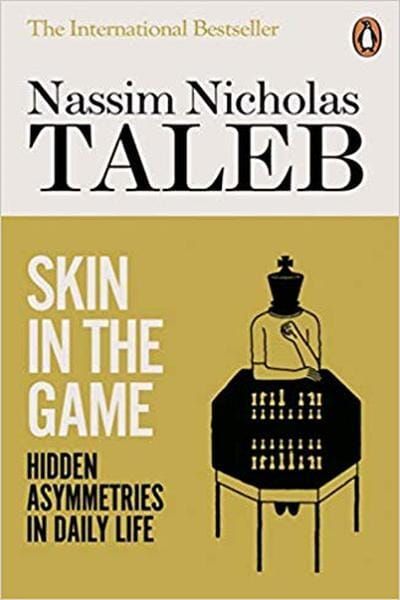
In 'Skin in the Game,' Nassim Nicholas Taleb explores the profound risks of decision-making that doesn't involve personal stakes. He unveils how those with power often evade the consequences of their actions while the vulnerable bear the brunt of systemic failures. Through compelling anecdotes and sharp insights, Taleb emphasizes the importance of having 'skin in the game' in economics, politics, and life. His thought-provoking arguments challenge conventional wisdom and demand accountability in our interconnected worlds. This book is an essential read for anyone seeking to understand the real implications of risk and responsibility.
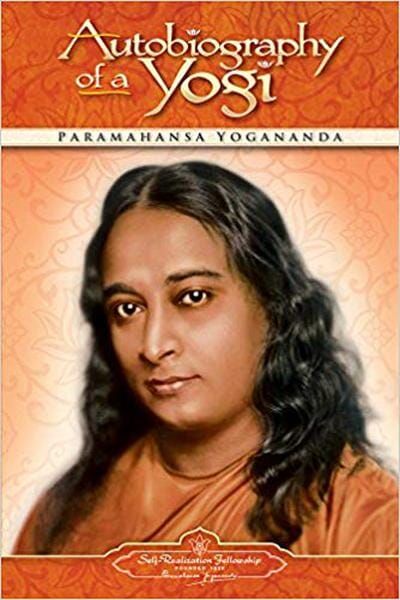
No summary available







Download our mobile app to enjoy your favorite books on the go. Get access to exclusive features, offline listening, and personalized recommendations.