Before the Industrial Revolution Book Summary
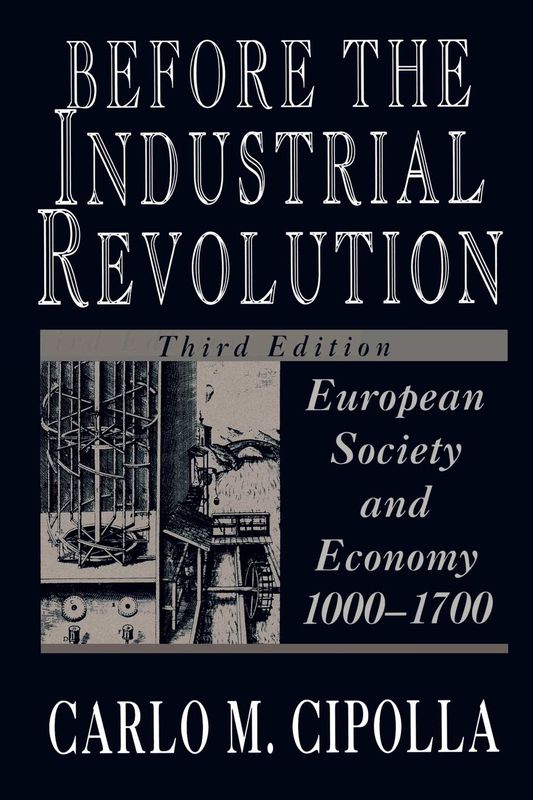
Before the Industrial Revolution by Carlo M. Cipolla invites readers to explore the transformative forces that shaped society before the age of industry. Delving into economic trends, social structures, and technological advancements, Cipolla paints a vivid picture of a world on the brink of change. The book challenges preconceived notions of progress, revealing how human behavior and cultural factors played crucial roles in shaping history. By examining historical events through a unique lens, Cipolla encourages a deeper understanding of the complexities involved in progress. This thought-provoking narrative leaves readers questioning what ‘progress’ truly means and how it has shaped our present.
By Carlo M. Cipolla
Published: 1994
""In the dance between necessity and invention, we often overlook the invisible strings that bind us to the past, as every revolution is but a reflection of the human spirit's unyielding quest for progress.""

Start Listening to Book Summary
Book Review of Before the Industrial Revolution
The Third Edition includes substantial revisions and new material throughout the book that will secure its standing as the most useful history available of preindustrial Europe.
Book Overview of Before the Industrial Revolution
About the Book Author
Carlo M. Cipolla
Carlo M. Cipolla (1922-2000) was an esteemed Italian economic historian and writer, renowned for his insightful explorations of economic history and human behavior. He is best known for his influential works such as 'The Basics of Sufficient Reason: A New Approach to Economic History', 'The Economic History of World Population', and the widely discussed essay 'The Law of the Inverse Relationship between the Size of an Impact and its Frequency', which explores the notion that as the impact of a tragedy increases, its frequency decreases. Cipolla's writing is characterized by its clarity, humor, and engaging narrative style, making complex economic concepts accessible and relatable to a broad audience. His unique perspective on the interplay between economics and human society has left a lasting impact on the field.
Book Details
Key information about the book.
- Authors
- Carlo M. Cipolla
- Published
- January 1994
- Publisher
- W. W. Norton & Company
- ISBN
- 0393311988
- Language
- English
- Pages
- 356
- Genres
- HistoryHistory of TechnologyCultural History
Purchase Options
 Buy on Amazon
 Buy via BookShop
Support local bookstores: BookShop gives a portion of each sale to independent bookshops!
Similar books you might like →

Guns, Germs, and Steel: The Fates of Human Societies (20th Anniversary Edition) Book Summary
In "Guns, Germs, and Steel," Jared Diamond embarks on a captivating exploration of the forces that shaped human civilization. He argues that geographic and environmental factors, rather than inherent differences among peoples, were pivotal in determining the fates of societies. Through a gripping narrative, Diamond unveils how the spread of agriculture, the domestication of animals, and the availability of resources laid the groundwork for conquest and colonialism. Readers are challenged to reconsider history's most significant events through the lens of ecology and evolution. This thought-provoking masterpiece invites you to question what truly drives societal power across civilizations.
The Lessons of History Book Summary
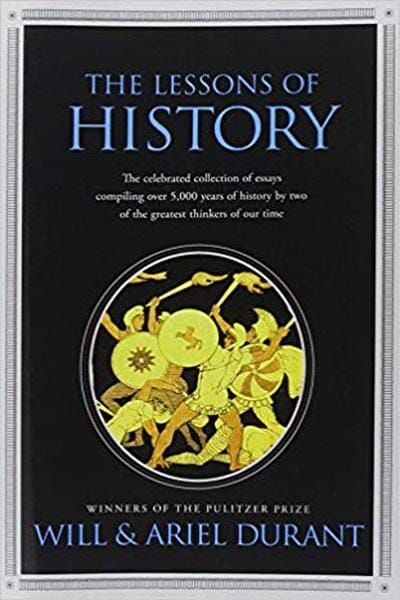
In "The Lessons of History," Will and Ariel Durant distill the sweeping narrative of human civilization into profound insights that span cultures and epochs. They explore the recurring themes of war, economics, religion, and human nature that shape our collective journey. With razor-sharp clarity, the Durants argue that the past holds invaluable lessons that can guide our present and future decisions. What patterns emerge when we closely examine the ebb and flow of societies? This thought-provoking work invites readers to reflect on the intricacies of humanity's story and consider how we might navigate the path ahead.

Guns, Germs, and Steel Book Summary
In 'Guns, Germs, and Steel,' Jared Diamond investigates the factors that have shaped human societies over the last 13,000 years. He argues that environmental differences, rather than racial genetics, have been the primary drivers of inequality among civilizations. The book explores how agriculture, technology, and disease have influenced the rise and fall of empires. Through compelling narratives and insightful analysis, Diamond uncovers the unexpected connections between geography and history. Readers are left questioning the very foundations of societal development and the future of humanity.
On Grief and Grieving Book Summary
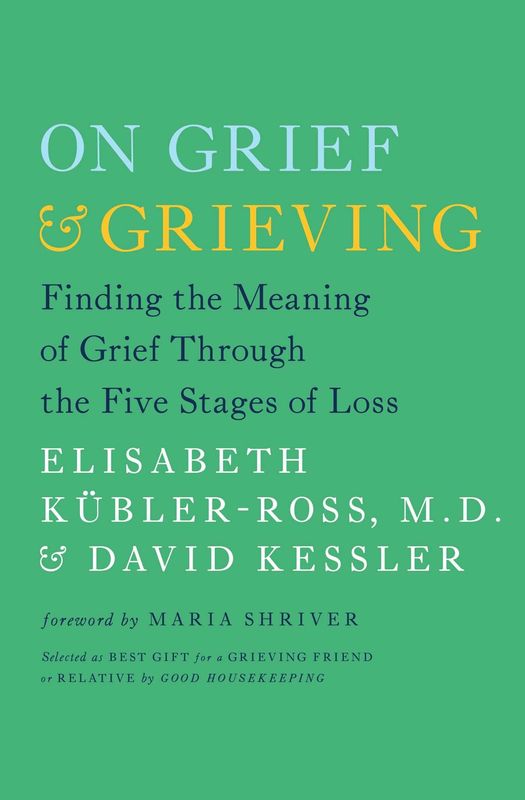
In 'On Grief and Grieving', Elisabeth Kübler-Ross and David Kessler explore the profound, often bewildering experience of loss. Their revolutionary work identifies the five stages of grief: denial, anger, bargaining, depression, and acceptance, providing a roadmap for those navigating through mourning. With compassion and insight, they encourage readers to embrace their emotions rather than suppress them. This book is not just a guide to understanding grief, but also a powerful testament to the resilience of the human spirit. Discover how to find meaning and healing amidst heartache, and unlock the pathways to emotional recovery.
The City in History Book Summary
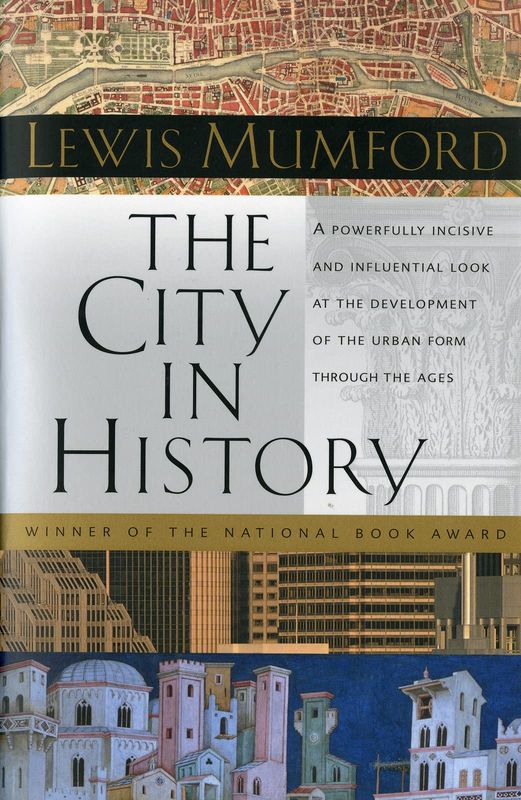
In 'The City in History,' Lewis Mumford explores the evolution of urban life from ancient times to the modern metropolis. He argues that cities are not just physical structures but reflections of human values and societal progress. Mumford delves into the interplay between architecture, technology, and culture, revealing how they shape the human experience. With incisive critiques and vivid historical examples, he presents a vision of the ideal city that promotes both individuality and community. This thought-provoking journey challenges readers to reconsider the role of cities in their own lives and the future of civilization.
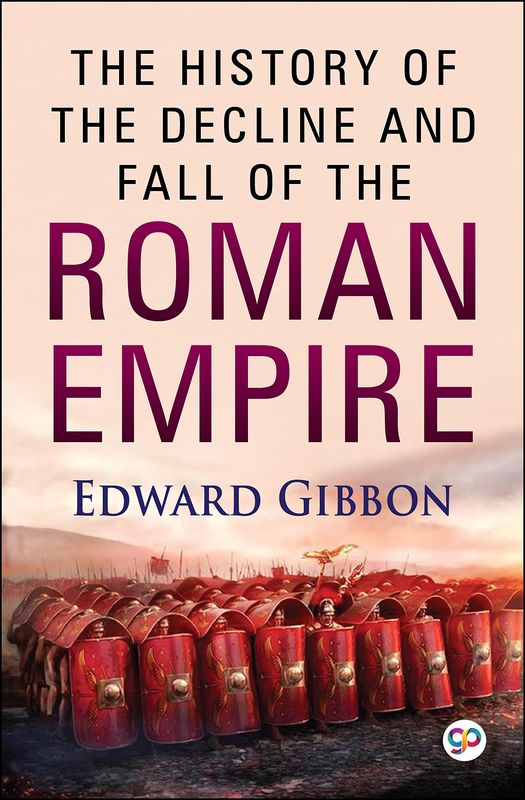
The History of the Decline & Fall of the Roman Empire Book Summary
In 'The History of the Decline & Fall of the Roman Empire,' Edward Gibbon meticulously chronicles the mighty empire's descent into chaos and obscurity. With eloquent prose, Gibbon unveils the interplay of political intrigue, moral decay, and military defeats that eroded Rome's power. His analysis does not merely recount events but delves into the philosophical implications of decline and the lessons for future societies. As empires rise and fall, engage with the timeless questions Gibbon poses about civilization itself. Dive into this monumental work to understand how history shapes our present and future.
A History of Economic Theory Book Summary
In 'A History of Economic Theory', Jürg Niehans takes readers on a captivating journey through the evolution of economic thought. From ancient philosophies to contemporary paradigms, the book unravels how ideas have shaped economic practices across cultures and eras. With each chapter, Niehans reveals the intellectual battles and breakthroughs that have defined the discipline. Rich in historical context, this work challenges readers to consider the relevance of past theories in today's economy. Dive into this scholarly adventure and discover how the past continually influences our understanding of wealth and value.
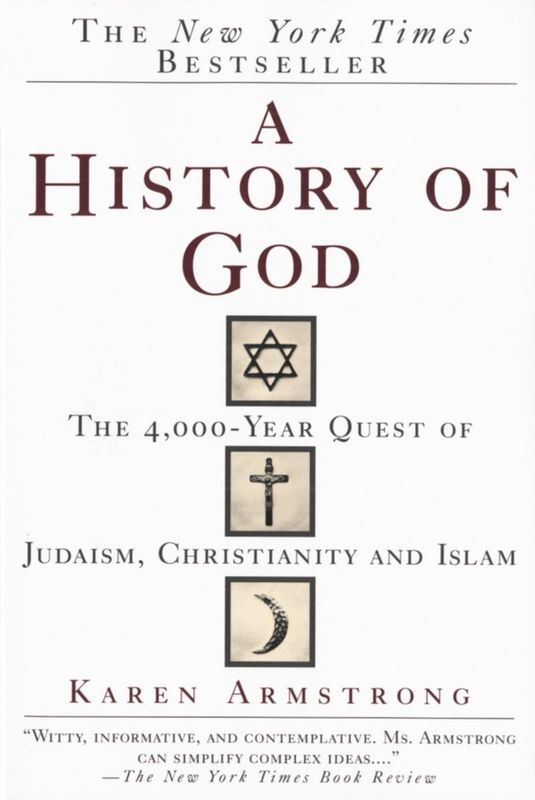
A History of God Book Summary
In 'A History of God', Karen Armstrong embarks on a fascinating journey through the evolution of the concept of God from ancient times to the modern era. She explores how various religions—Judaism, Christianity, and Islam—have shaped humanity's understanding of the divine, revealing the complexities and contradictions in these beliefs. Highlighting the influence of culture, politics, and philosophy, Armstrong invites readers to reconsider their perceptions of faith and spirituality. This thought-provoking narrative raises profound questions about the nature of belief and the future of religious thought. Are we on the brink of a new understanding of God, or are we simply repeating history?
Showing 8 of 29 similar books
Take your reading experience to the next level
Download our mobile app to enjoy your favorite books on the go. Get access to exclusive features, offline listening, and personalized recommendations.

Similar Book Recommendations →

Elon Musk's Book Recommendations
Elon Musk is an influential entrepreneur and innovator known for founding and leading several groundbreaking companies, including Tesla, SpaceX, Neuralink, and The Boring Company. He has played a pivotal role in advancing electric vehicles, space exploration, and renewable energy. Musk's vision extends to colonizing Mars and reducing the risk of human extinction through space travel. In addition to his technological contributions, he has co-authored the book "Spacex: Making Commercial Spaceflight a Reality," providing insights into his ambitious projects and vision for the future. Musk's relentless pursuit of innovation continues to shape the trajectory of multiple industries.

Kevin Kelly's Book Recommendations
Kevin Kelly is a co-founder of Wired magazine and a prominent figure in technology journalism. He is the author of several influential books, including "Out of Control" and "What Technology Wants," which explore the intersection of technology, society, and human evolution. Kelly is known for his forward-thinking insights on the digital revolution and the future of technology. His work has significantly shaped public understanding of complex technological trends and their potential impacts. Beyond writing, Kelly is also a sought-after speaker and consultant, contributing to global conversations about innovation and the digital age.

Lena Dunham's Book Recommendations
Lena Dunham is an acclaimed writer, director, and actress, best known for creating and starring in the HBO series "Girls," which garnered widespread critical acclaim and several awards, including two Golden Globes. In literature, she is the author of the bestselling memoir "Not That Kind of Girl: A Young Woman Tells You What She's 'Learned'," which offers candid insights into her life and experiences. Dunham has also contributed essays to various prominent publications, showcasing her distinctive voice and sharp wit. Her work often explores themes of feminism, identity, and the complexities of modern womanhood. Beyond her creative endeavors, Dunham is a vocal advocate for mental health awareness and women’s rights.

Cleo Abram's Book Recommendations
Cleo Abram is a distinguished journalist and content creator known for her incisive storytelling and engaging multimedia presentations. She gained widespread recognition as a producer and host for Vox's acclaimed series, "Glad You Asked," where she explored complex topics with clarity and depth. Abram's work often intersects with technology and culture, making intricate subjects accessible to a broad audience. In addition to her journalistic endeavors, she has contributed thought-provoking essays and articles to various esteemed publications. Her innovative approach to storytelling continues to influence and inspire both readers and aspiring journalists.

Ben Horowitz's Book Recommendations
Ben Horowitz is a prominent American entrepreneur, investor, and author, best known for co-founding the venture capital firm Andreessen Horowitz. He made significant contributions to the tech industry through his leadership roles at Netscape and as co-founder of the software company Opsware, which was later acquired by Hewlett-Packard. Horowitz is celebrated for his insightful business book, "The Hard Thing About Hard Things," which provides candid advice on the challenges of entrepreneurship. His follow-up book, "What You Do Is Who You Are," explores the importance of company culture in business success. Horowitz's works are highly regarded for their practical wisdom and have influenced countless leaders in the tech and business communities.

Charlie Munger's Book Recommendations
Charlie Munger is an American investor, businessman, and philanthropist, best known as the vice chairman of Berkshire Hathaway, where he partners with Warren Buffett. Renowned for his insights on investment strategies and mental models, Munger has significantly influenced the world of finance. His notable literary contributions include "Poor Charlie's Almanack," a compilation of his speeches and writings that distill his wisdom on decision-making and business principles. Munger's work emphasizes the importance of multidisciplinary thinking and continuous learning. Beyond his financial acumen, he is celebrated for his charitable efforts, particularly in education and healthcare.

Keith Rabois's Book Recommendations
Keith Rabois is a prominent American entrepreneur, investor, and author known for his significant contributions to the tech industry and startup ecosystem. He played crucial roles in the early success of companies like PayPal, LinkedIn, Square, and Yelp, earning a reputation as a skilled operator and strategic thinker. As a partner at Founders Fund and later at Khosla Ventures, Rabois has invested in and advised numerous successful startups. In addition to his business ventures, he has written insightful articles and essays on technology, entrepreneurship, and innovation, contributing to the broader discourse on these subjects. Rabois continues to influence the tech world with his strategic insights and thought leadership.

Mark Zuckerberg's Book Recommendations
Mark Zuckerberg is an American technology entrepreneur best known for co-founding Facebook, the world's largest social media platform, which transformed global communication. Born on May 14, 1984, in White Plains, New York, he launched Facebook in 2004 while attending Harvard University. Under his leadership, Facebook expanded rapidly, influencing the social media landscape and digital advertising. Zuckerberg has also authored numerous articles and essays on technology, innovation, and the future of the internet. His work has had a profound impact on how people connect and share information in the digital age.
Showing 8 of 14 related collections
“"In the dance between necessity and invention, we often overlook the invisible strings that bind us to the past, as every revolution is but a reflection of the human spirit's unyielding quest for progress."”
Before the Industrial Revolution
By Carlo M. Cipolla
Frequently Asked Questions
Explore Our Catalogue
Discover a world of knowledge through our extensive collection of book summaries.
Genres
Genres
Genres
Featured Collections
- Top Book Club Picks
- One-Stop Nutrition
- Summer Reads 2024
- Best Beach Reads 2024
- Work-Life Balance Guide
- Time Management
- Healthy Foods
- Entrepreneur Toolkit
- Mind & Body Wellness
- Future Tech Insights
- Leadership Essentials
- Financial Freedom
- Sci-Fi Masterpieces
- Parenting 101
- Books That Became Blockbusters
- Guide to a Healthy Pregnancy