Blitzed Book Summary
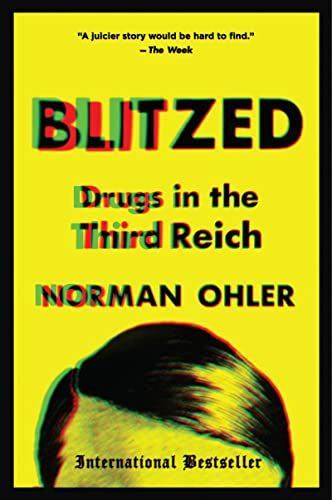
'Blitzed' by Norman Ohler unveils the astonishing role of drugs in Nazi Germany during World War II, revealing how these substances fueled the Third Reich's relentless militarism. From commanders to foot soldiers, the widespread use of methamphetamine transformed the German war machine into an unstoppable force. Ohler artfully intertwines personal narratives and historical accounts, exposing the surreal reality of a nation under the influence. This provocative exploration raises chilling questions about the intersection of power, addiction, and morality. Dive into a realm where the quest for dominance leads to a drug-fueled descent into madness.
By Norman Ohler
Published: NaN
"In the depths of despair and destruction, the human spirit finds its most unexpected paths to freedom."

Start Listening to Book Summary
Book Review of Blitzed
Methamphetamine, the Volksdroge (1933-1938) -- Sieg High! (1939-1941) -- High Hitler : Patient A and his personal physician (1941-1944) -- The wonder drug (1944-1945).
Book Overview of Blitzed
About the Book Author
Norman Ohler
Norman Ohler is a German author and screenwriter known for his compelling narrative style and deep exploration of historical themes. He gained international recognition with his critically acclaimed book "Blow Up and Other Stories," which delves into the effects of drugs and addiction on society. His other notable works include "The Opium War" and "Die Diktatur der Emotionen" (The Dictatorship of Emotions), where he examines the intersection of politics and emotional manipulation. Ohler's writing often blends rigorous research with vivid storytelling, making complex historical events accessible and engaging for a broad audience.
Book Details
Key information about the book.
- Authors
- Norman Ohler
- Published
- N/A
- Publisher
- Mariner Books
- ISBN
- 1328915344
- Language
- English
- Pages
- N/A
- Genres
- HistoryWorld WarsPolitical HistoryPolitics and Current Affairs
Purchase Options
 Buy on Amazon
 Buy via BookShop
Support local bookstores: BookShop gives a portion of each sale to independent bookshops!
Similar books you might like →
The Rise and Fall of the Third Reich Book Summary
In "The Rise and Fall of the Third Reich," William L. Shirer delves into the tumultuous era of Nazi Germany, chronicling the meteoric ascent of Adolf Hitler and the catastrophic consequences of his totalitarian regime. With gripping detail, Shirer unveils the intricate web of political machinations, propaganda, and the chilling indifference of the populace that enabled the regime's rise. As the narrative unfolds, readers are drawn into the harrowing events of World War II, revealing the stark realities of war and oppression. Yet, the book also contemplates the broader implications of tyranny and the fragility of democracy in the face of political extremism. Will humanity learn from the lessons of the past, or are we doomed to repeat history?
Technopoly Book Summary
In 'Technopoly,' Neil Postman explores the complex relationship between technology and culture, arguing that society's obsession with technology can lead to a dangerous loss of critical thought and human values. He illustrates how technological advancements can dominate cultural discourse, making other perspectives obsolete. Postman warns that as we become increasingly reliant on technology, we risk losing essential skills like reasoning and communication. With a keen eye for the implications of technological dominance, he urges readers to reflect on the values that should guide technological progress. This provocative examination challenges us to consider whether we are the masters of our creations or merely servants to them.
The Code Breaker Book Summary
In 'The Code Breaker', Walter Isaacson delves into the captivating world of CRISPR gene-editing technology, following the brilliant mind of Jennifer Doudna. This gripping narrative explores the ethical dilemmas and scientific breakthroughs that come with harnessing the power to edit life itself. As researchers grapple with the implications of their discoveries, readers are invited into a fast-paced journey that intertwines science, ambition, and morality. With vivid stories of personal triumphs and challenges, Isaacson raises profound questions about the future of humanity. Will unlocking the secrets of our DNA lead to a utopia or unforeseen consequences?

Out of Control Book Summary
In 'Out of Control,' Kevin Kelly explores the complexities and unpredictability of modern technology and its impact on society. He introduces the idea of 'self-organization,' revealing how systems—natural and artificial—can evolve beyond our control. This thought-provoking narrative challenges our understanding of technology's role, suggesting that chaos can lead to new forms of order. As we navigate an increasingly automated future, Kelly prompts us to reconsider our relationship with the machines we create. Are we the architects of a brave new world, or are we ceding power to forces we can’t fully comprehend?
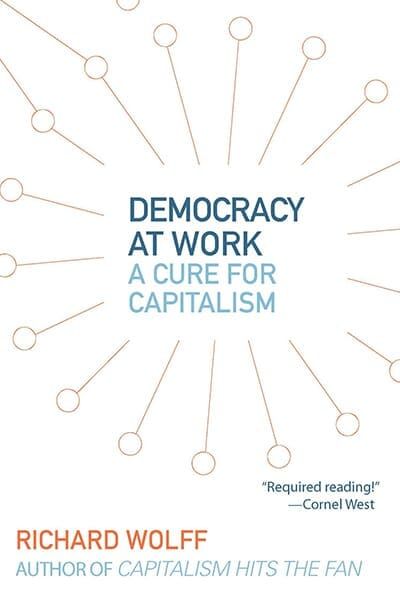
Democracy at Work Book Summary
In 'Democracy at Work', Richard D. Wolff challenges the conventional notions of democracy and the workplace, advocating for a radical transformation where workers have a say in their enterprises. Through compelling arguments and real-world examples, he explores the failures of capitalism and presents a vision for a more just and equitable economic system. Wolff introduces the idea of worker cooperatives as a feasible alternative, illustrating how they can empower employees and foster true democratic practices. This thought-provoking book urges readers to reconsider their understanding of democracy beyond the confines of politics and into the very fabric of their daily work lives. Are we ready to rethink who really holds the power in the workplace?
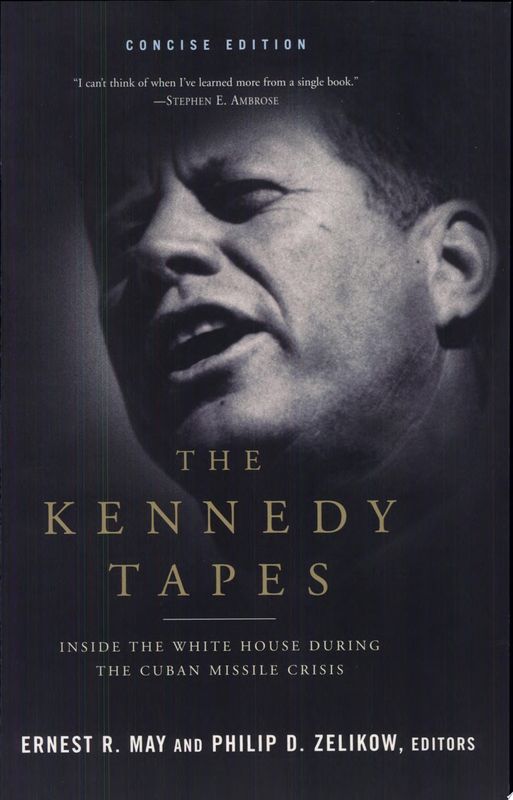
Kennedy Tapes Concise Edition Book Summary
Dive into the secretive world of power with 'Kennedy Tapes Concise Edition.' This intriguing collection slices through the layers of history to reveal intimate conversations that shaped pivotal moments in the Kennedy presidency. Discover the raw emotions and strategic deliberations behind the Cuban Missile Crisis, civil rights, and the space race. Each tape serves as a portal into the mind of a leader grappling with immense challenges and moral dilemmas. What revelations lie within these conversations, and how do they redefine our understanding of this iconic era?

Israel's Border Wars, 1949-1956 Book Summary
In 'Israel's Border Wars, 1949-1956', Benny Morris delves deep into the tumultuous early years of Israel's history, exploring the complex and often turbulent border conflicts that shaped the nation. Through meticulous research and compelling narratives, he uncovers the often-overlooked struggles between Israeli forces and neighboring Arab states. Morris reveals the motivations and narratives that fueled these conflicts, providing a nuanced understanding of the regional tensions that persist today. His insights challenge conventional perspectives and raise provocative questions about identity, sovereignty, and the lasting impact of war. A must-read for anyone seeking to grasp the intricacies of Israeli-Palestinian relations and the broader Middle Eastern landscape.

Reagan Versus The Sandinistas Book Summary
"Reagan Versus The Sandinistas" delves into the intense political battle between the Reagan administration and the Sandinista government in Nicaragua during the 1980s. This gripping narrative uncovers the complexities of U.S. foreign policy and its implications for Latin America, revealing both covert actions and public confrontations. With a wealth of archival research, the authors illuminate the motivations behind Reagan's attempts to undermine leftist movements and support rebels. Through vivid accounts and firsthand testimonies, the book showcases the human stories behind the geopolitical chess game. Readers will find themselves questioning the ethical boundaries of political intervention and its lasting impact on a region caught in the crossfire.
Showing 8 of 29 similar books
Take your reading experience to the next level
Download our mobile app to enjoy your favorite books on the go. Get access to exclusive features, offline listening, and personalized recommendations.

Similar Book Recommendations →

Douglas Murray's Book Recommendations
Douglas Murray is a renowned British author, journalist, and political commentator known for his incisive works on contemporary political and social issues. He gained significant acclaim with his book "The Strange Death of Europe: Immigration, Identity, Islam," which critically examines the impact of mass migration and cultural change in Europe. Murray is also the author of "The Madness of Crowds: Gender, Race and Identity," where he explores the complexities and consequences of identity politics. As an associate editor at The Spectator, he regularly contributes thought-provoking articles on global affairs and cultural debates. His eloquent and often controversial perspectives have made him a prominent voice in modern discourse.

Brandon Stanton's Book Recommendations
Brandon Stanton is an American photographer and author, best known for creating Humans of New York, a photography project that shares the personal stories of everyday people. Through his portraits and interviews, Stanton captures the diverse experiences of people in New York City and around the world, offering intimate insights into their lives. Humans of New York has become a global phenomenon, with millions of followers on social media and several best-selling books. Stanton’s work has expanded beyond photography to include fundraising campaigns that have raised millions of dollars for individuals and charitable causes. His ability to connect with people and share their stories has made him one of the most impactful storytellers of his generation.

Lex Fridman's Book Recommendations
Lex Fridman is an artificial intelligence researcher, podcaster, and MIT professor, known for his work in autonomous vehicles, robotics, and deep learning. Fridman has gained widespread popularity through his podcast, Lex Fridman Podcast, where he interviews leading thinkers in science, technology, and philosophy, exploring topics like AI, consciousness, and the future of humanity. His academic work focuses on human-centered AI, aiming to create machines that can better understand and interact with humans. Fridman’s ability to distill complex topics into accessible conversations has earned him a large following, and his podcast is known for its thoughtful, in-depth discussions with some of the brightest minds of our time. He is also an advocate for the responsible development of AI, emphasizing the ethical implications of this rapidly advancing technology. Outside of academia and podcasting, Fridman is a practitioner of jiu-jitsu and frequently speaks about the importance of discipline and continuous learning.

Naval Ravikant's Book Recommendations
Naval Ravikant is an entrepreneur, angel investor, and philosopher, best known as the co-founder of AngelList, a platform that connects startups with investors. Ravikant is a prolific thinker and writer on topics such as startups, investing, and personal well-being, sharing his wisdom through essays, podcasts, and social media. He has invested in over 100 companies, including Uber, Twitter, and Yammer, making him one of Silicon Valley’s most successful angel investors. Ravikant is also known for his philosophical musings on wealth, happiness, and the meaning of life, which have garnered him a large and dedicated following.

Barack Obama's Book Recommendations
Barack Obama is the 44th President of the United States, serving from 2009 to 2017. As the first African American president, Obama’s leadership marked a historic moment in American history. His administration focused on healthcare reform, economic recovery from the Great Recession, and environmental policies. He is best known for the Affordable Care Act, as well as his efforts to expand civil rights and restore diplomatic relations with Cuba. Since leaving office, Obama has continued to engage in public life through his foundation, focusing on leadership development, civic engagement, and global issues.

Jocko Willink's Book Recommendations
Jocko Willink is a retired Navy SEAL officer, renowned for his leadership during the Battle of Ramadi in the Iraq War, which earned him the Silver Star and Bronze Star. Transitioning from military service, he co-authored the best-selling book "Extreme Ownership: How U.S. Navy SEALs Lead and Win" with fellow SEAL Leif Babin, which has become a cornerstone in leadership and management literature. Willink has also written the "Way of the Warrior Kid" series, aimed at empowering young readers with principles of discipline and resilience. Additionally, he hosts the popular "Jocko Podcast," where he discusses leadership, discipline, and personal development. Willink's influence extends beyond literature through his Echelon Front leadership consultancy, helping organizations implement effective leadership strategies.

Jamie Dimon's Book Recommendations
Jamie Dimon is an American business executive, best known as the Chairman and CEO of JPMorgan Chase, one of the largest and most influential financial institutions in the world. Dimon has led JPMorgan through multiple economic crises, including the 2008 financial crash, and has consistently been recognized for his leadership in the banking industry. Under his tenure, JPMorgan has grown into a global financial powerhouse, focusing on innovation and sustainability. Dimon is also an advocate for corporate responsibility and frequently speaks on economic and regulatory issues. His leadership style and strategic insights have earned him widespread respect in the business world.

Brad Feld's Book Recommendations
Brad Feld is a prominent American entrepreneur, venture capitalist, and author known for his influential work in the startup ecosystem. Co-founder of the Foundry Group, he has played a pivotal role in funding and mentoring early-stage technology companies. Feld is also a key figure behind the Techstars accelerator program, which has helped launch numerous successful startups. As an author, he has penned several essential books on entrepreneurship and venture capital, including "Venture Deals" and "Startup Communities," which provide invaluable insights for aspiring entrepreneurs and investors. His writings and active blogging have cemented his reputation as a thought leader in the tech and startup communities.
Showing 8 of 12 related collections
“In the depths of despair and destruction, the human spirit finds its most unexpected paths to freedom.”
Blitzed
By Norman Ohler
Frequently Asked Questions
Explore Our Catalogue
Discover a world of knowledge through our extensive collection of book summaries.
Genres
Genres
Genres
Featured Collections
- Top Book Club Picks
- One-Stop Nutrition
- Summer Reads 2024
- Best Beach Reads 2024
- Work-Life Balance Guide
- Time Management
- Healthy Foods
- Entrepreneur Toolkit
- Mind & Body Wellness
- Future Tech Insights
- Leadership Essentials
- Financial Freedom
- Sci-Fi Masterpieces
- Parenting 101
- Books That Became Blockbusters
- Guide to a Healthy Pregnancy