Calculus on Manifolds Book Summary
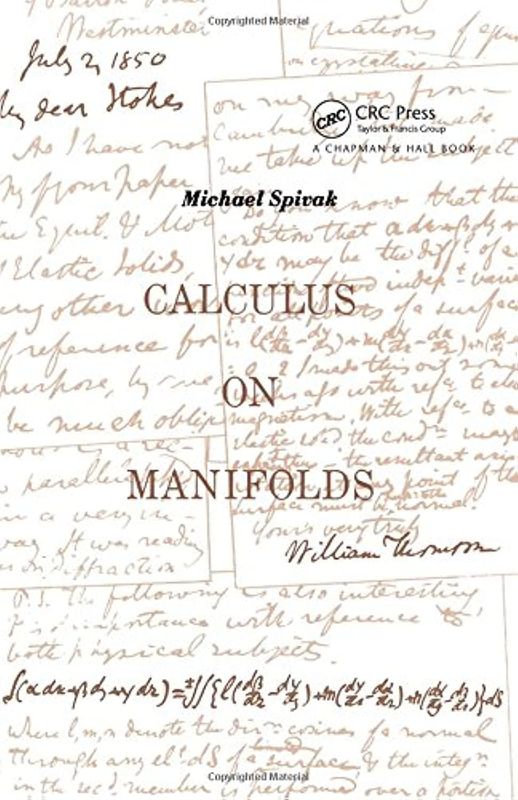
'Calculus on Manifolds' by Michael Spivak is a masterful exploration of advanced calculus that transcends traditional methods. Spivak extends the concepts of calculus to multidimensional spaces, revealing the beauty and complexity of manifold theory. Through engaging examples and clear explanations, he invites readers on a journey to discover the deeper connections between geometry and analysis. This book is not just a textbook; it's a gateway to higher mathematical thought and a challenge for the curious mind. Perfect for those eager to expand their understanding of mathematics, it promises to leave you both enlightened and inspired.
By Michael Spivak
Published: 1965
"Mathematics is not about numbers, equations, or algorithms: it is about understanding."

Start Listening to Book Summary
Book Review of Calculus on Manifolds
This book uses elementary versions of modern methods found in sophisticated mathematics to discuss portions of "advanced calculus" in which the subtlety of the concepts and methods makes rigor difficult to attain at an elementary level.
Book Overview of Calculus on Manifolds
About the Book Author
Michael Spivak
Michael Spivak is a renowned mathematician and author, best known for his influential texts on calculus and geometry. His notable works include 'Calculus on Manifolds', 'The Joy of TeX', and the exquisite 'A Comprehensive Introduction to Differential Geometry', which has become a standard reference in mathematical literature. Spivak's writing is characterized by its clarity and commitment to providing a deep and intuitive understanding of complex mathematical concepts, making his works accessible to both students and professionals.
Book Details
Key information about the book.
- Authors
- Michael Spivak
- Published
- January 1965
- Publisher
- Westview Press
- ISBN
- 0805390219
- Language
- English
- Pages
- 164
- Genres
- Science and NatureScientific Discoveries
Purchase Options
 Buy on Amazon
 Buy via BookShop
Support local bookstores: BookShop gives a portion of each sale to independent bookshops!
Similar books you might like →
Brief Answers to the Big Questions Book Summary
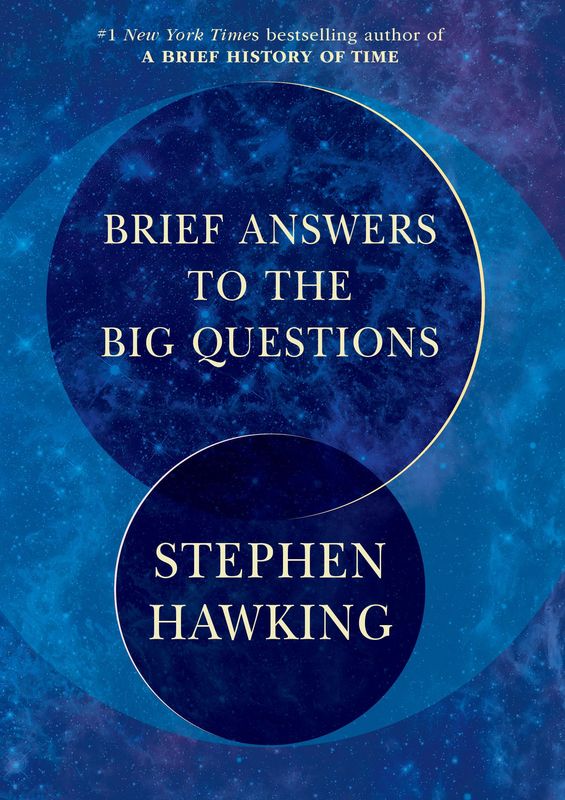
In "Brief Answers to the Big Questions," renowned physicist Stephen Hawking tackles humanity's most profound inquiries about the universe and our existence. With a blend of scientific insight and philosophical exploration, he dares to answer questions like, "Is there a God?" and "Can we travel in time?" Each chapter draws readers into a realm of cosmic wonders, igniting curiosity about our place in the vastness of space. Hawking's wit and clarity shine through as he navigates complex ideas with compelling simplicity. Prepare to embark on an intellectual journey that challenges every preconceived notion about life, the universe, and everything in between.
Cosmos Book Summary
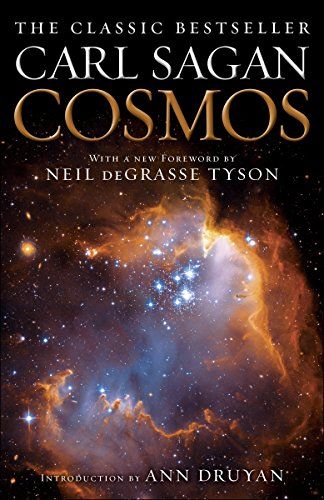
In "Cosmos," Carl Sagan embarks on a thrilling expedition through space and time, weaving together the threads of science, history, and philosophy. With stunning prose, he unveils the wonders of the universe, exploring the birth of stars, the evolution of life, and the intricacies of human existence. Sagan’s passion for discovery ignites a sense of awe, inviting readers to ponder our place within the vast cosmos. As he delves into topics from alien civilizations to the origins of consciousness, each page beckons you to rethink what you know about the universe. Prepare to be captivated by a journey that challenges the boundaries of human understanding, leaving you eager to uncover the mysteries that lie beyond the stars.
A Universe from Nothing Book Summary
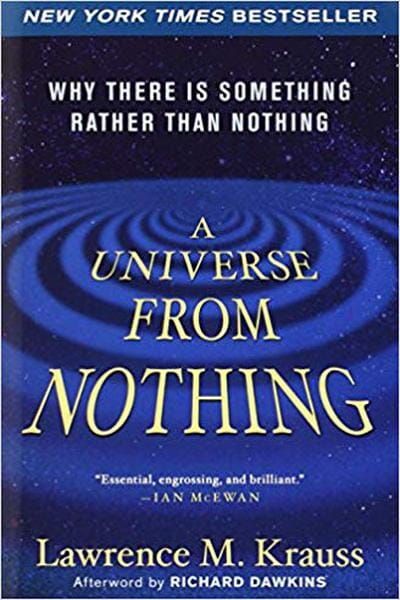
In 'A Universe from Nothing', acclaimed physicist Lawrence M. Krauss takes readers on a fascinating journey into the origins of the universe. He argues that something can emerge from nothing, challenging traditional notions of creation. Through compelling stories and cutting-edge science, Krauss reveals the cosmic framework that underpins our existence. The book raises profound questions about the nature of reality and the universe’s grand design. Prepare to rethink everything you thought you knew about the cosmos!
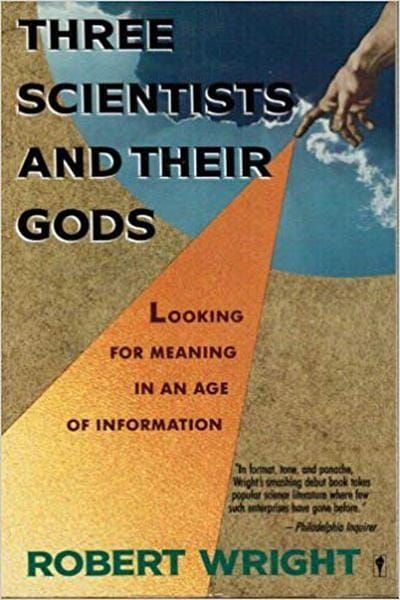
Three Scientists and Their Gods Book Summary
In 'Three Scientists and Their Gods', Robert Wright explores the profound connections between science, religion, and the human experience. He delves into the lives and thoughts of three pivotal figures—Albert Einstein, Charles Darwin, and Isaac Newton—revealing how their groundbreaking ideas reshaped our understanding of the universe. Through a captivating narrative, Wright challenges the dichotomy between faith and reason, urging readers to consider the spiritual implications of scientific discoveries. With philosophical depth and historical insight, the book raises tantalizing questions about the nature of existence and the divine. Are our beliefs about God shaped by our scientific understanding, or is there something more? Discover how these monumental thinkers grappled with the mysteries of life.
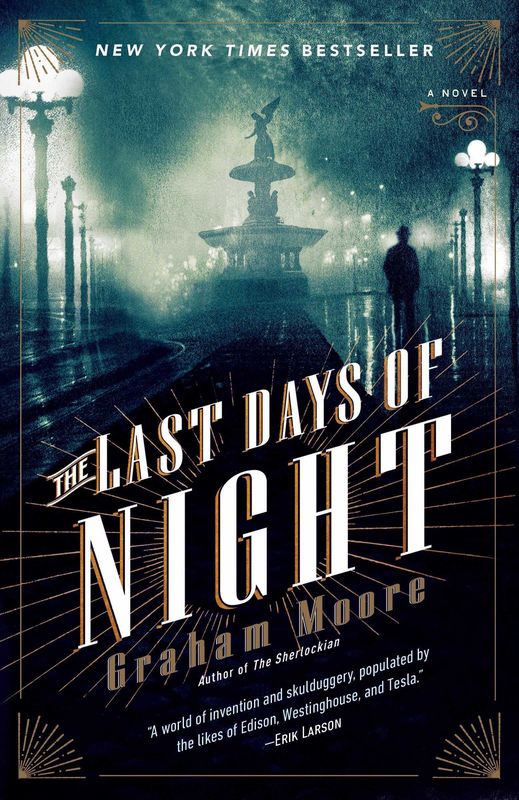
The Last Days of Night Book Summary
In the electrifying world of 1888, "The Last Days of Night" follows the fierce battle between Thomas Edison and George Westinghouse over the future of electricity. Amidst corporate espionage and technological innovation, a young lawyer named Paul Cravath navigates this thrilling landscape of ambition and betrayal. As he uncovers secrets and confronts moral dilemmas, Paul finds himself entangled not only in a war of inventions but also in a complicated romance with the enigmatic figure of Westinghouse's assistant. With the fate of electric power hanging in the balance, can he outsmart the titans of industry? This captivating tale of ingenuity and rivalry will leave you questioning the true cost of progress.

Vernon God Little Book Summary
In the satirical novel 'Vernon God Little', a 15-year-old boy named Vernon faces the aftermath of a school shooting in his small Texas town. As he grapples with grief and isolation, he becomes the unwitting center of a media circus that sensationalizes the tragedy. Between dark humor and poignant reflections, Vernon navigates a world filled with hypocrisy, judgment, and unexpected friendships. With each twist, he seeks truth while questioning the nature of fame and innocence. Will Vernon find his voice amid the chaos, or will he be forever defined by the tragedy?
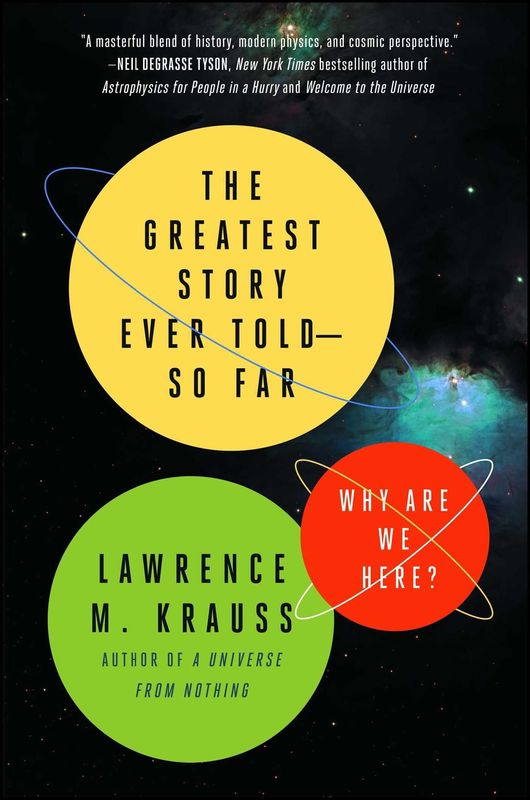
The Greatest Story Ever Told--So Far Book Summary
In 'The Greatest Story Ever Told--So Far,' Lawrence M. Krauss takes readers on an exhilarating journey through the history of the universe, exploring the profound scientific discoveries that have shaped our understanding of reality. With wit and clarity, he delves into questions of existence, the nature of time, and the possibility of multiverses. Krauss makes complex concepts accessible, painting a vivid picture of our cosmic origins and the ongoing quest for knowledge. This book isn’t just about science; it's a call to wonder and curiosity about the universe we inhabit. Prepare to rethink everything you thought you knew about life, the universe, and everything in between!
Analysis, Manifolds and Physics Revised Edition Book Summary
Dive into 'Analysis, Manifolds and Physics,' a compelling fusion of mathematical concepts and their physical implications. This revised edition masterfully elucidates the intricate relationships between analysis, geometry, and the laws of physics. With expertly crafted examples and clear explanations, it guides readers through the complexities of manifolds and their applications in modern physics. Ideal for both aspiring mathematicians and physicists, it challenges conventional perspectives and ignites curiosity about the underlying structures of the universe. Are you ready to unravel the mathematical tapestry that shapes our understanding of reality?
Showing 8 of 27 similar books
Take your reading experience to the next level
Download our mobile app to enjoy your favorite books on the go. Get access to exclusive features, offline listening, and personalized recommendations.

Similar Book Recommendations →

Matt Ridley's Book Recommendations
Matt Ridley is a British journalist, author, and businessman, best known for his books on science, economics, and human progress, including The Rational Optimist and The Evolution of Everything. Ridley’s work focuses on the power of innovation, free markets, and human ingenuity to drive progress and improve living standards. He is a member of the House of Lords and has written extensively on topics such as genetics, evolution, and the environment. Ridley’s optimistic view of human progress and his ability to explain complex scientific ideas have made him a popular author and public intellectual.

Barack Obama's Book Recommendations
Barack Obama is the 44th President of the United States, serving from 2009 to 2017. As the first African American president, Obama’s leadership marked a historic moment in American history. His administration focused on healthcare reform, economic recovery from the Great Recession, and environmental policies. He is best known for the Affordable Care Act, as well as his efforts to expand civil rights and restore diplomatic relations with Cuba. Since leaving office, Obama has continued to engage in public life through his foundation, focusing on leadership development, civic engagement, and global issues.

Andrew Wilkinson's Book Recommendations
Andrew Wilkinson is a distinguished author and entrepreneur, best known for his insightful business writings and contributions to the tech industry. He co-founded MetaLab, a prominent design agency that has shaped the user experience of major platforms like Slack and Coinbase. Wilkinson's entrepreneurial journey and his publications provide valuable perspectives on startup culture, innovation, and leadership. His writing, often featured in leading business magazines and his personal blog, has garnered a wide readership for its practical advice and engaging storytelling. Andrew continues to influence both literature and the business world with his unique blend of creativity and strategic thinking.

Albert Wenger's Book Recommendations
Albert Wenger is a prominent venture capitalist and author, best known for his insightful contributions to the intersection of technology and society. As a managing partner at Union Square Ventures, he has invested in and mentored numerous groundbreaking startups, significantly shaping the digital landscape. Wenger is the author of "World After Capital," a thought-provoking book that explores the implications of a post-capitalist society driven by abundant knowledge and digital innovation. His work has sparked important discussions about the future of work, education, and governance in an increasingly automated world. Beyond his writing, Wenger is a sought-after speaker and influential thought leader in the tech community.
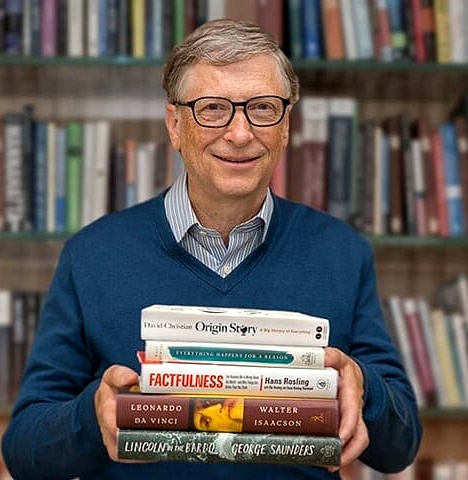
Bill Gates's Book Recommendations
Bill Gates, co-founder of Microsoft Corporation, is a pioneering figure in the tech industry, having played a key role in the personal computer revolution. His work at Microsoft, particularly the development of Windows, transformed software and computing globally. Beyond his technology contributions, Gates is also a prolific author, with notable works such as "The Road Ahead" and "Business @ the Speed of Thought," which offer insights into the future of technology and business. Additionally, his philanthropic efforts through the Bill & Melinda Gates Foundation have had a profound impact on global health, education, and poverty. Gates continues to influence both technology and literature with his forward-thinking perspectives and innovative ideas.

Brian Armstrong's Book Recommendations
Brian Armstrong is a renowned entrepreneur and author best known for co-founding and leading Coinbase, a major cryptocurrency exchange. His literary contributions include insightful writings on the future of digital currencies and blockchain technology. Armstrong's work has been pivotal in demystifying complex financial systems for a broader audience. Beyond his business acumen, his thought leadership in publications and public speaking engagements has cemented his status as a key voice in the fintech revolution. His dedication to innovation continues to influence the trajectory of global financial systems.
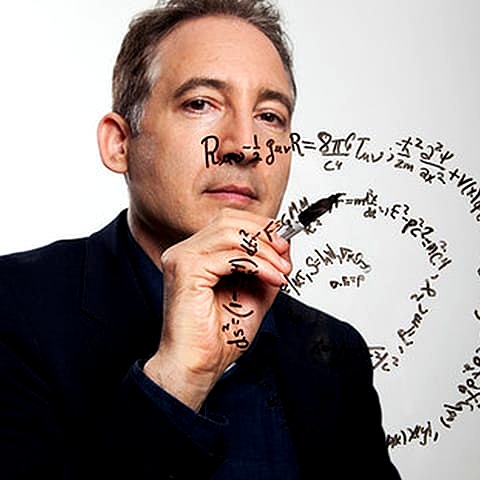
Brian Greene's Book Recommendations
Brian Greene is an American theoretical physicist and author, best known for his work on string theory and popularizing science through his books and media appearances. Greene’s books, including The Elegant Universe and The Fabric of the Cosmos, have helped bring complex concepts in physics to a general audience. He is also the co-founder of the World Science Festival, which promotes public engagement with scientific topics. Greene’s research and ability to communicate scientific ideas have made him one of the most influential figures in theoretical physics. His work continues to inspire curiosity about the universe and our understanding of it.
“Mathematics is not about numbers, equations, or algorithms: it is about understanding.”
Calculus on Manifolds
By Michael Spivak
Frequently Asked Questions
Explore Our Catalogue
Discover a world of knowledge through our extensive collection of book summaries.
Genres
Genres
Genres
Featured Collections
- Top Book Club Picks
- One-Stop Nutrition
- Summer Reads 2024
- Best Beach Reads 2024
- Work-Life Balance Guide
- Time Management
- Healthy Foods
- Entrepreneur Toolkit
- Mind & Body Wellness
- Future Tech Insights
- Leadership Essentials
- Financial Freedom
- Sci-Fi Masterpieces
- Parenting 101
- Books That Became Blockbusters
- Guide to a Healthy Pregnancy