Crime and Punishment Book Summary
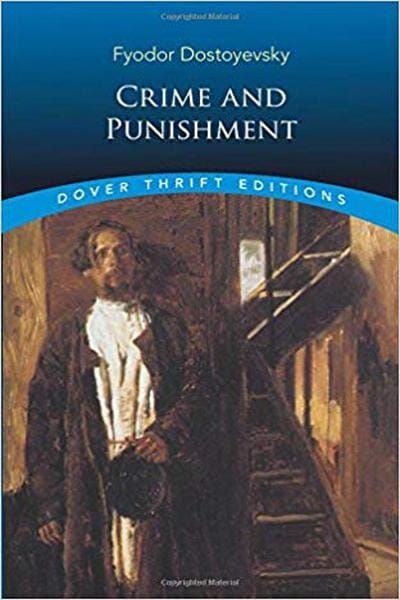
In 'Crime and Punishment', a troubled student named Raskolnikov commits a heinous crime, believing he is above the moral law. As he navigates the turmoil of guilt and paranoia, he encounters a cast of characters who challenge his philosophical justifications. The novel delves into themes of redemption, conscience, and the human psyche. Dostoyevsky's gripping narrative poses profound questions about morality and justice. Will Raskolnikov find peace, or will the weight of his crime consume him?
By Fyodor Dostoyevsky, Constance Garnett
Published: 2001
""The man who has a conscience suffers whilst acknowledging his sin. That is his punishment.""

Start Listening to Book Summary
Book Review of Crime and Punishment
In a timeless story of justice, morality, and redemption, an impoverished Russian student murders a miserly landlady, a crime that has severe repercussions on his life and his family as he battles his conscience.
Book Overview of Crime and Punishment
About the Book Authors
Fyodor Dostoyevsky
Fyodor Dostoyevsky (1821-1881) was a renowned Russian novelist, philosopher, and essayist, celebrated for his exploration of the human psyche and moral dilemmas. His notable works include "Crime and Punishment," "The Brothers Karamazov," "The Idiot," and "Notes from Underground." Dostoyevsky's writing style is characterized by its depth, psychological insight, and existential themes, often delving into the complexities of human emotions, the struggles between faith and doubt, and the nature of free will. His contributions to literature have left a profound impact, making him a pivotal figure in the development of modern literature and thought.
Constance Garnett
Constance Garnett (1861-1946) was a celebrated British translator of Russian literature, best known for her pioneering translations of the works of major authors such as Leo Tolstoy, Fyodor Dostoevsky, and Anton Chekhov. Her translations played a pivotal role in introducing Russian literary masterpieces to the English-speaking world. Garnett's writing style is characterized by its clarity, fidelity to the original texts, and ability to convey the emotional depth and philosophical nuances of the source material. Notable works include 'The Brothers Karamazov,' 'Anna Karenina,' and numerous short stories by Chekhov. Garnett's contributions have significantly shaped the appreciation and understanding of Russian literature in the English language.
Book Details
Key information about the book.
- Authors
- Fyodor Dostoyevsky, Constance Garnett
- Published
- January 2001
- Publisher
- Courier Corporation
- ISBN
- 0486415872
- Language
- English
- Pages
- 449
- Genres
- Philosophy of MindClassicsLiterature
Purchase Options
 Buy on Amazon
 Buy via BookShop
Support local bookstores: BookShop gives a portion of each sale to independent bookshops!
Similar books you might like →

Anna Karenina Book Summary
In 'Anna Karenina', Leo Tolstoy crafts a sweeping tale of love, betrayal, and the quest for happiness amidst the constraints of society. The story revolves around Anna, a beautiful married woman, who embarks on a passionate affair with the charmingCount Vronsky, challenging societal norms and her own moral compass. As their relationship unfolds, it sets off a chain reaction affecting everyone around them, illustrating the complexities of human relationships. Interwoven with Anna's plight are the lives of others, including the idealistic Levin, who struggles with his own search for meaning. This timeless classic explores the intersections of personal desires and social expectations, leaving readers questioning the true cost of love.
Madame Bovary Book Summary
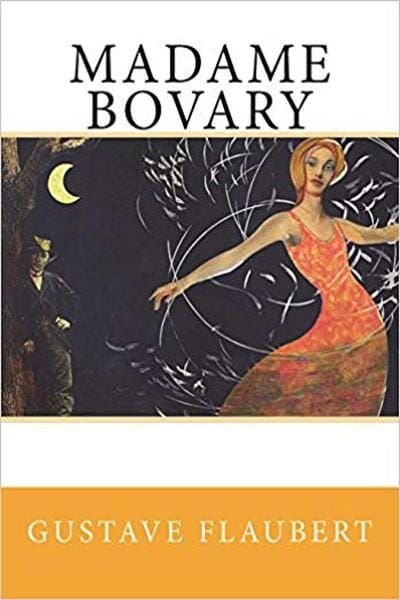
In 'Madame Bovary,' Gustave Flaubert tells the poignant story of Emma Bovary, a woman trapped in the mundane reality of provincial life. Yearning for romance and excitement, she becomes embroiled in a series of ill-fated affairs that lead to tragedy. With each fleeting passion, Emma's disillusionment deepens, revealing the stark contrast between her dreams and reality. Flaubert's masterful prose captures the essence of desire, desperation, and the pursuit of happiness. Will Emma ever find the fulfillment she seeks, or is she destined for despair?
Swimming Across Book Summary
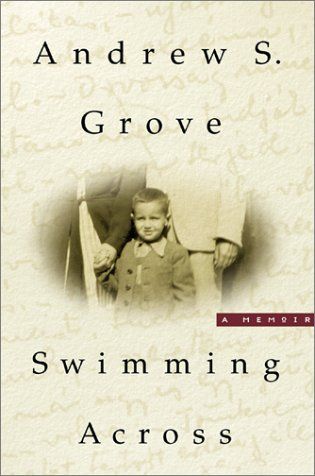
In 'Swimming Across', Andrew S. Grove recounts his remarkable journey from a war-torn childhood in Hungary to becoming the CEO of Intel. Grove uses the metaphor of swimming to explore the currents of adversity, innovation, and the relentless pursuit of progress. His story is a gripping testament to resilience, as he navigates life's unpredictable waves and transforms challenges into opportunities. As he shares his insights on leadership and technology, readers are invited to ponder the transformative power of determination. This evocative memoir not only chronicles a personal odyssey but also inspires a deeper understanding of how we can all master the waters of change.
Return to the Little Kingdom Book Summary
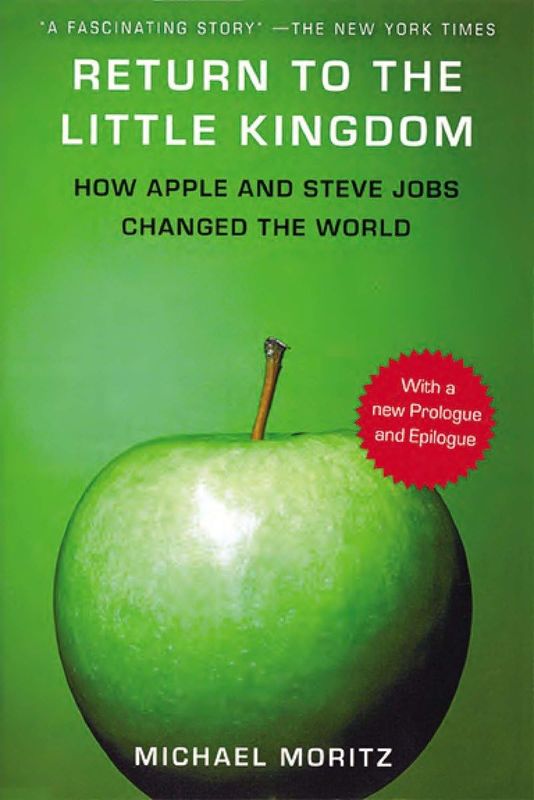
'Return to the Little Kingdom' by Michael Moritz takes readers on an enthralling journey back to the origins of Apple Inc., revealing the bold visionaries who revolutionized technology. This captivating narrative chronicles Steve Jobs and Steve Wozniak's audacious endeavors in a garage, where innovation sparked the creation of groundbreaking products. With behind-the-scenes insights, the book explores the dynamics of creativity, risk, and ambition that propelled a small team to global fame. Moritz's detailed storytelling unveils the highs and lows of a company that changed the world, leaving readers eager to discover the secrets behind Apple's legendary success. Prepare to be inspired by the untold stories of determination that shaped the future of technology.
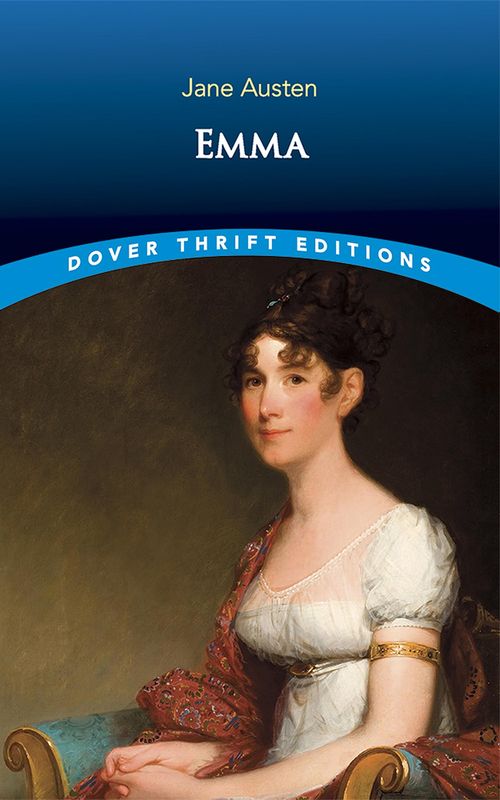
Emma Book Summary
In Jane Austen's 'Emma,' we meet the charming and confident Emma Woodhouse, a young woman who fancies herself a matchmaker. Yet, as she meddles in the romantic lives of her friends, her well-meaning schemes lead to unexpected complications and misunderstandings. Through wit and social commentary, Austen unveils the folly of Emma's arrogance and the complexities of love. Will Emma learn from her mistakes before it's too late? Step into a world of humor, intrigue, and the quest for self-awareness in this timeless classic.

For Whom the Bell Tolls Book Summary
In the midst of the Spanish Civil War, Robert Jordan, an American dynamiter, is tasked with blowing up a bridge to aid the Republican cause. As he grapples with his mission, he encounters a cast of vibrant characters, including the fiery Maria, who awakens his desire for love and life amid chaos. The harsh realities of war force him to confront his beliefs about duty, sacrifice, and the interconnectedness of humanity. With poetic prose, Hemingway explores themes of honor, mortality, and the impact of individual actions in the grand theater of conflict. A gripping tale that questions the price of loyalty and the sound of tolling bells, which echo the fate of mankind.
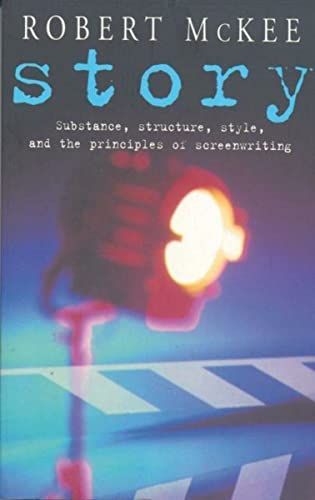
Story Book Summary
In 'Story', Robert McKee unveils the art of storytelling, revealing the intricate mechanics that underlie great narratives. He argues that a powerful story is not merely about plot twists but about the emotional journey of its characters. With a blend of practical advice and insightful analysis, McKee explores how to captivate audiences through compelling story arcs and themes. Writers from all backgrounds will find inspiration and guidance in his principles, whether they are crafting novels, screenplays, or speeches. Dive into McKee's world and discover what transforms a simple tale into a timeless classic.
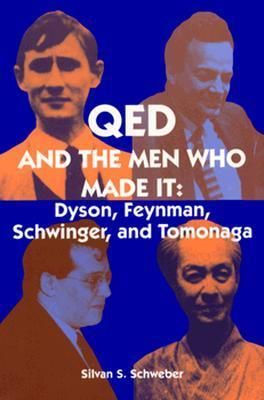
QED and the Men who Made it Book Summary
In 'QED and the Men who Made it', Silvan S. Schweber delves into the intricate world of Quantum Electrodynamics (QED), revealing the visionary scientists behind its development. Through vivid storytelling, Schweber intertwines personal anecdotes with historical milestones, bringing to life the passionate debates and groundbreaking discoveries that reshaped modern physics. The book highlights not only the scientific breakthroughs but also the human drama and intellectual struggles that accompanied them. As Schweber unpacks the mathematical elegance of QED, readers are invited to ponder the mysteries of the universe and the quest for understanding. This captivating narrative is sure to leave you questioning the very fabric of reality.
Showing 8 of 28 similar books
Take your reading experience to the next level
Download our mobile app to enjoy your favorite books on the go. Get access to exclusive features, offline listening, and personalized recommendations.

Similar Book Recommendations →

Naval Ravikant's Book Recommendations
Naval Ravikant is an entrepreneur, angel investor, and philosopher, best known as the co-founder of AngelList, a platform that connects startups with investors. Ravikant is a prolific thinker and writer on topics such as startups, investing, and personal well-being, sharing his wisdom through essays, podcasts, and social media. He has invested in over 100 companies, including Uber, Twitter, and Yammer, making him one of Silicon Valley’s most successful angel investors. Ravikant is also known for his philosophical musings on wealth, happiness, and the meaning of life, which have garnered him a large and dedicated following.

Gaby Goldberg's Book Recommendations
Gaby Goldberg is an investor and Web3 advocate, focusing on the intersection of consumer technology, culture, and decentralized finance (DeFi). She works with TCG (The Chernin Group), where she invests in companies that are shaping the future of digital platforms and social communities. Goldberg is passionate about how blockchain technology can empower creators and foster new forms of ownership and collaboration. She is also a vocal advocate for women in tech and frequently shares insights on the future of the internet and decentralized systems. Her work positions her as a key figure in the growing Web3 and crypto ecosystems.

Barack Obama's Book Recommendations
Barack Obama is the 44th President of the United States, serving from 2009 to 2017. As the first African American president, Obama’s leadership marked a historic moment in American history. His administration focused on healthcare reform, economic recovery from the Great Recession, and environmental policies. He is best known for the Affordable Care Act, as well as his efforts to expand civil rights and restore diplomatic relations with Cuba. Since leaving office, Obama has continued to engage in public life through his foundation, focusing on leadership development, civic engagement, and global issues.
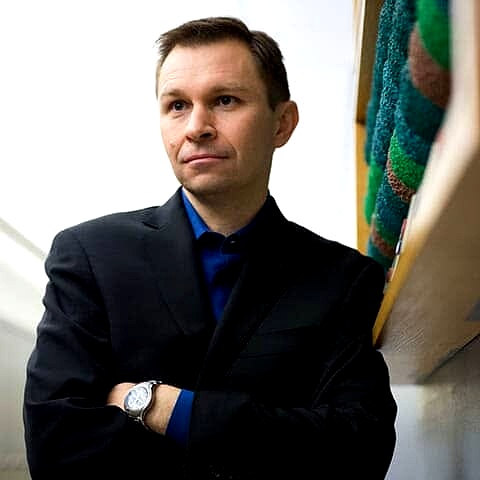
David Sinclair's Book Recommendations
David Sinclair is an Australian biologist and professor at Harvard Medical School, known for his pioneering research in the field of aging and longevity. Sinclair's work focuses on understanding the biological mechanisms that drive aging and developing interventions to slow or reverse the process. His bestselling book Lifespan: Why We Age – and Why We Don’t Have To explores the latest advancements in anti-aging science and offers insights into how humans might extend their healthspan. Sinclair's research has led to breakthroughs in areas such as sirtuins, NAD+ metabolism, and cellular reprogramming. He is also the co-founder of several biotech companies, including Sirtris Pharmaceuticals and Life Biosciences, dedicated to translating aging research into practical treatments. Sinclair is a vocal advocate for taking a proactive approach to aging, promoting lifestyle changes and emerging therapies to delay age-related diseases. His work has made him a leading figure in the longevity movement, influencing both scientific and public discourse on the future of health.

Esther Perel's Book Recommendations
Esther Perel is a renowned Belgian psychotherapist and author, celebrated for her groundbreaking work in the field of relationships and sexuality. She is best known for her best-selling books "Mating in Captivity: Unlocking Erotic Intelligence" and "The State of Affairs: Rethinking Infidelity," which explore the complexities of modern love and desire. Perel's insightful TED Talks have garnered millions of views, further establishing her as a leading voice on intimacy and human connection. She also hosts the popular podcast "Where Should We Begin?" where she provides a candid look into the intricacies of couples therapy. Perel's innovative perspectives have significantly influenced contemporary discussions on relationships, making her a pivotal figure in both psychology and literature.
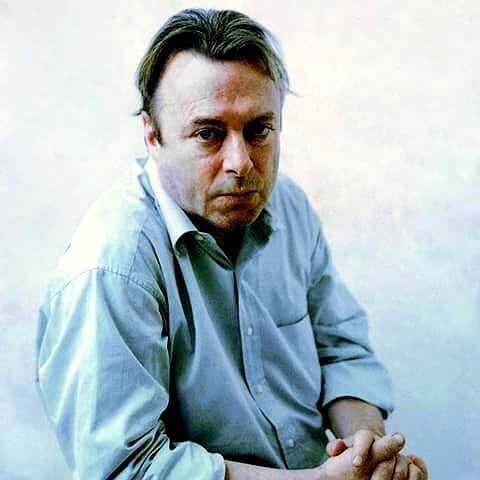
Christopher Hitchens's Book Recommendations
Christopher Hitchens (1949-2011) was a prolific British-American author, journalist, and literary critic known for his sharp wit and unapologetic criticism of religion and political figures. He penned numerous books, including the best-selling "God Is Not Great: How Religion Poisons Everything," which cemented his reputation as a leading public intellectual and outspoken atheist. Hitchens contributed regularly to prominent publications such as Vanity Fair, The Nation, and The Atlantic, showcasing his wide-ranging knowledge and incisive commentary. He was also lauded for his powerful oratory skills, engaging in countless debates and lectures worldwide. His memoir, "Hitch-22," offers an introspective look into his life, further solidifying his legacy as a formidable voice in contemporary literature and thought.
“"The man who has a conscience suffers whilst acknowledging his sin. That is his punishment."”
Crime and Punishment
By Fyodor Dostoyevsky, Constance Garnett
Frequently Asked Questions
Explore Our Catalogue
Discover a world of knowledge through our extensive collection of book summaries.
Genres
Genres
Genres
Featured Collections
- Top Book Club Picks
- One-Stop Nutrition
- Summer Reads 2024
- Best Beach Reads 2024
- Work-Life Balance Guide
- Time Management
- Healthy Foods
- Entrepreneur Toolkit
- Mind & Body Wellness
- Future Tech Insights
- Leadership Essentials
- Financial Freedom
- Sci-Fi Masterpieces
- Parenting 101
- Books That Became Blockbusters
- Guide to a Healthy Pregnancy