Discourses on Livy Book Summary
By Niccolò Machiavelli
Published: 1996
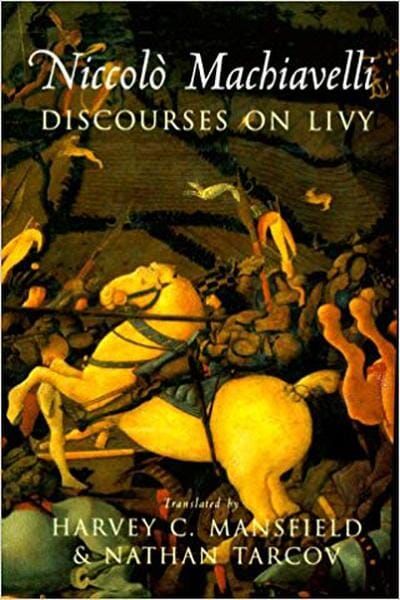

Start Listening to Book Summary
Book Review of Discourses on Livy
This book reveals Machiavelli's radical vision of a new science of politics, a vision of "new modes and orders" that continue to shape the modern ethos. It is considered the founding document of modern republicanism. Faithful to the original Italian text, this translation includes a substantial introduction, extensive explanatory notes, a glossary of key words, and an annotated index.
Book Overview of Discourses on Livy
About the Book Author
Niccolò Machiavelli
Niccolò Machiavelli (1469-1527) was an Italian diplomat, philosopher, and writer, widely recognized as one of the founders of modern political science. He is best known for his seminal work 'The Prince', which offers pragmatic advice on political leadership and the use of power. His writings are characterized by a candid and sometimes controversial examination of human nature and the complexities of political authority. Other notable works include 'Discourses on Livy' and 'The Art of War'. Machiavelli's emphasis on realpolitik and his departure from medieval moralism marked a significant shift in political thought, influencing countless leaders and thinkers in the centuries that followed.
Book Details
Key information about the book.
- Authors
- Niccolò Machiavelli
- Published
- July 1996
- Publisher
- N/A
- ISBN
- N/A
- Language
- English
- Pages
- 432
- Genres
- Historical ConflictsPhilosophyHistoryPolitical Philosophy
Purchase Options
 Buy on Amazon
 Buy via BookShop
Support local bookstores: BookShop gives a portion of each sale to independent bookshops!
Similar books you might like →
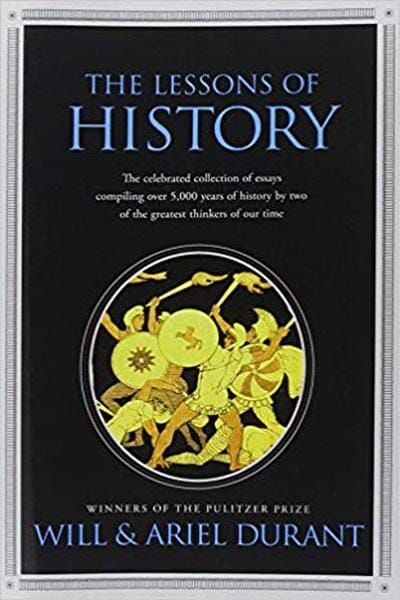
The Lessons of History Book Summary
In "The Lessons of History," Will and Ariel Durant distill the sweeping narrative of human civilization into profound insights that span cultures and epochs. They explore the recurring themes of war, economics, religion, and human nature that shape our collective journey. With razor-sharp clarity, the Durants argue that the past holds invaluable lessons that can guide our present and future decisions. What patterns emerge when we closely examine the ebb and flow of societies? This thought-provoking work invites readers to reflect on the intricacies of humanity's story and consider how we might navigate the path ahead.
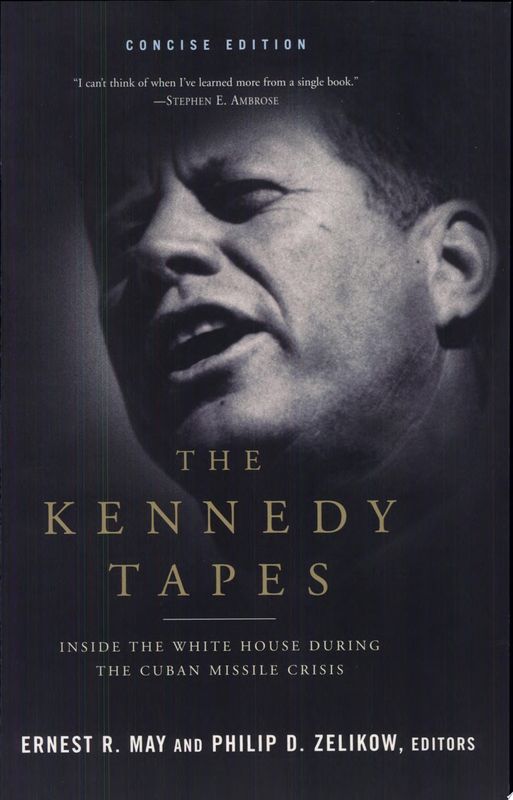
Kennedy Tapes Concise Edition Book Summary
Dive into the secretive world of power with 'Kennedy Tapes Concise Edition.' This intriguing collection slices through the layers of history to reveal intimate conversations that shaped pivotal moments in the Kennedy presidency. Discover the raw emotions and strategic deliberations behind the Cuban Missile Crisis, civil rights, and the space race. Each tape serves as a portal into the mind of a leader grappling with immense challenges and moral dilemmas. What revelations lie within these conversations, and how do they redefine our understanding of this iconic era?

Collateral Damage Book Summary
In 'Collateral Damage,' Cynthia Peters explores a gripping tale of survival and resilience in the face of unforeseen disaster. The protagonist, a skilled crisis negotiator, finds herself entangled in a high-stakes situation when a routine mission escalates into chaos. As secrets unravel and alliances shift, she must confront her own past while navigating a web of deception and danger. With unwavering determination, she fights not only for her life but also for the future of those she loves. This gripping narrative blurs the lines between heroism and vulnerability, leaving readers questioning the true cost of survival.
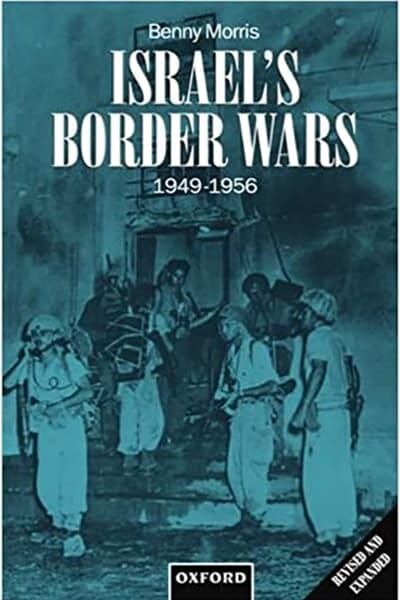
Israel's Border Wars, 1949-1956 Book Summary
In 'Israel's Border Wars, 1949-1956', Benny Morris delves deep into the tumultuous early years of Israel's history, exploring the complex and often turbulent border conflicts that shaped the nation. Through meticulous research and compelling narratives, he uncovers the often-overlooked struggles between Israeli forces and neighboring Arab states. Morris reveals the motivations and narratives that fueled these conflicts, providing a nuanced understanding of the regional tensions that persist today. His insights challenge conventional perspectives and raise provocative questions about identity, sovereignty, and the lasting impact of war. A must-read for anyone seeking to grasp the intricacies of Israeli-Palestinian relations and the broader Middle Eastern landscape.
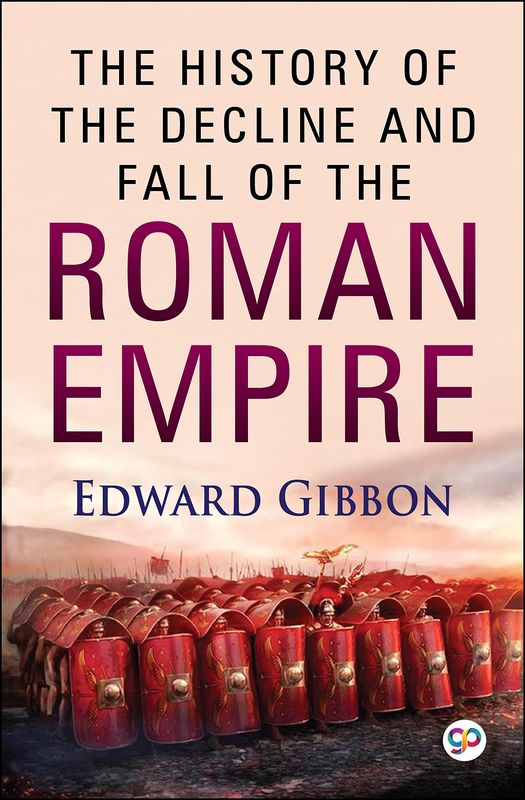
The History of the Decline & Fall of the Roman Empire Book Summary
In 'The History of the Decline & Fall of the Roman Empire,' Edward Gibbon meticulously chronicles the mighty empire's descent into chaos and obscurity. With eloquent prose, Gibbon unveils the interplay of political intrigue, moral decay, and military defeats that eroded Rome's power. His analysis does not merely recount events but delves into the philosophical implications of decline and the lessons for future societies. As empires rise and fall, engage with the timeless questions Gibbon poses about civilization itself. Dive into this monumental work to understand how history shapes our present and future.
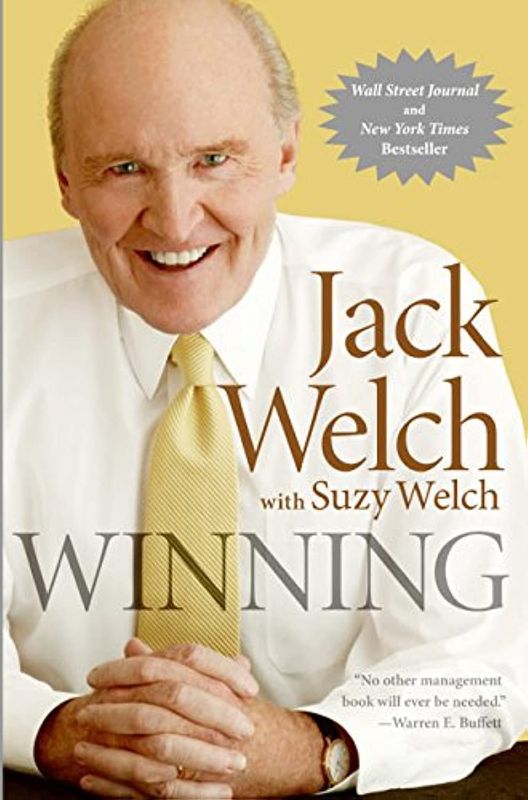
Winning Book Summary
In 'Winning', Jack and Suzy Welch share their invaluable insights into the world of business leadership and management. This engaging guide unveils the principles that led Jack to transform General Electric into a corporate giant. Readers will discover the importance of candor, performance, and passion in achieving success. Personal anecdotes and practical advice offer a compelling look into the mind of one of the most renowned CEOs. Whether you're an aspiring leader or a seasoned executive, Welch's candid approach will inspire you to rethink your strategies for winning in the competitive business landscape.
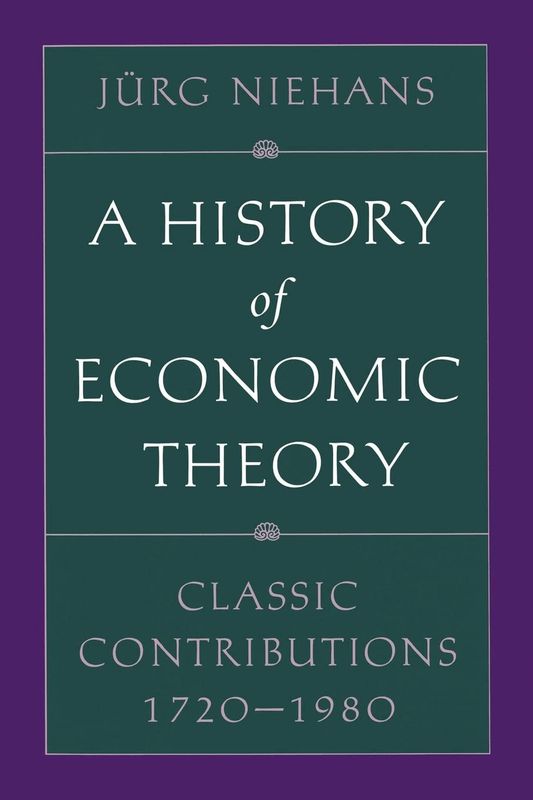
A History of Economic Theory Book Summary
In 'A History of Economic Theory', Jürg Niehans takes readers on a captivating journey through the evolution of economic thought. From ancient philosophies to contemporary paradigms, the book unravels how ideas have shaped economic practices across cultures and eras. With each chapter, Niehans reveals the intellectual battles and breakthroughs that have defined the discipline. Rich in historical context, this work challenges readers to consider the relevance of past theories in today's economy. Dive into this scholarly adventure and discover how the past continually influences our understanding of wealth and value.
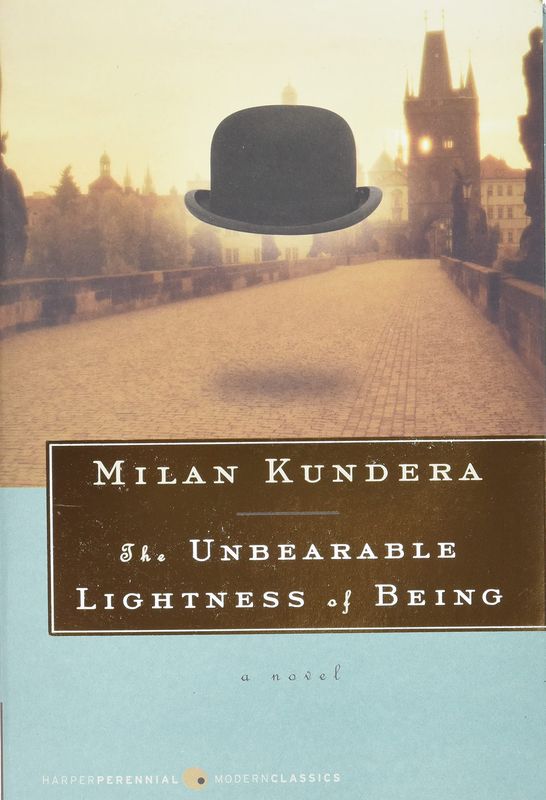
The Unbearable Lightness of Being Book Summary
In 'The Unbearable Lightness of Being,' Milan Kundera explores the intertwining lives of four characters in 1960s Czechoslovakia, grappling with love, freedom, and the search for meaning. The philosophical narrative delves into the concept of lightness versus weight in human existence, challenging readers to ponder the significance of their choices. As the characters navigate their relationships fraught with passion and betrayal, they reflect on the implications of living without consequence. With a rich blend of intimacy and introspection, Kundera invites readers to question whether life is defined by its fleeting moments or the burdens we carry. This haunting tale poses an enduring inquiry: can we embrace liberation while confronting the realities of our existence?
Showing 8 of 29 similar books
Take your reading experience to the next level
Download our mobile app to enjoy your favorite books on the go. Get access to exclusive features, offline listening, and personalized recommendations.

Similar Book Recommendations →

Paul Graham's Book Recommendations
Paul Graham is a prominent programmer, venture capitalist, and essayist known for his influential work in the tech startup ecosystem. He co-founded Viaweb, one of the first web-based applications, which was later acquired by Yahoo! and became Yahoo! Store. As a co-founder of Y Combinator, Graham has been instrumental in funding and mentoring numerous successful startups, including Dropbox, Airbnb, and Reddit. His essays, collected in books such as "Hackers & Painters," offer profound insights into technology, entrepreneurship, and philosophy, making significant contributions to modern literature on these subjects. Graham's blend of technical expertise and thought leadership has made him a pivotal figure in both the tech and literary communities.

Michael Pollan's Book Recommendations
Michael Pollan is a renowned American author and journalist, celebrated for his insightful explorations of food, agriculture, and human culture. His groundbreaking book, "The Omnivore's Dilemma," published in 2006, critically examines the complexities of the modern food industry and has become a seminal work in food studies. Pollan's engaging narrative style and thorough research have earned him a place on The New York Times Best Seller list multiple times. In addition to his literary contributions, he is also a professor of journalism at the University of California, Berkeley. Pollan's work continues to influence public discourse on sustainable eating and the ethical implications of food choices.

Joe Rogan's Book Recommendations
Joe Rogan is a multifaceted American entertainer known primarily for his work as a comedian, podcast host, and commentator. He gained widespread recognition through his immensely popular podcast, "The Joe Rogan Experience," which has featured in-depth conversations with a diverse array of guests, including scientists, celebrities, and politicians. Though not primarily known for literature, Rogan has contributed to the field with his thought-provoking discussions that often explore philosophical and intellectual ideas. Additionally, he has authored the book "Mastering the Rubber Guard," which delves into Brazilian Jiu-Jitsu techniques, showcasing his expertise in martial arts. Rogan's influence extends beyond traditional media, impacting contemporary discourse through his unique blend of humor, curiosity, and critical thinking.

Ezra Klein's Book Recommendations
Ezra Klein is a prominent American journalist, political analyst, and author, renowned for his incisive commentary on politics and policy. He co-founded Vox, a widely respected news website known for its explanatory journalism, and served as its editor-in-chief. Klein's work includes the critically acclaimed book "Why We're Polarized," which delves into the deep-seated divisions in American politics. He also hosts "The Ezra Klein Show," a popular podcast where he interviews thought leaders from various fields. Klein's contributions have significantly shaped contemporary political discourse and media consumption.

Barack Obama's Book Recommendations
Barack Obama is the 44th President of the United States, serving from 2009 to 2017. As the first African American president, Obama’s leadership marked a historic moment in American history. His administration focused on healthcare reform, economic recovery from the Great Recession, and environmental policies. He is best known for the Affordable Care Act, as well as his efforts to expand civil rights and restore diplomatic relations with Cuba. Since leaving office, Obama has continued to engage in public life through his foundation, focusing on leadership development, civic engagement, and global issues.

Jocko Willink's Book Recommendations
Jocko Willink is a retired Navy SEAL officer, renowned for his leadership during the Battle of Ramadi in the Iraq War, which earned him the Silver Star and Bronze Star. Transitioning from military service, he co-authored the best-selling book "Extreme Ownership: How U.S. Navy SEALs Lead and Win" with fellow SEAL Leif Babin, which has become a cornerstone in leadership and management literature. Willink has also written the "Way of the Warrior Kid" series, aimed at empowering young readers with principles of discipline and resilience. Additionally, he hosts the popular "Jocko Podcast," where he discusses leadership, discipline, and personal development. Willink's influence extends beyond literature through his Echelon Front leadership consultancy, helping organizations implement effective leadership strategies.
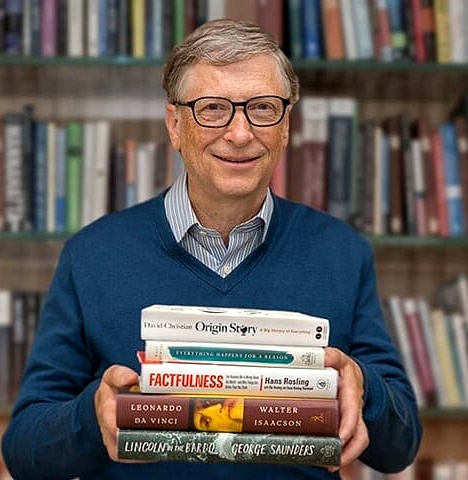
Bill Gates's Book Recommendations
Bill Gates, co-founder of Microsoft Corporation, is a pioneering figure in the tech industry, having played a key role in the personal computer revolution. His work at Microsoft, particularly the development of Windows, transformed software and computing globally. Beyond his technology contributions, Gates is also a prolific author, with notable works such as "The Road Ahead" and "Business @ the Speed of Thought," which offer insights into the future of technology and business. Additionally, his philanthropic efforts through the Bill & Melinda Gates Foundation have had a profound impact on global health, education, and poverty. Gates continues to influence both technology and literature with his forward-thinking perspectives and innovative ideas.

Peter Thiel's Book Recommendations
Peter Thiel is a renowned entrepreneur, venture capitalist, and author best known for co-founding PayPal and Palantir Technologies. He played a pivotal role in the early growth of Facebook as its first outside investor. Thiel's literary contributions include his influential book "Zero to One: Notes on Startups, or How to Build the Future," which offers insights into innovation, entrepreneurship, and the future of technology. A prominent figure in Silicon Valley, he has significantly impacted the tech industry's landscape through his investments and thought leadership. Thiel's work continues to inspire entrepreneurs and innovators around the world.
Showing 8 of 14 related collections
Frequently Asked Questions
Explore Our Catalogue
Discover a world of knowledge through our extensive collection of book summaries.
Genres
Genres
Genres
Featured Collections
- Top Book Club Picks
- One-Stop Nutrition
- Summer Reads 2024
- Best Beach Reads 2024
- Work-Life Balance Guide
- Time Management
- Healthy Foods
- Entrepreneur Toolkit
- Mind & Body Wellness
- Future Tech Insights
- Leadership Essentials
- Financial Freedom
- Sci-Fi Masterpieces
- Parenting 101
- Books That Became Blockbusters
- Guide to a Healthy Pregnancy