Hot, Flat, and Crowded 2.0 Book Summary
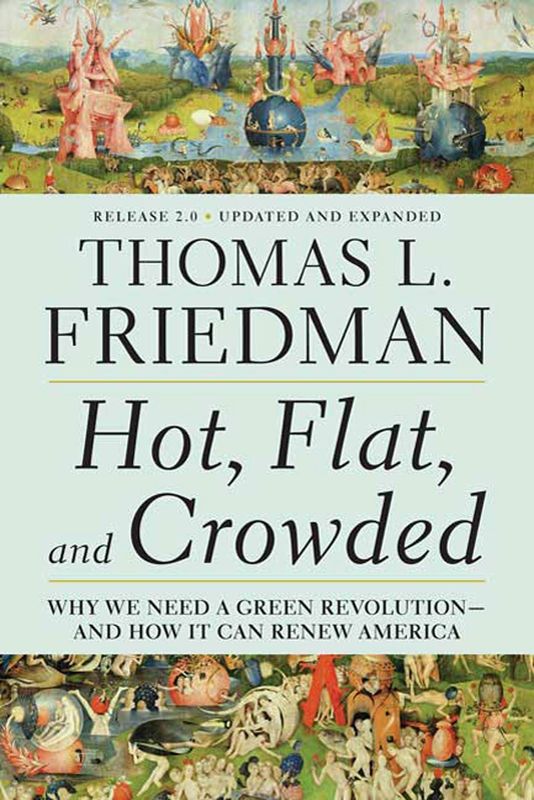
In 'Hot, Flat, and Crowded 2.0', Thomas L. Friedman tackles the urgent challenges of climate change, globalization, and population growth in a rapidly evolving world. He compellingly argues that our survival hinges on transitioning to a green energy economy, sparking innovation while addressing environmental degradation. The book weaves together riveting anecdotes, current events, and strategic insights, inviting readers to rethink their role in the planet's future. With an optimistic yet pragmatic outlook, Friedman challenges us to embrace the necessary changes for a sustainable world. Can humanity rise to meet these critical challenges, or are we destined to fall behind?
By Thomas L. Friedman
Published: 2009
""In a world that is increasingly hot, flat, and crowded, our future depends on our ability to innovate and collaborate to create sustainable solutions for our planet and our people.""

Start Listening to Book Summary
Book Review of Hot, Flat, and Crowded 2.0
A New York Times Book Review Notable Book of the Year A Washington Post Best Book of the Year A Businessweek Best Business Book of the Year A Chicago Tribune Best Book of the Year In this brilliant, essential book, Pulitzer Prize-winning author Thomas L. Friedman speaks to America's urgent need for national renewal and explains how a green revolution can bring about both a sustainable environment and a sustainable America. Friedman explains how global warming, rapidly growing populations, and the expansion of the world's middle class through globalization have produced a dangerously unstable planet--one that is "hot, flat, and crowded." In this Release 2.0 edition, he also shows how the very habits that led us to ravage the natural world led to the meltdown of the financial markets and the Great Recession. The challenge of a sustainable way of life presents the United States with an opportunity not only to rebuild its economy, but to lead the world in radically innovating toward cleaner energy. And it could inspire Americans to something we haven't seen in a long time--nation-building in America--by summoning the intelligence, creativity, and concern for the common good that are our greatest national resources. Hot, Flat, and Crowded 2.0 is classic Thomas L. Friedman: fearless, incisive, forward-looking, and rich in surprising common sense about the challenge--and the promise--of the future.
Book Overview of Hot, Flat, and Crowded 2.0
About the Book Author
Thomas L. Friedman
Thomas L. Friedman is a Pulitzer Prize-winning author and journalist, renowned for his insightful analysis of global issues, particularly in economics, international relations, and environmental challenges. He is the author of several influential books, including 'The World is Flat', 'Hot, Flat, and Crowded', and 'Thank You for Being Late', which explore the complexities of globalization, climate change, and the technological landscape. Friedman's writing style combines thorough research with engaging storytelling, making complex topics accessible to a broad audience. His work often emphasizes the interconnectedness of our world and the critical choices humanity faces in an increasingly globalized society.
Book Details
Key information about the book.
- Authors
- Thomas L. Friedman
- Published
- November 2009
- Publisher
- Picador
- ISBN
- 0312428928
- Language
- English
- Pages
- N/A
- Genres
- Climate ChangeHealth and WellnessPolitics and Current AffairsEnvironmental Politics
Purchase Options
 Buy on Amazon
 Buy via BookShop
Support local bookstores: BookShop gives a portion of each sale to independent bookshops!
Similar books you might like →
Merchants of Doubt Book Summary
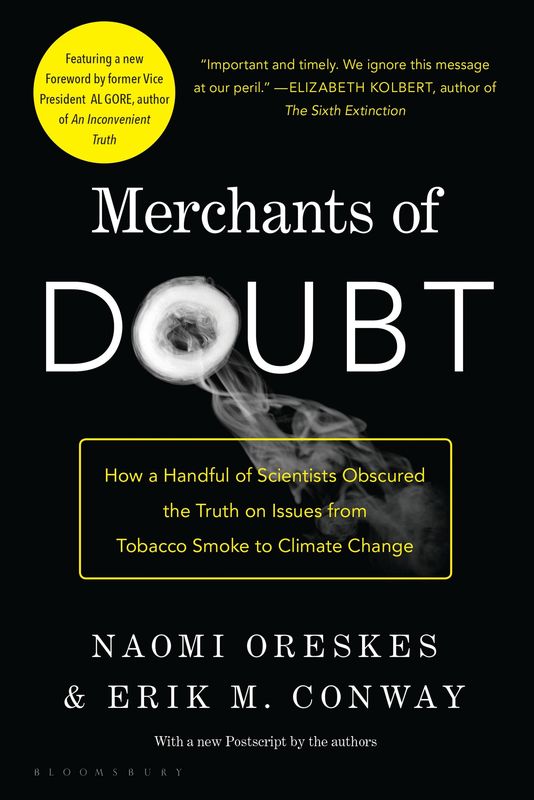
In 'Merchants of Doubt', Naomi Oreskes and Erik M. Conway unravel a web of deception spun by influential scientists who distorted the truth about various scientific issues, from tobacco smoke to climate change. This compelling narrative reveals how these figures leveraged their credibility to cast doubt on overwhelming evidence, hindering public understanding and policy action. The authors delve into the psychological and historical factors that enabled this manipulation of science for personal and political gain. With meticulous research and captivating storytelling, they confront the consequences of skepticism misused. Uncover the hidden battle between truth and doubt in a world where information is often weaponized.
Natural Capitalism Book Summary
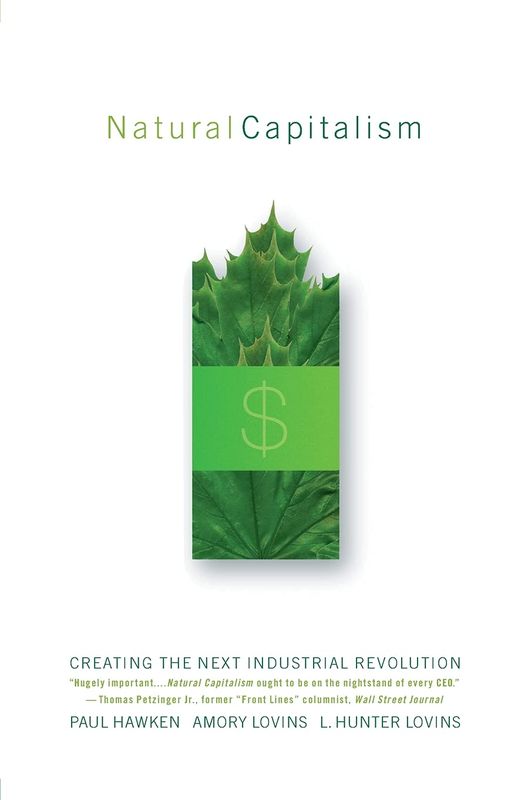
In 'Natural Capitalism', Lovins and Hawken challenge the conventional understanding of capitalism by integrating ecological sustainability with economic growth. They propose that businesses can thrive while restoring natural ecosystems, creating a harmonious balance between profit and the planet. Through compelling case studies, the authors illustrate how innovative companies are redefining value by investing in natural resources. This book not only presents a vision for a regenerative economy but also empowers readers with actionable strategies for change. Dive into a transformative approach that promises to reshape industries and inspire a movement towards sustainability.
From Chocolate to Morphine Book Summary
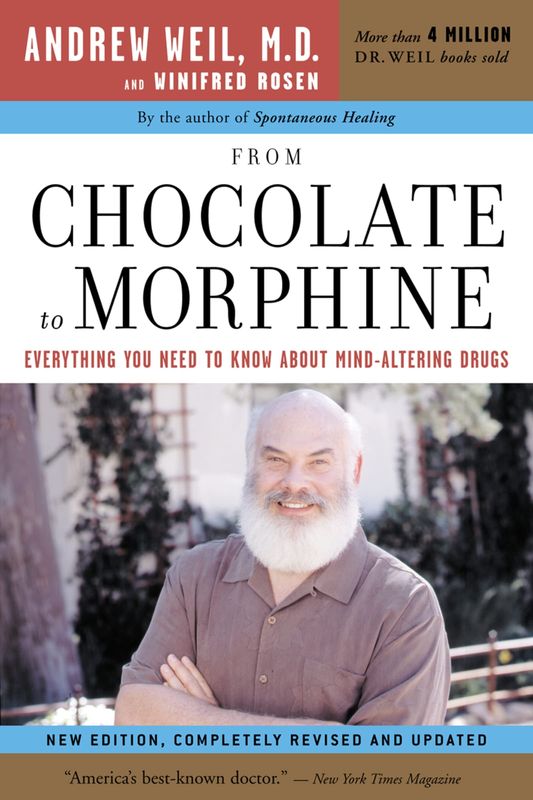
'From Chocolate to Morphine' takes readers on an intriguing journey through the world of psychoactive substances, examining their effects on the human body and mind. Authors Andrew Weil and Winifred Rosen delve into the history and cultural significance of various drugs, from the innocent pleasure of chocolate to the complex nature of morphine. This compelling exploration challenges conventional perceptions of addiction and therapeutic use, sparking curiosity about the fine line between pleasure and peril. The book not only illuminates the science behind these substances but also invites readers to reflect on their own experiences and beliefs surrounding them. A thought-provoking read for anyone interested in health, wellness, and the psychology of our choices.
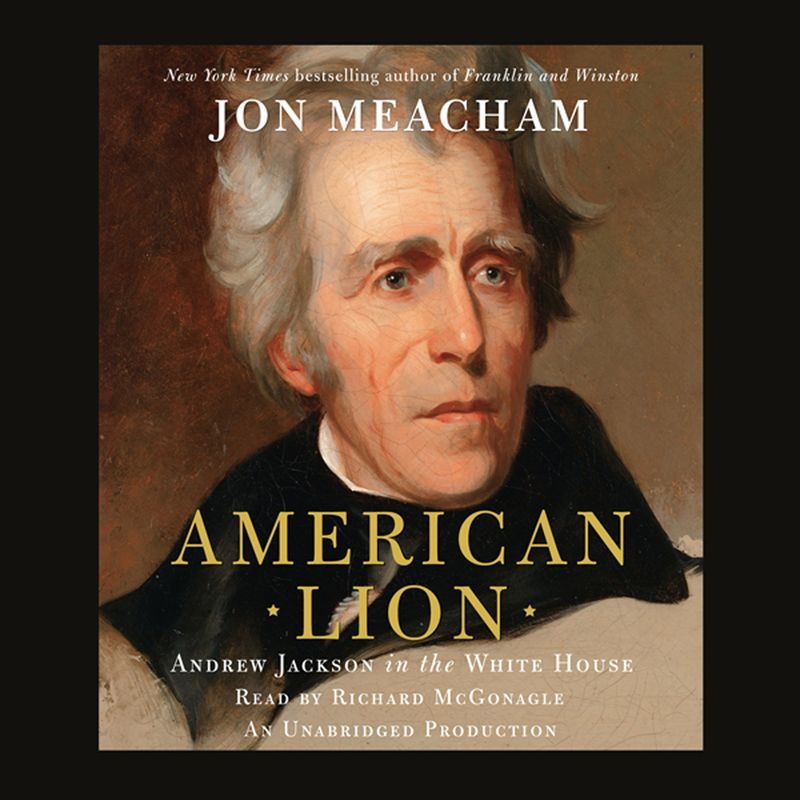
American Lion Book Summary
"American Lion" by Jon Meacham delves into the life of Andrew Jackson, one of America's most controversial presidents. Meacham paints a vivid portrait of Jackson's fierce leadership and tumultuous presidency during a pivotal era in U.S. history. The book explores Jackson's complex legacy, from his championing of democracy to his stark policies regarding Native Americans. Through rich storytelling and meticulous research, Meacham invites readers to grapple with the dualities of Jackson's character and the implications of his choices. Will you uncover the man behind the myth and understand how his presidency shaped the nation?
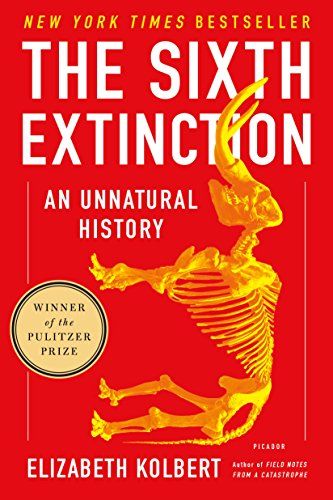
The Sixth Extinction Book Summary
In 'The Sixth Extinction,' Elizabeth Kolbert presents a compelling narrative about the ongoing mass extinction event caused by human activity. Through vivid storytelling and scientific research, she explores the alarming consequences of climate change, habitat loss, and the introduction of invasive species. Kolbert leads readers on a global journey, interacting with scientists and examining endangered species across various ecosystems. The book raises urgent questions about humanity's role in this ecological crisis and challenges us to reconsider our impact on the planet. Will we act in time to avert a future where biodiversity is all but lost?
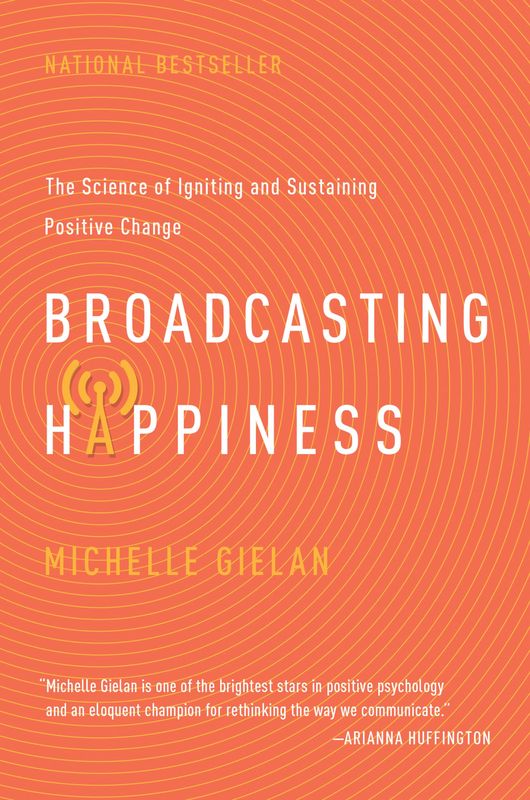
Broadcasting Happiness Book Summary
In 'Broadcasting Happiness,' Michelle Gielan reveals the transformative power of positivity in both personal and professional realms. Through compelling research and relatable anecdotes, she demonstrates how a positive mindset can elevate your life and those around you. Gielan introduces practical techniques to cultivate happiness, turning everyday interactions into uplifting moments. This book challenges the conventional narrative of negativity, encouraging readers to become 'broadcasters' of joy. Discover how you can influence your environment and foster a culture of happiness that sparks change!
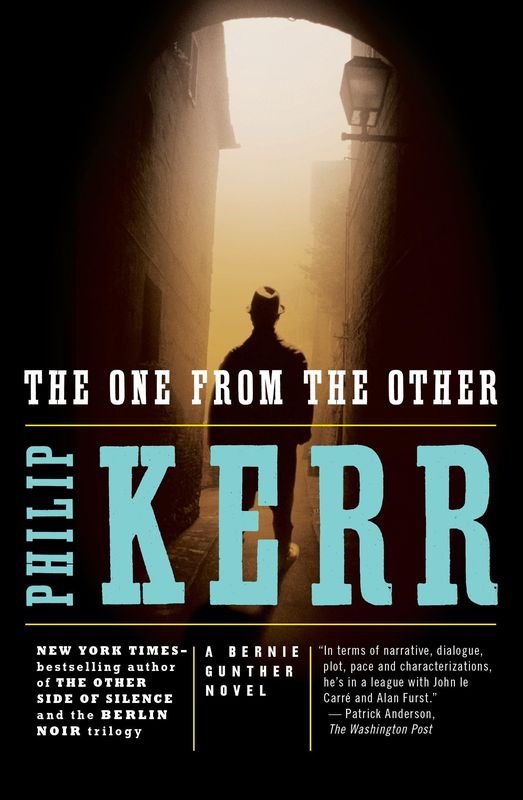
The One from the Other Book Summary
In post-World War II Berlin, the lines between good and evil blur as Bernie Gunther, a former detective turned private investigator, is drawn into a labyrinthine plot involving black market deals and a series of gruesome murders. As he navigates the city's ruins, Gunther encounters a kaleidoscope of characters whose loyalties are as murky as the political landscape. With each revelation, the stakes rise, and Gunther finds himself entangled in a dangerous game that challenges his very morality. Can he uncover the truth amidst deception and betrayal while confronting his own demons? 'The One from the Other' is a gripping tale that explores the darkness of humanity in a fractured world, leaving readers questioning where true justice lies.

Fahrenheit 451 Book Summary
In a dystopian future where books are banned and 'firemen' burn any that are found, protagonist Guy Montag grapples with his role in this oppressive society. As he encounters a free-spirited young woman who opens his eyes to a world of ideas, Montag begins to question the very fabric of his life. The thrill of rebellion ignites within him, urging him to seek truth and freedom. But in a world so committed to censorship and control, will he find the courage to follow his new beliefs? 'Fahrenheit 451' weaves a haunting tale of individualism versus conformity, sparking a fiery debate about the value of literature in our lives.
Showing 8 of 29 similar books
Take your reading experience to the next level
Download our mobile app to enjoy your favorite books on the go. Get access to exclusive features, offline listening, and personalized recommendations.

Similar Book Recommendations →

Jordan Hughes's Book Recommendations
Jordan Hughes is a celebrated author known for their compelling narratives and richly developed characters. Their debut novel, "Echoes of Tomorrow," won the prestigious Man Booker Prize, marking a significant milestone in contemporary fiction. Hughes's work often explores themes of identity, resilience, and the human condition, earning them critical acclaim and a dedicated readership. In addition to their novels, Hughes has contributed thought-provoking essays to major literary journals, further solidifying their influence in the literary world. Their innovative storytelling continues to inspire and captivate audiences worldwide.

John Doerr's Book Recommendations
John Doerr is an American venture capitalist and chairman of Kleiner Perkins, one of the most prominent venture capital firms in Silicon Valley. Doerr has backed some of the biggest names in tech, including Google, Amazon, and Netscape, and has played a crucial role in the rise of the internet economy. He is also the author of Measure What Matters, which popularized the concept of Objectives and Key Results (OKRs) as a method for goal-setting in organizations. Doerr is a passionate advocate for addressing climate change and has invested in clean energy startups to help combat global warming. His contributions to tech and sustainability have made him a leading figure in venture capital.

Andrew Huberman's Book Recommendations
Andrew Huberman is a renowned neuroscientist and tenured professor at Stanford University, where he leads the Huberman Lab, focusing on brain function, behavior, and health. He has significantly contributed to the understanding of neural plasticity, particularly how the brain can change in response to experience and injury. Huberman is widely recognized for his engaging public science communication, which includes the popular "Huberman Lab" podcast that translates complex neuroscience topics into accessible insights for broad audiences. His research has been published in leading scientific journals, earning him numerous accolades and fostering a deeper public appreciation for neuroscience. Additionally, his work extends into practical applications, influencing fields such as mental health, vision restoration, and performance optimization.

Patrick Collison's Book Recommendations
Patrick Collison is an Irish entrepreneur and co-founder of Stripe, a global technology company that enables businesses to accept online payments. Along with his brother John, Patrick has transformed Stripe into one of the most valuable private tech companies in the world. Stripe’s innovative approach to online payments has made it a key player in the financial technology space. Collison is known for his deep interest in science, technology, and policy, often engaging in conversations about innovation, progress, and how to improve societal outcomes. He is an advocate for scientific advancement and the intersection of technology and public policy.

Barack Obama's Book Recommendations
Barack Obama is the 44th President of the United States, serving from 2009 to 2017. As the first African American president, Obama’s leadership marked a historic moment in American history. His administration focused on healthcare reform, economic recovery from the Great Recession, and environmental policies. He is best known for the Affordable Care Act, as well as his efforts to expand civil rights and restore diplomatic relations with Cuba. Since leaving office, Obama has continued to engage in public life through his foundation, focusing on leadership development, civic engagement, and global issues.

Nat Eliason's Book Recommendations
Nat Eliason is an influential writer, entrepreneur, and educator known for his insightful work on personal growth, productivity, and digital marketing. He founded Growth Machine, a successful SEO and content marketing agency that has helped numerous companies expand their online presence. Eliason's thought-provoking articles on his blog cover a wide range of topics, from philosophy to health, attracting a large and engaged audience. Additionally, he authored "Effortless Output with Roam," a comprehensive guide on using the Roam Research tool for knowledge management. Through his diverse contributions, Eliason has established himself as a significant voice in the realms of self-improvement and digital strategy.
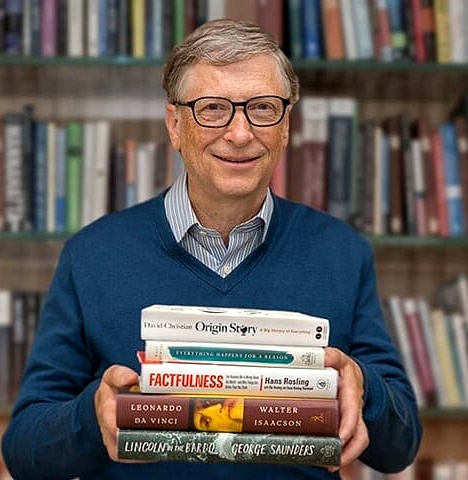
Bill Gates's Book Recommendations
Bill Gates, co-founder of Microsoft Corporation, is a pioneering figure in the tech industry, having played a key role in the personal computer revolution. His work at Microsoft, particularly the development of Windows, transformed software and computing globally. Beyond his technology contributions, Gates is also a prolific author, with notable works such as "The Road Ahead" and "Business @ the Speed of Thought," which offer insights into the future of technology and business. Additionally, his philanthropic efforts through the Bill & Melinda Gates Foundation have had a profound impact on global health, education, and poverty. Gates continues to influence both technology and literature with his forward-thinking perspectives and innovative ideas.

David Friedberg's Book Recommendations
David Friedberg is an entrepreneur, investor, and founder of The Production Board, a company focused on creating and investing in businesses that aim to solve challenges in food, agriculture, and climate change. Friedberg is also the founder of Climate Corporation, a company that uses data science to help farmers manage weather risk, which was acquired by Monsanto for $1 billion. He is a strong advocate for using technology to address global environmental and food production challenges. Friedberg’s focus on sustainability and innovation has made him a leader in the intersection of agriculture, climate science, and technology.
Showing 8 of 15 related collections
“"In a world that is increasingly hot, flat, and crowded, our future depends on our ability to innovate and collaborate to create sustainable solutions for our planet and our people."”
Hot, Flat, and Crowded 2.0
By Thomas L. Friedman
Frequently Asked Questions
Explore Our Catalogue
Discover a world of knowledge through our extensive collection of book summaries.
Genres
Genres
Genres
Featured Collections
- Top Book Club Picks
- One-Stop Nutrition
- Summer Reads 2024
- Best Beach Reads 2024
- Work-Life Balance Guide
- Time Management
- Healthy Foods
- Entrepreneur Toolkit
- Mind & Body Wellness
- Future Tech Insights
- Leadership Essentials
- Financial Freedom
- Sci-Fi Masterpieces
- Parenting 101
- Books That Became Blockbusters
- Guide to a Healthy Pregnancy