If this is a Man Book Summary
In 'If This Is a Man,' Primo Levi recounts his harrowing experiences as an Italian Jewish prisoner in Auschwitz, exploring the depths of human suffering and resilience. He lays bare the brutality of the Holocaust while questioning the nature of humanity in the face of dehumanization. The sequel, 'The Truce,' follows Levi's journey home after liberation, depicting a world fraught with uncertainty and the complexities of survival. Through poignant reflections, Levi reveals the struggle to reclaim identity and meaning after unimaginable loss. This powerful dual narrative serves as a haunting reminder of the past and a challenge to remember.
By Primo Levi
Published: 1987
"It is not enough to be alive; one must be human."


Start Listening to Book Summary
Book Review of If this is a Man
With the moral stamina and intellectual pose of a twentieth-century Titan, this slightly built, duitful, unassuming chemist set out systematically to remember the German hell on earth, steadfastly to think it through, and then to render it comprehensible in lucid, unpretentious prose. He was profoundly in touch with the minutest workings of the most endearing human events and with the most contempible. What has survived in Levi's writing isn't just his memory of the unbearable, but also, in THE PERIODIC TABLE and THE WRENCH, his delight in what made the world exquisite to him. He was himself a "magically endearing man, the most delicately forceful enchanter I've ever known" - PHILIP ROTH
Book Overview of If this is a Man ; and The Truce
About the Book Author
Primo Levi
Primo Levi was an Italian Jewish chemist, writer, and Holocaust survivor, born on July 31, 1919, in Turin, Italy, and passed away on April 11, 1987. He is best known for his deeply affecting memoir 'Survival in Auschwitz' (1947), which recounts his harrowing experiences in the Auschwitz concentration camp during World War II. His other notable works include 'The Periodic Table' (1975), a collection of essays linking elements of chemistry to his life experiences, and 'If This Is a Man' (1947), a powerful exploration of human resilience and the moral implications of life during and after the Holocaust. Levi's writing is characterized by its clarity, precision, and a profound sense of humanity, often blending scientific insight with philosophical inquiry, making his reflections on suffering and survival not only deeply personal but universally relevant.
Book Details
Key information about the book.
- Authors
- Primo Levi
- Published
- January 1987
- Publisher
- Little Brown Uk
- ISBN
- 0349100136
- Language
- English
- Pages
- 398
- Genres
- Biographies of Historical FiguresBiographyHistoryHistory of TechnologyWorld Wars
Purchase Options
 Buy on Amazon
 Buy via BookShop
Support local bookstores: BookShop gives a portion of each sale to independent bookshops!
Similar books you might like →
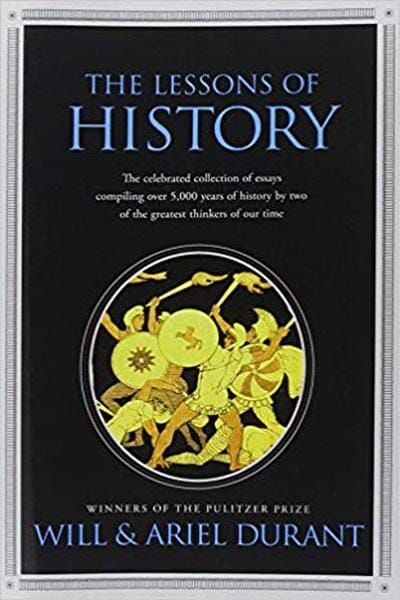
The Lessons of History Book Summary
In "The Lessons of History," Will and Ariel Durant distill the sweeping narrative of human civilization into profound insights that span cultures and epochs. They explore the recurring themes of war, economics, religion, and human nature that shape our collective journey. With razor-sharp clarity, the Durants argue that the past holds invaluable lessons that can guide our present and future decisions. What patterns emerge when we closely examine the ebb and flow of societies? This thought-provoking work invites readers to reflect on the intricacies of humanity's story and consider how we might navigate the path ahead.
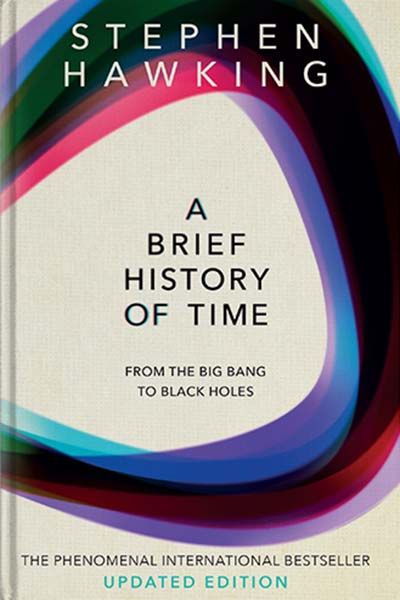
A Brief History of Time Book Summary
In "A Brief History of Time," Stephen Hawking takes readers on a captivating journey through the cosmos, exploring the nature of time, black holes, and the universe's beginnings. With stunning clarity, he unravels complex scientific concepts, inviting everyone—from curious laypersons to seasoned physicists—to ponder the mysteries of existence. Hawking's charismatic storytelling challenges our perceptions of reality and time itself, posing profound questions about the universe's fate. As he merges science with philosophy, the reader is compelled to reflect on their place in a vast, enigmatic cosmos. Prepare to be inspired and awed by a narrative that transcends mere facts, pushing the boundaries of human understanding.
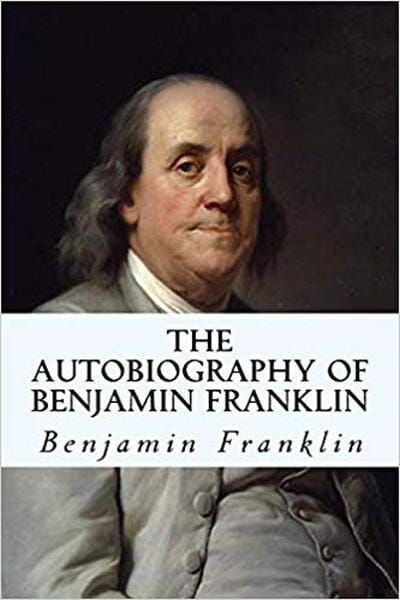
The Autobiography of Benjamin Franklin Book Summary
In 'The Autobiography of Benjamin Franklin,' the iconic Founding Father takes readers on a captivating journey through his life, revealing his rise from humble beginnings to becoming a key figure in American history. Franklin shares insightful anecdotes of his innovative spirit, dedication to self-improvement, and adventurous pursuits in science, politics, and philosophy. His wit and wisdom shine through as he candidly reflects on his successes and failures, providing a wealth of lessons for modern readers. Readers will discover not only the story of a remarkable man but also the principles that shaped a nation. This autobiography invites us to ponder our own paths and the impact of our choices.
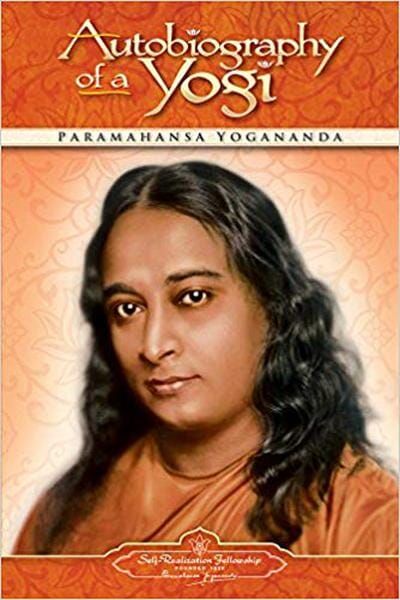
Autobiography of a Yogi Book Summary
No summary available

A History of the Wife Book Summary
In 'A History of the Wife', Marilyn Yalom unveils the often-overlooked narratives of women throughout history, exploring the evolution of marriage and the roles of wives in society. Through a blend of historical analysis and personal anecdotes, Yalom reveals the complex dynamics between love, obligation, and identity. Readers journey through various cultures and time periods, witnessing the shifting expectations placed on wives. This illuminating work challenges conventional views on marriage, inviting reflection on contemporary relationships. A must-read for anyone curious about how the past influences the present in the realm of love and partnership.
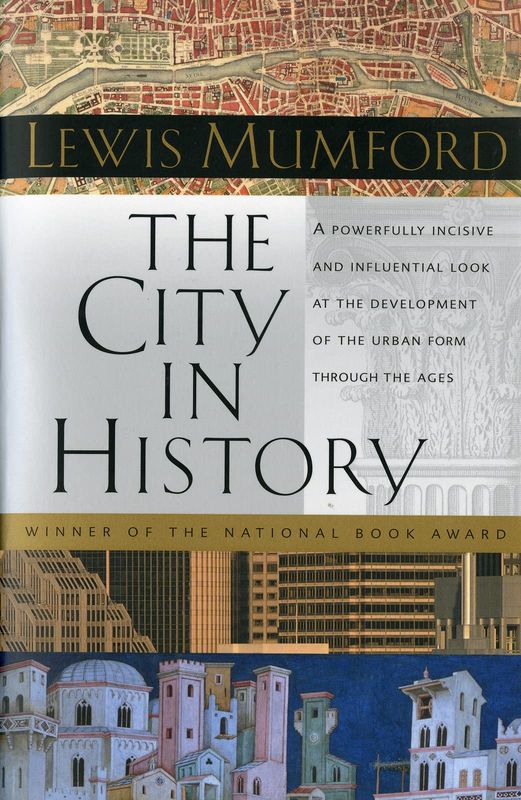
The City in History Book Summary
In 'The City in History,' Lewis Mumford explores the evolution of urban life from ancient times to the modern metropolis. He argues that cities are not just physical structures but reflections of human values and societal progress. Mumford delves into the interplay between architecture, technology, and culture, revealing how they shape the human experience. With incisive critiques and vivid historical examples, he presents a vision of the ideal city that promotes both individuality and community. This thought-provoking journey challenges readers to reconsider the role of cities in their own lives and the future of civilization.
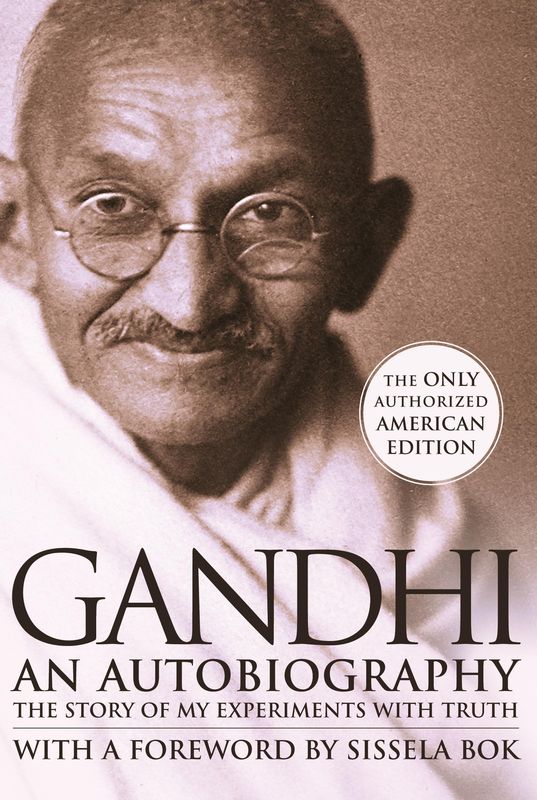
An Autobiography Book Summary
In 'An Autobiography', Mohandas K. Gandhi shares the remarkable journey of his life, revealing the evolution of his philosophy of non-violence and truth. From his early years in India to his transformative experiences in South Africa, Gandhi exposes the struggles that shaped his commitment to social justice. His candid reflections on faith, morality, and personal growth challenge conventional beliefs and inspire readers to question their own values. This gripping narrative not only details his political activism but also provides an intimate look at his family life and spiritual pursuits. Discover the profound insights that guided one of history's most influential leaders in his quest for freedom and equality.
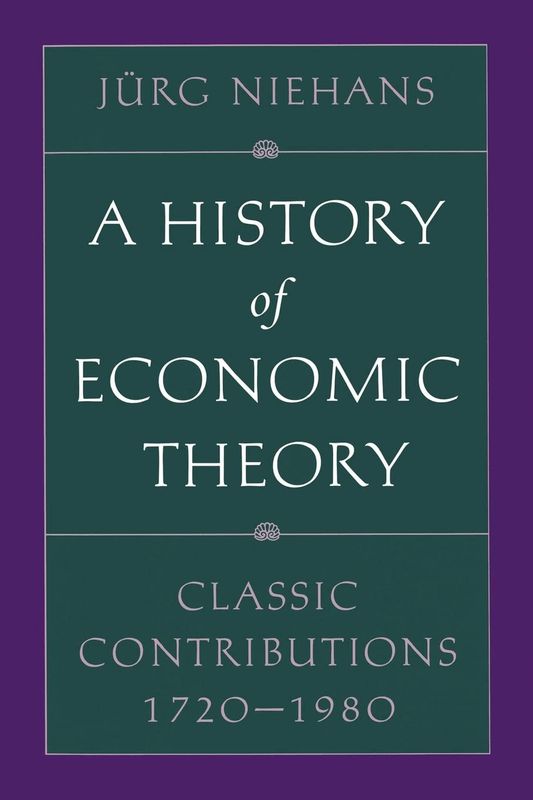
A History of Economic Theory Book Summary
In 'A History of Economic Theory', Jürg Niehans takes readers on a captivating journey through the evolution of economic thought. From ancient philosophies to contemporary paradigms, the book unravels how ideas have shaped economic practices across cultures and eras. With each chapter, Niehans reveals the intellectual battles and breakthroughs that have defined the discipline. Rich in historical context, this work challenges readers to consider the relevance of past theories in today's economy. Dive into this scholarly adventure and discover how the past continually influences our understanding of wealth and value.
Showing 8 of 30 similar books
Take your reading experience to the next level
Download our mobile app to enjoy your favorite books on the go. Get access to exclusive features, offline listening, and personalized recommendations.

Similar Book Recommendations →

Chris Dixon's Book Recommendations
Chris Dixon is a notable venture capitalist and technology entrepreneur, best known for his influential role as a general partner at Andreessen Horowitz, where he leads investments in cryptocurrency and blockchain technology. Before joining the firm, Dixon co-founded two startups: SiteAdvisor, a web security company acquired by McAfee, and Hunch, a recommendation engine acquired by eBay. In addition to his investment career, Dixon is a prolific writer and thought leader on technology and innovation, contributing insightful essays and articles to various platforms such as his personal blog and Medium. His writings often explore the future of technology, the internet, and the impact of blockchain, making significant contributions to contemporary tech literature. Dixon's work has earned him recognition as a visionary in both the tech and literary worlds.

Lex Fridman's Book Recommendations
Lex Fridman is an artificial intelligence researcher, podcaster, and MIT professor, known for his work in autonomous vehicles, robotics, and deep learning. Fridman has gained widespread popularity through his podcast, Lex Fridman Podcast, where he interviews leading thinkers in science, technology, and philosophy, exploring topics like AI, consciousness, and the future of humanity. His academic work focuses on human-centered AI, aiming to create machines that can better understand and interact with humans. Fridman’s ability to distill complex topics into accessible conversations has earned him a large following, and his podcast is known for its thoughtful, in-depth discussions with some of the brightest minds of our time. He is also an advocate for the responsible development of AI, emphasizing the ethical implications of this rapidly advancing technology. Outside of academia and podcasting, Fridman is a practitioner of jiu-jitsu and frequently speaks about the importance of discipline and continuous learning.

Marc Andreessen's Book Recommendations
Marc Andreessen is an American entrepreneur, software engineer, and venture capitalist, best known for co-creating the Mosaic web browser, the first widely-used web browser, and co-founding Netscape. Andreessen is also the co-founder of Andreessen Horowitz, one of Silicon Valley’s most prominent venture capital firms, where he invests in groundbreaking technology companies like Facebook, Airbnb, and Coinbase. He is a thought leader on the impact of technology and innovation, often sharing his views on the future of the internet and startups. His contributions to the development of the web and the tech ecosystem have made him one of the most influential figures in technology.

Morgan Housel's Book Recommendations
Morgan Housel is a financial writer and partner at The Collaborative Fund, best known for his book The Psychology of Money. His work explores the behavioral side of finance, emphasizing how emotions, history, and decision-making impact wealth-building. Housel’s writing is widely praised for being accessible, insightful, and engaging, making complex financial topics easier to understand. He contributes regularly to financial publications and speaks at conferences on the power of long-term thinking in finance. His book has become a modern classic in the personal finance genre.

Drew Houston's Book Recommendations
Drew Houston is an accomplished American entrepreneur best known for co-founding Dropbox, a widely-used cloud storage service, in 2007. As the CEO, he has led the company to serve millions of users worldwide and become a key player in the tech industry. Although not primarily known for literature, Houston has shared his entrepreneurial insights and experiences through various interviews and public speaking engagements, offering valuable lessons to aspiring business leaders. His work has significantly influenced the way people and organizations manage and share digital content. Houston's innovative vision continues to shape the future of cloud computing and digital collaboration.

Jocko Willink's Book Recommendations
Jocko Willink is a retired Navy SEAL officer, renowned for his leadership during the Battle of Ramadi in the Iraq War, which earned him the Silver Star and Bronze Star. Transitioning from military service, he co-authored the best-selling book "Extreme Ownership: How U.S. Navy SEALs Lead and Win" with fellow SEAL Leif Babin, which has become a cornerstone in leadership and management literature. Willink has also written the "Way of the Warrior Kid" series, aimed at empowering young readers with principles of discipline and resilience. Additionally, he hosts the popular "Jocko Podcast," where he discusses leadership, discipline, and personal development. Willink's influence extends beyond literature through his Echelon Front leadership consultancy, helping organizations implement effective leadership strategies.
David Blaine's Book Recommendations
David Blaine is an American illusionist, endurance artist, and magician, known for his daring and extreme stunts, such as being buried alive, encased in ice, and holding his breath underwater for a record-breaking amount of time. Blaine gained fame for his street magic performances, but his endurance feats have pushed the boundaries of what the human body can achieve. He has been widely recognized for his contributions to magic and illusion, combining elements of mysticism with physical and mental challenges. Blaine’s work has captivated audiences worldwide and has set new standards in the world of magic and performance art.

Brad Feld's Book Recommendations
Brad Feld is a prominent American entrepreneur, venture capitalist, and author known for his influential work in the startup ecosystem. Co-founder of the Foundry Group, he has played a pivotal role in funding and mentoring early-stage technology companies. Feld is also a key figure behind the Techstars accelerator program, which has helped launch numerous successful startups. As an author, he has penned several essential books on entrepreneurship and venture capital, including "Venture Deals" and "Startup Communities," which provide invaluable insights for aspiring entrepreneurs and investors. His writings and active blogging have cemented his reputation as a thought leader in the tech and startup communities.
Showing 8 of 19 related collections
“It is not enough to be alive; one must be human.”
If this is a Man
By Primo Levi
Frequently Asked Questions
Explore Our Catalogue
Discover a world of knowledge through our extensive collection of book summaries.
Genres
Genres
Genres
Featured Collections
- Top Book Club Picks
- One-Stop Nutrition
- Summer Reads 2024
- Best Beach Reads 2024
- Work-Life Balance Guide
- Time Management
- Healthy Foods
- Entrepreneur Toolkit
- Mind & Body Wellness
- Future Tech Insights
- Leadership Essentials
- Financial Freedom
- Sci-Fi Masterpieces
- Parenting 101
- Books That Became Blockbusters
- Guide to a Healthy Pregnancy