Imagined Worlds Book Summary
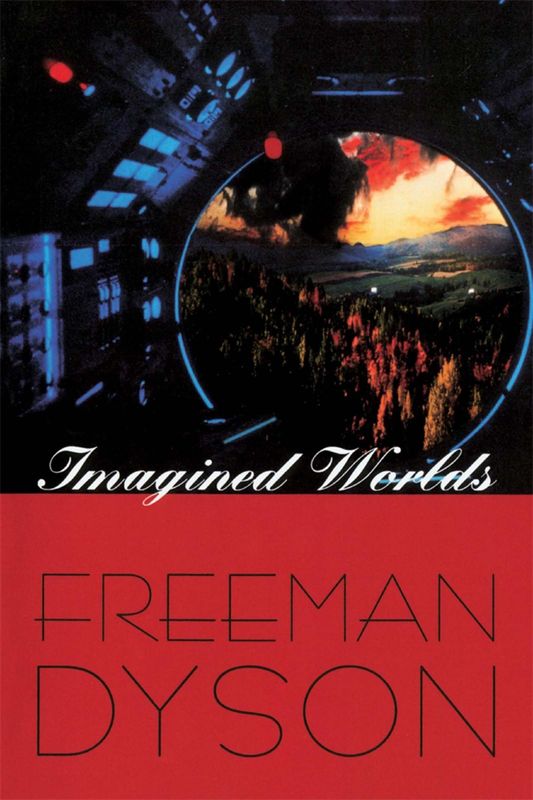
'Imagined Worlds' by Freeman J. Dyson takes readers on a captivating journey through the realms of science, philosophy, and the future of humanity. Dyson explores the potential of technological advancements and the imaginative possibilities they present for our existence and the universe. With intriguing insights into topics ranging from the evolution of life to the prospects of extraterrestrial civilizations, he challenges conventional thinking about our place in the cosmos. This thought-provoking work invites readers to ponder not just what is possible, but what could be—the dreams that shape our scientific endeavors. Prepare to expand your mind and discover the wonders that lie ahead through Dyson's visionary lens.
By Freeman J. Dyson
Published: 1998
"The universe is a stage where the drama of life unfolds, and our imagination is the script that can rewrite our fate."

Start Listening to Book Summary
Book Review of Imagined Worlds
Chapters have such headings as: Stories, Science, Technology, Evolution, and Ethics.
Book Overview of Imagined Worlds
About the Book Author
Freeman J. Dyson
Freeman J. Dyson (1923-2020) was a renowned theoretical physicist and mathematician, as well as a prolific author known for his contributions to fundamental physics and his visionary ideas regarding technology and the future. His notable works include 'Infinite in All Directions,' 'The Scientist as Rebel,' and 'Disturbing the Universe,' where he blends scientific rigor with philosophical musings. Dyson's writing style is characterized by clarity and accessibility, often inviting readers to ponder the broader implications of scientific discoveries on society and the environment. Throughout his career, Dyson's interdisciplinary approach and imaginative thinking earned him respect in both scientific and literary circles.
Book Details
Key information about the book.
- Authors
- Freeman J. Dyson
- Published
- January 1998
- Publisher
- Harvard University Press
- ISBN
- 0674539095
- Language
- English
- Pages
- 228
- Genres
- Philosophy of MindPhilosophyEvolution and GeneticsScience and Nature
Purchase Options
 Buy on Amazon
 Buy via BookShop
Support local bookstores: BookShop gives a portion of each sale to independent bookshops!
Similar books you might like →
A Brief History of Time Book Summary
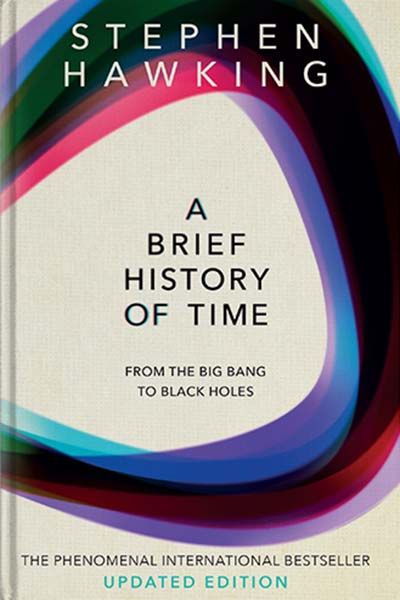
In "A Brief History of Time," Stephen Hawking takes readers on a captivating journey through the cosmos, exploring the nature of time, black holes, and the universe's beginnings. With stunning clarity, he unravels complex scientific concepts, inviting everyone—from curious laypersons to seasoned physicists—to ponder the mysteries of existence. Hawking's charismatic storytelling challenges our perceptions of reality and time itself, posing profound questions about the universe's fate. As he merges science with philosophy, the reader is compelled to reflect on their place in a vast, enigmatic cosmos. Prepare to be inspired and awed by a narrative that transcends mere facts, pushing the boundaries of human understanding.

Anna Karenina Book Summary
In 'Anna Karenina', Leo Tolstoy crafts a sweeping tale of love, betrayal, and the quest for happiness amidst the constraints of society. The story revolves around Anna, a beautiful married woman, who embarks on a passionate affair with the charmingCount Vronsky, challenging societal norms and her own moral compass. As their relationship unfolds, it sets off a chain reaction affecting everyone around them, illustrating the complexities of human relationships. Interwoven with Anna's plight are the lives of others, including the idealistic Levin, who struggles with his own search for meaning. This timeless classic explores the intersections of personal desires and social expectations, leaving readers questioning the true cost of love.
Deep Simplicity Book Summary
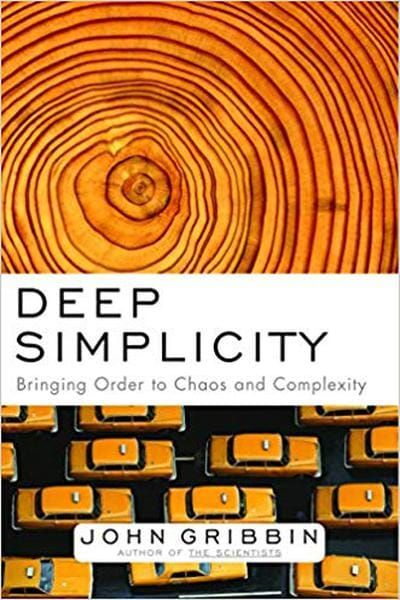
In 'Deep Simplicity', John Gribbin explores the profound connections between complexity and simplicity in the universe. Through captivating examples from physics and biology, he unveils how intricate systems can arise from simple rules. Gribbin challenges readers to rethink their understanding of chaos, order, and the patterns that govern existence. With an engaging narrative, he weaves together science and philosophy, inviting us to ponder the deeper meanings behind our complex world. Prepare to be intrigued by the seemingly paradoxical nature of life—where simplicity leads to complexity, and complexity reveals stunning simplicity.
Ishmael Book Summary
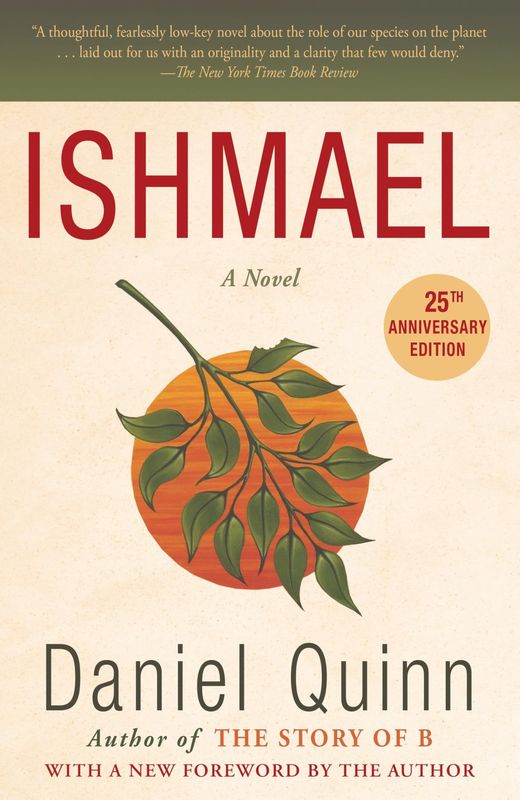
In 'Ishmael,' a telepathic gorilla named Ishmael reveals profound truths about humanity's place in the world to a disillusioned man seeking meaning. Through captivating dialogue, Ishmael challenges conventional views about civilization, culture, and what it means to live sustainably. As their conversations unfold, readers are invited to question everything they thought they knew about progress and enlightenment. This thought-provoking narrative blends philosophy, anthropology, and environmentalism into a compelling tale. Prepare to embark on an intellectual journey that might just change your perspective on life itself!

If the Universe Is Teeming with Aliens ... WHERE IS EVERYBODY? Book Summary
In 'If the Universe Is Teeming with Aliens ... WHERE IS EVERYBODY?', Stephen Webb explores the tantalizing paradox of the Fermi question: if the cosmos is filled with extraterrestrial life, why haven't we encountered any? Through a captivating blend of science, philosophy, and speculation, Webb presents intriguing theories and potential explanations for the silence of the universe. He delves into topics such as the vastness of space, technological limitations, and the nature of life itself. Each chapter unravels more mysteries, keeping readers on the edge of their seats. This thought-provoking journey compels us to reconsider our place in the universe and the possibilities that lie beyond our planet.
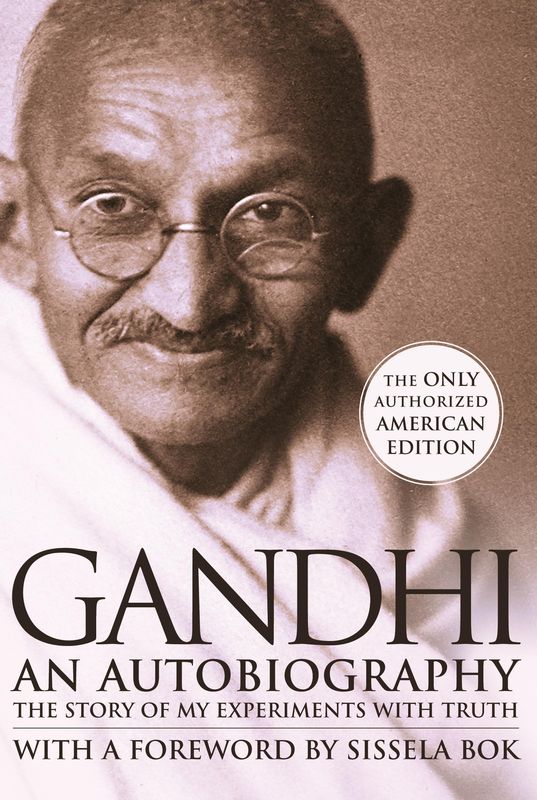
An Autobiography Book Summary
In 'An Autobiography', Mohandas K. Gandhi shares the remarkable journey of his life, revealing the evolution of his philosophy of non-violence and truth. From his early years in India to his transformative experiences in South Africa, Gandhi exposes the struggles that shaped his commitment to social justice. His candid reflections on faith, morality, and personal growth challenge conventional beliefs and inspire readers to question their own values. This gripping narrative not only details his political activism but also provides an intimate look at his family life and spiritual pursuits. Discover the profound insights that guided one of history's most influential leaders in his quest for freedom and equality.
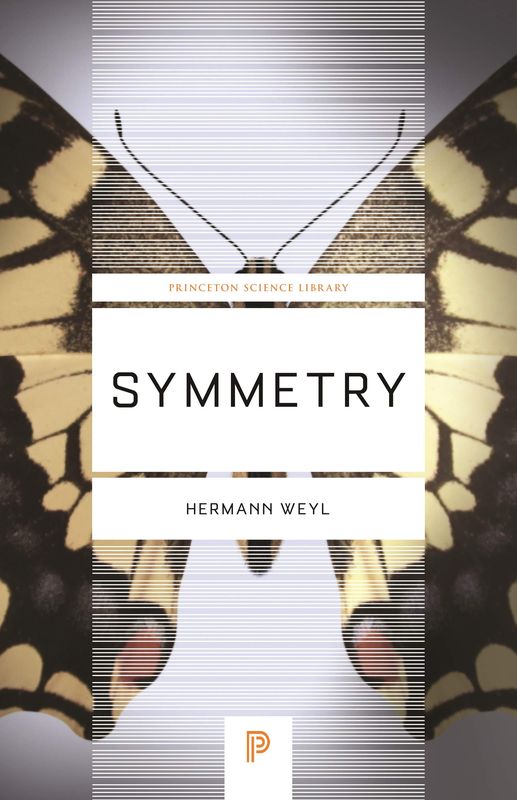
Symmetry Book Summary
In 'Symmetry,' Hermann Weyl explores the profound concept of symmetry as a fundamental principle in mathematics and nature. He weaves together the threads of physics, art, and philosophy, revealing how symmetry shapes our understanding of the universe. Through intriguing insights, Weyl invites readers to consider how aesthetic beauty is intertwined with scientific truth. As he delves into the realms of geometry and theoretical physics, he unravels the mysteries that govern our world. This book is not just an exploration of a mathematical concept; it is a journey that challenges the way we perceive reality itself.
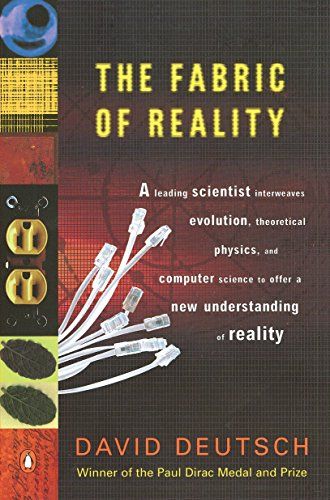
The Fabric of Reality Book Summary
In 'The Fabric of Reality,' David Deutsch weaves together threads of quantum physics, computation, evolution, and the philosophy of knowledge into a captivating exploration of how reality is constructed. He challenges conventional wisdom, suggesting that the universe is a vast tapestry of interconnected ideas that shape our understanding of existence. Deutsch posits that our scientific theories are not merely tools but vital frameworks that reflect the true nature of reality. As he navigates complex concepts with clarity, readers are invited to reimagine their perspective on knowledge and its implications for the future. The book is an exhilarating journey that leaves one pondering the profound questions of life and our place in the cosmos.
Showing 8 of 28 similar books
Take your reading experience to the next level
Download our mobile app to enjoy your favorite books on the go. Get access to exclusive features, offline listening, and personalized recommendations.

Similar Book Recommendations →

Lex Fridman's Book Recommendations
Lex Fridman is an artificial intelligence researcher, podcaster, and MIT professor, known for his work in autonomous vehicles, robotics, and deep learning. Fridman has gained widespread popularity through his podcast, Lex Fridman Podcast, where he interviews leading thinkers in science, technology, and philosophy, exploring topics like AI, consciousness, and the future of humanity. His academic work focuses on human-centered AI, aiming to create machines that can better understand and interact with humans. Fridman’s ability to distill complex topics into accessible conversations has earned him a large following, and his podcast is known for its thoughtful, in-depth discussions with some of the brightest minds of our time. He is also an advocate for the responsible development of AI, emphasizing the ethical implications of this rapidly advancing technology. Outside of academia and podcasting, Fridman is a practitioner of jiu-jitsu and frequently speaks about the importance of discipline and continuous learning.

Seth Godin's Book Recommendations
Seth Godin is a prolific author and entrepreneur, renowned for his influential contributions to marketing and business thought leadership. He has written over 20 bestselling books, including "Purple Cow," "Linchpin," and "The Dip," which have revolutionized modern marketing strategies and inspired countless professionals. Godin's work emphasizes the importance of creativity, innovation, and the power of ideas in building successful enterprises. He is also the founder of altMBA, an online leadership and management workshop, and he consistently shares his insights through his popular daily blog. Godin's impact on the marketing world has earned him a spot in the Direct Marketing Hall of Fame.

James Clear's Book Recommendations
James Clear is the author of the bestselling book Atomic Habits, which focuses on the power of small habits and incremental improvements to achieve significant personal and professional growth. Clear’s writing blends insights from psychology, neuroscience, and productivity to provide practical strategies for building better habits. His work has helped millions of people create positive changes in their lives by focusing on the process rather than the outcome. James’s clear, actionable advice has made him a sought-after speaker and thought leader in the field of personal development.

David Sinclair's Book Recommendations
David Sinclair is an Australian biologist and professor at Harvard Medical School, known for his pioneering research in the field of aging and longevity. Sinclair's work focuses on understanding the biological mechanisms that drive aging and developing interventions to slow or reverse the process. His bestselling book Lifespan: Why We Age – and Why We Don’t Have To explores the latest advancements in anti-aging science and offers insights into how humans might extend their healthspan. Sinclair's research has led to breakthroughs in areas such as sirtuins, NAD+ metabolism, and cellular reprogramming. He is also the co-founder of several biotech companies, including Sirtris Pharmaceuticals and Life Biosciences, dedicated to translating aging research into practical treatments. Sinclair is a vocal advocate for taking a proactive approach to aging, promoting lifestyle changes and emerging therapies to delay age-related diseases. His work has made him a leading figure in the longevity movement, influencing both scientific and public discourse on the future of health.

Sam Harris's Book Recommendations
Sam Harris is an American neuroscientist, philosopher, author, and host of the Making Sense podcast, where he explores topics related to science, religion, politics, and philosophy. Harris is known for his advocacy of secularism and rational thinking, and his books, including The End of Faith and Waking Up, have been best-sellers. He is also a meditation teacher, offering guidance on mindfulness and spirituality through his Waking Up app. Harris’s work often focuses on the intersection of science and ethics, and he is a prominent figure in debates about free will, consciousness, and moral philosophy.

Charlie Munger's Book Recommendations
Charlie Munger is an American investor, businessman, and philanthropist, best known as the vice chairman of Berkshire Hathaway, where he partners with Warren Buffett. Renowned for his insights on investment strategies and mental models, Munger has significantly influenced the world of finance. His notable literary contributions include "Poor Charlie's Almanack," a compilation of his speeches and writings that distill his wisdom on decision-making and business principles. Munger's work emphasizes the importance of multidisciplinary thinking and continuous learning. Beyond his financial acumen, he is celebrated for his charitable efforts, particularly in education and healthcare.

John Fish's Book Recommendations
John Fish is a dynamic author and YouTuber known for his insightful explorations of productivity, education, and personal development. Gaining prominence through his engaging video content, Fish has also made significant contributions to literature with his thought-provoking essays and articles. He has been particularly influential among students and young professionals, offering practical advice on effective learning techniques and time management. His work often emphasizes the importance of curiosity and lifelong learning, resonating with a broad audience. In addition to his literary pursuits, Fish is recognized for his commitment to fostering a supportive and motivating online community.

Paul Stamets's Book Recommendations
Paul Stamets is an American mycologist, author, and entrepreneur, widely regarded as one of the foremost experts on fungi and their potential to benefit humanity. His work focuses on the medicinal properties of mushrooms and their role in ecological restoration. Stamets has authored several books, including Mycelium Running, which explores how mushrooms can help save ecosystems. He is also the founder of Fungi Perfecti, a business that provides mushroom-based products for health and environmental sustainability. Stamets is a strong advocate for research into the healing powers of fungi.
Showing 8 of 17 related collections
“The universe is a stage where the drama of life unfolds, and our imagination is the script that can rewrite our fate.”
Imagined Worlds
By Freeman J. Dyson
Frequently Asked Questions
Explore Our Catalogue
Discover a world of knowledge through our extensive collection of book summaries.
Genres
Genres
Genres
Featured Collections
- Top Book Club Picks
- One-Stop Nutrition
- Summer Reads 2024
- Best Beach Reads 2024
- Work-Life Balance Guide
- Time Management
- Healthy Foods
- Entrepreneur Toolkit
- Mind & Body Wellness
- Future Tech Insights
- Leadership Essentials
- Financial Freedom
- Sci-Fi Masterpieces
- Parenting 101
- Books That Became Blockbusters
- Guide to a Healthy Pregnancy