In the Garden of Beasts Book Summary
In 'In the Garden of Beasts', Erik Larson immerses readers in the chilling atmosphere of Berlin during the rise of the Nazi regime. The story follows William Dodd, the American ambassador, and his family as they navigate a world ensnared in political chaos and moral dilemmas. Through their eyes, we experience the stark contrast between exuberant parties and the sinister undertones of impending doom. As they confront the realities of Hitler's ascent, personal loyalties are tested and the fragility of civilization is laid bare. This gripping narrative reveals how ordinary lives can be upended by extraordinary circumstances, leaving readers to ponder the cost of complacency.
By Erik Larson
Published: 2012
"In that moment, the past and present converged, and the shadows of history whispered their inevitable truths."


Start Listening to Book Summary
Book Review of In the Garden of Beasts
Erik Larson, New York Times bestselling author of Devil in the White City, delivers a remarkable story set during Hitler’s rise to power. The time is 1933, the place, Berlin, when William E. Dodd becomes America’s first ambassador to Hitler’s Nazi Germany in a year that proved to be a turning point in history. A mild-mannered professor from Chicago, Dodd brings along his wife, son, and flamboyant daughter, Martha. At first Martha is entranced by the parties and pomp, and the handsome young men of the Third Reich with their infectious enthusiasm for restoring Germany to a position of world prominence. Enamored of the “New Germany,” she has one affair after another, including with the suprisingly honorable first chief of the Gestapo, Rudolf Diels. But as evidence of Jewish persecution mounts, confirmed by chilling first-person testimony, her father telegraphs his concerns to a largely indifferent State Department back home. Dodd watches with alarm as Jews are attacked, the press is censored, and drafts of frightening new laws begin to circulate. As that first year unfolds and the shadows deepen, the Dodds experience days full of excitement, intrigue, romance—and ultimately, horror, when a climactic spasm of violence and murder reveals Hitler’s true character and ruthless ambition. Suffused with the tense atmosphere of the period, and with unforgettable portraits of the bizarre Göring and the expectedly charming--yet wholly sinister--Goebbels, In the Garden of Beasts lends a stunning, eyewitness perspective on events as they unfold in real time, revealing an era of surprising nuance and complexity. The result is a dazzling, addictively readable work that speaks volumes about why the world did not recognize the grave threat posed by Hitler until Berlin, and Europe, were awash in blood and terror.
Book Overview of In the Garden of Beasts
About the Book Author
Erik Larson
Erik Larson is a bestselling American author known for his meticulous narrative nonfiction that blends intense historical research with engaging storytelling. His notable works include 'The Devil in the White City,' which explores the 1893 World's Fair and a serial killer who preyed on its attendees, and 'In the Garden of Beasts,' a vivid account of the American ambassador to Nazi Germany during the rise of Hitler. Larson's writing is characterized by its rich detail, compelling characters, and the ability to bring history to life, making it accessible and fascinating to a broad audience.
Book Details
Key information about the book.
- Authors
- Erik Larson
- Published
- May 2012
- Publisher
- Crown
- ISBN
- 030740885X
- Language
- English
- Pages
- 481
- Genres
- Biographies of Historical FiguresHistoryWorld WarsPolitical History
Purchase Options
 Buy on Amazon
 Buy via BookShop
Support local bookstores: BookShop gives a portion of each sale to independent bookshops!
Similar books you might like →
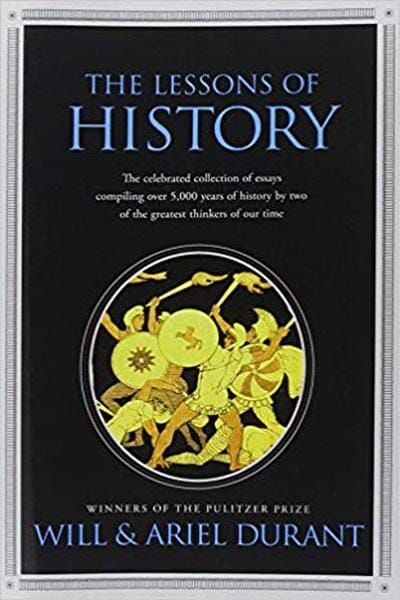
The Lessons of History Book Summary
In "The Lessons of History," Will and Ariel Durant distill the sweeping narrative of human civilization into profound insights that span cultures and epochs. They explore the recurring themes of war, economics, religion, and human nature that shape our collective journey. With razor-sharp clarity, the Durants argue that the past holds invaluable lessons that can guide our present and future decisions. What patterns emerge when we closely examine the ebb and flow of societies? This thought-provoking work invites readers to reflect on the intricacies of humanity's story and consider how we might navigate the path ahead.
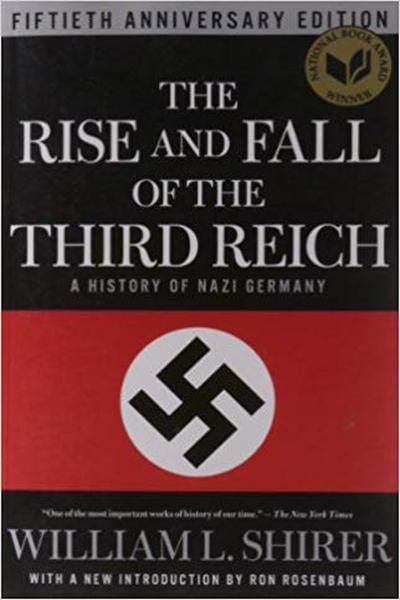
The Rise and Fall of the Third Reich Book Summary
In "The Rise and Fall of the Third Reich," William L. Shirer delves into the tumultuous era of Nazi Germany, chronicling the meteoric ascent of Adolf Hitler and the catastrophic consequences of his totalitarian regime. With gripping detail, Shirer unveils the intricate web of political machinations, propaganda, and the chilling indifference of the populace that enabled the regime's rise. As the narrative unfolds, readers are drawn into the harrowing events of World War II, revealing the stark realities of war and oppression. Yet, the book also contemplates the broader implications of tyranny and the fragility of democracy in the face of political extremism. Will humanity learn from the lessons of the past, or are we doomed to repeat history?

Condemned to Repetition Book Summary
In 'Condemned to Repetition,' Robert A. Pastor explores the intricate web of U.S.-Latin American relations, unveiling a pattern of historical interventions that continues to shape modern dynamics. With a keen eye for detail, Pastor argues that past mistakes are often repeated, compelling readers to reflect on the cyclical nature of diplomacy. Through vivid storytelling and critical analysis, he reveals how these actions have led to disenchantment and unrest in the region. This thought-provoking work encourages a reevaluation of foreign policy and its far-reaching impacts. Will the U.S. break the cycle of repetition, or is it doomed to repeat its history?

The Evolution of Type Book Summary
'The Evolution of Type' by Tony Seddon takes readers on a captivating journey through the history and development of typography. Delve into the transformation of typefaces from ancient inscriptions to modern digital fonts, revealing the intricate relationship between technology and design. Seddon artfully illustrates how cultural shifts and artistic movements have influenced type development, creating a visual narrative that enchants both designers and history enthusiasts alike. With rich illustrations and engaging anecdotes, this book invites you to appreciate letters not just as tools for communication, but as dynamic art forms. Discover how type influences our daily lives in ways you’ve never considered, and why every letter tells a story.

American Lion Book Summary
"American Lion" by Jon Meacham delves into the life of Andrew Jackson, one of America's most controversial presidents. Meacham paints a vivid portrait of Jackson's fierce leadership and tumultuous presidency during a pivotal era in U.S. history. The book explores Jackson's complex legacy, from his championing of democracy to his stark policies regarding Native Americans. Through rich storytelling and meticulous research, Meacham invites readers to grapple with the dualities of Jackson's character and the implications of his choices. Will you uncover the man behind the myth and understand how his presidency shaped the nation?

Bloodlands Book Summary
In 'Bloodlands', Timothy Snyder unveils the haunting history of the regions between Nazi Germany and Soviet Russia during World War II. The book meticulously explores the horrific atrocities committed by both regimes, resulting in the deaths of millions. Snyder's vivid narrative intertwines personal stories with broader historical contexts, painting a poignant picture of suffering and survival. As readers delve into this dark past, they are challenged to reflect on the consequences of totalitarianism and the fragility of human life. This compelling work not only educates but also provokes an urgent conversation about memory, history, and the moral responsibilities of the present.

A History of Economic Theory Book Summary
In 'A History of Economic Theory', Jürg Niehans takes readers on a captivating journey through the evolution of economic thought. From ancient philosophies to contemporary paradigms, the book unravels how ideas have shaped economic practices across cultures and eras. With each chapter, Niehans reveals the intellectual battles and breakthroughs that have defined the discipline. Rich in historical context, this work challenges readers to consider the relevance of past theories in today's economy. Dive into this scholarly adventure and discover how the past continually influences our understanding of wealth and value.

A Peace to End All Peace Book Summary
In 'A Peace to End All Peace', David Fromkin unravels the intricate web of events that led to the creation of the modern Middle East after World War I. With compelling narratives, Fromkin reveals how the decisions made by imperial powers set the stage for decades of conflict. This historical analysis not only highlights the reckless diplomacy of the time but also exposes the enduring consequences of these choices on today's geopolitical landscape. As tensions rise in the region, the book prompts readers to ponder: can any lasting peace ever truly emerge from such a fractured legacy? Dive into this thought-provoking exploration of history, power, and the quest for stability in a tumultuous world.
Showing 8 of 29 similar books
Take your reading experience to the next level
Download our mobile app to enjoy your favorite books on the go. Get access to exclusive features, offline listening, and personalized recommendations.

Similar Book Recommendations →
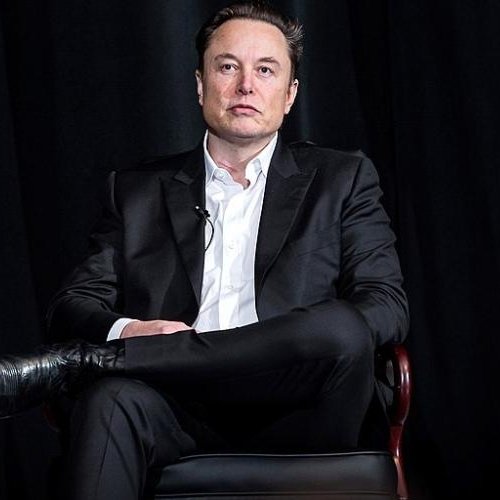
Elon Musk's Book Recommendations
Elon Musk is an influential entrepreneur and innovator known for founding and leading several groundbreaking companies, including Tesla, SpaceX, Neuralink, and The Boring Company. He has played a pivotal role in advancing electric vehicles, space exploration, and renewable energy. Musk's vision extends to colonizing Mars and reducing the risk of human extinction through space travel. In addition to his technological contributions, he has co-authored the book "Spacex: Making Commercial Spaceflight a Reality," providing insights into his ambitious projects and vision for the future. Musk's relentless pursuit of innovation continues to shape the trajectory of multiple industries.

Barack Obama's Book Recommendations
Barack Obama is the 44th President of the United States, serving from 2009 to 2017. As the first African American president, Obama’s leadership marked a historic moment in American history. His administration focused on healthcare reform, economic recovery from the Great Recession, and environmental policies. He is best known for the Affordable Care Act, as well as his efforts to expand civil rights and restore diplomatic relations with Cuba. Since leaving office, Obama has continued to engage in public life through his foundation, focusing on leadership development, civic engagement, and global issues.

Doris Kearns Goodwin's Book Recommendations
Doris Kearns Goodwin is a Pulitzer Prize-winning American biographer and historian, best known for her in-depth explorations of U.S. presidents. Her notable works include Team of Rivals, which inspired the film Lincoln, and The Bully Pulpit. Goodwin’s expertise in American political history has made her a sought-after commentator on leadership and governance. She has won several prestigious awards for her work and continues to be an influential voice in historical scholarship. Goodwin is also a frequent guest on television news programs and documentaries.

Chris Dixon's Book Recommendations
Chris Dixon is a notable venture capitalist and technology entrepreneur, best known for his influential role as a general partner at Andreessen Horowitz, where he leads investments in cryptocurrency and blockchain technology. Before joining the firm, Dixon co-founded two startups: SiteAdvisor, a web security company acquired by McAfee, and Hunch, a recommendation engine acquired by eBay. In addition to his investment career, Dixon is a prolific writer and thought leader on technology and innovation, contributing insightful essays and articles to various platforms such as his personal blog and Medium. His writings often explore the future of technology, the internet, and the impact of blockchain, making significant contributions to contemporary tech literature. Dixon's work has earned him recognition as a visionary in both the tech and literary worlds.
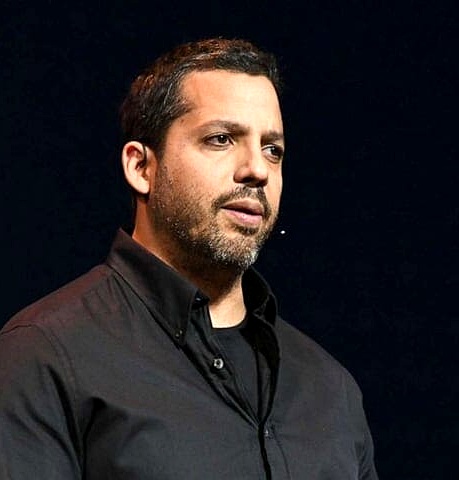
David Blaine's Book Recommendations
David Blaine is an American illusionist, endurance artist, and magician, known for his daring and extreme stunts, such as being buried alive, encased in ice, and holding his breath underwater for a record-breaking amount of time. Blaine gained fame for his street magic performances, but his endurance feats have pushed the boundaries of what the human body can achieve. He has been widely recognized for his contributions to magic and illusion, combining elements of mysticism with physical and mental challenges. Blaine’s work has captivated audiences worldwide and has set new standards in the world of magic and performance art.

Jocko Willink's Book Recommendations
Jocko Willink is a retired Navy SEAL officer, renowned for his leadership during the Battle of Ramadi in the Iraq War, which earned him the Silver Star and Bronze Star. Transitioning from military service, he co-authored the best-selling book "Extreme Ownership: How U.S. Navy SEALs Lead and Win" with fellow SEAL Leif Babin, which has become a cornerstone in leadership and management literature. Willink has also written the "Way of the Warrior Kid" series, aimed at empowering young readers with principles of discipline and resilience. Additionally, he hosts the popular "Jocko Podcast," where he discusses leadership, discipline, and personal development. Willink's influence extends beyond literature through his Echelon Front leadership consultancy, helping organizations implement effective leadership strategies.

Naval Ravikant's Book Recommendations
Naval Ravikant is an entrepreneur, angel investor, and philosopher, best known as the co-founder of AngelList, a platform that connects startups with investors. Ravikant is a prolific thinker and writer on topics such as startups, investing, and personal well-being, sharing his wisdom through essays, podcasts, and social media. He has invested in over 100 companies, including Uber, Twitter, and Yammer, making him one of Silicon Valley’s most successful angel investors. Ravikant is also known for his philosophical musings on wealth, happiness, and the meaning of life, which have garnered him a large and dedicated following.

David Deutsch's Book Recommendations
David Deutsch is a British physicist and philosopher, widely known for his contributions to quantum mechanics, particularly in the area of quantum computation. He is the author of The Fabric of Reality and The Beginning of Infinity, where he explores the nature of knowledge, progress, and the future of human civilization. Deutsch’s work in quantum computing laid the groundwork for the development of quantum algorithms, positioning him as a pioneer in this emerging field. He is a proponent of the multiverse theory and has offered profound insights into the nature of reality, science, and human potential. Deutsch’s philosophical work emphasizes the power of reason and creativity in solving problems and expanding human understanding. His ideas have had a significant impact on the fields of theoretical physics and epistemology, making him a leading thinker on the future of science and technology. He continues to inspire both scientists and lay readers with his optimistic vision of a world shaped by knowledge and innovation.
Showing 8 of 15 related collections
“In that moment, the past and present converged, and the shadows of history whispered their inevitable truths.”
In the Garden of Beasts
By Erik Larson
Frequently Asked Questions
Explore Our Catalogue
Discover a world of knowledge through our extensive collection of book summaries.
Genres
Genres
Genres
Featured Collections
- Top Book Club Picks
- One-Stop Nutrition
- Summer Reads 2024
- Best Beach Reads 2024
- Work-Life Balance Guide
- Time Management
- Healthy Foods
- Entrepreneur Toolkit
- Mind & Body Wellness
- Future Tech Insights
- Leadership Essentials
- Financial Freedom
- Sci-Fi Masterpieces
- Parenting 101
- Books That Became Blockbusters
- Guide to a Healthy Pregnancy