
In 'Introduction to Linear Algebra', Gilbert Strang unravels the intricate world of linear algebra, making it accessible and intriguing for all readers. With clear explanations and real-world applications, Strang shows how this mathematical framework underpins numerous fields, from engineering to computer science. The book encourages readers to visualize concepts through insightful illustrations and practical examples, fostering a deeper understanding of the subject. As it bridges theory and application, it invites learners to explore the beauty and power of linear transformations and vectors. Dive into this engaging journey and unlock the secrets of linear algebra that shape our modern world!
By Gilbert Strang
Published: 2016
"Linear algebra is not just about numbers and equations; it is the language of the universe, revealing the connections between dimensions and the beauty of mathematical structures."
Linear algebra is something all mathematics undergraduates and many other students, in subjects ranging from engineering to economics, have to learn. The fifth edition of this hugely successful textbook retains all the qualities of earlier editions, while at the same time seeing numerous minor improvements and major additions. The latter include: • A new chapter on singular values and singular vectors, including ways to analyze a matrix of data • A revised chapter on computing in linear algebra, with professional-level algorithms and code that can be downloaded for a variety of languages • A new section on linear algebra and cryptography • A new chapter on linear algebra in probability and statistics. A dedicated and active website also offers solutions to exercises as well as new exercises from many different sources (including practice problems, exams, and development of textbook examples), plus codes in MATLAB®, Julia, and Python.
Showing 8 of 23 similar books
Naval Ravikant is an entrepreneur, angel investor, and philosopher, best known as the co-founder of AngelList, a platform that connects startups with investors. Ravikant is a prolific thinker and writer on topics such as startups, investing, and personal well-being, sharing his wisdom through essays, podcasts, and social media. He has invested in over 100 companies, including Uber, Twitter, and Yammer, making him one of Silicon Valley’s most successful angel investors. Ravikant is also known for his philosophical musings on wealth, happiness, and the meaning of life, which have garnered him a large and dedicated following.
Caroline Paul is an American author and former firefighter, best known for her non-fiction works that explore adventure, courage, and resilience. Her books, including The Gutsy Girl and Fighting Fire, highlight her experiences and encourage readers, especially women, to take risks and embrace challenges. Paul is a passionate advocate for gender equality and breaking stereotypes, particularly around women in fields like adventure and emergency services. She frequently speaks about empowerment, bravery, and finding joy in the unknown. Her writing and advocacy inspire readers to step outside their comfort zones and lead bold, fearless lives.
Nassim Nicholas Taleb is a Lebanese-American author, scholar, and risk analyst, best known for his work on uncertainty, probability, and risk. His books, including The Black Swan and Antifragile, explore how rare and unpredictable events shape the world and how individuals and systems can become more resilient to shocks. Taleb’s insights on risk management have influenced fields ranging from finance to medicine, and he is known for his outspoken criticism of conventional wisdom. His ideas about randomness, decision-making, and the limitations of human knowledge have made him a leading thinker in modern economics and philosophy.
David Deutsch is a British physicist and philosopher, widely known for his contributions to quantum mechanics, particularly in the area of quantum computation. He is the author of The Fabric of Reality and The Beginning of Infinity, where he explores the nature of knowledge, progress, and the future of human civilization. Deutsch’s work in quantum computing laid the groundwork for the development of quantum algorithms, positioning him as a pioneer in this emerging field. He is a proponent of the multiverse theory and has offered profound insights into the nature of reality, science, and human potential. Deutsch’s philosophical work emphasizes the power of reason and creativity in solving problems and expanding human understanding. His ideas have had a significant impact on the fields of theoretical physics and epistemology, making him a leading thinker on the future of science and technology. He continues to inspire both scientists and lay readers with his optimistic vision of a world shaped by knowledge and innovation.
Astro Teller is an American entrepreneur, scientist, and the CEO of X (formerly Google X), Alphabet’s innovation lab dedicated to developing groundbreaking technologies. Often referred to as "Captain of Moonshots," Teller leads a team focused on tackling some of the world’s biggest challenges through radical solutions. Under his leadership, X has worked on projects like self-driving cars (Waymo), internet balloons (Loon), and delivery drones (Wing). Teller holds a PhD in artificial intelligence and has a deep background in science and technology, blending his technical expertise with a passion for innovation. He is a proponent of a fail-fast approach, encouraging experimentation and learning from failure as integral parts of the innovation process. Teller’s work at X has placed him at the forefront of the tech world’s quest for transformative technologies. Outside of his work at X, he is an accomplished author, having written both fiction and non-fiction, and is an advocate for the future of AI and robotics.
Cleo Abram is a distinguished journalist and content creator known for her incisive storytelling and engaging multimedia presentations. She gained widespread recognition as a producer and host for Vox's acclaimed series, "Glad You Asked," where she explored complex topics with clarity and depth. Abram's work often intersects with technology and culture, making intricate subjects accessible to a broad audience. In addition to her journalistic endeavors, she has contributed thought-provoking essays and articles to various esteemed publications. Her innovative approach to storytelling continues to influence and inspire both readers and aspiring journalists.
Bill Gates, co-founder of Microsoft Corporation, is a pioneering figure in the tech industry, having played a key role in the personal computer revolution. His work at Microsoft, particularly the development of Windows, transformed software and computing globally. Beyond his technology contributions, Gates is also a prolific author, with notable works such as "The Road Ahead" and "Business @ the Speed of Thought," which offer insights into the future of technology and business. Additionally, his philanthropic efforts through the Bill & Melinda Gates Foundation have had a profound impact on global health, education, and poverty. Gates continues to influence both technology and literature with his forward-thinking perspectives and innovative ideas.
Brian Armstrong is a renowned entrepreneur and author best known for co-founding and leading Coinbase, a major cryptocurrency exchange. His literary contributions include insightful writings on the future of digital currencies and blockchain technology. Armstrong's work has been pivotal in demystifying complex financial systems for a broader audience. Beyond his business acumen, his thought leadership in publications and public speaking engagements has cemented his status as a key voice in the fintech revolution. His dedication to innovation continues to influence the trajectory of global financial systems.
Showing 8 of 11 related collections
“Linear algebra is not just about numbers and equations; it is the language of the universe, revealing the connections between dimensions and the beauty of mathematical structures.”
Introduction to Linear Algebra
By Gilbert Strang
Discover a world of knowledge through our extensive collection of book summaries.
Gilbert Strang is an esteemed professor of mathematics at the Massachusetts Institute of Technology (MIT) and a renowned author, primarily known for his influential contributions to linear algebra and numerical methods. With a passion for making complex mathematical concepts accessible, Strang's notable works include 'Linear Algebra and Its Applications' and 'Introduction to Linear Algebra,' both of which have become foundational texts in mathematics education. His writing is characterized by a clear, engaging style that emphasizes intuition and real-world applications, making it a favorite among students and educators alike.
Key information about the book.
 Buy on Amazon
 Buy via BookShop
Support local bookstores: BookShop gives a portion of each sale to independent bookshops!
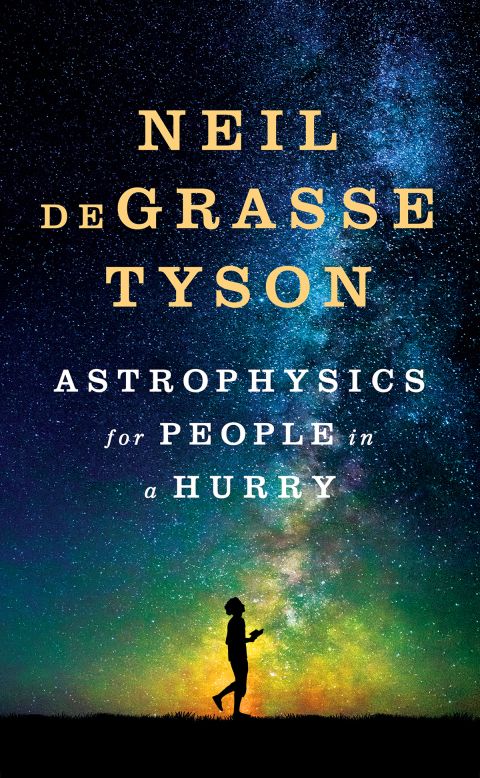
In "Astrophysics for People in a Hurry," Neil deGrasse Tyson takes readers on a whirlwind journey through the cosmos, unveiling the complex wonders of the universe in bite-sized pieces. He distills complex theories about black holes, dark matter, and the Big Bang into accessible narratives that spark curiosity and awe. With his signature wit and clarity, Tyson makes the grand tapestry of the universe relatable, inviting readers to ponder their place within it. This captivating exploration not only enlightens but also ignites a sense of wonder about the infinite possibilities of existence. Are you ready to embrace the mysteries of the universe, one brief chapter at a time?
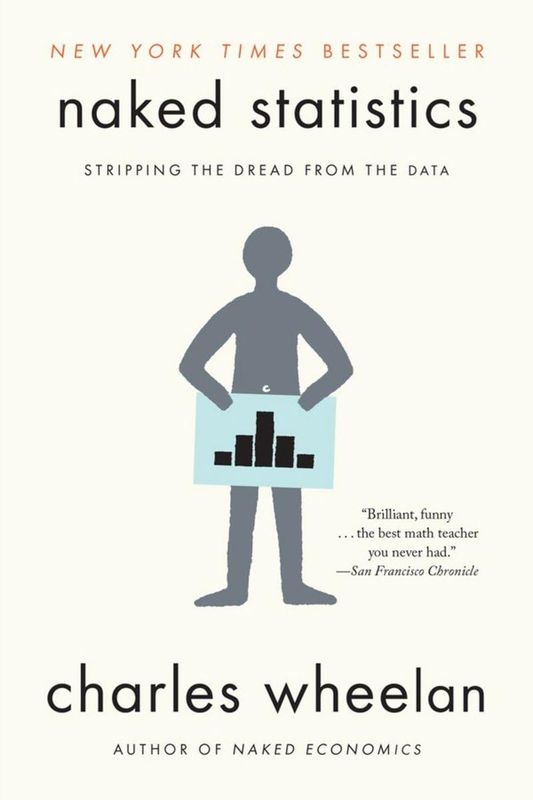
In 'Naked Statistics', Charles Wheelan demystifies the world of statistics and reveals its crucial role in everyday decision-making. Through engaging anecdotes and humorous insights, he illustrates how statistical concepts can be both intriguing and practical. Wheelan empowers readers to interpret data with confidence, highlighting common pitfalls in reasoning. This accessible guide transforms what many see as a dry subject into a captivating exploration of the power of numbers. Dive into the world of statistics and discover how it can illuminate your understanding of the world!
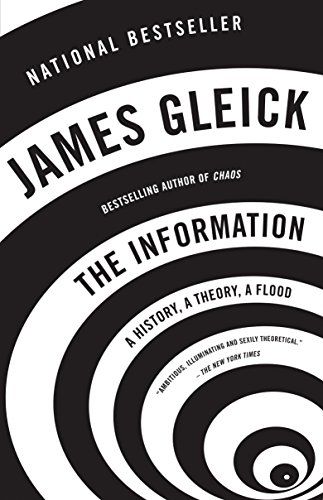
In 'The Information', James Gleick masterfully explores the evolution of information from ancient communication methods to the digital age. He delves into how language, code, and data have shaped human civilization and our understanding of the universe. Gleick's narrative interweaves historical tales with modern technology, illustrating how information is the cornerstone of science and culture. Readers are invited to ponder: What does it mean to live in an age overflowing with information? This compelling journey reveals the profound impact of information on our lives and the future.

In 'Gang Leader for a Day,' sociologist Sudhir Venkatesh takes readers on a riveting journey through the streets of Chicago, where he plunges into the world of gang life. Captivated by the complexities of urban poverty, he forms an unlikely partnership with the notorious Black Kings gang leader. Through gripping anecdotes, Venkatesh reveals the intricate social dynamics and struggles that shape the community's reality. As he navigates this underworld, the boundaries between researcher and subject blur, challenging societal norms and perceptions. This eye-opening narrative invites readers to rethink what they know about gang culture and the human spirit.
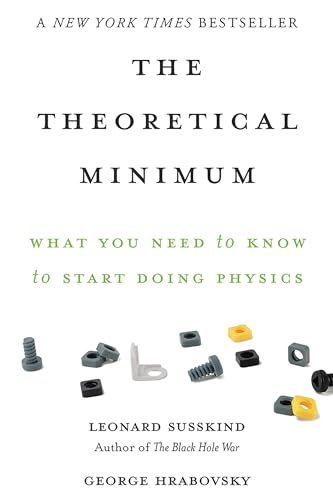
Dive into the captivating world of 'The Theoretical Minimum' where complex physics concepts are distilled into their simplest forms. Authors Leonard Susskind and George Hrabovsky take readers on an exhilarating journey through fundamental theories of the universe. This book serves as both a primer for budding physicists and a refreshment for seasoned scientists, blending theory with practical understanding. With engaging insights and thought-provoking techniques, it challenges you to think deeply about the nature of reality. Are you ready to uncover the mathematical framework that underpins everything around us?
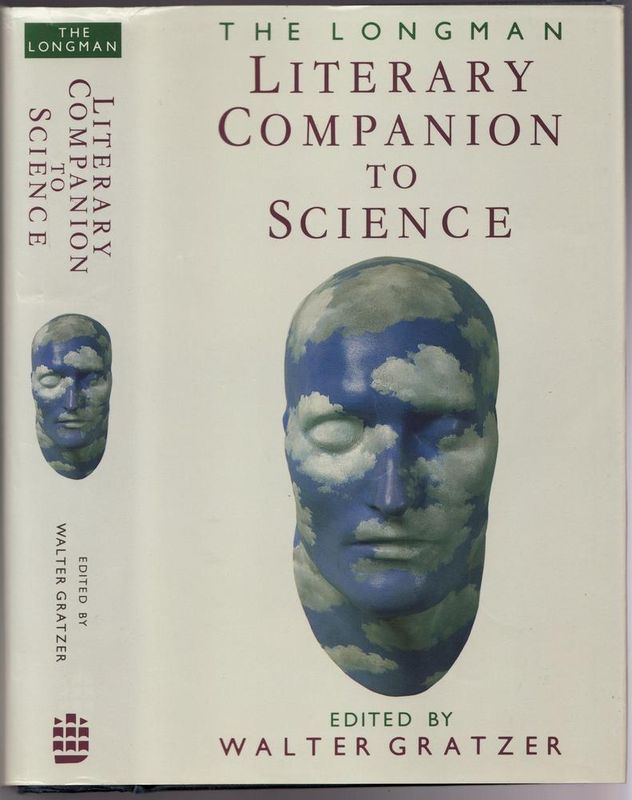
A Literary Companion to Science by Angus Fletcher delves into the intersection of science and literature, exploring how scientific concepts have influenced writers throughout history. This insightful book reveals the hidden connections between scientific breakthroughs and the literary imagination, offering readers a unique perspective on how science shapes the way we think, write, and understand the world. Fletcher draws from a wide array of texts and historical figures, showing how literature has responded to and reflected on scientific advancements across centuries.
'Differential Topology' by Victor Guillemin and Alan Pollack unveils the intricate relationship between geometry and calculus, exploring the manifold structures that shape our understanding of space. This text dives into the fundamental concepts of differentiable functions, providing readers with a solid foundation for advanced mathematical theories. With its clear explanations and thought-provoking examples, the book challenges you to rethink what you know about topology. The authors guide you through complex ideas with elegance and precision, making this a key resource for aspiring mathematicians. Are you ready to explore the seamless connections of shapes and forms in a world where dimension is just the beginning?

No summary available








Download our mobile app to enjoy your favorite books on the go. Get access to exclusive features, offline listening, and personalized recommendations.