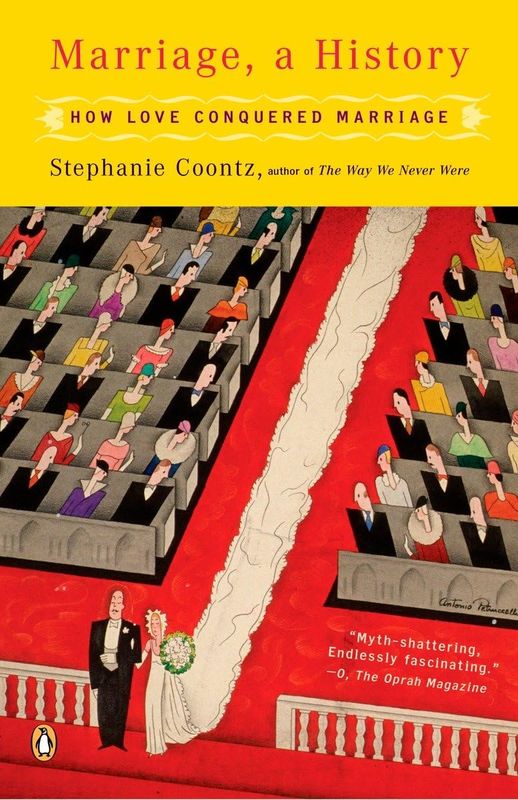

In 'Marriage, a History,' Stephanie Coontz uncovers the rich and complex evolution of marriage, revealing how its meaning and significance have transformed dramatically over centuries. She challenges the conventional notions of love and partnership, showing that marriage has often been more about economic and social arrangements than romantic love. Coontz delves into historical practices from various cultures, uncovering surprising truths that redefine our understanding of commitment and family. With compelling narratives and rich detail, this book invites readers to reassess their beliefs about the institution of marriage. Prepare to question everything you thought you knew about the bonds that tie us together!
By Stephanie Coontz
Published: 2006
"Marriage has been shaped by economic, social, and cultural forces throughout history, and understanding its evolution allows us to understand our own relationships today."
Just when the clamor over "traditional" marriage couldn’t get any louder, along comes this groundbreaking book to ask, "What tradition?" In Marriage, a History, historian and marriage expert Stephanie Coontz takes readers from the marital intrigues of ancient Babylon to the torments of Victorian lovers to demonstrate how recent the idea of marrying for love is—and how absurd it would have seemed to most of our ancestors. It was when marriage moved into the emotional sphere in the nineteenth century, she argues, that it suffered as an institution just as it began to thrive as a personal relationship. This enlightening and hugely entertaining book brings intelligence, perspective, and wit to today’s marital debate.
Showing 8 of 29 similar books
Mark Manson is a best-selling author and personal development expert known for his candid and no-nonsense approach to self-help. His most notable work, "The Subtle Art of Not Giving a F*ck," has sold millions of copies worldwide and has been translated into numerous languages, resonating with readers for its practical advice and irreverent tone. Manson followed up with another successful book, "Everything Is F*cked: A Book About Hope," which further cemented his reputation as a thought leader in modern existentialism. In addition to his books, he runs a popular blog that delves into topics ranging from happiness to personal growth. His work has not only transformed the self-help genre but also influenced a global audience seeking authentic and actionable guidance.
Esther Perel is a renowned Belgian psychotherapist and author, celebrated for her groundbreaking work in the field of relationships and sexuality. She is best known for her best-selling books "Mating in Captivity: Unlocking Erotic Intelligence" and "The State of Affairs: Rethinking Infidelity," which explore the complexities of modern love and desire. Perel's insightful TED Talks have garnered millions of views, further establishing her as a leading voice on intimacy and human connection. She also hosts the popular podcast "Where Should We Begin?" where she provides a candid look into the intricacies of couples therapy. Perel's innovative perspectives have significantly influenced contemporary discussions on relationships, making her a pivotal figure in both psychology and literature.
Joe Rogan is a multifaceted American entertainer known primarily for his work as a comedian, podcast host, and commentator. He gained widespread recognition through his immensely popular podcast, "The Joe Rogan Experience," which has featured in-depth conversations with a diverse array of guests, including scientists, celebrities, and politicians. Though not primarily known for literature, Rogan has contributed to the field with his thought-provoking discussions that often explore philosophical and intellectual ideas. Additionally, he has authored the book "Mastering the Rubber Guard," which delves into Brazilian Jiu-Jitsu techniques, showcasing his expertise in martial arts. Rogan's influence extends beyond traditional media, impacting contemporary discourse through his unique blend of humor, curiosity, and critical thinking.
Naval Ravikant is an entrepreneur, angel investor, and philosopher, best known as the co-founder of AngelList, a platform that connects startups with investors. Ravikant is a prolific thinker and writer on topics such as startups, investing, and personal well-being, sharing his wisdom through essays, podcasts, and social media. He has invested in over 100 companies, including Uber, Twitter, and Yammer, making him one of Silicon Valley’s most successful angel investors. Ravikant is also known for his philosophical musings on wealth, happiness, and the meaning of life, which have garnered him a large and dedicated following.
Ashton Kutcher is an accomplished actor, producer, and entrepreneur best known for his roles in popular television series such as "That '70s Show" and "Two and a Half Men." While not primarily recognized for contributions to literature, Kutcher has significantly impacted the tech industry through his venture capital firm, A-Grade Investments, which has funded successful startups like Airbnb and Uber. Additionally, he co-founded the media company Katalyst, which has produced various digital content. Kutcher is also an active philanthropist, co-founding the DNA Foundation, now known as Thorn, which focuses on combating human trafficking and the sexual exploitation of children. His diverse ventures reflect a commitment to innovation, social good, and entertainment.
Janet Mock is an acclaimed writer, director, and transgender rights activist known for her groundbreaking memoir, "Redefining Realness," which became a New York Times bestseller. She followed this with "Surpassing Certainty," further cementing her voice in contemporary literature. Mock's work has not only highlighted her own journey but also brought vital visibility to the transgender community. In addition to her literary achievements, she has made significant contributions to television, notably as a writer, director, and producer for the series "Pose." Through her multifaceted career, Mock has become a powerful advocate for LGBTQ+ rights and an influential figure in modern storytelling.
Brian Earp is a distinguished ethicist and interdisciplinary researcher, renowned for his extensive work in medical ethics, philosophy, and psychology. He serves as the Associate Director of the Yale-Hastings Program in Ethics and Health Policy at Yale University. Earp has co-authored several influential books, including "Love Drugs: The Chemical Future of Relationships," which explores the ethical implications of using pharmaceuticals to enhance romantic relationships. His scholarly articles have been widely published in leading academic journals, making significant contributions to debates on bioethics, sexuality, and human enhancement. Earp is also recognized for his engaging public outreach, effectively bridging the gap between academic research and public discourse.
Peter Thiel is a renowned entrepreneur, venture capitalist, and author best known for co-founding PayPal and Palantir Technologies. He played a pivotal role in the early growth of Facebook as its first outside investor. Thiel's literary contributions include his influential book "Zero to One: Notes on Startups, or How to Build the Future," which offers insights into innovation, entrepreneurship, and the future of technology. A prominent figure in Silicon Valley, he has significantly impacted the tech industry's landscape through his investments and thought leadership. Thiel's work continues to inspire entrepreneurs and innovators around the world.
Showing 8 of 16 related collections
“Marriage has been shaped by economic, social, and cultural forces throughout history, and understanding its evolution allows us to understand our own relationships today.”
Marriage, a History
By Stephanie Coontz
Discover a world of knowledge through our extensive collection of book summaries.
Stephanie Coontz is a renowned author and historian specializing in the social and economic history of the family. She is best known for her works such as 'The Way We Never Were: American Families and the Nostalgia Trap' and 'Marriage, a History: From Obedience to Freedom.' Coontz's writing combines meticulous research with a compelling narrative style, making complex topics accessible and engaging to a broad audience. She often challenges traditional views of family structures and relationships, offering insights that stimulate conversation and reflection on modern social issues.
Key information about the book.
 Buy on Amazon
 Buy via BookShop
Support local bookstores: BookShop gives a portion of each sale to independent bookshops!
In "A Brief History of Time," Stephen Hawking takes readers on a captivating journey through the cosmos, exploring the nature of time, black holes, and the universe's beginnings. With stunning clarity, he unravels complex scientific concepts, inviting everyone—from curious laypersons to seasoned physicists—to ponder the mysteries of existence. Hawking's charismatic storytelling challenges our perceptions of reality and time itself, posing profound questions about the universe's fate. As he merges science with philosophy, the reader is compelled to reflect on their place in a vast, enigmatic cosmos. Prepare to be inspired and awed by a narrative that transcends mere facts, pushing the boundaries of human understanding.
In '21 Lessons for the 21st Century', Yuval Noah Harari navigates the complex landscape of today's world, tackling urgent questions about our future. From the impact of technology on society to the challenges of political stability, each lesson provokes thought and introspection. Harari explores key themes such as the rise of artificial intelligence, the significance of data, and the importance of meaning in an increasingly uncertain world. With a blend of history, philosophy, and science, the book invites readers to reflect on their roles in shaping a shared future. Will we adapt, or become obsolete? Dive in to uncover the lessons that could redefine humanity's path.
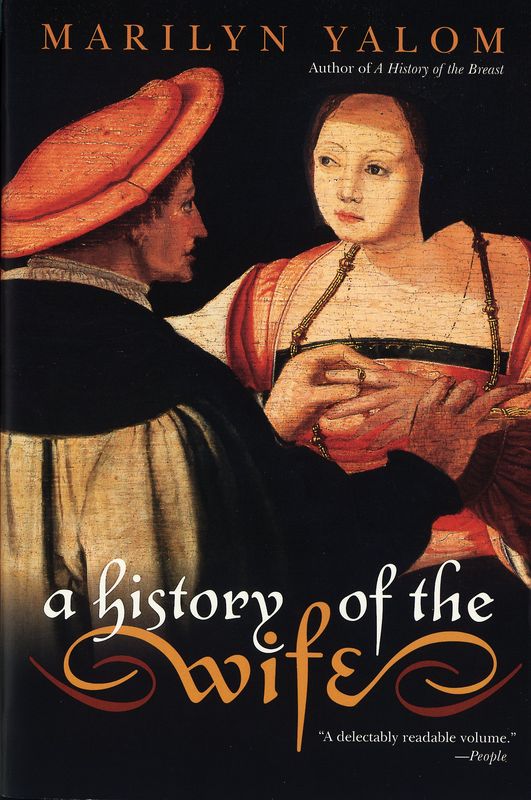
In 'A History of the Wife', Marilyn Yalom unveils the often-overlooked narratives of women throughout history, exploring the evolution of marriage and the roles of wives in society. Through a blend of historical analysis and personal anecdotes, Yalom reveals the complex dynamics between love, obligation, and identity. Readers journey through various cultures and time periods, witnessing the shifting expectations placed on wives. This illuminating work challenges conventional views on marriage, inviting reflection on contemporary relationships. A must-read for anyone curious about how the past influences the present in the realm of love and partnership.
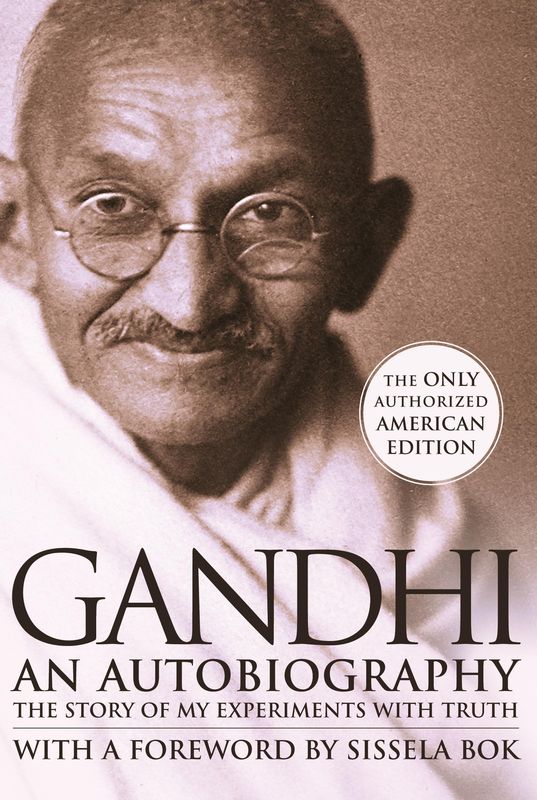
In 'An Autobiography', Mohandas K. Gandhi shares the remarkable journey of his life, revealing the evolution of his philosophy of non-violence and truth. From his early years in India to his transformative experiences in South Africa, Gandhi exposes the struggles that shaped his commitment to social justice. His candid reflections on faith, morality, and personal growth challenge conventional beliefs and inspire readers to question their own values. This gripping narrative not only details his political activism but also provides an intimate look at his family life and spiritual pursuits. Discover the profound insights that guided one of history's most influential leaders in his quest for freedom and equality.
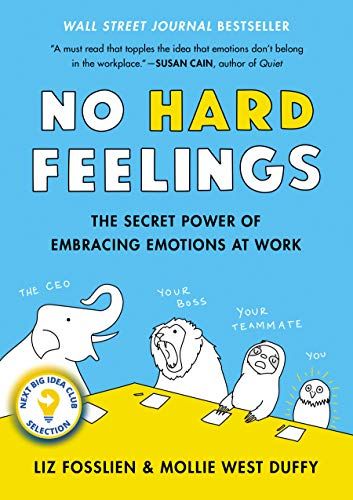
'No Hard Feelings' explores the intersection of emotions and the workplace, guiding readers through the complexities of navigating professional relationships with empathy and authenticity. Liz Fosslien and Mollie West Duffy intertwine research with relatable anecdotes to challenge the notion that emotions are a weakness in business settings. This eye-opening guide encourages individuals to embrace vulnerability and foster genuine connections at work. With practical strategies and insightful illustrations, the authors provide tools to improve team dynamics and personal well-being. Are you ready to transform your work life by embracing your true feelings?
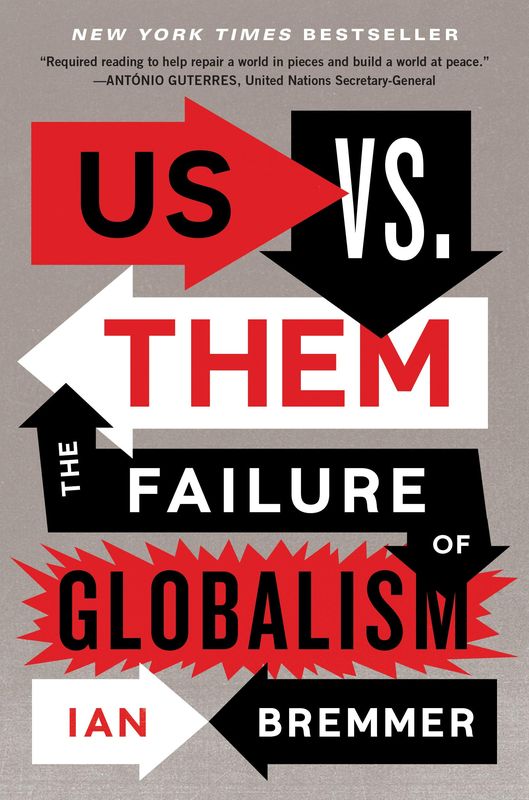
In 'Us vs. Them,' Ian Bremmer explores the deepening divides in global politics, economics, and society. He examines the rise of populism and nationalism, illustrating how these trends are reshaping relationships between countries and citizens. Bremmer argues that these divisions create a dangerous landscape where trust erodes and conflict flourishes. Through compelling case studies, he deftly uncovers the ways these divides affect our daily lives and the future of democracy. Will humanity overcome its instinct to separate into 'us' and 'them' before it’s too late?
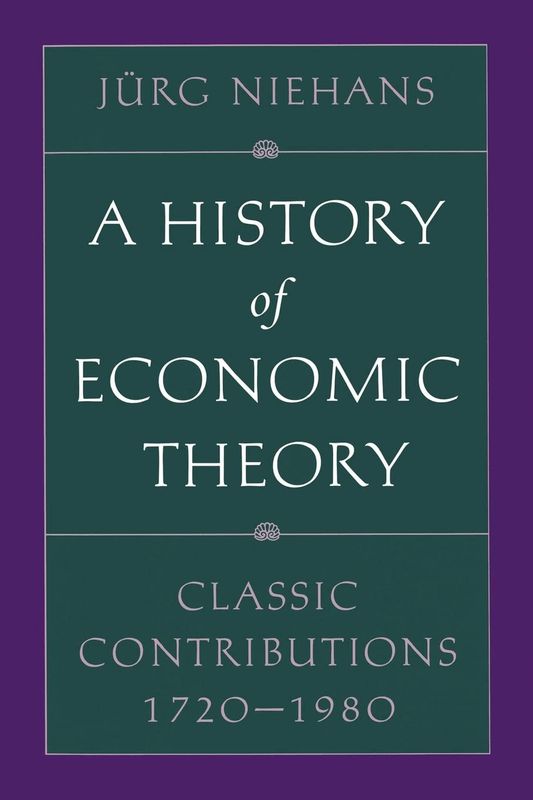
In 'A History of Economic Theory', Jürg Niehans takes readers on a captivating journey through the evolution of economic thought. From ancient philosophies to contemporary paradigms, the book unravels how ideas have shaped economic practices across cultures and eras. With each chapter, Niehans reveals the intellectual battles and breakthroughs that have defined the discipline. Rich in historical context, this work challenges readers to consider the relevance of past theories in today's economy. Dive into this scholarly adventure and discover how the past continually influences our understanding of wealth and value.
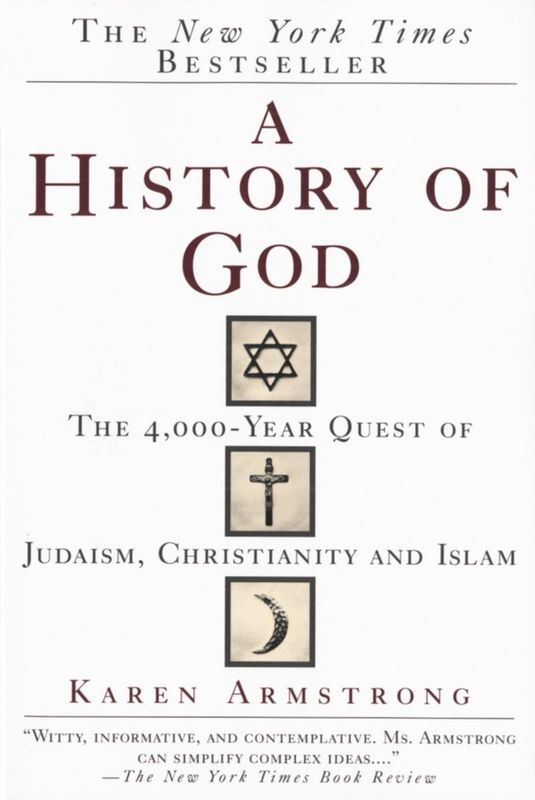
In 'A History of God', Karen Armstrong embarks on a fascinating journey through the evolution of the concept of God from ancient times to the modern era. She explores how various religions—Judaism, Christianity, and Islam—have shaped humanity's understanding of the divine, revealing the complexities and contradictions in these beliefs. Highlighting the influence of culture, politics, and philosophy, Armstrong invites readers to reconsider their perceptions of faith and spirituality. This thought-provoking narrative raises profound questions about the nature of belief and the future of religious thought. Are we on the brink of a new understanding of God, or are we simply repeating history?







Download our mobile app to enjoy your favorite books on the go. Get access to exclusive features, offline listening, and personalized recommendations.