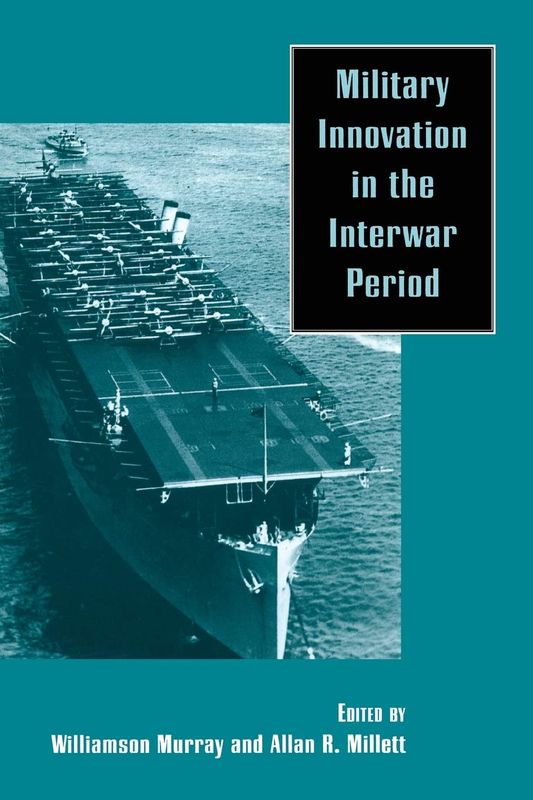

'Military Innovation in the Interwar Period' unpacks the transformative years between the two World Wars, revealing how military strategies evolved amidst the turmoil of the time. Authors Williamson R. Murray and Allan R. Millett delve deep into the lessons learned, showcasing pivotal innovations that would shape modern warfare. The book challenges conventional narratives, illustrating how different nations adapted to emerging technologies and shifting paradigms. From the rise of armored warfare to the advent of air power, each development is meticulously examined. Prepare to uncover the surprising decisions and bold tactics that set the stage for World War II.
By Williamson R. Murray, Allan R. Millett
Published: 1998
"Military evolution often springs from the crucible of necessity, where innovative minds break free from the shackles of tradition to forge strategies that anticipate the chaos of future wars."
A study of major military innovations in the 1920s and 1930s.
Showing 8 of 28 similar books
Ta-Nehisi Coates is an acclaimed American author and journalist known for his profound explorations of African American culture and history. His seminal work, "Between the World and Me," won the National Book Award for Nonfiction in 2015 and has been lauded for its poignant examination of race in America. Coates has also made significant contributions to comic books, notably writing for Marvel's "Black Panther" and "Captain America" series. He has been a national correspondent for The Atlantic, where his essays garnered widespread attention and accolades. Coates continues to influence contemporary thought on race, history, and politics through his powerful and evocative writing.
James Clear is the author of the bestselling book Atomic Habits, which focuses on the power of small habits and incremental improvements to achieve significant personal and professional growth. Clear’s writing blends insights from psychology, neuroscience, and productivity to provide practical strategies for building better habits. His work has helped millions of people create positive changes in their lives by focusing on the process rather than the outcome. James’s clear, actionable advice has made him a sought-after speaker and thought leader in the field of personal development.
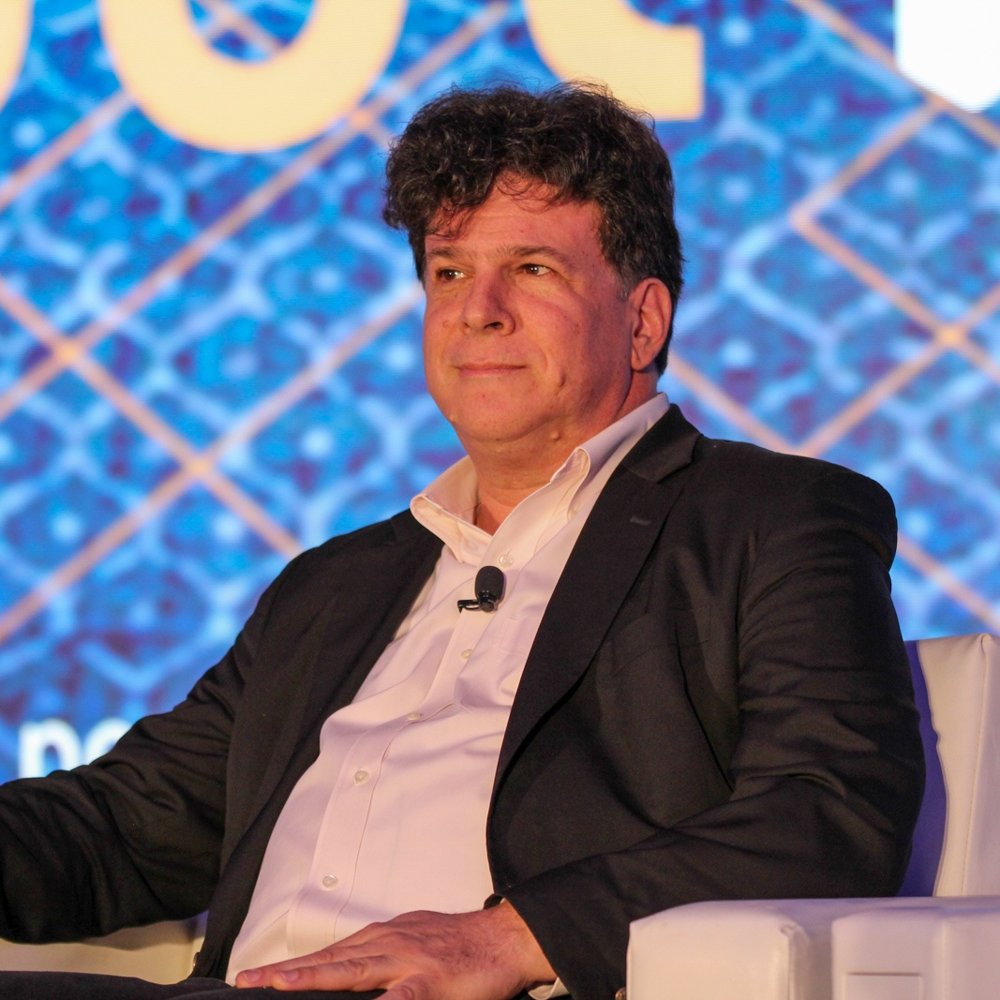
Eric Weinstein is an accomplished American mathematician, economist, and writer, known for his influential work in the fields of geometric unity and economic theory. As the Managing Director of Thiel Capital, he has significantly impacted the financial and technological sectors. Weinstein is also renowned for his thought-provoking discussions on the podcast "The Portal," where he explores complex scientific and social issues. He has written extensively on a variety of topics, contributing to both academic and popular literature. His unique perspectives and interdisciplinary approach have earned him recognition as a leading intellectual voice of his generation.
Emma Watson is a British actress and activist best known for her role as Hermione Granger in the "Harry Potter" film series, which brought J.K. Rowling's beloved books to life. Beyond her acting career, Watson has made significant contributions to literature by promoting gender equality and women's rights through her work with the United Nations, including the HeForShe campaign. She has also curated and shared book recommendations that highlight feminist literature and diverse voices. Watson graduated from Brown University with a degree in English literature, further emphasizing her dedication to the literary world. Her advocacy and influence have made her a prominent figure in both the entertainment and literary communities.
Jon Hamm is an American actor best known for his role as Don Draper in the critically acclaimed television series "Mad Men," which aired from 2007 to 2015. While Hamm's achievements are primarily in acting, his portrayal of the complex, enigmatic ad executive has been lauded for its depth and nuance, significantly impacting television storytelling. His performance earned him numerous awards, including a Golden Globe and an Emmy. Beyond "Mad Men," Hamm has appeared in various films and TV shows, showcasing his versatility across genres. Though not primarily a literary figure, his work has influenced contemporary narratives and character development in modern media.
Jon Stewart is an American comedian, writer, and former host of The Daily Show, where he gained fame for his satirical take on news and politics. Stewart transformed The Daily Show into a critical voice in American media, blending humor with hard-hitting commentary on political and social issues. After stepping down from the show, Stewart has continued to advocate for causes like 9/11 first responders and veterans' rights. He is also a filmmaker, directing the political satire film Irresistible. Stewart remains a significant figure in American culture, known for his wit, activism, and influence on political discourse.
Jocko Willink is a retired Navy SEAL officer, renowned for his leadership during the Battle of Ramadi in the Iraq War, which earned him the Silver Star and Bronze Star. Transitioning from military service, he co-authored the best-selling book "Extreme Ownership: How U.S. Navy SEALs Lead and Win" with fellow SEAL Leif Babin, which has become a cornerstone in leadership and management literature. Willink has also written the "Way of the Warrior Kid" series, aimed at empowering young readers with principles of discipline and resilience. Additionally, he hosts the popular "Jocko Podcast," where he discusses leadership, discipline, and personal development. Willink's influence extends beyond literature through his Echelon Front leadership consultancy, helping organizations implement effective leadership strategies.
Larry Ellison is an American entrepreneur and co-founder of Oracle Corporation, a leading enterprise software company. Notably, Ellison's contributions to the technology industry have been profound, with Oracle's database software becoming a cornerstone for businesses worldwide. Although his primary fame stems from his business ventures, Ellison has also authored and co-authored works on technology and business strategy, sharing insights from his extensive career. His visionary leadership has not only revolutionized enterprise software but also inspired literature on innovation and corporate management. Ellison's achievements are a testament to the transformative power of technological advancement in modern business practices.
Showing 8 of 14 related collections
“Military evolution often springs from the crucible of necessity, where innovative minds break free from the shackles of tradition to forge strategies that anticipate the chaos of future wars.”
Military Innovation in the Interwar Period
By Williamson R. Murray, Allan R. Millett
Discover a world of knowledge through our extensive collection of book summaries.
Williamson R. Murray is a distinguished author and military historian best known for his in-depth research and analysis on military strategy and history. His notable works include 'A War To Be Won: Fighting the Second World War', 'Strategy for Chaos: Revolutions in Military Affairs and the Evidence of History', and 'The Change in the European Balance of Power 1938-1939'. Murray's writing style is characterized by a rigorous, analytical approach that combines scholarly research with engaging narrative, making complex historical concepts accessible to both academic and general readers. He is recognized for his contributions to the understanding of military operations and strategic theory.
Allan R. Millett is a distinguished American historian and author, widely recognized for his expertise in military history and strategy. He served as the Director of the Eisenhower Center for American Studies and is a professor at the University of New Orleans. His notable works include 'A War to Be Won: Allies and Adversaries in WWII,' 'The Politics of Stability: The American Intervention in the Balkans,' and 'The War for Korea, 1945-1950.' Millett's writing is characterized by its rigorous scholarship, clear narrative style, and deep understanding of the complexities of warfare and international relations. Through his research, he sheds light on the interactions between military strategy and historical context.
Key information about the book.
 Buy on Amazon
 Buy via BookShop
Support local bookstores: BookShop gives a portion of each sale to independent bookshops!

'Fighting for Your Marriage' offers a groundbreaking perspective on relationship dynamics, emphasizing that conflict can be a catalyst for deeper intimacy. Through practical strategies and scientific insights, the authors guide couples to effectively navigate disagreements without escalating tensions. Readers will discover the importance of communication and compromise, learning how to turn arguments into opportunities for growth. This essential guide not only addresses common pitfalls but also reinforces the idea that a thriving marriage requires continuous effort and commitment. Are you ready to transform your relationship struggles into powerful bonding experiences?
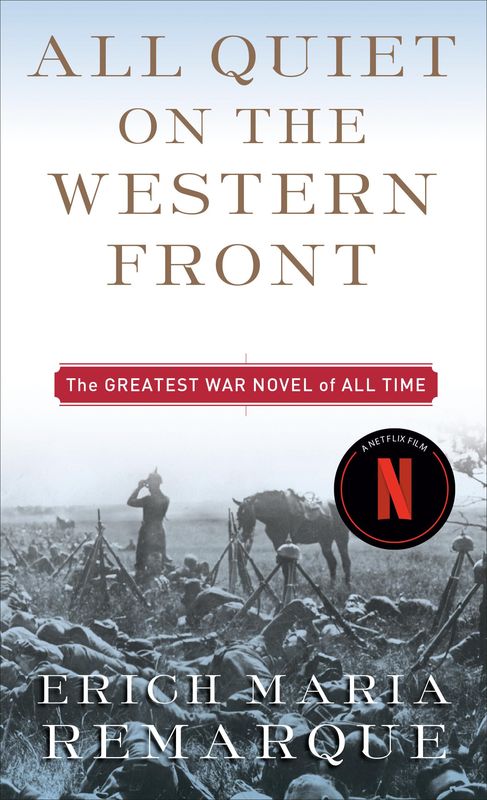
'All Quiet on the Western Front' is a harrowing tale of young German soldiers fighting in World War I. Through the eyes of Paul Bäumer, readers experience the brutal realities and psychological toll of trench warfare. As camaraderie forms amidst devastation, the novel poignantly explores themes of loss and disillusionment. It raises profound questions about the nature of war and its impact on youth. This timeless classic compels readers to reflect on the true cost of conflict, making it an essential read for those seeking to understand the human experience in times of strife.
In 'How Full Is Your Bucket? Anniversary Edition,' Tom Rath and Don Clifton explore the profound impact of positive and negative interactions on our emotional well-being. Using the metaphor of a bucket to represent our mental state, the authors reveal how every interaction either fills or empties it. The book presents practical strategies to increase positivity in our lives and the lives of those around us. By fostering a culture of encouragement and appreciation, readers learn to cultivate stronger relationships and enhance their own happiness. Dive into this insightful read to discover how small actions can lead to monumental shifts in your daily life!
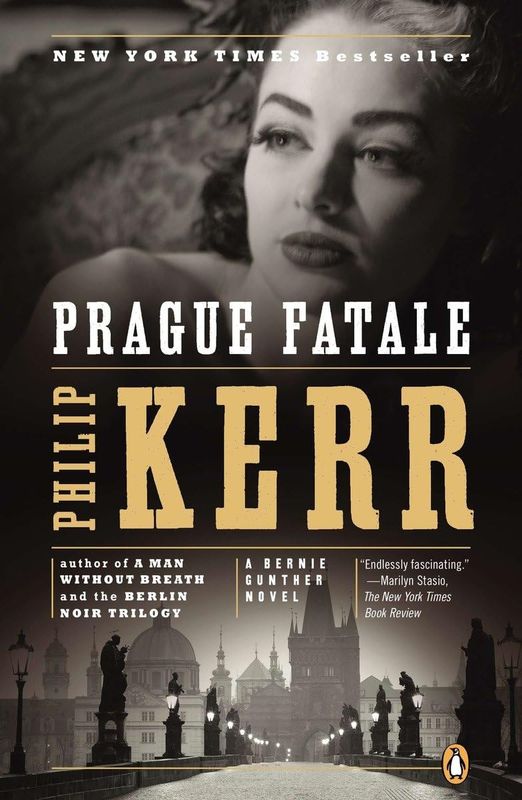
In 'Prague Fatale,' detective Bernie Gunther is drawn into a web of intrigue in 1930s Prague, where the shadows of war loom large. When a high-ranking Nazi official is murdered, Gunther must navigate the treacherous waters of power, betrayal, and dark secrets to uncover the truth. As he delves deeper, he discovers a conspiracy that threatens to unravel everything he holds dear. The city's haunting streets pulse with danger, and every ally could be a foe. Will Gunther risk everything to solve the mystery, or will he become the next victim in a game of deadly chess?
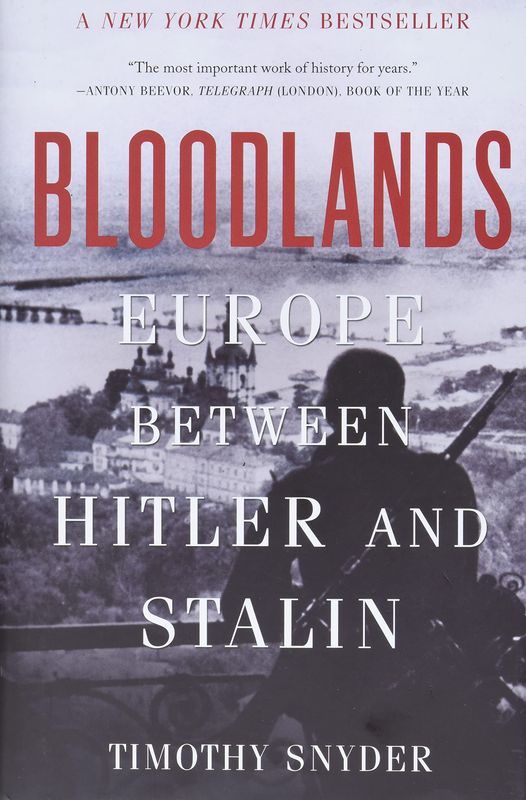
In 'Bloodlands', Timothy Snyder unveils the haunting history of the regions between Nazi Germany and Soviet Russia during World War II. The book meticulously explores the horrific atrocities committed by both regimes, resulting in the deaths of millions. Snyder's vivid narrative intertwines personal stories with broader historical contexts, painting a poignant picture of suffering and survival. As readers delve into this dark past, they are challenged to reflect on the consequences of totalitarianism and the fragility of human life. This compelling work not only educates but also provokes an urgent conversation about memory, history, and the moral responsibilities of the present.
'The Ideas of Particle Physics' by J. E. Dodd delves into the fascinating world of subatomic particles, unraveling the complexities of the universe's building blocks. Dodd brilliantly simplifies sophisticated concepts, making them accessible to readers curious about the fundamental forces of nature. The book challenges conventional thinking and invites readers to explore groundbreaking theories and discoveries in particle physics. With engaging examples and vivid illustrations, it transforms abstract ideas into an intriguing narrative. Prepare to embark on a mind-bending journey that will leave you questioning the very fabric of reality!
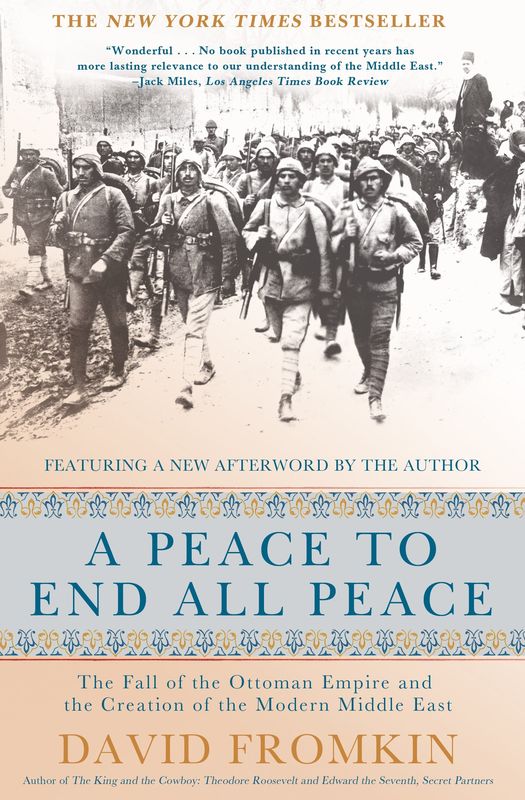
In 'A Peace to End All Peace', David Fromkin unravels the intricate web of events that led to the creation of the modern Middle East after World War I. With compelling narratives, Fromkin reveals how the decisions made by imperial powers set the stage for decades of conflict. This historical analysis not only highlights the reckless diplomacy of the time but also exposes the enduring consequences of these choices on today's geopolitical landscape. As tensions rise in the region, the book prompts readers to ponder: can any lasting peace ever truly emerge from such a fractured legacy? Dive into this thought-provoking exploration of history, power, and the quest for stability in a tumultuous world.
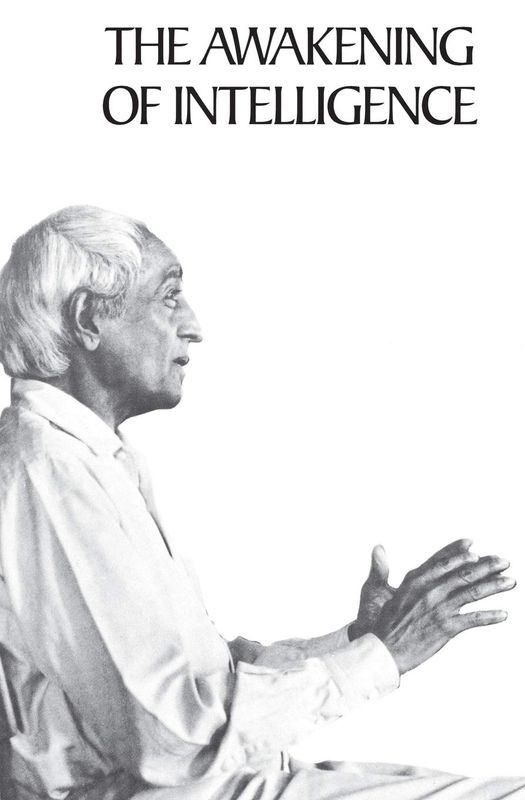
In 'The Awakening of Intelligence', Jiddu Krishnamurti delves into the depths of human consciousness, challenging the reader to awaken to their inherent intelligence. He poses profound questions about the nature of thought, freedom, and the conditioning of the mind. Through a series of insightful dialogues, Krishnamurti pushes the boundaries of conventional wisdom, urging a radical transformation of self-awareness. The work invites readers to explore the relationship between intelligence and everyday life, prompting a reevaluation of their beliefs and perceptions. Will you dare to embark on a journey that promises not just understanding, but a new way of being?







Download our mobile app to enjoy your favorite books on the go. Get access to exclusive features, offline listening, and personalized recommendations.