Models of My Life Book Summary
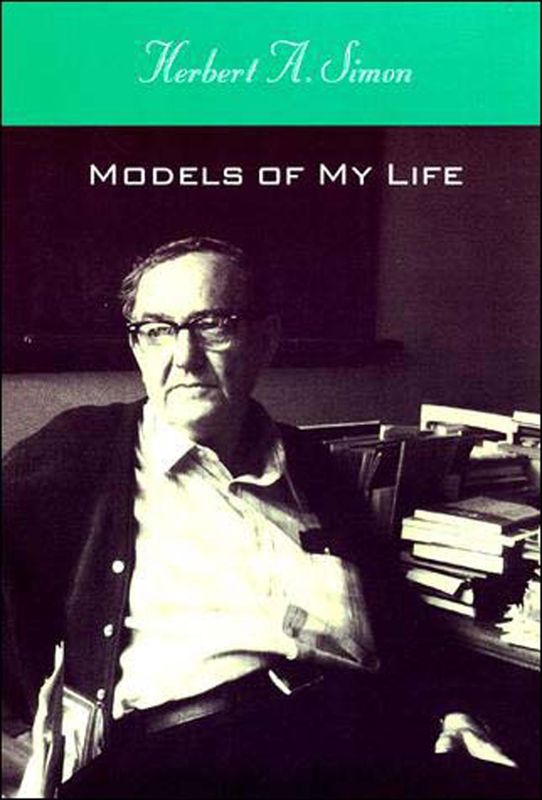
In 'Models of My Life', Nobel laureate Herbert A. Simon unveils the intricate tapestry of his intellectual journey, intertwining the realms of psychology, economics, and artificial intelligence. With a blend of autobiography and philosophy, Simon explores the models he created to navigate and understand the complexities of human decision-making. His reflections on the nature of rationality and the limits of knowledge challenge conventional wisdom and inspire deeper thought. Readers will be captivated by Simon's groundbreaking insights and the personal stories that shaped his groundbreaking theories. This book is not just a memoir; it's a profound exploration of the human condition that invites you to rethink the models that shape your own life.
By Herbert A. Simon
Published: 1996
"The art of being wise is the art of knowing what to overlook."

Start Listening to Book Summary
Book Review of Models of My Life
In this candid and witty autobiography, Nobel laureate Herbert A. Simon looks at his distinguished and varied career, continually asking himself whether (and how) what he learned as a scientist helps to explain other aspects of his life. A brilliant polymath in an age of increasing specialization, Simon is one of those rare scholars whose work defines fields of inquiry. Crossing disciplinary lines in half a dozen fields, Simon's story encompasses an explosion in the information sciences, the transformation of psychology by the information-processing paradigm, and the use of computer simulation for modeling the behavior of highly complex systems. Simon's theory of bounded rationality led to a Nobel Prize in economics, and his work on building machines that think—based on the notion that human intelligence is the rule-governed manipulation of symbols—laid conceptual foundations for the new cognitive science. Subsequently, contrasting metaphors of the maze (Simon's view) and of the mind (neural nets) have dominated the artificial intelligence debate. There is also a warm account of his successful marriage and of an unconsummated love affair, letters to his children, columns, a short story, and political and personal intrigue in academe.
Book Overview of Models of My Life
About the Book Author
Herbert A. Simon
Herbert A. Simon (1916-2001) was an acclaimed American author, psychologist, and Nobel laureate, best known for his pioneering work in cognitive psychology and artificial intelligence. His notable works include 'Administrative Behavior', 'Models of Bounded Rationality', and 'The Sciences of the Artificial'. Simon's writing style is characterized by clarity and a rigorous approach to complex subjects, often intertwining various disciplines such as economics, sociology, and computer science. His interdisciplinary insights have fundamentally influenced the fields of decision making, problem-solving, and organization theory.
Book Details
Key information about the book.
- Authors
- Herbert A. Simon
- Published
- October 1996
- Publisher
- MIT Press
- ISBN
- 026269185X
- Language
- English
- Pages
- 463
- Genres
- Philosophy of MindPhilosophyBiographyInspirational Biographies
Purchase Options
 Buy on Amazon
 Buy via BookShop
Support local bookstores: BookShop gives a portion of each sale to independent bookshops!
Similar books you might like →
The Autobiography of Benjamin Franklin Book Summary
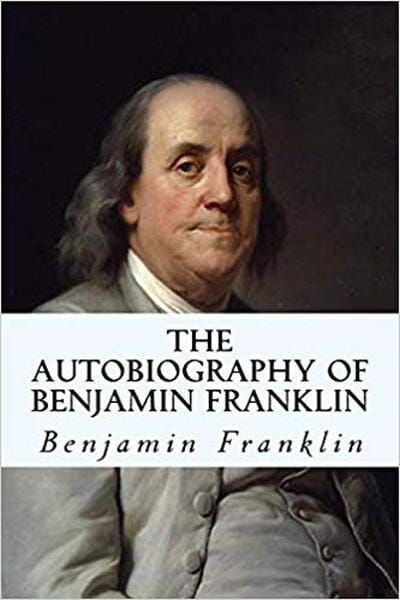
In 'The Autobiography of Benjamin Franklin,' the iconic Founding Father takes readers on a captivating journey through his life, revealing his rise from humble beginnings to becoming a key figure in American history. Franklin shares insightful anecdotes of his innovative spirit, dedication to self-improvement, and adventurous pursuits in science, politics, and philosophy. His wit and wisdom shine through as he candidly reflects on his successes and failures, providing a wealth of lessons for modern readers. Readers will discover not only the story of a remarkable man but also the principles that shaped a nation. This autobiography invites us to ponder our own paths and the impact of our choices.
Autobiography of a Yogi Book Summary
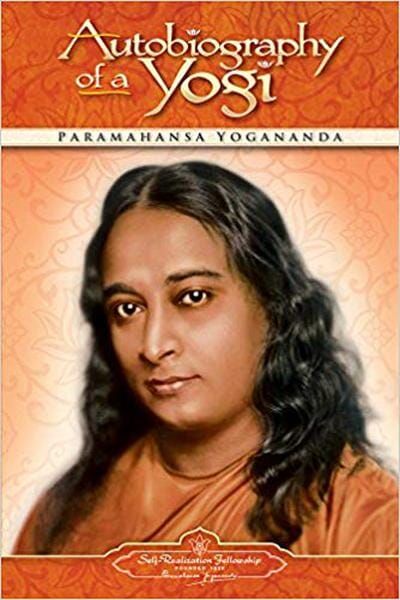
No summary available
The Fifth Season Book Summary
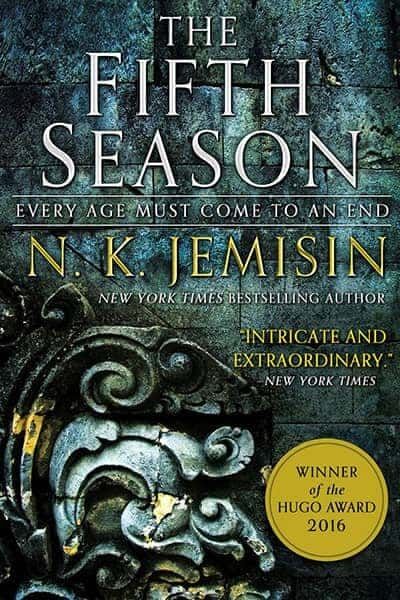
In a world plagued by constant seismic upheaval and societal collapse, 'The Fifth Season' weaves a tale of survival and resilience. The story follows Essun, a mother on a desperate quest to find her daughter amidst societal chaos. In a society that ostracizes those with the power to control the earth’s movements, the complexities of race, gender, and identity are interwoven into the narrative. As the land shifts beneath them, secrets abound and alliances form in unpredictable ways. Experience a profound journey where the fate of humanity hangs in the balance, and the power of the oppressed may be the key to understanding their broken world.
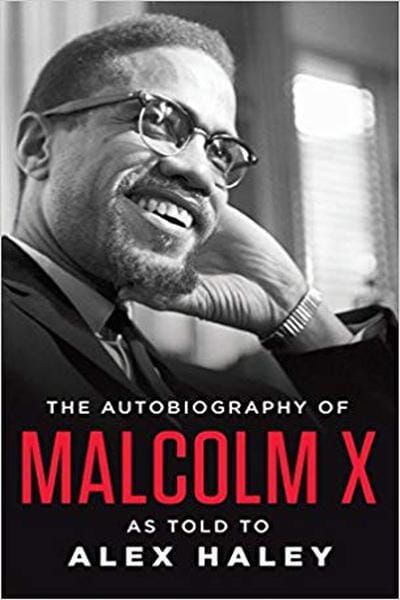
The Autobiography of Malcolm X Book Summary
No summary available
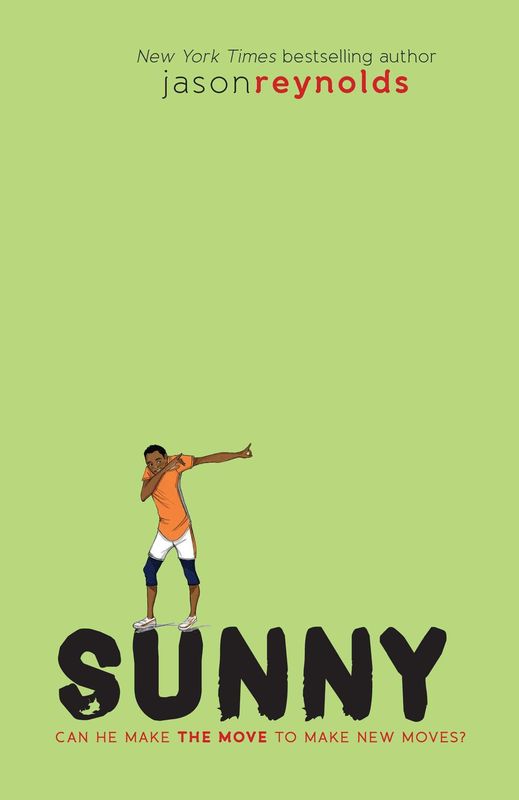
Sunny Book Summary
In 'Sunny' by Jason Reynolds, readers are introduced to Sunny, a boy who grapples with the complexities of family, friendship, and self-identity. As he navigates the expectations placed on him and his passion for dance, Sunny's story unfolds in a vivid tapestry of emotions. With a unique blend of humor and heart, Reynolds explores the struggles of growing up in a world that often demands conformity. The interplay of light and shadow in Sunny's life invites readers to reflect on their own journeys of self-discovery. Will Sunny find the courage to embrace his true self amidst the chaos surrounding him?
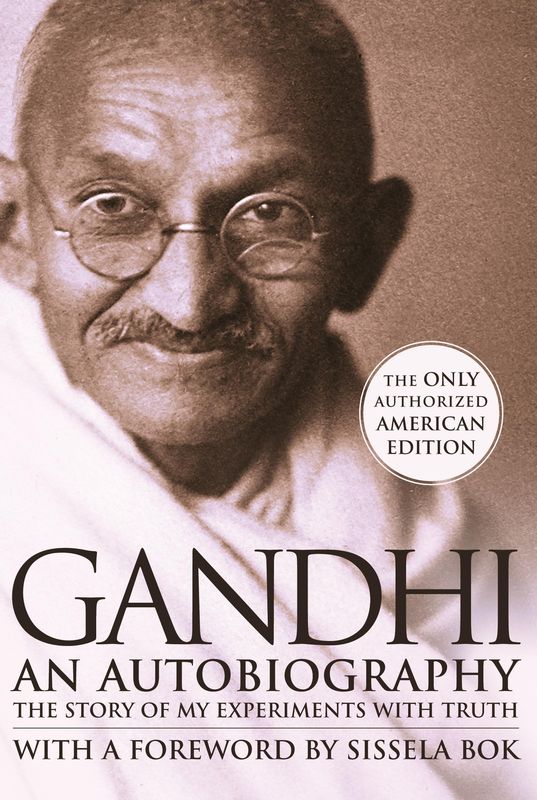
An Autobiography Book Summary
In 'An Autobiography', Mohandas K. Gandhi shares the remarkable journey of his life, revealing the evolution of his philosophy of non-violence and truth. From his early years in India to his transformative experiences in South Africa, Gandhi exposes the struggles that shaped his commitment to social justice. His candid reflections on faith, morality, and personal growth challenge conventional beliefs and inspire readers to question their own values. This gripping narrative not only details his political activism but also provides an intimate look at his family life and spiritual pursuits. Discover the profound insights that guided one of history's most influential leaders in his quest for freedom and equality.
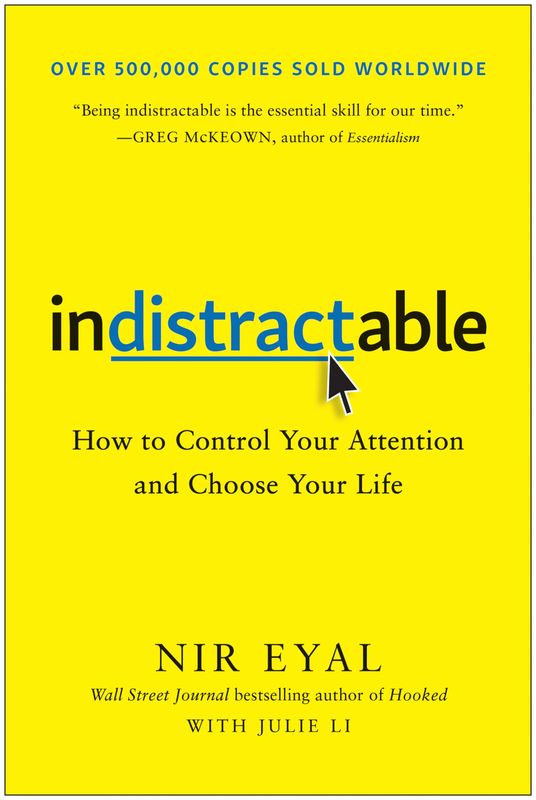
Indistractable Book Summary
In 'Indistractable', Nir Eyal uncovers the hidden psychology behind distraction and how our modern environment plays a role in it. He offers practical strategies to reclaim focus, emphasizing that becoming indistractable is not about elimination of all distractions, but about managing them effectively. With compelling anecdotes and scientific research, Eyal shows readers how to align their actions with their values and objectives. The journey toward greater productivity is not merely about willpower; it's about understanding the triggers that lead us astray. Could mastering the art of focus lead to a more fulfilled life?

Industrial-Strength Denial Book Summary
In 'Industrial-Strength Denial,' Barbara Freese uncovers the chilling truth about humanity’s refusal to confront climate change and the powerful forces behind this denial. The book explores how industries manipulate information and public perception to prioritize profit over environmental sustainability. Freese delves into the psychology of denial, revealing why even the most obvious dangers are often ignored. Through compelling anecdotes and rigorous research, she highlights the urgent need for acknowledgment and action. This thought-provoking read challenges us to confront uncomfortable truths and inspires a call to change.
Showing 8 of 25 similar books
Take your reading experience to the next level
Download our mobile app to enjoy your favorite books on the go. Get access to exclusive features, offline listening, and personalized recommendations.

Similar Book Recommendations →

Andrew Huberman's Book Recommendations
Andrew Huberman is a renowned neuroscientist and tenured professor at Stanford University, where he leads the Huberman Lab, focusing on brain function, behavior, and health. He has significantly contributed to the understanding of neural plasticity, particularly how the brain can change in response to experience and injury. Huberman is widely recognized for his engaging public science communication, which includes the popular "Huberman Lab" podcast that translates complex neuroscience topics into accessible insights for broad audiences. His research has been published in leading scientific journals, earning him numerous accolades and fostering a deeper public appreciation for neuroscience. Additionally, his work extends into practical applications, influencing fields such as mental health, vision restoration, and performance optimization.

Barack Obama's Book Recommendations
Barack Obama is the 44th President of the United States, serving from 2009 to 2017. As the first African American president, Obama’s leadership marked a historic moment in American history. His administration focused on healthcare reform, economic recovery from the Great Recession, and environmental policies. He is best known for the Affordable Care Act, as well as his efforts to expand civil rights and restore diplomatic relations with Cuba. Since leaving office, Obama has continued to engage in public life through his foundation, focusing on leadership development, civic engagement, and global issues.
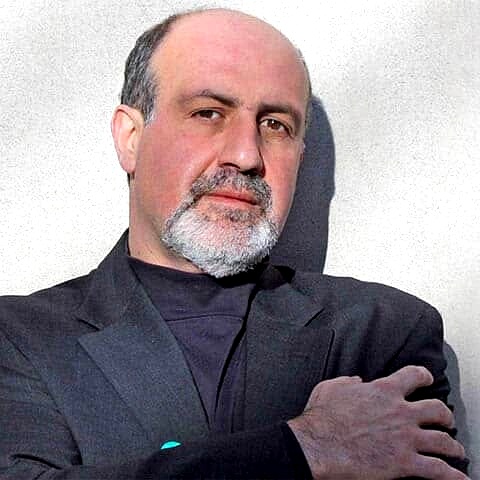
Nassim Nicholas Taleb's Book Recommendations
Nassim Nicholas Taleb is a Lebanese-American author, scholar, and risk analyst, best known for his work on uncertainty, probability, and risk. His books, including The Black Swan and Antifragile, explore how rare and unpredictable events shape the world and how individuals and systems can become more resilient to shocks. Taleb’s insights on risk management have influenced fields ranging from finance to medicine, and he is known for his outspoken criticism of conventional wisdom. His ideas about randomness, decision-making, and the limitations of human knowledge have made him a leading thinker in modern economics and philosophy.

David Perell's Book Recommendations
David Perell is a prominent writer and educator known for his influential work in the field of online education and digital writing. He is the creator of "Write of Passage," an acclaimed online writing course that has helped thousands of students refine their writing skills and build their personal brands. As a prolific blogger, Perell shares insights on topics ranging from technology and culture to productivity and creativity. His thought-provoking essays and articles have garnered a substantial following, establishing him as a thought leader in the digital age. Additionally, Perell hosts the popular "North Star Podcast," where he interviews leading thinkers and creators, further contributing to contemporary intellectual discourse.
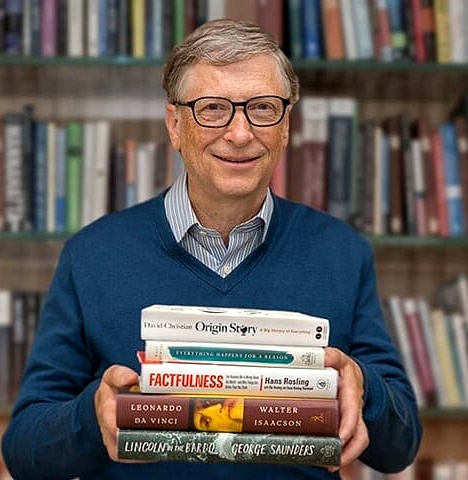
Bill Gates's Book Recommendations
Bill Gates, co-founder of Microsoft Corporation, is a pioneering figure in the tech industry, having played a key role in the personal computer revolution. His work at Microsoft, particularly the development of Windows, transformed software and computing globally. Beyond his technology contributions, Gates is also a prolific author, with notable works such as "The Road Ahead" and "Business @ the Speed of Thought," which offer insights into the future of technology and business. Additionally, his philanthropic efforts through the Bill & Melinda Gates Foundation have had a profound impact on global health, education, and poverty. Gates continues to influence both technology and literature with his forward-thinking perspectives and innovative ideas.
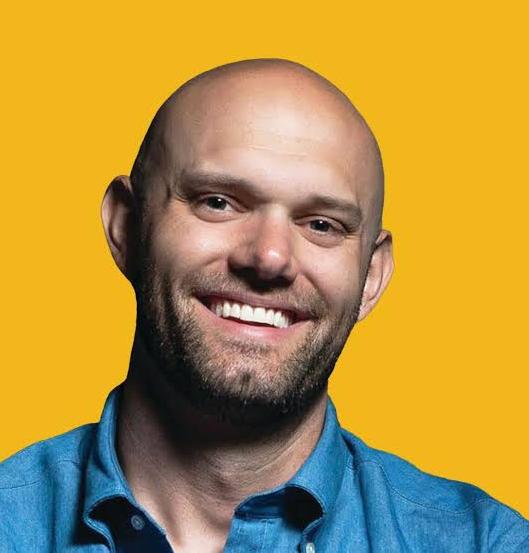
James Clear's Book Recommendations
James Clear is the author of the bestselling book Atomic Habits, which focuses on the power of small habits and incremental improvements to achieve significant personal and professional growth. Clear’s writing blends insights from psychology, neuroscience, and productivity to provide practical strategies for building better habits. His work has helped millions of people create positive changes in their lives by focusing on the process rather than the outcome. James’s clear, actionable advice has made him a sought-after speaker and thought leader in the field of personal development.
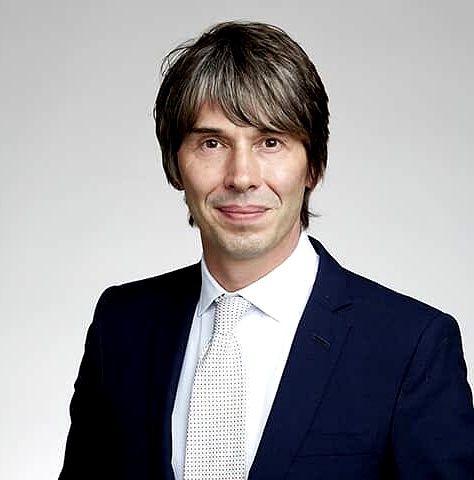
Brian Cox's Book Recommendations
Brian Cox is a Scottish actor and director, best known for his roles in films like Braveheart and Adaptation, as well as for his portrayal of media mogul Logan Roy in the hit HBO series Succession. Cox is renowned for his commanding screen presence and his ability to convey complex, often morally ambiguous characters. He has had a distinguished career in both film and theater, earning numerous awards, including a Golden Globe for his performance in Succession. In addition to his acting work, Cox is a vocal advocate for arts education and has been involved in various charitable initiatives. His longevity and versatility have made him a respected and influential figure in the entertainment industry.

Emily Ratajkowski's Book Recommendations
Emily Ratajkowski is a renowned model, actress, and author, who gained prominence in the entertainment industry through her work in fashion and film. She made a significant literary contribution with her debut book, "My Body," published in 2021, which explores themes of feminism, sexuality, and empowerment. The book received critical acclaim for its insightful and candid examination of her experiences in the public eye. Ratajkowski's writing has been praised for its depth and honesty, shedding light on the complexities of body politics and personal agency. Beyond her literary endeavors, she continues to use her platform to advocate for women's rights and social justice.
Showing 8 of 13 related collections
“The art of being wise is the art of knowing what to overlook.”
Models of My Life
By Herbert A. Simon
Frequently Asked Questions
Explore Our Catalogue
Discover a world of knowledge through our extensive collection of book summaries.
Genres
Genres
Genres
Featured Collections
- Top Book Club Picks
- One-Stop Nutrition
- Summer Reads 2024
- Best Beach Reads 2024
- Work-Life Balance Guide
- Time Management
- Healthy Foods
- Entrepreneur Toolkit
- Mind & Body Wellness
- Future Tech Insights
- Leadership Essentials
- Financial Freedom
- Sci-Fi Masterpieces
- Parenting 101
- Books That Became Blockbusters
- Guide to a Healthy Pregnancy