Nixonland Book Summary
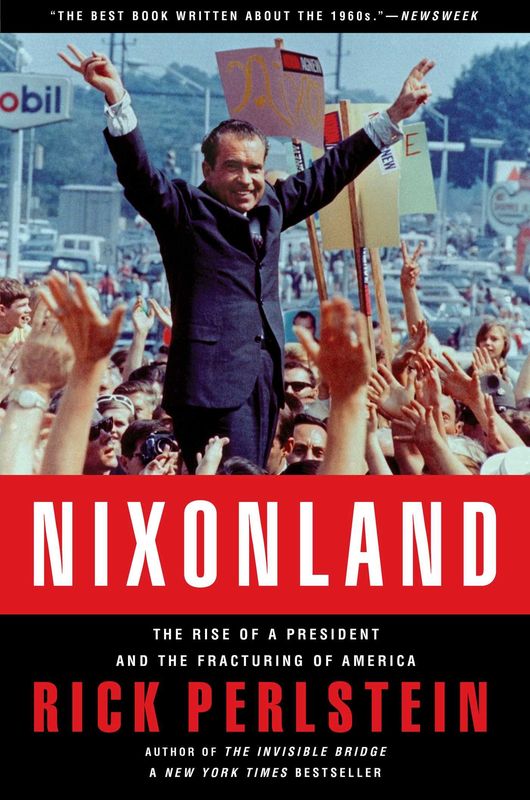
In 'Nixonland,' Rick Perlstein masterfully chronicles the tumultuous era of the 1960s and 70s through the lens of Richard Nixon's political rise and moral decline. The book delves deep into the cultural upheaval and societal divisions that marked this period, painting a vivid portrait of a nation in chaos. Perlstein's compelling narrative reveals how Nixon exploited fears and anxieties to secure his power, shaping a legacy that still resonates today. With rich details and gripping storytelling, 'Nixonland' invites readers to explore the complexities of a leader who was both a product and a shaper of his times. Prepare to uncover the hidden forces that shaped modern America and the enigmatic figure at its center.
By Rick Perlstein
Published: 2009
"In the chaos of the 1960s, the American psyche wrestled with its own demons, revealing how the politics of despair and division could lead even the most unyielding to compromise their ideals."

Start Listening to Book Summary
Book Review of Nixonland
Told with urgency and sharp political insight, Nixonland recaptures America's turbulent 1960s and early 1970s and reveals how Richard Nixon rose from the political grave to seize and hold the presidency. Perlstein's epic account begins in the blood and fire of the 1965 Watts riots, nine months after Lyndon Johnson's historic landslide victory over Barry Goldwater appeared to herald a permanent liberal consensus in the United States. Yet the next year, scores of liberals were tossed out of Congress, America was more divided than ever, and a disgraced politician was on his way to a shocking comeback: Richard Nixon. Between 1965 and 1972, America experienced no less than a second civil war. Out of its ashes, the political world we know now was born. It was the era not only of Nixon, Johnson, Spiro Agnew, Hubert H. Humphrey, George McGovern, Richard J. Daley, and George Wallace but Abbie Hoffman, Ronald Reagan, Angela Davis, Ted Kennedy, Charles Manson, John Lindsay, and Jane Fonda. There are tantalizing glimpses of Jimmy Carter, George H. W. Bush, Jesse Jackson, John Kerry, and even of two ambitious young men named Karl Rove and William Clinton -- and a not so ambitious young man named George W. Bush. Cataclysms tell the story of Nixonland: -Angry blacks burning down their neighborhoods in cities across the land as white suburbanites defend home and hearth with shotguns -The student insurgency over the Vietnam War, the assassinations of Robert F. Kennedy and Martin Luther King, and the riots at the 1968 Democratic National Convention -The fissuring of the Democratic Party into warring factions manipulated by the “dirty tricks” of Nixon and his Committee to Re-Elect the President -Richard Nixon pledging a new dawn of national unity, governing more divisively than any president before him, then directing a criminal conspiracy, the Watergate cover-up, from the Oval Office Then, in November 1972, Nixon, harvesting the bitterness and resentment born of America's turmoil, was reelected in a landslide even bigger than Johnson's 1964 victory, not only setting the stage for his dramatic 1974 resignation but defining the terms of the ideological divide that characterizes America today. Filled with prodigious research and driven by a powerful narrative, Rick Perlstein's magisterial account of how America divided confirms his place as one of our country's most celebrated historians.
Book Overview of Nixonland
About the Book Author
Rick Perlstein
Rick Perlstein is an acclaimed American author and historian best known for his groundbreaking works on the political history of the United States during the late 20th century. He gained prominence with his first book, "Nixonland: The Rise of a President and the Fracturing of America" (2008), which received critical acclaim for its in-depth analysis of the Nixon era. Perlstein has since published other notable works including "The Invisible Bridge: The Fall of Nixon and the Rise of Reagan" (2014) and "Reaganland: America’s Right Turn 1976-1980" (2020), which provide a rich narrative of the political shifts and cultural changes that defined modern America. His writing style is characterized by meticulous research, vivid storytelling, and a keen eye for the nuances of political discourse, making complex historical events accessible and engaging for a broad audience. Perlstein’s work often explores themes of power, identity, and the evolution of American politics, establishing him as a leading voice in contemporary historical literature.
Book Details
Key information about the book.
- Authors
- Rick Perlstein
- Published
- April 2009
- Publisher
- Scribner
- ISBN
- 074324303X
- Language
- English
- Pages
- 896
- Genres
- Political HistoryPolitical LeadersPolitics and Current Affairs
Purchase Options
 Buy on Amazon
 Buy via BookShop
Support local bookstores: BookShop gives a portion of each sale to independent bookshops!
Similar books you might like →
The Code Breaker Book Summary
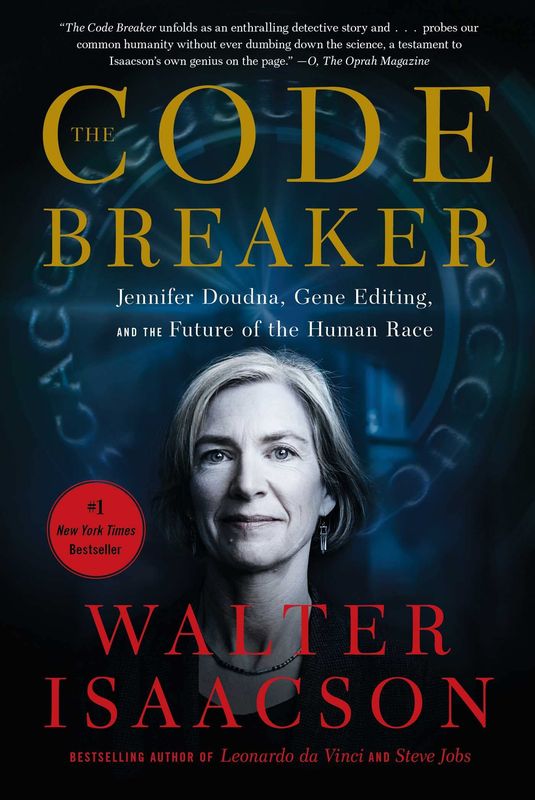
In 'The Code Breaker', Walter Isaacson delves into the captivating world of CRISPR gene-editing technology, following the brilliant mind of Jennifer Doudna. This gripping narrative explores the ethical dilemmas and scientific breakthroughs that come with harnessing the power to edit life itself. As researchers grapple with the implications of their discoveries, readers are invited into a fast-paced journey that intertwines science, ambition, and morality. With vivid stories of personal triumphs and challenges, Isaacson raises profound questions about the future of humanity. Will unlocking the secrets of our DNA lead to a utopia or unforeseen consequences?

Empire of Fortune Book Summary
'Empire of Fortune' by Francis Jennings is a captivating exploration of the economic forces that shaped early America. Jennings delves into the complexities of wealth, power, and the impacts of colonialism on both the European settlers and Indigenous peoples. With rich historical insights and vivid storytelling, the book illuminates how fortune was both made and lost in the tumult of conflict and ambition. Readers are drawn into a world where fortunes are built on trade, land, and the tumultuous exchange of cultures. This compelling narrative invites readers to reflect on the origins of modern America and the legacies that still influence us today.
Accidental Presidents Book Summary
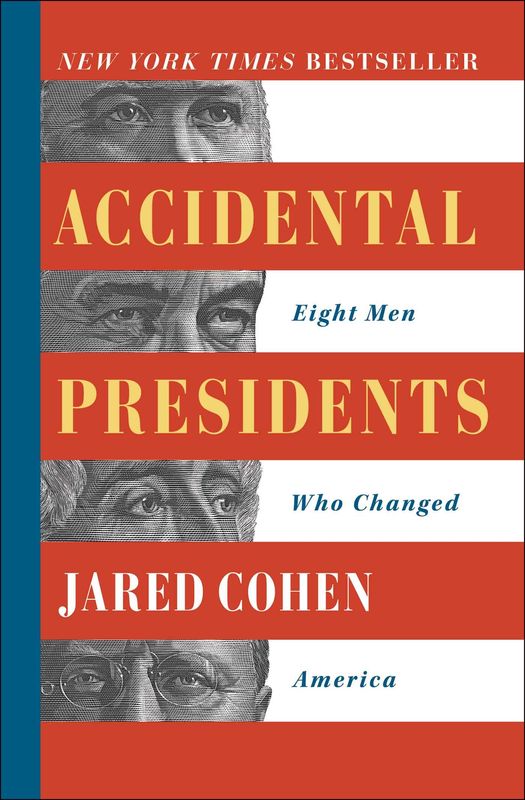
In 'Accidental Presidents', Jared Cohen explores the unexpected rise of U.S. leaders who ascended to the presidency by chance rather than through traditional paths. From political mishaps to sudden deaths, these leaders had to navigate unique challenges that transformed their presidencies and the nation. Cohen delves into their distinct personalities and pivotal moments, revealing how fortune and fate can shape history. This compelling narrative raises questions about leadership, legacy, and the unpredictability of political power. Discover how chance encounters led to monumental changes and what this means for the future of American leadership.

White Heat 25 Book Summary
In 'White Heat 25', culinary mastermind Marco Pierre White takes readers on a riveting journey through his storied career and the fiery world of haute cuisine. With candid insights and unfiltered anecdotes, he reveals the passion and pressure that fuel his drive for culinary excellence. As he reflects on his rise to becoming the youngest chef to earn three Michelin stars, White explores the darker side of fame, ambition, and the sacrifices made in pursuit of perfection. Brimming with inspiration and raw honesty, this memoir is not just a cookbook but a compelling look at the heart of a chef. Prepare to be captivated by the life and legacy of a culinary legend.

Blue Is the Warmest Color Book Summary
In 'Blue Is the Warmest Color', Julie Maroh explores the passionate love story between two young women, Clémentine and Emma. As Clémentine navigates her identity and sexuality, the vibrant blue colors in their world symbolize the depth of their connection. The graphic novel intricately captures the struggles of acceptance, heartbreak, and the beauty of first love. Through poignant illustrations and a heartfelt narrative, readers are taken on a journey of self-discovery and the complexities of love. This tender tale leaves a lasting impression, inviting readers to reflect on their own relationships and the colors that define them.
Eisenhower in War and Peace Book Summary
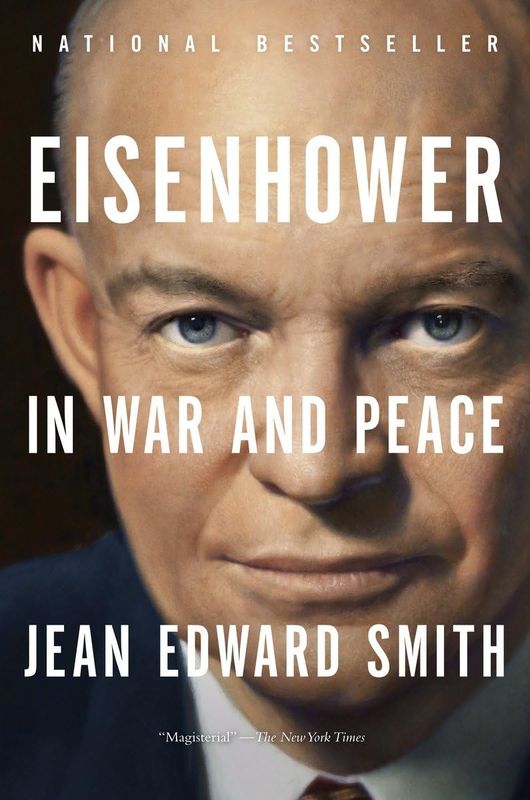
In 'Eisenhower in War and Peace', historian Jean Edward Smith explores the duality of Dwight D. Eisenhower's life as both a military strategist and a peacetime leader. The book unveils the complexities of Eisenhower's leadership during World War II and his diplomatic maneuvering during the Cold War. Readers will discover how his decisions shaped the 20th century, as well as the personal struggles that defined his character. Smith's compelling narrative combines meticulous research with engaging storytelling, offering new insights into a towering figure of American history. This biography invites readers to reconsider what it truly means to lead in times of both conflict and tranquility.
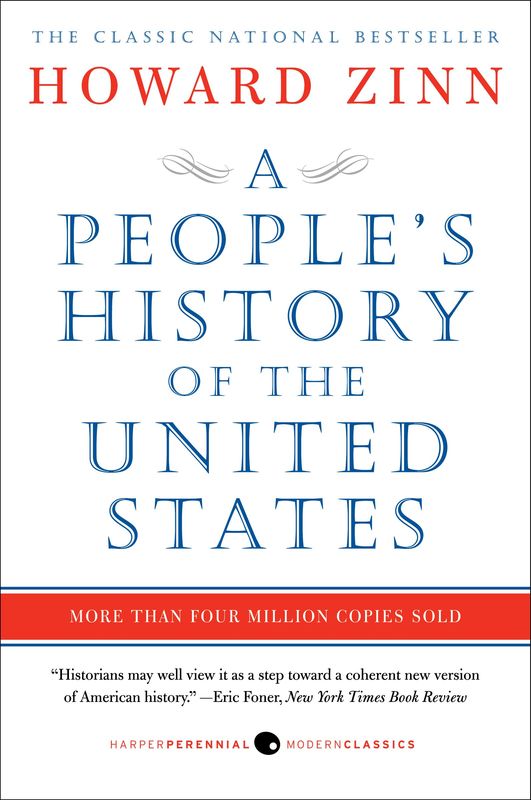
A People's History of the United States Book Summary
In 'A People's History of the United States,' Howard Zinn redefines the American narrative by focusing on the experiences and struggles of marginalized groups throughout history. This provocative work unveils the hidden stories of Native Americans, slaves, women, and others who have been silenced in traditional historical accounts. Zinn challenges the reader to rethink the very foundations of American society and its values, highlighting the continuous fight for justice and equality. As he dives into pivotal moments where ordinary people stood against power, the book raises questions about who writes history and whose voices are heard. A compelling call to recognize the past in order to inform the future, it leaves readers hungry for deeper truths about the American experience.
Generating Inequality Book Summary
No summary available
Showing 8 of 26 similar books
Take your reading experience to the next level
Download our mobile app to enjoy your favorite books on the go. Get access to exclusive features, offline listening, and personalized recommendations.

Similar Book Recommendations →

David Heinemeier Hansson's Book Recommendations
David Heinemeier Hansson, also known as DHH, is a Danish programmer, entrepreneur, and author, best known as the creator of Ruby on Rails, a popular web application framework. Heinemeier Hansson is also a partner at Basecamp, a project management and collaboration software company he co-founded. His contributions to software development have earned him widespread recognition, with Ruby on Rails being used by thousands of developers and companies worldwide. Heinemeier Hansson is also a vocal advocate for remote work, simplicity in business, and sustainable work practices, ideas he explores in his bestselling books Rework and It Doesn’t Have to Be Crazy at Work. In addition to his work in tech, he is an accomplished race car driver, having competed in the 24 Hours of Le Mans. Heinemeier Hansson’s approach to work-life balance and entrepreneurship has made him a thought leader in the tech community, where he continues to challenge traditional business practices and advocate for more human-centered approaches to work

Brandon Stanton's Book Recommendations
Brandon Stanton is an American photographer and author, best known for creating Humans of New York, a photography project that shares the personal stories of everyday people. Through his portraits and interviews, Stanton captures the diverse experiences of people in New York City and around the world, offering intimate insights into their lives. Humans of New York has become a global phenomenon, with millions of followers on social media and several best-selling books. Stanton’s work has expanded beyond photography to include fundraising campaigns that have raised millions of dollars for individuals and charitable causes. His ability to connect with people and share their stories has made him one of the most impactful storytellers of his generation.

Jon Hamm's Book Recommendations
Jon Hamm is an American actor best known for his role as Don Draper in the critically acclaimed television series "Mad Men," which aired from 2007 to 2015. While Hamm's achievements are primarily in acting, his portrayal of the complex, enigmatic ad executive has been lauded for its depth and nuance, significantly impacting television storytelling. His performance earned him numerous awards, including a Golden Globe and an Emmy. Beyond "Mad Men," Hamm has appeared in various films and TV shows, showcasing his versatility across genres. Though not primarily a literary figure, his work has influenced contemporary narratives and character development in modern media.

Audrey Gelman's Book Recommendations
Audrey Gelman is an American entrepreneur and writer, best known as the co-founder and former CEO of The Wing, a network of co-working spaces and social clubs designed for women. She has been recognized for her innovative approach to creating supportive environments for professional women, significantly impacting feminist discourse and workplace equality. Gelman has also contributed thought-provoking essays to prominent publications such as The New York Times and The New Yorker, where she discusses gender, politics, and culture. Her leadership at The Wing has been celebrated for fostering community and collaboration among women. Additionally, Gelman's influence extends to the political sphere, having previously worked as a press aide on several high-profile campaigns.

Ben Shapiro's Book Recommendations
Ben Shapiro is an American conservative political commentator, author, and lawyer, known for his sharp analytical skills and outspoken views. He graduated from UCLA at the age of 20 and Harvard Law School at 23, demonstrating his early intellectual prowess. Shapiro is the author of several best-selling books including "Bullies: How the Left's Culture of Fear and Intimidation Silences Americans" and "The Right Side of History: How Reason and Moral Purpose Made the West Great." He is the co-founder and editor emeritus of The Daily Wire, a popular conservative news and opinion website. Through his writing and media presence, Shapiro has significantly influenced contemporary political discourse in the United States.

Barack Obama's Book Recommendations
Barack Obama is the 44th President of the United States, serving from 2009 to 2017. As the first African American president, Obama’s leadership marked a historic moment in American history. His administration focused on healthcare reform, economic recovery from the Great Recession, and environmental policies. He is best known for the Affordable Care Act, as well as his efforts to expand civil rights and restore diplomatic relations with Cuba. Since leaving office, Obama has continued to engage in public life through his foundation, focusing on leadership development, civic engagement, and global issues.

Coleen Baik's Book Recommendations
Coleen Baik is an American designer, artist, and entrepreneur, known for her work in the tech industry, including as a founding team member of Twitter. Baik played a key role in shaping the user experience and design of Twitter in its early days, contributing to its iconic interface. She is also the founder of Baik Art, a multidisciplinary art studio that blends technology and visual art. Baik is passionate about using design to create meaningful and user-centered digital experiences, and she frequently speaks on topics related to innovation, design, and creativity. Her work has made her a prominent figure in the intersection of tech and design.

Jamie Foxx's Book Recommendations
Jamie Foxx is an American actor, comedian, and singer, known for his versatility across various forms of entertainment. He won an Academy Award for his portrayal of Ray Charles in the biopic Ray and has appeared in numerous films, including Django Unchained and Collateral. Foxx is also a successful musician, having released multiple albums and collaborated with top artists in the music industry. His ability to move between comedy, drama, and music has made him one of the most talented and respected performers in Hollywood. Beyond his entertainment career, Foxx is a philanthropist, supporting various causes related to health and education.
Showing 8 of 21 related collections
“In the chaos of the 1960s, the American psyche wrestled with its own demons, revealing how the politics of despair and division could lead even the most unyielding to compromise their ideals.”
Nixonland
By Rick Perlstein
Frequently Asked Questions
Explore Our Catalogue
Discover a world of knowledge through our extensive collection of book summaries.
Genres
Genres
Genres
Featured Collections
- Top Book Club Picks
- One-Stop Nutrition
- Summer Reads 2024
- Best Beach Reads 2024
- Work-Life Balance Guide
- Time Management
- Healthy Foods
- Entrepreneur Toolkit
- Mind & Body Wellness
- Future Tech Insights
- Leadership Essentials
- Financial Freedom
- Sci-Fi Masterpieces
- Parenting 101
- Books That Became Blockbusters
- Guide to a Healthy Pregnancy