No Logo Book Summary
In 'No Logo', Naomi Klein investigates the rise of brand culture and its impact on society. She exposes the hidden costs of consumerism as corporations prioritize branding over ethical considerations. With gripping anecdotes and incisive analysis, Klein illustrates how this commodification affects our identity and freedoms. The book not only critiques global capitalism, but also empowers readers to reclaim their autonomy. A compelling read that challenges you to rethink the logos that dominate our lives and the world around us.
By Naomi Klein
Published: 2009
""The brands that are built on the death of their working conditions cannot be the symbols of a better world.""


Start Listening to Book Summary
Book Review of No Logo
NO LOGO was an international bestseller and "a movement bible" (The New York Times). Naomi Klein's second book, The Shock Doctrine, was hailed as a "master narrative of our time," and has over a million copies in print worldwide. In the last decade, No Logo has become an international phenomenon and a cultural manifesto for the critics of unfettered capitalism worldwide. As America faces a second economic depression, Klein's analysis of our corporate and branded world is as timely and powerful as ever. Equal parts cultural analysis, political manifesto, mall-rat memoir, and journalistic exposé, No Logo is the first book to put the new resistance into pop-historical and clear economic perspective. Naomi Klein tells a story of rebellion and self-determination in the face of our new branded world.
Book Overview of No Logo
About the Book Author
Naomi Klein
Naomi Klein is a globally recognized author, journalist, and filmmaker, known for her incisive analysis of the interplay between economics, politics, and social justice. She gained prominence with her bestselling books, including 'No Logo: Taking Aim at the Brand Bullies' (1999), which critiques corporate globalization, and 'The Shock Doctrine: The Rise of Disaster Capitalism' (2007), where she argues that governments exploit crises to push through controversial policies. Her more recent works, such as 'This Changes Everything: Capitalism vs. The Climate' (2014), focus on the urgent need for systemic change in addressing climate change and social inequality. Klein's writing style is characterized by its sharp critique, rich storytelling, and deep engagement with both scholarly research and real-world activism, positioning her as a leading voice in contemporary discussions around capitalism, climate, and corporate power.
Book Details
Key information about the book.
- Authors
- Naomi Klein
- Published
- November 2009
- Publisher
- Picador
- ISBN
- 0312429274
- Language
- English
- Pages
- 544
- Genres
- Social Justice MovementsBusiness and EconomicsEconomic PolicyConsumer BehaviorPolitics and Current Affairs
Purchase Options
 Buy on Amazon
 Buy via BookShop
Support local bookstores: BookShop gives a portion of each sale to independent bookshops!
Similar books you might like →
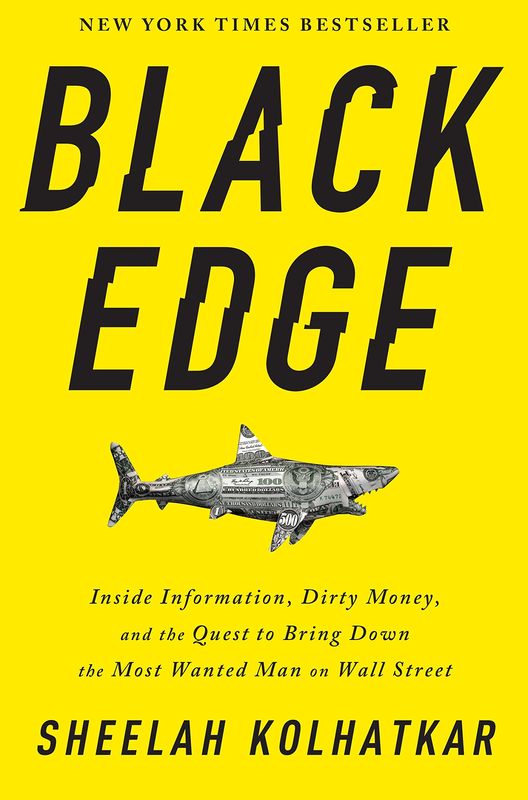
Black Edge Book Summary
In "Black Edge," investigative journalist Sheelah Kolhatkar delves into the high-stakes world of hedge funds and the enigmatic figure of Steven A. Cohen. As she unravels the saga of insider trading, greed, and Wall Street's murky ethics, the book pulls readers into a gripping tale of ambition that spans decades. With intellectual prowess and audacious risk-taking, Cohen's rise to power raises questions about the moral compass of finance. Kolhatkar's penetrating analysis unveils the dark side of wealth and the relentless pursuit of success, leaving readers questioning the true cost of ambition. Will you dare to uncover the secrets of a financial titan and the shadowy underworld they inhabit?
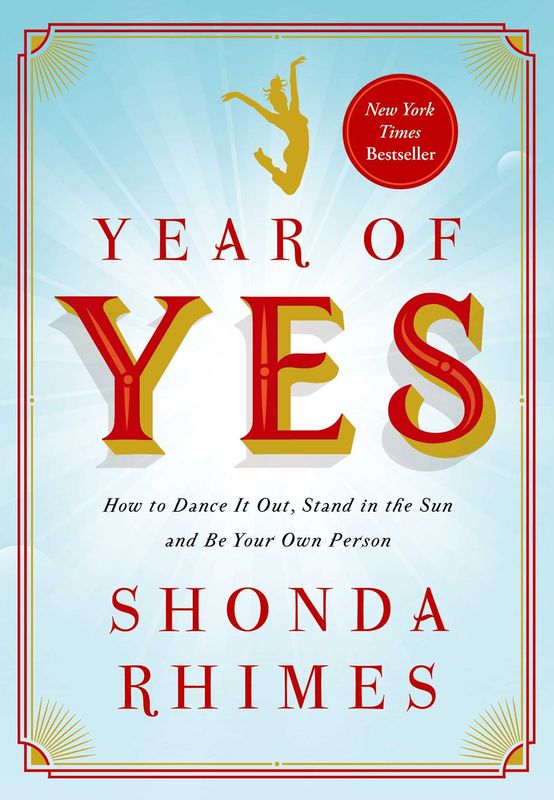
Year of Yes Book Summary
In "Year of Yes," Shonda Rhimes, the powerhouse creator behind iconic television shows, embarks on a transformative journey by saying "yes" to everything that scares her. This bold decision propels her out of her comfort zone, leading to unexpected adventures and profound personal growth. Through candid anecdotes and humor, Rhimes reveals the liberating power of embracing change and challenges. Each page teems with inspiration, urging readers to confront their own fears and seize the opportunities hiding in the shadows. Are you ready to say yes and redefine your life?
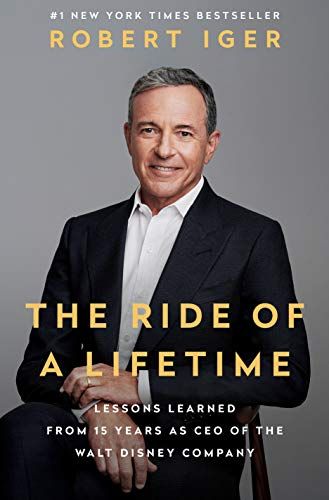
The Ride of a Lifetime Book Summary
In 'The Ride of a Lifetime', Robert Iger, the former CEO of The Walt Disney Company, shares his inspiring journey from a small-town boy to the helm of one of the world's most iconic brands. Iger details the bold decisions and visionary strategies that transformed Disney, including the acquisition of Pixar, Marvel, and Lucasfilm. His candid reflections on leadership, creativity, and the art of storytelling reveal the secrets behind Disney's unprecedented success. As Iger navigates through challenges and triumphs, he invites readers to understand the importance of resilience and innovation in a rapidly changing world. This memoir is not just a recount of corporate achievements; it's a thrilling exploration of dreams realized and the enduring magic of imagination.

Arguing about War Book Summary
In 'Arguing about War,' Michael Walzer delves into the ethical complexities surrounding conflict and warfare, challenging traditional justifications for war. Through thought-provoking analysis and compelling historical examples, he questions whether moral principles can truly be upheld in the chaos of battle. Walzer invites readers to ponder the weight of political responsibility and the consequences of intervention. His exploration of just war theory ignites debate on the morality of military action, making us confront uncomfortable truths about human nature. Engage with this critical discourse and discover how morality and war intersect in ways that will reshape your understanding of global conflicts.

Worlds in Collision Book Summary
In 'Worlds in Collision', authors Ken Booth and T. Dunne explore the intense dynamics of global politics and security in a changing world. They unravel the complex interplay of power, culture, and technology, revealing how nations collide in unforeseen ways. Delving into historical conflicts and contemporary challenges, the book critiques traditional theories while proposing innovative perspectives. As tensions rise and alliances shift, readers are left questioning the very foundations of international relations. This thought-provoking analysis invites you to rethink what it means to coexist in a world marked by chaos and interconnectedness.

Cybersecurity For Dummies Book Summary
In 'Cybersecurity For Dummies', Joseph Steinberg demystifies the complex world of cybersecurity, making it accessible for everyone—from beginners to seasoned IT professionals. This essential guide reveals the myriad of threats lurking in the digital shadows and arms readers with practical strategies to protect their online presence. Steinberg's engaging writing breaks down intricate concepts into digestible insights, ensuring that no reader is left behind. Discover how to safeguard your personal information, navigate social engineering traps, and keep your devices secure without feeling overwhelmed. Whether you're a casual internet user or a business owner, this book is your key to navigating the cybersecurity landscape with confidence.
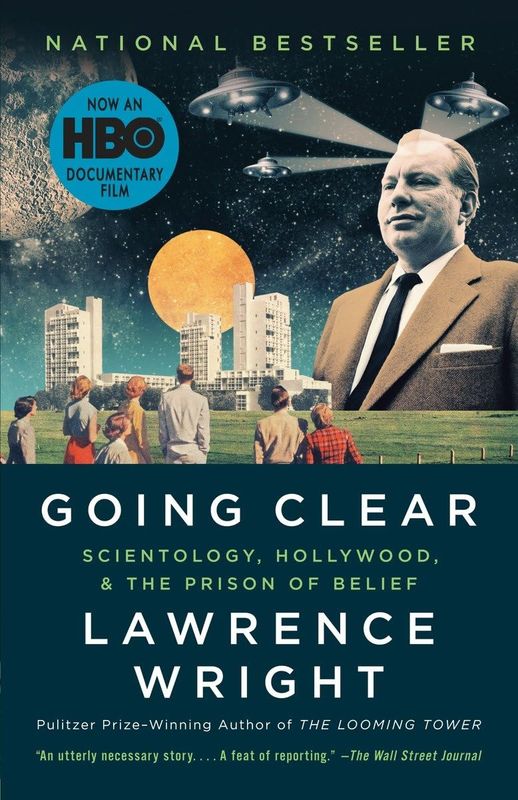
Going Clear Book Summary
In 'Going Clear,' Lawrence Wright takes readers on a riveting exploration of the enigmatic Church of Scientology. Delving deep into its origins and the rise of its controversial leader, L. Ron Hubbard, the book unveils the intricate web of secrets, scandals, and powerful personalities within the organization. Wright's investigative journalism reveals firsthand accounts from former members, shedding light on the psychological grip the church holds over its followers. As the narrative unfolds, it raises probing questions about belief, power, and the price of devotion. This compelling exposé challenges readers to reconsider the boundaries of faith and manipulation.
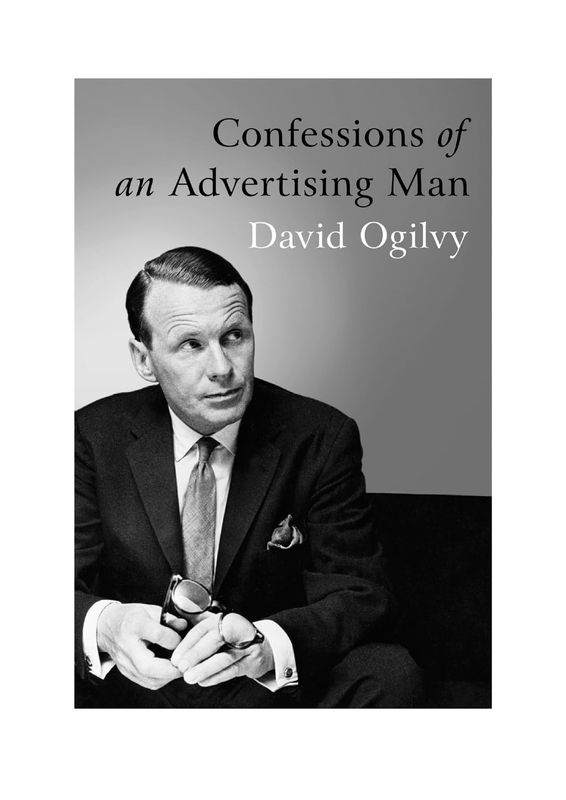
Confessions of an Advertising Man Book Summary
In 'Confessions of an Advertising Man,' legendary ad executive David Ogilvy opens the curtain on the world of advertising with sharp wit and uncompromising honesty. He reveals the secrets behind his successful campaigns, offering timeless insights into creativity, consumer behavior, and market strategy. With anecdotes from his illustrious career, Ogilvy illustrates the art and science of persuasive communication. The book serves as both a memoir and a masterclass, enticing readers to rethink their understanding of advertising. Dive into his confessions and discover how he transformed the industry and why his principles remain relevant today.
Showing 8 of 26 similar books
Take your reading experience to the next level
Download our mobile app to enjoy your favorite books on the go. Get access to exclusive features, offline listening, and personalized recommendations.

Similar Book Recommendations →

Alexis Ohanian's Book Recommendations
Alexis Ohanian is an American entrepreneur, investor, and co-founder of Reddit, one of the world’s most popular social news and discussion platforms. Ohanian is also a prominent advocate for open internet and net neutrality, and he has invested in numerous startups through his venture capital firm, Initialized Capital. In addition to his work in tech, Ohanian is involved in philanthropy, supporting causes related to women’s rights, education, and social justice. He is married to tennis star Serena Williams, and together they advocate for gender equality and inclusive leadership. Ohanian’s influence in the tech world and his commitment to social impact have made him a respected figure in both business and activism.

Ray Dalio's Book Recommendations
Ray Dalio is the founder of Bridgewater Associates, one of the largest and most successful hedge funds in the world. He is also the author of the bestselling book Principles, where he outlines his philosophy on life, leadership, and investing. Ray is renowned for his unique approach to transparency, radical truth, and thoughtful disagreement within organizations. His insights into economics and investing have made him one of the most influential figures in the financial world. Dalio continues to be a thought leader in business, economics, and philanthropy.

Barack Obama's Book Recommendations
Barack Obama is the 44th President of the United States, serving from 2009 to 2017. As the first African American president, Obama’s leadership marked a historic moment in American history. His administration focused on healthcare reform, economic recovery from the Great Recession, and environmental policies. He is best known for the Affordable Care Act, as well as his efforts to expand civil rights and restore diplomatic relations with Cuba. Since leaving office, Obama has continued to engage in public life through his foundation, focusing on leadership development, civic engagement, and global issues.

Brad Feld's Book Recommendations
Brad Feld is a prominent American entrepreneur, venture capitalist, and author known for his influential work in the startup ecosystem. Co-founder of the Foundry Group, he has played a pivotal role in funding and mentoring early-stage technology companies. Feld is also a key figure behind the Techstars accelerator program, which has helped launch numerous successful startups. As an author, he has penned several essential books on entrepreneurship and venture capital, including "Venture Deals" and "Startup Communities," which provide invaluable insights for aspiring entrepreneurs and investors. His writings and active blogging have cemented his reputation as a thought leader in the tech and startup communities.

Eric Weinstein's Book Recommendations
Eric Weinstein is an accomplished American mathematician, economist, and writer, known for his influential work in the fields of geometric unity and economic theory. As the Managing Director of Thiel Capital, he has significantly impacted the financial and technological sectors. Weinstein is also renowned for his thought-provoking discussions on the podcast "The Portal," where he explores complex scientific and social issues. He has written extensively on a variety of topics, contributing to both academic and popular literature. His unique perspectives and interdisciplinary approach have earned him recognition as a leading intellectual voice of his generation.
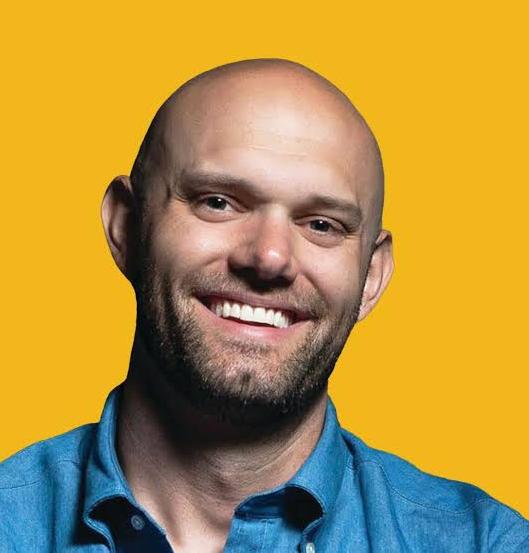
James Clear's Book Recommendations
James Clear is the author of the bestselling book Atomic Habits, which focuses on the power of small habits and incremental improvements to achieve significant personal and professional growth. Clear’s writing blends insights from psychology, neuroscience, and productivity to provide practical strategies for building better habits. His work has helped millions of people create positive changes in their lives by focusing on the process rather than the outcome. James’s clear, actionable advice has made him a sought-after speaker and thought leader in the field of personal development.
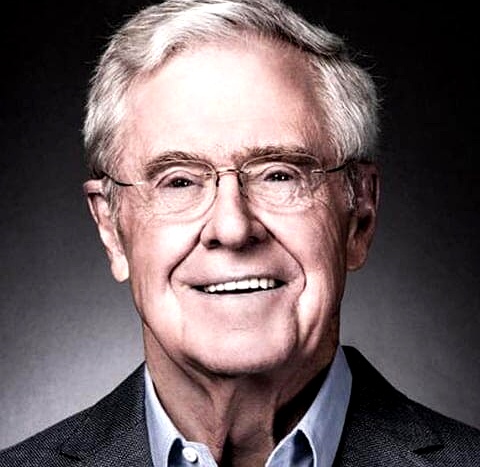
Charles Koch's Book Recommendations
Charles Koch is an American businessman and philanthropist, best known as the Chairman and CEO of Koch Industries, one of the largest privately held companies in the world. Beyond his business acumen, Koch has made significant contributions to literature, particularly in the field of economics and management. His book "The Science of Success" outlines his philosophy of Market-Based Management, a framework for business success that has influenced many entrepreneurs. Additionally, his co-authored work "Good Profit" delves into creating value for society through principled entrepreneurship. Koch's writings emphasize the importance of innovation, free markets, and a principled approach to business.

Bernie Sanders's Book Recommendations
Bernie Sanders is an American politician and U.S. Senator from Vermont, known for his progressive policies and his advocacy for economic equality. Sanders ran for the Democratic presidential nomination in 2016 and 2020, inspiring a movement with his calls for Medicare for All, free college tuition, and a $15 minimum wage. He identifies as a democratic socialist and has been a long-standing advocate for labor rights, environmental justice, and social welfare programs. Sanders’ candidacy energized a new generation of activists and has had a lasting influence on the direction of the Democratic Party. His focus on income inequality and social justice continues to shape political discourse in the U.S.
Showing 8 of 11 related collections
“"The brands that are built on the death of their working conditions cannot be the symbols of a better world."”
No Logo
By Naomi Klein
Frequently Asked Questions
Explore Our Catalogue
Discover a world of knowledge through our extensive collection of book summaries.
Genres
Genres
Genres
Featured Collections
- Top Book Club Picks
- One-Stop Nutrition
- Summer Reads 2024
- Best Beach Reads 2024
- Work-Life Balance Guide
- Time Management
- Healthy Foods
- Entrepreneur Toolkit
- Mind & Body Wellness
- Future Tech Insights
- Leadership Essentials
- Financial Freedom
- Sci-Fi Masterpieces
- Parenting 101
- Books That Became Blockbusters
- Guide to a Healthy Pregnancy