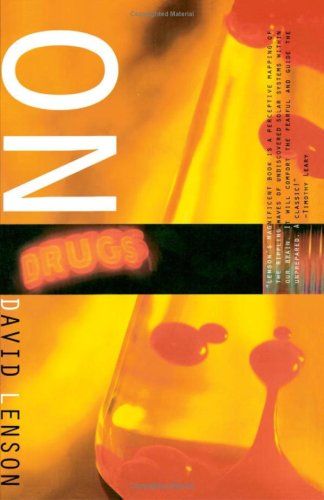
On Drugs Book Summary
In 'On Drugs,' David Lenson explores the multifaceted relationship between society and substances, unraveling the complex motivations behind drug use. He delves deep into the cultural, psychological, and philosophical implications of addiction, questioning what drives individuals toward chemical escapes. Through a captivating narrative, Lenson challenges conventional notions of drug use, presenting it as a lens through which we can examine broader human experiences. This thought-provoking work invites readers to reconsider their perspectives on addiction and its place in our world. Prepare to embark on an intellectual journey that transforms how you view drugs and their impact on society.
By David Lenson
Published: 1995
""In the labyrinth of humanity's quest for transcendence, drugs serve not just as substances, but as mirrors reflecting our deepest fears, desires, and the fragility of reality.""

Start Listening to Book Summary
Book Review of On Drugs
It has been more than twenty years since President Nixon declared the War on Drugs. In On Drugs, David Lenson delivers a scathing indictment of this war as an effort based, like all attempts to eradicate "getting high", on an incomplete understanding of human nature. From lotus-eaters to hippies to crackheads, he contends, history has shown the state's inability to legislate the bloodstreams of its citizens. Lenson ventures beyond conventional genres to view the drug debate from the largely forgotten perspective of those who use drugs. In successfully walking the fine line between the antidrug hysteria of the 1980s and an advocacy of drug use, Lenson shatters the ban on debate regarding drugs enforced in the "Just Say No" campaign and reveals the myriad ways "straight society" demonizes the drug user. After considering several specific issues associated with drug use - including sex, violence, and money - Lenson concludes with his vision of the end of the Drug War by questioning the sense in condemning millions of Americans to lives of concealment and deceit.
Book Overview of On Drugs
About the Book Author
David Lenson
David Lenson is an acclaimed author and professor, known for his diverse contributions to literature and cultural criticism. His notable works include 'The Spinning Heart' and 'Escapism,' which showcase his talent for blending intricate narratives with psychological depth. Lenson's writing is characterized by its lyrical prose and a keen exploration of the human condition, often addressing the complexities of identity and social dynamics. In addition to his fiction, Lenson has written extensively on topics related to art, philosophy, and the interplay between culture and personal experience, establishing him as a significant voice in contemporary literature.
Book Details
Key information about the book.
- Authors
- David Lenson
- Published
- January 1995
- Publisher
- U of Minnesota Press
- ISBN
- 081662710X
- Language
- English
- Pages
- N/A
- Genres
- Cognitive PsychologyMental HealthHealth and WellnessPsychology
Purchase Options
 Buy on Amazon
 Buy via BookShop
Support local bookstores: BookShop gives a portion of each sale to independent bookshops!
Take your reading experience to the next level
Download our mobile app to enjoy your favorite books on the go. Get access to exclusive features, offline listening, and personalized recommendations.

Similar Book Recommendations →

Abi Tyas Tunggal's Book Recommendations
Abi Tyas Tunggal is a distinguished author known for his impactful contributions to contemporary literature and digital content. He has garnered acclaim for his insightful storytelling and adept handling of complex themes, resonating with a diverse readership. Tunggal's work often explores the intersections of technology, society, and human experience, making him a prominent voice in modern narrative arts. Beyond his literary achievements, he is also recognized for his innovative use of digital platforms to engage with and expand his audience. Tunggal continues to influence the literary landscape with his thought-provoking and accessible writing.
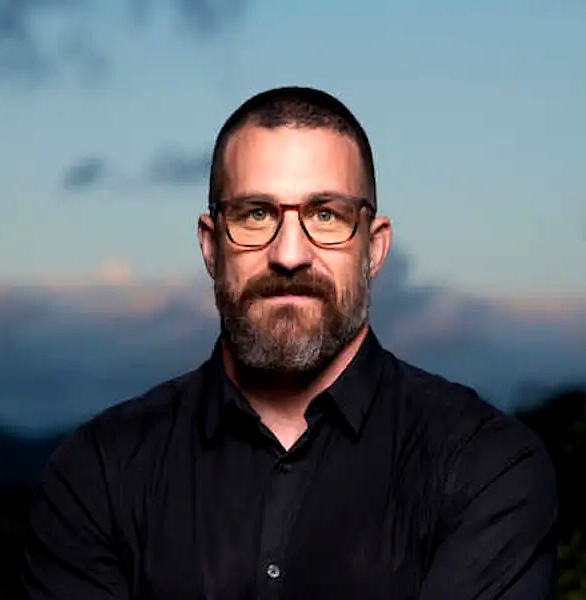
Andrew Huberman's Book Recommendations
Andrew Huberman is a renowned neuroscientist and tenured professor at Stanford University, where he leads the Huberman Lab, focusing on brain function, behavior, and health. He has significantly contributed to the understanding of neural plasticity, particularly how the brain can change in response to experience and injury. Huberman is widely recognized for his engaging public science communication, which includes the popular "Huberman Lab" podcast that translates complex neuroscience topics into accessible insights for broad audiences. His research has been published in leading scientific journals, earning him numerous accolades and fostering a deeper public appreciation for neuroscience. Additionally, his work extends into practical applications, influencing fields such as mental health, vision restoration, and performance optimization.

Anna Kendrick's Book Recommendations
Anna Kendrick is an acclaimed actress and author, best known for her versatile performances in film and theater. She gained widespread recognition for her role in the "Twilight" series and earned an Academy Award nomination for her performance in "Up in the Air." In 2016, Kendrick expanded her creative repertoire by publishing her memoir, "Scrappy Little Nobody," which offers a candid, humorous look at her life and career. The book became a New York Times bestseller, showcasing her sharp wit and storytelling talent. Kendrick continues to influence both the entertainment and literary worlds with her engaging presence and authentic voice.

Nat Eliason's Book Recommendations
Nat Eliason is an influential writer, entrepreneur, and educator known for his insightful work on personal growth, productivity, and digital marketing. He founded Growth Machine, a successful SEO and content marketing agency that has helped numerous companies expand their online presence. Eliason's thought-provoking articles on his blog cover a wide range of topics, from philosophy to health, attracting a large and engaged audience. Additionally, he authored "Effortless Output with Roam," a comprehensive guide on using the Roam Research tool for knowledge management. Through his diverse contributions, Eliason has established himself as a significant voice in the realms of self-improvement and digital strategy.
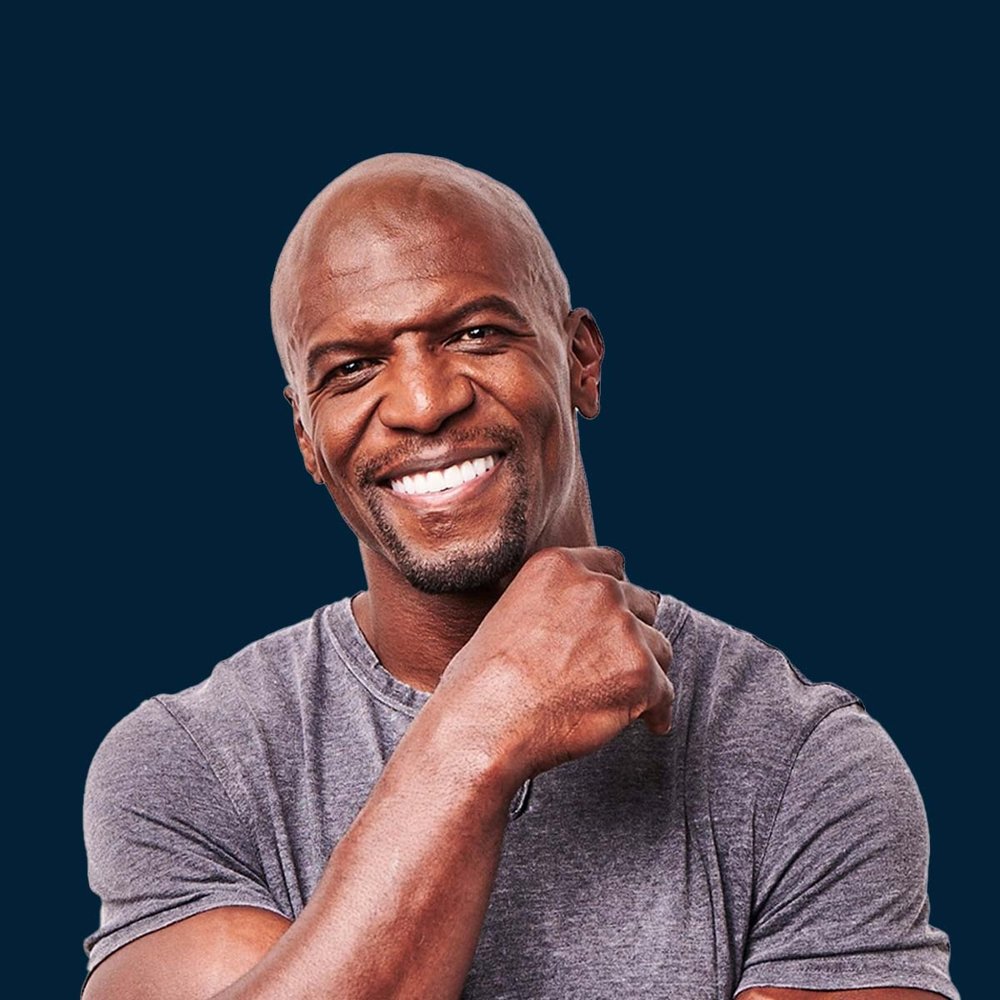
Terry Crews's Book Recommendations
Terry Crews is a multifaceted American actor, artist, and former professional football player, highly recognized for his dynamic presence on screen and in literature. He authored the compelling memoir "Manhood: How to Be a Better Man—or Just Live with One," where he shares his journey of overcoming personal and professional challenges with candor and insight. Crews' work in literature has been praised for its vulnerability and motivational impact, encouraging readers to confront issues like masculinity and self-improvement. In addition to his literary contributions, Crews is celebrated for his roles in popular television series such as "Brooklyn Nine-Nine" and movies like "The Expendables." His advocacy for mental health, anti-domestic violence, and the Me Too movement further solidifies his role as a significant cultural influencer and inspirational figure.
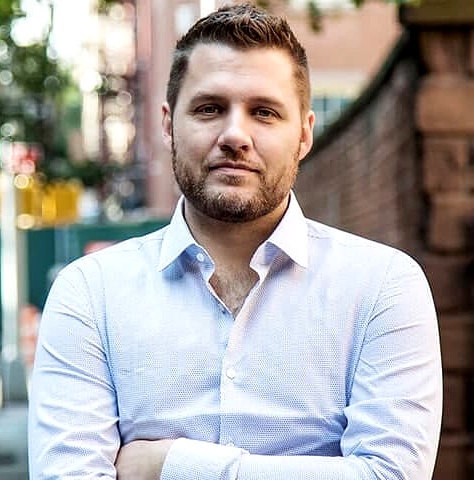
Mark Manson's Book Recommendations
Mark Manson is a best-selling author and personal development expert known for his candid and no-nonsense approach to self-help. His most notable work, "The Subtle Art of Not Giving a F*ck," has sold millions of copies worldwide and has been translated into numerous languages, resonating with readers for its practical advice and irreverent tone. Manson followed up with another successful book, "Everything Is F*cked: A Book About Hope," which further cemented his reputation as a thought leader in modern existentialism. In addition to his books, he runs a popular blog that delves into topics ranging from happiness to personal growth. His work has not only transformed the self-help genre but also influenced a global audience seeking authentic and actionable guidance.
David Kadavy's Book Recommendations
David Kadavy is an author, podcast host, and creativity expert, best known for his books The Heart to Start and Design for Hackers, where he explores the intersection of creativity, productivity, and design. Kadavy's work focuses on helping creators overcome procrastination, build meaningful habits, and find motivation to pursue their creative projects. He is also the host of the Love Your Work podcast, where he interviews high-performing individuals across various fields about their creative processes and productivity techniques. Kadavy’s insights stem from his own experiences as a designer and entrepreneur, offering practical advice on how to break through mental blocks and create with intention. His work emphasizes the importance of self-discipline, creativity, and a minimalist approach to both design and life. Kadavy’s books and podcast have garnered a global audience, positioning him as a thought leader in the realms of personal development and creative success.

Emma Watson's Book Recommendations
Emma Watson is a British actress and activist best known for her role as Hermione Granger in the "Harry Potter" film series, which brought J.K. Rowling's beloved books to life. Beyond her acting career, Watson has made significant contributions to literature by promoting gender equality and women's rights through her work with the United Nations, including the HeForShe campaign. She has also curated and shared book recommendations that highlight feminist literature and diverse voices. Watson graduated from Brown University with a degree in English literature, further emphasizing her dedication to the literary world. Her advocacy and influence have made her a prominent figure in both the entertainment and literary communities.
Showing 8 of 10 related collections
“"In the labyrinth of humanity's quest for transcendence, drugs serve not just as substances, but as mirrors reflecting our deepest fears, desires, and the fragility of reality."”
On Drugs
By David Lenson
Frequently Asked Questions
Explore Our Catalogue
Discover a world of knowledge through our extensive collection of book summaries.
Genres
Genres
Genres
Featured Collections
- Top Book Club Picks
- One-Stop Nutrition
- Summer Reads 2024
- Best Beach Reads 2024
- Work-Life Balance Guide
- Time Management
- Healthy Foods
- Entrepreneur Toolkit
- Mind & Body Wellness
- Future Tech Insights
- Leadership Essentials
- Financial Freedom
- Sci-Fi Masterpieces
- Parenting 101
- Books That Became Blockbusters
- Guide to a Healthy Pregnancy