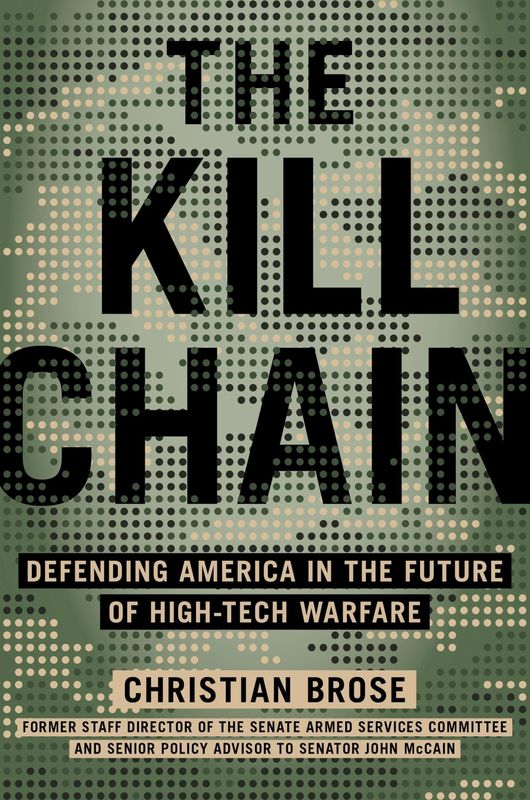
The Kill Chain Book Summary
In 'The Kill Chain', Christian Brose uncovers the revolutionary transformation of military strategy in the age of artificial intelligence and advanced technologies. With riveting insights, he explores how traditional notions of warfare are eroded, leading to an unpredictable future where speed and information reign supreme. Brose argues that the U.S. must adapt or risk falling behind adversaries who are rapidly embracing new tactics. This gripping narrative raises urgent questions about the ethical implications and human cost of automation in warfare. As the lines blur between combatants and civilians, will humanity navigate the perilous landscape of modern conflict?
By Christian Brose
Published: 2020
"In a world where boundaries blur and the line between safety and threat vanishes, our greatest weapon is our ability to adapt and evolve, not just in warfare, but in understanding the full spectrum of consequences that come with power."

Start Listening to Book Summary
Book Review of The Kill Chain
From a former senior advisor to Senator John McCain, an urgent wake-up call about how new technologies are threatening America's military might. When we think about the future of war, the military and Washington and most everyone gets it backwards. We think in terms of buying single military systems, such as fighter jets or aircraft carriers. And when we think about modernizing those systems, we think about buying better versions of the same things. But what really matters is not the single system but "the battle network" -- the collection of sensors and shooters that enables a military to find an enemy system, target it, and attack it. This process is what the military calls "the kill chain" -- how you get from detection to action, and do it as quickly as possible. The future of war is not about buying better versions of the same systems we have always had; it is about buying faster, better kill chains. As former Staff Director for the Senate Armed Services Committee and senior policy advisor to Senator John McCain, Christian Brose saw this reality up close. In The Kill Chain, he elaborates on one of the greatest strategic predicaments facing America now: that we are playing a losing game. Our military's technological superiority and traditional approach to projecting power have served us well for decades, when we faced lesser opponents. But now we face highly capable and motivated competitors that are using advanced technologies to erode our military edge, and with it, our ability to prevent war, deter aggression, and maintain peace. We must adapt or fail, Brose writes, and the biggest obstacle to doing so is the sheer inertial force of the status quo.
Book Overview of The Kill Chain
About the Book Author
Christian Brose
Christian Brose is an accomplished author and defense policy expert, known for his significant contributions to the discourse on military strategy and national security. His notable works include 'The Kill Chain: Defending America in the Future of High-Tech Warfare', which explores the implications of emerging technologies on modern warfare and U.S. defense policy. Brose's writing is characterized by a clear, analytical style that combines deep policy insight with accessible language, making complex topics comprehensible to a broad audience. He serves as a key thought leader in the field, drawing on his extensive experience in government and the private sector.
Book Details
Key information about the book.
- Authors
- Christian Brose
- Published
- April 2020
- Publisher
- Hachette Books
- ISBN
- 031653353X
- Language
- English
- Pages
- N/A
- Genres
- Artificial IntelligenceMilitary Science FictionTechnologyPolitics and Current Affairs
Purchase Options
 Buy on Amazon
 Buy via BookShop
Support local bookstores: BookShop gives a portion of each sale to independent bookshops!
Similar books you might like →
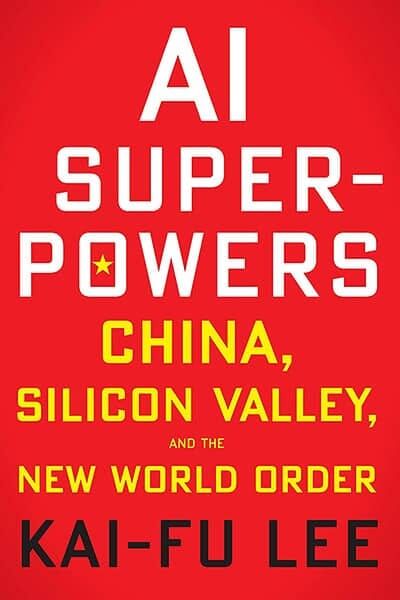
AI Superpowers Book Summary
In 'AI Superpowers', Kai-Fu Lee explores the breathtaking rise of artificial intelligence and its transformative impact on the global economy. He compares the leading AI developments in the United States and China, revealing a fierce competition that reshapes the future. Lee draws on his extensive experience in the tech industry to discuss the ethical implications and the potential for job displacement. As he presents a compelling vision of a world where AI can augment human capabilities, he challenges us to rethink our roles in an AI-driven era. With a blend of optimism and caution, this book is a must-read for anyone looking to understand the next technological revolution.
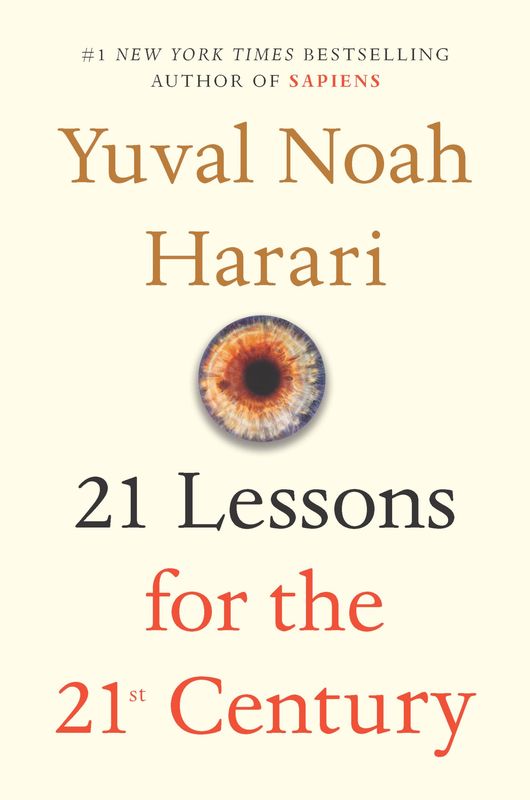
21 Lessons for the 21st Century Book Summary
In '21 Lessons for the 21st Century', Yuval Noah Harari navigates the complex landscape of today's world, tackling urgent questions about our future. From the impact of technology on society to the challenges of political stability, each lesson provokes thought and introspection. Harari explores key themes such as the rise of artificial intelligence, the significance of data, and the importance of meaning in an increasingly uncertain world. With a blend of history, philosophy, and science, the book invites readers to reflect on their roles in shaping a shared future. Will we adapt, or become obsolete? Dive in to uncover the lessons that could redefine humanity's path.
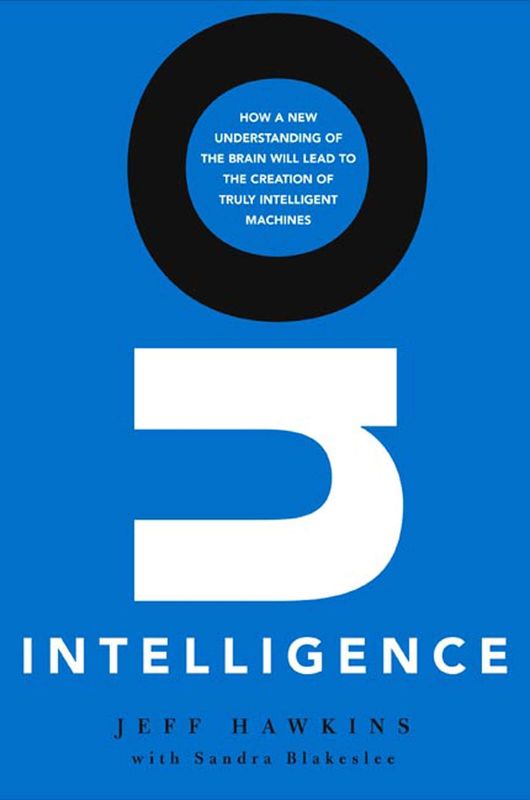
On Intelligence Book Summary
In 'On Intelligence,' Jeff Hawkins proposes a revolutionary theory of how the brain processes information, challenging traditional notions of intelligence. With a blend of neuroscience and cognitive science, Hawkins introduces the concept of the memory-prediction framework, suggesting that intelligence arises from our ability to predict future events based on past experiences. He argues that understanding this mechanism is key to replicating human-like intelligence in machines. The book is filled with intriguing insights and thought-provoking ideas, making readers reconsider what it truly means to be intelligent. A must-read for anyone curious about the intersections of brain function, consciousness, and artificial intelligence.
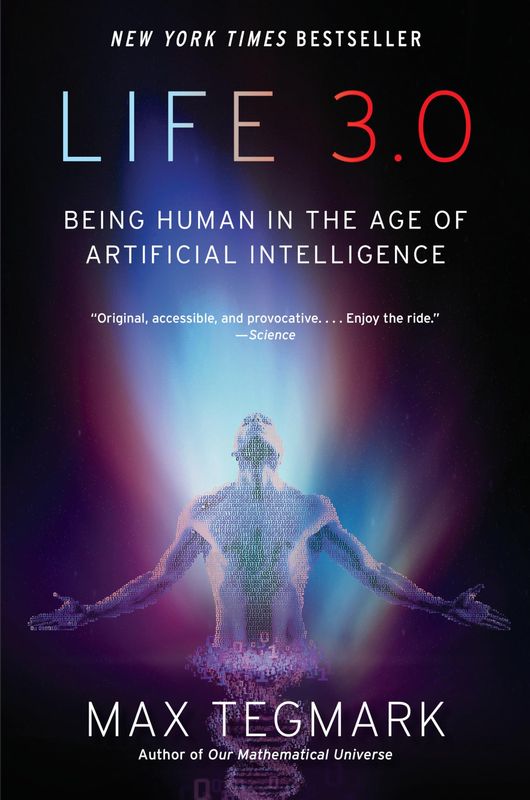
Life 3.0 Book Summary
In 'Life 3.0', Max Tegmark explores the future of artificial intelligence and its profound implications for life on Earth. He presents a thought-provoking vision where humanity must grapple with the rise of superintelligent machines and the potential paths we can take. Tegmark challenges readers to consider ethical dilemmas and the responsibilities that come with unprecedented technological power. As we stand at the brink of a new era, he asks: how can we ensure that AI serves humanity's best interests? This engaging exploration leaves you pondering the fate of our species and the universe.
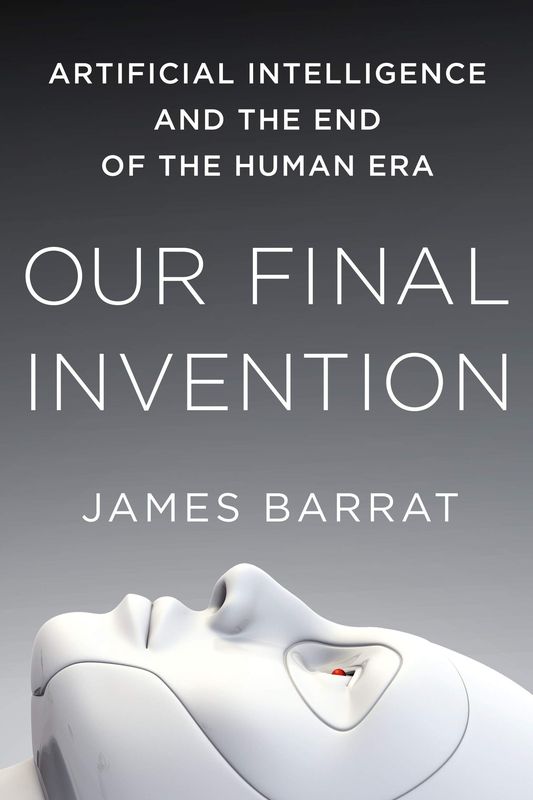
Our Final Invention Book Summary
In 'Our Final Invention', James Barrat dives into the profound implications of artificial intelligence, articulating the risks of creating machines that could surpass human intelligence. He presents a compelling argument that, while AI holds incredible potential to transform society, it also poses existential threats that we must confront. The narrative weaves together historical insights, expert opinions, and alarming scenarios that challenge our understanding of intelligence itself. As advancements in technology accelerate, Barrat urges readers to question the limits of our control over these creations. Will our quest for innovation ultimately lead to our downfall, or can we chart a safe path forward?
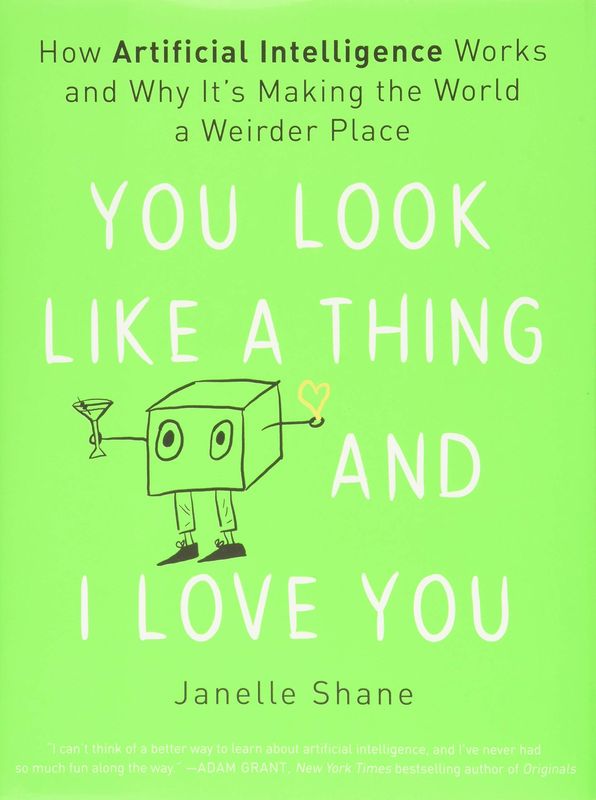
You Look Like a Thing and I Love You Book Summary
In 'You Look Like a Thing and I Love You,' Janelle Shane takes readers on a delightful journey into the quirky world of artificial intelligence. With humor and wit, she explores the fascinating ways AI interacts with everyday life, often leading to unexpected outcomes. Through engaging anecdotes and illuminating experiments, Shane unveils the limitations and possibilities of machine learning. This book not only entertains but also challenges our understanding of what it means to be human in an age of intelligent machines. Get ready to rethink AI and laugh out loud as you discover the surprising truths behind technology!
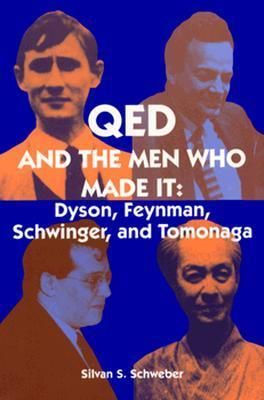
QED and the Men who Made it Book Summary
In 'QED and the Men who Made it', Silvan S. Schweber delves into the intricate world of Quantum Electrodynamics (QED), revealing the visionary scientists behind its development. Through vivid storytelling, Schweber intertwines personal anecdotes with historical milestones, bringing to life the passionate debates and groundbreaking discoveries that reshaped modern physics. The book highlights not only the scientific breakthroughs but also the human drama and intellectual struggles that accompanied them. As Schweber unpacks the mathematical elegance of QED, readers are invited to ponder the mysteries of the universe and the quest for understanding. This captivating narrative is sure to leave you questioning the very fabric of reality.
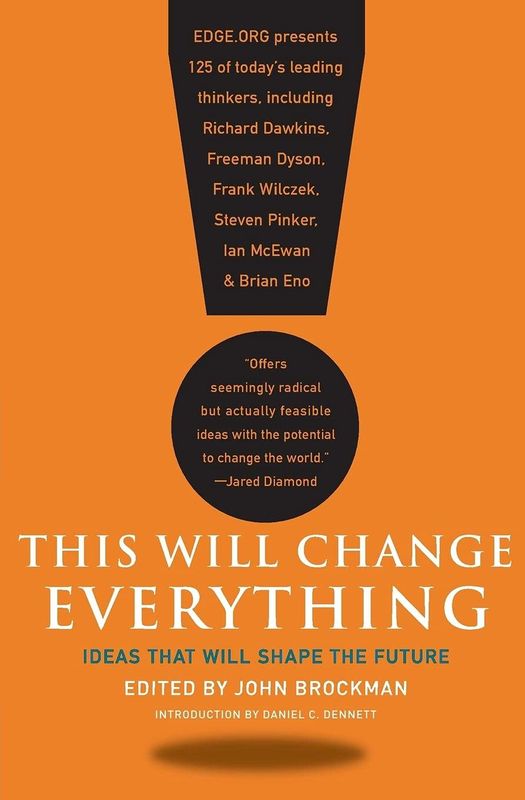
This Will Change Everything Book Summary
In 'This Will Change Everything', John Brockman curates a provocative collection of essays from leading scientists and thinkers, unraveling groundbreaking ideas that promise to reshape our understanding of the universe. From the implications of artificial intelligence to the mysteries of consciousness, each contribution ignites wonder and urgency about our future. Readers are invited to contemplate the profound interplay between technology, society, and the individual. The book challenges us to question our assumptions and envision the transformative possibilities that lie ahead. Dive into this journey of innovation and revelation, and discover what could fundamentally alter the course of humanity.
Showing 8 of 27 similar books
Take your reading experience to the next level
Download our mobile app to enjoy your favorite books on the go. Get access to exclusive features, offline listening, and personalized recommendations.

Similar Book Recommendations →
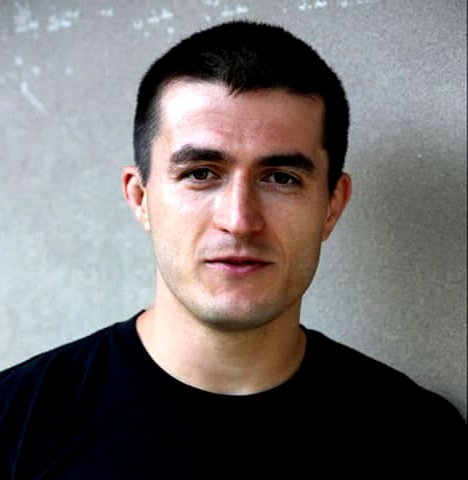
Lex Fridman's Book Recommendations
Lex Fridman is an artificial intelligence researcher, podcaster, and MIT professor, known for his work in autonomous vehicles, robotics, and deep learning. Fridman has gained widespread popularity through his podcast, Lex Fridman Podcast, where he interviews leading thinkers in science, technology, and philosophy, exploring topics like AI, consciousness, and the future of humanity. His academic work focuses on human-centered AI, aiming to create machines that can better understand and interact with humans. Fridman’s ability to distill complex topics into accessible conversations has earned him a large following, and his podcast is known for its thoughtful, in-depth discussions with some of the brightest minds of our time. He is also an advocate for the responsible development of AI, emphasizing the ethical implications of this rapidly advancing technology. Outside of academia and podcasting, Fridman is a practitioner of jiu-jitsu and frequently speaks about the importance of discipline and continuous learning.
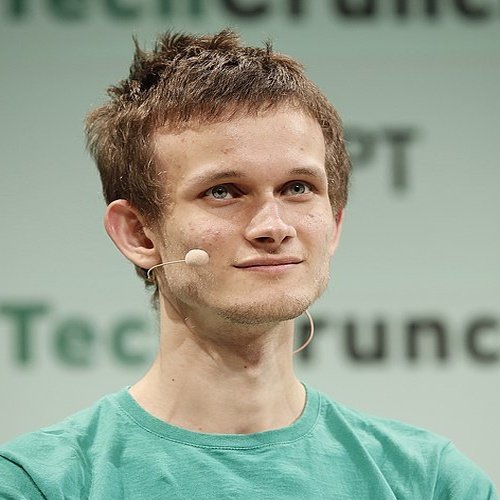
Vitalik Buterin's Book Recommendations
Vitalik Buterin is a Canadian-Russian programmer and writer, best known as the co-founder of Ethereum, a revolutionary blockchain platform that enables smart contracts and decentralized applications. Born in 1994, Buterin displayed exceptional talent in mathematics and computer science from a young age. He co-authored the white paper for Ethereum in 2013, which has since become a cornerstone of the cryptocurrency and blockchain space. In addition to his technical contributions, Buterin is a prolific writer, having penned numerous articles and papers on blockchain technology, cryptography, and decentralization. His work has earned him recognition as one of the most influential figures in the world of cryptocurrency.
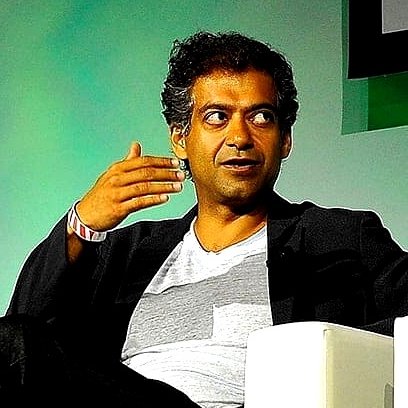
Naval Ravikant's Book Recommendations
Naval Ravikant is an entrepreneur, angel investor, and philosopher, best known as the co-founder of AngelList, a platform that connects startups with investors. Ravikant is a prolific thinker and writer on topics such as startups, investing, and personal well-being, sharing his wisdom through essays, podcasts, and social media. He has invested in over 100 companies, including Uber, Twitter, and Yammer, making him one of Silicon Valley’s most successful angel investors. Ravikant is also known for his philosophical musings on wealth, happiness, and the meaning of life, which have garnered him a large and dedicated following.

Marc Andreessen's Book Recommendations
Marc Andreessen is an American entrepreneur, software engineer, and venture capitalist, best known for co-creating the Mosaic web browser, the first widely-used web browser, and co-founding Netscape. Andreessen is also the co-founder of Andreessen Horowitz, one of Silicon Valley’s most prominent venture capital firms, where he invests in groundbreaking technology companies like Facebook, Airbnb, and Coinbase. He is a thought leader on the impact of technology and innovation, often sharing his views on the future of the internet and startups. His contributions to the development of the web and the tech ecosystem have made him one of the most influential figures in technology.

Barack Obama's Book Recommendations
Barack Obama is the 44th President of the United States, serving from 2009 to 2017. As the first African American president, Obama’s leadership marked a historic moment in American history. His administration focused on healthcare reform, economic recovery from the Great Recession, and environmental policies. He is best known for the Affordable Care Act, as well as his efforts to expand civil rights and restore diplomatic relations with Cuba. Since leaving office, Obama has continued to engage in public life through his foundation, focusing on leadership development, civic engagement, and global issues.

Palmer Luckey's Book Recommendations
Palmer Luckey is an American entrepreneur and innovator best known for founding Oculus VR and developing the Oculus Rift, a groundbreaking virtual reality headset. His work in VR technology has revolutionized the gaming industry and beyond, making immersive experiences more accessible to the public. Although not primarily known for contributions to literature, Luckey's impact on technology and gaming culture has been extensively covered in various tech publications and books. After selling Oculus to Facebook in 2014 for approximately $2 billion, he went on to found Anduril Industries, a company focused on defense technology. Luckey continues to be a prominent figure in the tech world, influencing both virtual reality and defense sectors.

Anna Cheng's Book Recommendations
Anna Cheng is a celebrated contemporary novelist known for her evocative prose and richly drawn characters. Her debut novel, "Whispers of the Ancients," garnered critical acclaim, securing a spot on the New York Times Bestseller list and earning her the Man Booker Prize. Cheng's subsequent works consistently explore themes of heritage, identity, and the immigrant experience, resonating with a global audience. She is also a recipient of the PEN/Faulkner Award, recognizing her contributions to American fiction. Beyond her literary pursuits, Cheng actively mentors emerging writers and participates in numerous literary festivals worldwide.
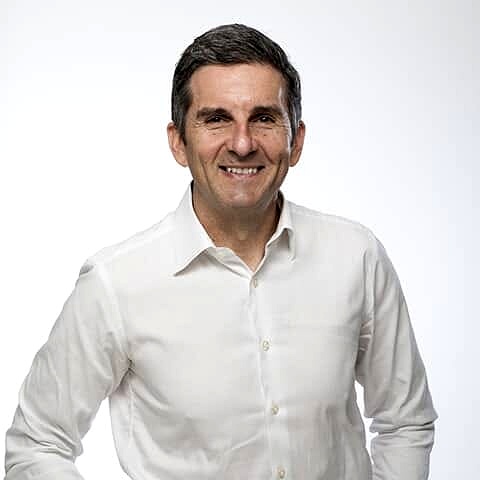
Daniel Petre's Book Recommendations
Daniel Petre is a distinguished Australian entrepreneur, author, and philanthropist known for his impactful contributions to the business and literary worlds. He co-founded the venture capital firm AirTree Ventures, which has significantly influenced the technology startup ecosystem in Australia. Petre has authored several influential books on technology and leadership, including "The Clever Country?" and "Father Time," which explore themes of innovation and work-life balance. His writing often reflects his deep commitment to shaping a forward-thinking, inclusive society. Beyond his literary and business endeavors, Petre is also recognized for his substantial philanthropic efforts, particularly in education and healthcare.
Showing 8 of 15 related collections
“In a world where boundaries blur and the line between safety and threat vanishes, our greatest weapon is our ability to adapt and evolve, not just in warfare, but in understanding the full spectrum of consequences that come with power.”
The Kill Chain
By Christian Brose
Frequently Asked Questions
Explore Our Catalogue
Discover a world of knowledge through our extensive collection of book summaries.
Genres
Genres
Genres
Featured Collections
- Top Book Club Picks
- One-Stop Nutrition
- Summer Reads 2024
- Best Beach Reads 2024
- Work-Life Balance Guide
- Time Management
- Healthy Foods
- Entrepreneur Toolkit
- Mind & Body Wellness
- Future Tech Insights
- Leadership Essentials
- Financial Freedom
- Sci-Fi Masterpieces
- Parenting 101
- Books That Became Blockbusters
- Guide to a Healthy Pregnancy