The Nightingale's Song Book Summary
In 'The Nightingale's Song', Robert Timberg weaves a poignant tapestry of four extraordinary lives intertwined by the tumult of the Vietnam War. Through the lens of these men, he explores themes of sacrifice, resilience, and the pursuit of honor amidst chaos. As their paths intersect, secrets and truths surface, revealing the profound impact of war on their souls and futures. Timberg's narrative is a haunting reminder of the costs of conflict and the redemptive power of friendship. Will these men find peace in the echoes of their past, or are they forever haunted by the shadows of war?
By Robert Timberg
Published: 1996
"In the quiet struggle of our memories, we find the threads of resilience that weave together the fabric of our lives."


Start Listening to Book Summary
Book Review of The Nightingale's Song
Presents the story of five top graduates of Annapolis who served heroically in Vietnam and rose to national prominence during the Reagan years.
Book Overview of The Nightingale's Song
About the Book Author
Robert Timberg
Robert Timberg is an esteemed American author and journalist, known for his evocative storytelling and sharp insights into the human experience. He gained significant recognition through his notable works, including 'The Nightingale's Song' and 'Blue-Eyed Boy.' Timberg's writing is characterized by a blend of meticulous research and compelling narrative, often exploring themes of resilience and the complexities of personal history. His background in journalism informs his narrative style, allowing him to present intricate characters and their journeys with clarity and depth.
Book Details
Key information about the book.
- Authors
- Robert Timberg
- Published
- September 1996
- Publisher
- Simon and Schuster
- ISBN
- 0684826739
- Language
- English
- Pages
- 556
- Genres
- HistoryMilitary History
Purchase Options
 Buy on Amazon
 Buy via BookShop
Support local bookstores: BookShop gives a portion of each sale to independent bookshops!
Similar books you might like →
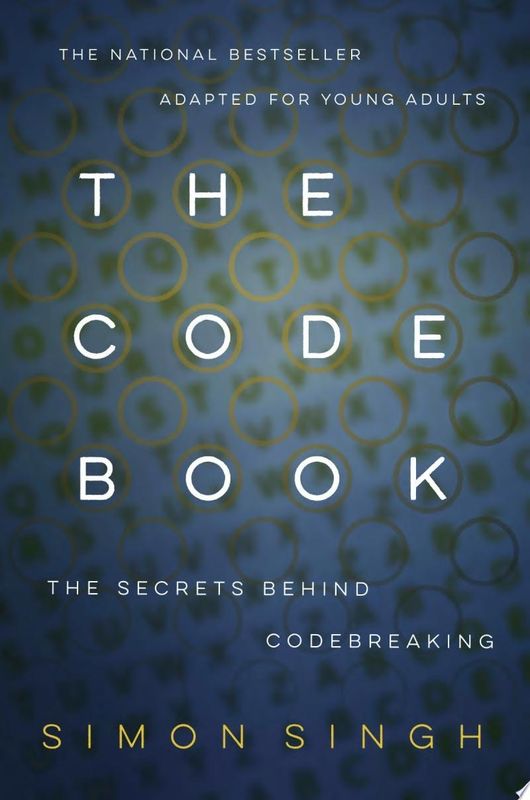
The Code Book: The Secrets Behind Codebreaking Book Summary
In "The Code Book," Simon Singh takes readers on a captivating journey through the history of codes and code-breaking, revealing the secrets that have shaped civilizations and influenced wars. From ancient hieroglyphs to modern internet encryption, each chapter unveils the intricate dance between secrecy and revealing truth. Singh intertwines real-life espionage tales and mathematical puzzles, making cryptography accessible and thrilling. As you delve into the world of hidden messages and clandestine communications, you'll find yourself pondering the ethical implications of surveillance and privacy in today’s digital age. Can you crack the code of the past to foresee the future?
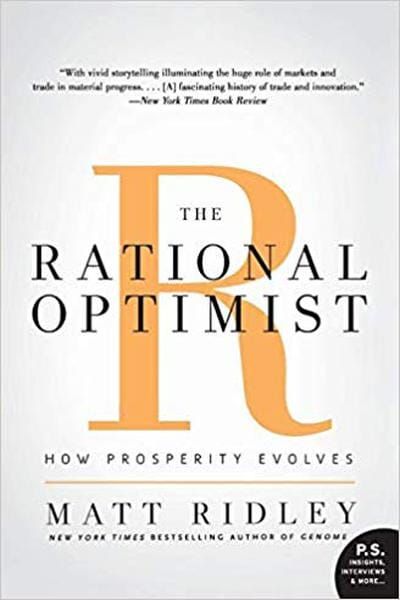
The Rational Optimist Book Summary
In 'The Rational Optimist', Matt Ridley challenges the pervasive pessimism of modern society by illustrating how human innovation and collaboration have historically led to progress and prosperity. He argues that through trade, science, and technology, humanity has an incredible ability to solve problems and improve quality of life. Ridley takes readers on a journey through history, revealing how obstacles have often fueled creativity and driven advancement. This thought-provoking book invites you to rethink the future and embrace the power of optimism in a world filled with challenges. Discover why Ridley believes our best days are still ahead!

Collusion Across the Jordan Book Summary
In 'Collusion Across the Jordan,' Avi Shlaim unveils the intricate and often hidden relationships between Israel and Jordan during pivotal moments in Middle Eastern history. Through meticulous research and compelling storytelling, he reveals how political maneuvering and shared interests have shaped the narratives of both nations. The book challenges conventional wisdom and encourages readers to reconsider the complexities of Arab-Israeli relations. Shlaim's insights highlight the impact of diplomacy and secret agreements that influenced the region's fate. Prepare for a journey that intertwines history, politics, and the human spirit in ways that will leave you questioning the very foundations of contemporary geopolitics.
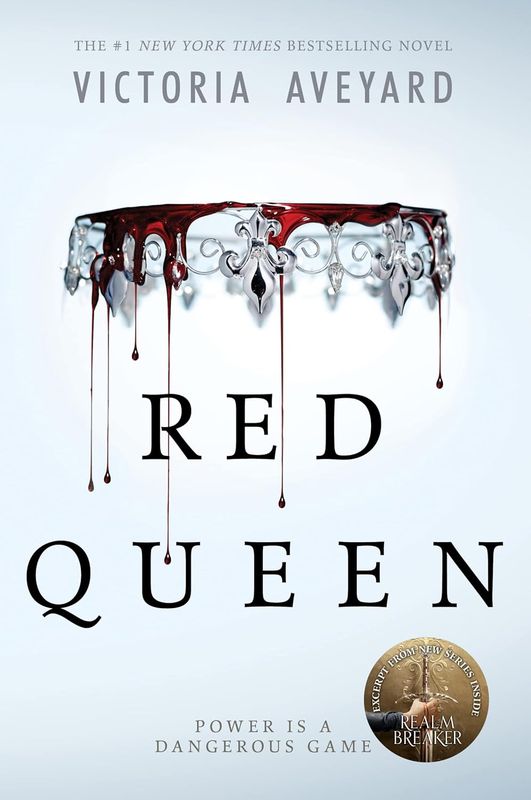
The Red Queen Book Summary
In 'The Red Queen', Matt Ridley explores the intricate mechanisms of evolution, weaving in concepts of sex, genetics, and the relentless competition for survival. He captivatingly likens evolutionary pressure to a game of musical chairs where the stakes are life and death, revealing how organisms adapt not just to their environments, but to the behaviors of others. The title references the Red Queen from Lewis Carroll's 'Through the Looking-Glass', emphasizing the idea that species must constantly evolve just to stay in the same place. Ridley's engaging narrative challenges readers to reconsider the role of sex and reproduction in natural selection. Prepare to be intrigued by how competition shapes the very fabric of life itself.
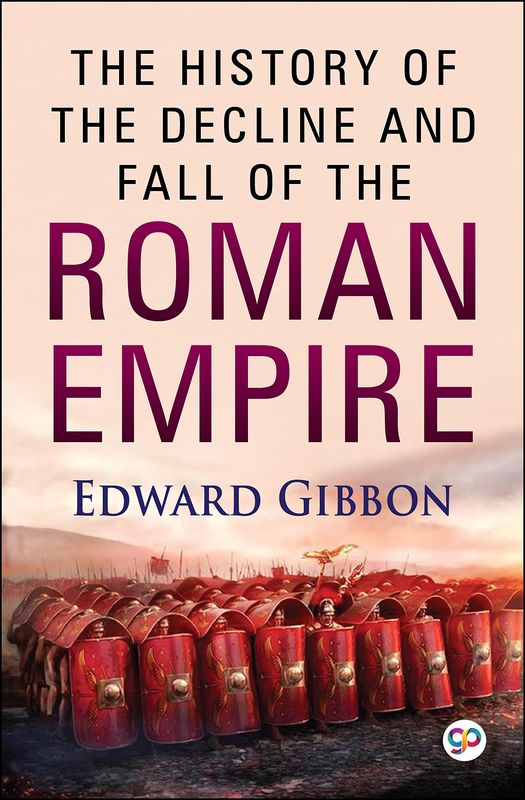
The History of the Decline & Fall of the Roman Empire Book Summary
In 'The History of the Decline & Fall of the Roman Empire,' Edward Gibbon meticulously chronicles the mighty empire's descent into chaos and obscurity. With eloquent prose, Gibbon unveils the interplay of political intrigue, moral decay, and military defeats that eroded Rome's power. His analysis does not merely recount events but delves into the philosophical implications of decline and the lessons for future societies. As empires rise and fall, engage with the timeless questions Gibbon poses about civilization itself. Dive into this monumental work to understand how history shapes our present and future.
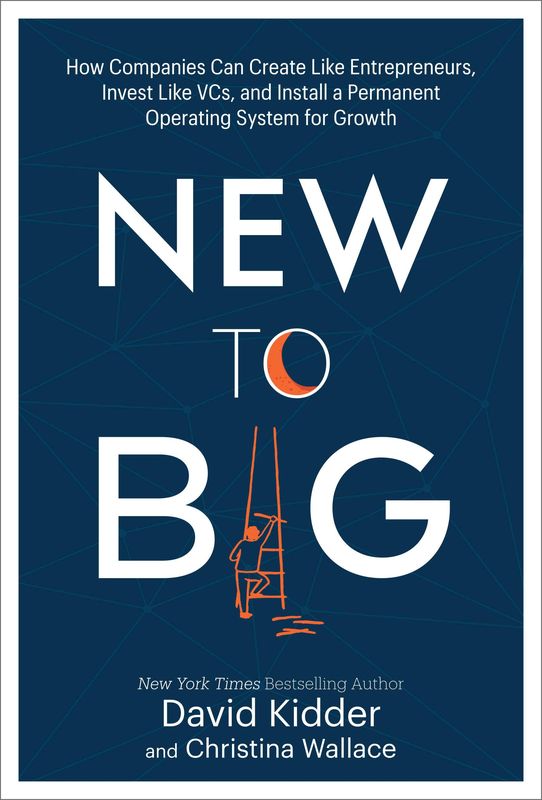
New to Big Book Summary
In 'New to Big', David Kidder and Christina Wallace explore the transformative journey of startups as they evolve into successful, scaled enterprises. They unveil the secrets behind harnessing innovation and agility while navigating the challenges of growth. Through captivating case studies and practical insights, the authors reveal how leaders can foster a culture of experimentation and resilience. Readers will discover the importance of balancing vision with execution in an ever-changing landscape. This book is a must-read for aspiring entrepreneurs eager to bridge the gap from ideas to impactful ventures.

Bloodlands Book Summary
In 'Bloodlands', Timothy Snyder unveils the haunting history of the regions between Nazi Germany and Soviet Russia during World War II. The book meticulously explores the horrific atrocities committed by both regimes, resulting in the deaths of millions. Snyder's vivid narrative intertwines personal stories with broader historical contexts, painting a poignant picture of suffering and survival. As readers delve into this dark past, they are challenged to reflect on the consequences of totalitarianism and the fragility of human life. This compelling work not only educates but also provokes an urgent conversation about memory, history, and the moral responsibilities of the present.
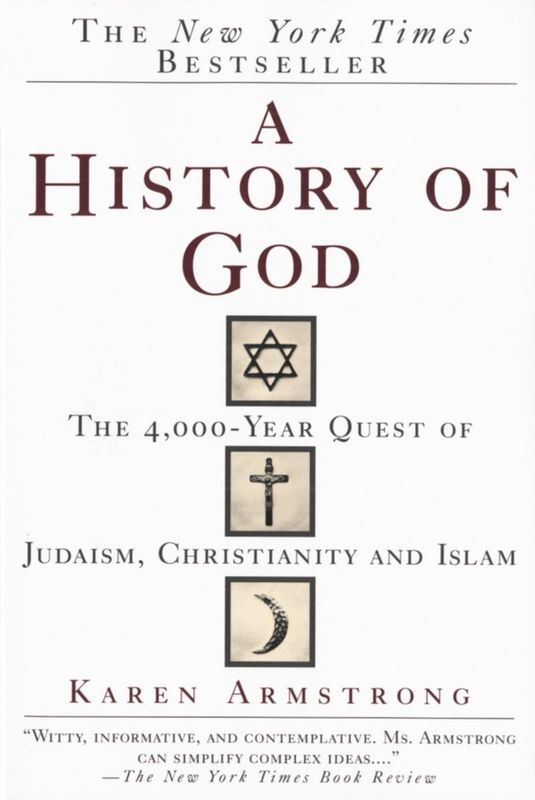
A History of God Book Summary
In 'A History of God', Karen Armstrong embarks on a fascinating journey through the evolution of the concept of God from ancient times to the modern era. She explores how various religions—Judaism, Christianity, and Islam—have shaped humanity's understanding of the divine, revealing the complexities and contradictions in these beliefs. Highlighting the influence of culture, politics, and philosophy, Armstrong invites readers to reconsider their perceptions of faith and spirituality. This thought-provoking narrative raises profound questions about the nature of belief and the future of religious thought. Are we on the brink of a new understanding of God, or are we simply repeating history?
Showing 8 of 28 similar books
Take your reading experience to the next level
Download our mobile app to enjoy your favorite books on the go. Get access to exclusive features, offline listening, and personalized recommendations.

Similar Book Recommendations →

Ron Conway's Book Recommendations
Ron Conway is an American angel investor and philanthropist, often referred to as the “Godfather of Silicon Valley” for his early investments in companies like Google, Facebook, and Twitter. As the founder of SV Angel, Conway has backed hundreds of startups and played a key role in the growth of the tech industry. He is known for his extensive network and ability to connect entrepreneurs with the resources they need to succeed. In addition to his work in tech, Conway is involved in philanthropy, particularly in areas like education and public health. His contributions to both Silicon Valley and charitable causes have earned him widespread recognition.

Bret Victor's Book Recommendations
Bret Victor is a renowned American interface designer and computer scientist celebrated for his innovative contributions to interactive design and human-computer interaction. He is best known for creating dynamic, explorable explanations, which have significantly influenced the way educational content is presented and understood. Victor's seminal work, "Inventing on Principle," advocates for the integration of immediate feedback in creative processes, inspiring a new wave of interactive programming environments. As a former member of the Apple Human Interface team, he played a pivotal role in shaping modern user interfaces. Through his organization, Dynamicland, Victor continues to explore and expand the boundaries of immersive, collaborative computing environments.

Anna Kendrick's Book Recommendations
Anna Kendrick is an acclaimed actress and author, best known for her versatile performances in film and theater. She gained widespread recognition for her role in the "Twilight" series and earned an Academy Award nomination for her performance in "Up in the Air." In 2016, Kendrick expanded her creative repertoire by publishing her memoir, "Scrappy Little Nobody," which offers a candid, humorous look at her life and career. The book became a New York Times bestseller, showcasing her sharp wit and storytelling talent. Kendrick continues to influence both the entertainment and literary worlds with her engaging presence and authentic voice.

Barack Obama's Book Recommendations
Barack Obama is the 44th President of the United States, serving from 2009 to 2017. As the first African American president, Obama’s leadership marked a historic moment in American history. His administration focused on healthcare reform, economic recovery from the Great Recession, and environmental policies. He is best known for the Affordable Care Act, as well as his efforts to expand civil rights and restore diplomatic relations with Cuba. Since leaving office, Obama has continued to engage in public life through his foundation, focusing on leadership development, civic engagement, and global issues.

Morgan Housel's Book Recommendations
Morgan Housel is a financial writer and partner at The Collaborative Fund, best known for his book The Psychology of Money. His work explores the behavioral side of finance, emphasizing how emotions, history, and decision-making impact wealth-building. Housel’s writing is widely praised for being accessible, insightful, and engaging, making complex financial topics easier to understand. He contributes regularly to financial publications and speaks at conferences on the power of long-term thinking in finance. His book has become a modern classic in the personal finance genre.

Jocko Willink's Book Recommendations
Jocko Willink is a retired Navy SEAL officer, renowned for his leadership during the Battle of Ramadi in the Iraq War, which earned him the Silver Star and Bronze Star. Transitioning from military service, he co-authored the best-selling book "Extreme Ownership: How U.S. Navy SEALs Lead and Win" with fellow SEAL Leif Babin, which has become a cornerstone in leadership and management literature. Willink has also written the "Way of the Warrior Kid" series, aimed at empowering young readers with principles of discipline and resilience. Additionally, he hosts the popular "Jocko Podcast," where he discusses leadership, discipline, and personal development. Willink's influence extends beyond literature through his Echelon Front leadership consultancy, helping organizations implement effective leadership strategies.

Bill Rasmussen's Book Recommendations
Bill Rasmussen is best known as the founder of ESPN, the world’s first 24-hour sports television network, which revolutionized sports broadcasting and media consumption globally. Born on October 15, 1932, in Chicago, Illinois, Rasmussen's visionary approach to cable television transformed the sports industry and paved the way for modern sports journalism. His contributions to literature include his memoir, "Sports Junkies Rejoice! The Birth of ESPN," where he chronicles the challenges and triumphs of launching the network. Rasmussen's innovative spirit and entrepreneurial success have earned him numerous accolades, including induction into the Sports Broadcasting Hall of Fame. His legacy continues to influence the ways in which sports content is produced and consumed today.

Bridget Phetasy's Book Recommendations
Bridget Phetasy is a multi-talented writer, comedian, and podcaster known for her sharp wit and insightful commentary on contemporary culture and politics. She gained prominence through her work with Playboy, where her essays and columns attracted a wide readership. Bridget is the host of the popular podcast "Walk-Ins Welcome," where she engages in deep, humorous conversations with a variety of guests. Her candid and often provocative takes on societal issues have garnered her a loyal following on social media. Additionally, she created the satirical YouTube series "Dumpster Fire," where she humorously dissects current events.
Showing 8 of 16 related collections
“In the quiet struggle of our memories, we find the threads of resilience that weave together the fabric of our lives.”
The Nightingale's Song
By Robert Timberg
Frequently Asked Questions
Explore Our Catalogue
Discover a world of knowledge through our extensive collection of book summaries.
Genres
Genres
Genres
Featured Collections
- Top Book Club Picks
- One-Stop Nutrition
- Summer Reads 2024
- Best Beach Reads 2024
- Work-Life Balance Guide
- Time Management
- Healthy Foods
- Entrepreneur Toolkit
- Mind & Body Wellness
- Future Tech Insights
- Leadership Essentials
- Financial Freedom
- Sci-Fi Masterpieces
- Parenting 101
- Books That Became Blockbusters
- Guide to a Healthy Pregnancy