The Public and Its Problems Book Summary
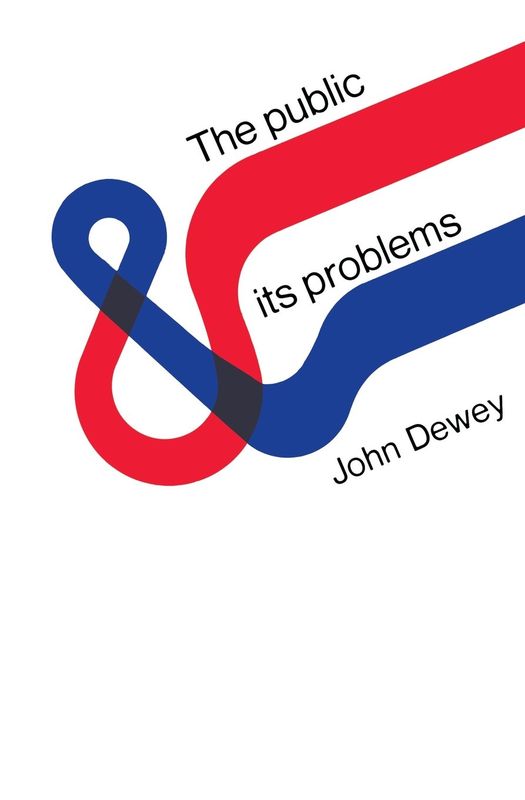
In 'The Public and Its Problems', John Dewey explores the nature of democracy and its relationship with society. He argues that the 'public' is often misunderstood and that effective democratic action requires a deeper understanding of collective problems. Dewey challenges readers to consider how communication, education, and social cooperation shape public life. This thought-provoking work delves into the complexities of civic engagement and the role of individuals in a democratic society. Are we truly aware of our responsibilities as members of the public, and how can we better address the issues that bind us together?
By John Dewey
Published: 1954
"The greatest problem in the world is how to generate the conditions of common life that promote a flourishing society, where the individual’s freedom finds harmony with the collective."

Start Listening to Book Summary
Book Review of The Public and Its Problems
In The Public and Its Problems, a classic of social and political philosophy, John Dewey exhibits his strong faith in the potential of human intelligence to solve the public's problems. In his characteristic provocative style, Dewey clarifies the meaning and implications of such concepts as "the public," "the state," "government," and "political democracy." He distinguishes his a posterior reasoning from a priori reasoning, which, he argues permeates less meaningful discussion of basic concepts. Dewey repeatedly demonstrates the interrelationships between fact and theory.
Book Overview of The Public and Its Problems
About the Book Author
John Dewey
John Dewey (1859-1952) was an American philosopher, psychologist, and educational reformer associated with pragmatism and functional psychology. A prominent figure in the progressive education movement, Dewey's work emphasizes the importance of experiential learning and the role of education in fostering democratic citizenship. Notable works include "Democracy and Education" (1916), in which he articulates his vision of education as a social process, and "Experience and Nature" (1925), exploring the relationship between human experience and the natural world. Dewey's writing style is characterized by clarity, accessibility, and a commitment to applying philosophical ideas to practical issues in society.
Book Details
Key information about the book.
- Authors
- John Dewey
- Published
- January 1954
- Publisher
- N/A
- ISBN
- 0804002541
- Language
- English
- Pages
- 236
- Genres
- Social Justice MovementsPolitical PhilosophyPolitics and Current Affairs
Purchase Options
 Buy on Amazon
 Buy via BookShop
Support local bookstores: BookShop gives a portion of each sale to independent bookshops!
Similar books you might like →
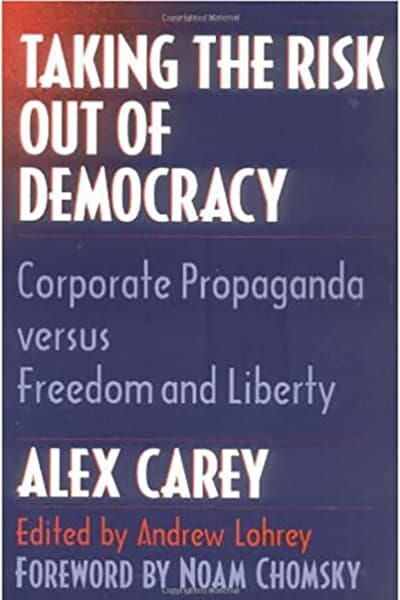
Taking the Risk Out of Democracy Book Summary
In 'Taking the Risk Out of Democracy', Alex Carey unveils the hidden forces that threaten democratic principles in contemporary society. He explores the interplay between corporate interests and political power, revealing how disinformation and manipulation are wielded to influence public opinion. Carey provides compelling insights into the history of propaganda and its role in shaping modern democracies. Through a critical lens, he warns of the fragility of democratic systems and the necessity of informed citizenry. This thought-provoking exploration invites readers to reflect on the vital importance of safeguarding democracy in an ever-evolving landscape.

Plants-Only Kitchen Book Summary
Dive into 'Plants-Only Kitchen' by Gaz Oakley, where the vibrant world of plant-based cooking comes alive! This culinary adventure showcases delicious, innovative recipes that challenge the notion of vegetarian cooking. From eye-catching dishes to expert tips, Oakley inspires creativity and a healthy lifestyle. Whether you're a seasoned vegan or just curious, this book promises to tantalize your taste buds and expand your culinary horizons. Discover how exciting and satisfying plant-based cuisine can truly be!
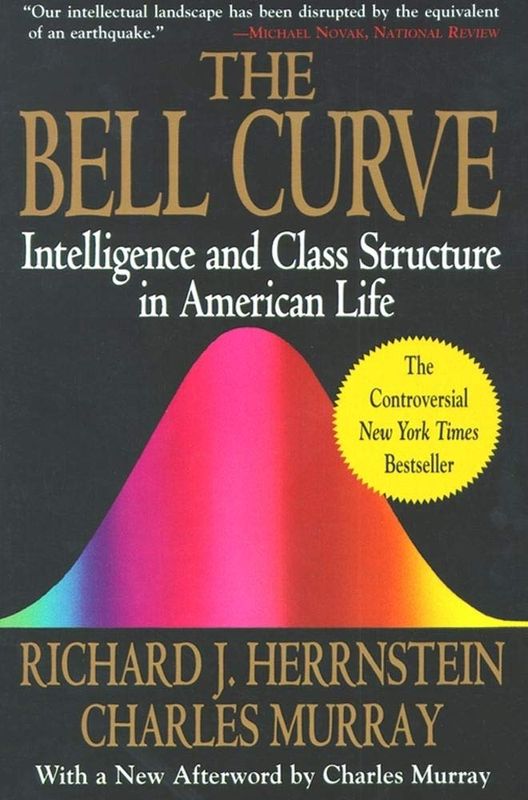
Bell Curve Book Summary
In 'Bell Curve,' psychologists Richard J. Herrnstein and Charles Murray provocatively explore the relationship between intelligence, social outcomes, and socioeconomic status. They argue that intelligence is a strong predictor of life success and the distribution of IQ in society mirrors a bell curve. The book raises controversial discussions about race, genetics, and educational policy, suggesting that cognitive ability can influence societal structure. While challenging the reader with its bold claims, it prompts us to question the implications of intelligence testing in today's world. Will it reshape our understanding of meritocracy, or reinforce harmful stereotypes?
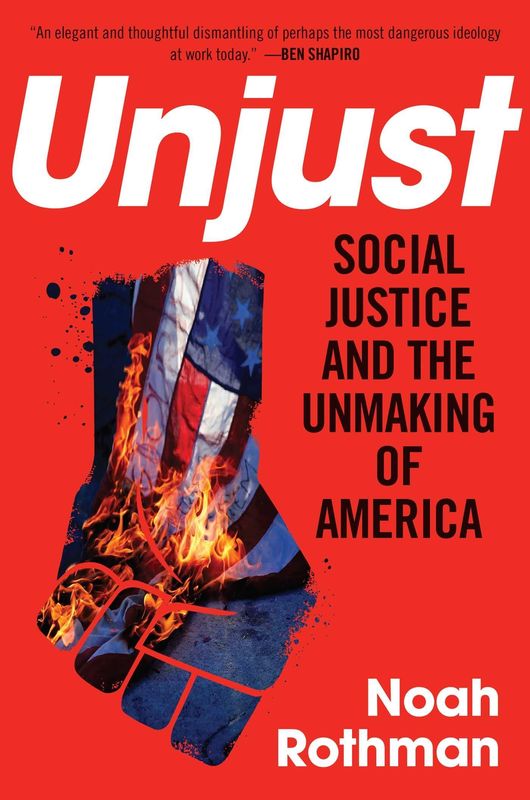
Unjust Book Summary
In 'Unjust', Noah Rothman explores the complex interplay between justice and societal norms, challenging conventional perceptions of fairness. Through gripping narratives and incisive analysis, he reveals how biases and injustices can warp our understanding of truth. Rothman argues that the quest for justice often leads to unintended consequences that can exacerbate societal fractures. The book invites readers to question their own beliefs and the systems they support. Ultimately, 'Unjust' forces us to confront uncomfortable truths about morality and the human condition.
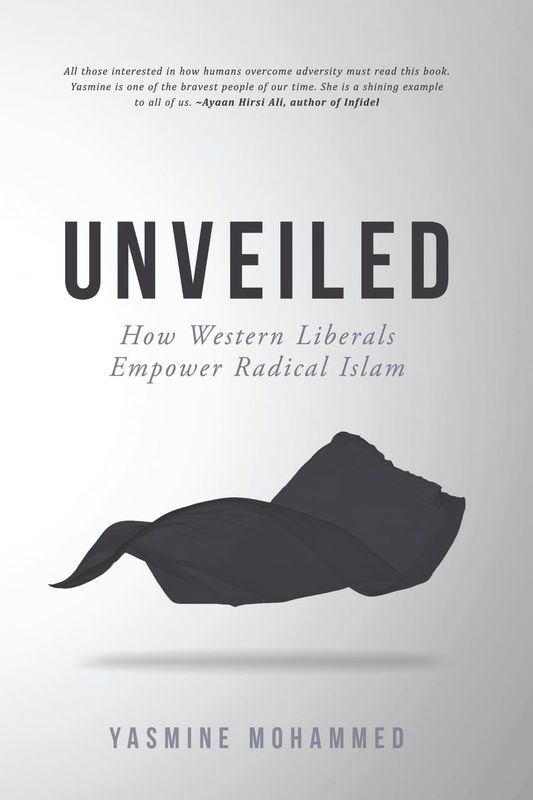
Unveiled: How Western Liberals Empower Radical Islam Book Summary
In 'Unveiled,' Yasmine Mohammed fearlessly exposes the paradoxes within Western liberalism that inadvertently bolster radical Islamic ideologies. Drawing from her own harrowing experiences as a former Muslim girl in a fundamentalist household, she reveals how cultural blind spots and political correctness hinder meaningful dialogue. With incisive clarity, she confronts the uncomfortable truths that challenge the prevailing liberal narratives. This provocative book invites readers to reconsider their assumptions about faith, freedom, and feminism. Prepare to be enlightened and challenged as you delve into a world where liberal intentions collide with radical realities.
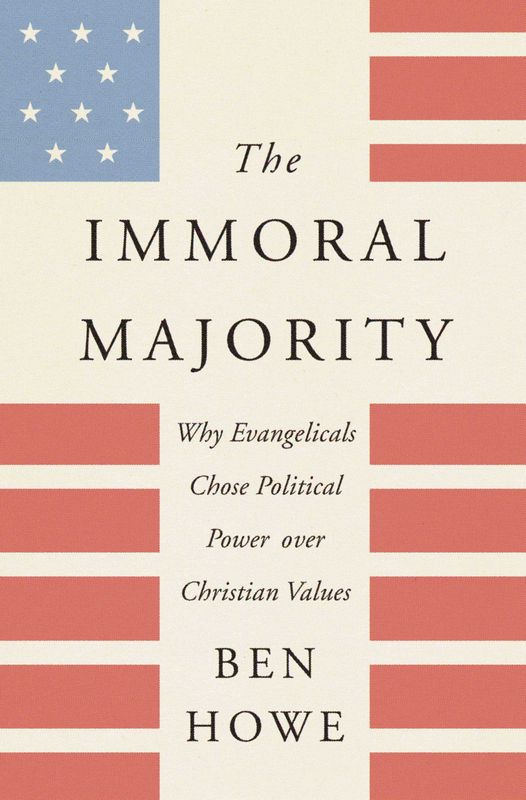
The Immoral Majority Book Summary
In 'The Immoral Majority', Ben Howe explores the dissonance between evangelical Christianity and the political landscape of modern America. He argues that the alliance between conservative Christians and the Trump administration has compromised the moral integrity of the faith. Through compelling anecdotes and sharp analysis, Howe questions whether political power is worth sacrificing core ethical values. With insights into the complexities of faith and politics, this book sparks critical reflection on the future of Christianity in the public sphere. Prepare to challenge your beliefs and reconsider the ethical foundations of a divided society.
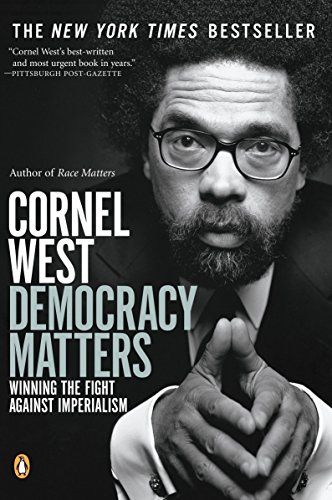
Democracy Matters Book Summary
In 'Democracy Matters', Cornel West passionately advocates for the revitalization of American democracy, arguing that it faces severe crises from corporate greed and political apathy. He intertwines philosophical musings with urgent social critiques, exploring the implications of race, class, and culture on the democratic process. West calls for a return to a more participatory democracy, emphasizing the importance of moral values and civic engagement. Through thought-provoking anecdotes and insights, he urges readers to awaken their sense of agency in shaping a more equitable society. This powerful manifesto invites us to reflect deeply on the future of democracy and our roles within it.
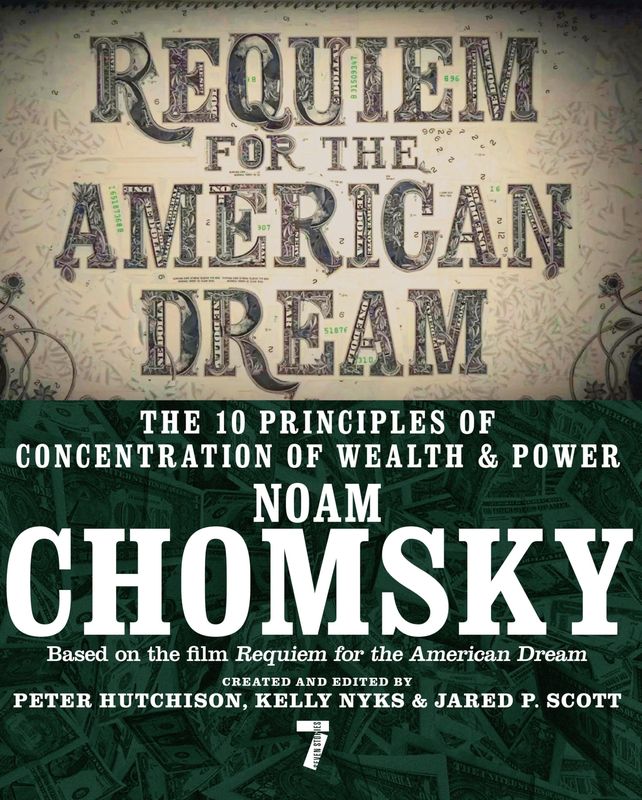
Requiem for the American Dream Book Summary
In 'Requiem for the American Dream', Noam Chomsky, a towering intellectual, unveils the unsettling truths behind the erosion of the American Dream. Through a series of profound insights, he examines the concentration of wealth and power that has transformed democracy into a tool for the elite. Chomsky dissects the mechanisms of manipulation that maintain social inequality and promote apathy among the masses. This compelling narrative not only critiques the status quo but also challenges readers to reconsider their role in shaping the future. Prepare to question everything you thought you knew about America and its promises.
Showing 8 of 21 similar books
Take your reading experience to the next level
Download our mobile app to enjoy your favorite books on the go. Get access to exclusive features, offline listening, and personalized recommendations.

Similar Book Recommendations →

Emily Oster's Book Recommendations
Emily Oster is an economist and professor at Brown University, known for her data-driven approach to parenting. She is the author of popular books like Expecting Better and Cribsheet, where she uses economics to debunk common parenting myths and offer evidence-based advice. Emily’s research empowers parents to make informed decisions based on data rather than societal pressure. Her approachable style has made her a favorite among modern parents seeking clarity in an overwhelming information landscape. She continues to challenge conventional wisdom with a focus on making parenting less stressful.

Ezra Klein's Book Recommendations
Ezra Klein is a prominent American journalist, political analyst, and author, renowned for his incisive commentary on politics and policy. He co-founded Vox, a widely respected news website known for its explanatory journalism, and served as its editor-in-chief. Klein's work includes the critically acclaimed book "Why We're Polarized," which delves into the deep-seated divisions in American politics. He also hosts "The Ezra Klein Show," a popular podcast where he interviews thought leaders from various fields. Klein's contributions have significantly shaped contemporary political discourse and media consumption.

Ana Fabrega's Book Recommendations
Ana Lorena Fabrega is an innovative educator and author passionate about reimagining education. Known as “Ms. Fab,” she is the Chief Evangelist at Synthesis, an education startup inspired by the problem-solving and collaboration model used at SpaceX. She advocates for alternative learning methods, encouraging curiosity and creativity in students. Ana's work emphasizes the importance of engaging young learners in real-world challenges and critical thinking. She also shares insights on education reform through her popular newsletter, Fab Fridays.

Alex Honnold's Book Recommendations
Alex Honnold is an American professional rock climber, best known for his free solo ascent of El Capitan in Yosemite National Park, a feat that was documented in the Oscar-winning film Free Solo. Honnold is renowned for his mental toughness, technical skill, and ability to climb without ropes or safety equipment. His accomplishments have made him a legend in the climbing world, and he continues to push the boundaries of the sport. Outside of climbing, Honnold is a philanthropist, founding the Honnold Foundation, which supports environmental sustainability projects, particularly in solar energy.

Barack Obama's Book Recommendations
Barack Obama is the 44th President of the United States, serving from 2009 to 2017. As the first African American president, Obama’s leadership marked a historic moment in American history. His administration focused on healthcare reform, economic recovery from the Great Recession, and environmental policies. He is best known for the Affordable Care Act, as well as his efforts to expand civil rights and restore diplomatic relations with Cuba. Since leaving office, Obama has continued to engage in public life through his foundation, focusing on leadership development, civic engagement, and global issues.
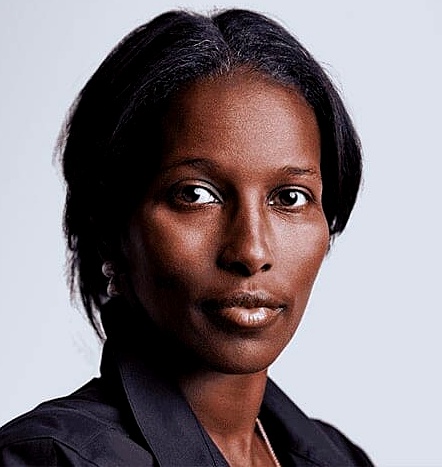
Ayaan Hirsi Ali's Book Recommendations
Ayaan Hirsi Ali is a Somali-born Dutch-American activist, author, and former politician, renowned for her outspoken criticism of Islam and advocacy for women's rights. She gained international recognition with her 2006 memoir, "Infidel," which chronicles her journey from a traditional Muslim upbringing to her eventual renouncement of Islam. As a member of the Dutch parliament from 2003 to 2006, she worked tirelessly on issues related to the integration of immigrants and the emancipation of Muslim women. Hirsi Ali has continued her advocacy through her writing, including notable works such as "Nomad" and "Heretic," which further explore themes of freedom, religion, and human rights. Her courageous and often controversial stance has earned her both widespread acclaim and significant opposition.
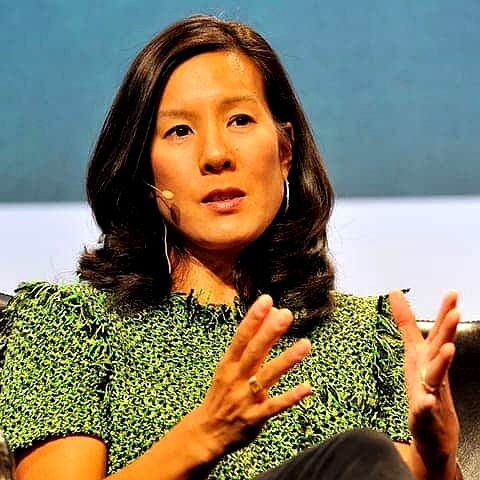
Aileen Lee's Book Recommendations
Aileen Lee is a distinguished venture capitalist and founder of Cowboy Ventures, a seed-stage venture capital firm that invests in early-stage technology companies. She is widely known for coining the term "unicorn" to describe startups valued at over $1 billion, significantly impacting how the tech industry views high-growth companies. Lee's keen eye for innovation and her advocacy for diversity in tech have made her a prominent figure in Silicon Valley. Beyond her financial acumen, she has authored insightful articles on entrepreneurship and startup culture, contributing valuable perspectives to business literature. Lee's work continues to inspire a new generation of entrepreneurs and investors.
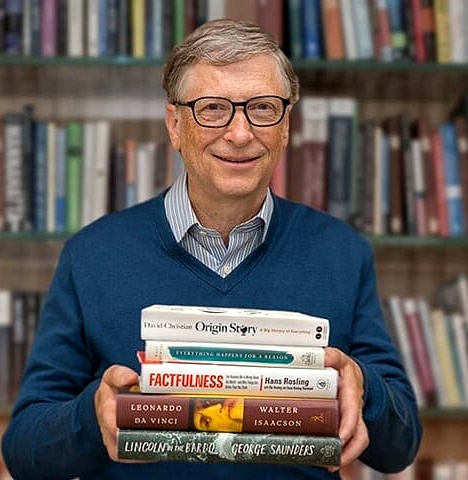
Bill Gates's Book Recommendations
Bill Gates, co-founder of Microsoft Corporation, is a pioneering figure in the tech industry, having played a key role in the personal computer revolution. His work at Microsoft, particularly the development of Windows, transformed software and computing globally. Beyond his technology contributions, Gates is also a prolific author, with notable works such as "The Road Ahead" and "Business @ the Speed of Thought," which offer insights into the future of technology and business. Additionally, his philanthropic efforts through the Bill & Melinda Gates Foundation have had a profound impact on global health, education, and poverty. Gates continues to influence both technology and literature with his forward-thinking perspectives and innovative ideas.
Showing 8 of 14 related collections
“The greatest problem in the world is how to generate the conditions of common life that promote a flourishing society, where the individual’s freedom finds harmony with the collective.”
The Public and Its Problems
By John Dewey
Frequently Asked Questions
Explore Our Catalogue
Discover a world of knowledge through our extensive collection of book summaries.
Genres
Genres
Genres
Featured Collections
- Top Book Club Picks
- One-Stop Nutrition
- Summer Reads 2024
- Best Beach Reads 2024
- Work-Life Balance Guide
- Time Management
- Healthy Foods
- Entrepreneur Toolkit
- Mind & Body Wellness
- Future Tech Insights
- Leadership Essentials
- Financial Freedom
- Sci-Fi Masterpieces
- Parenting 101
- Books That Became Blockbusters
- Guide to a Healthy Pregnancy