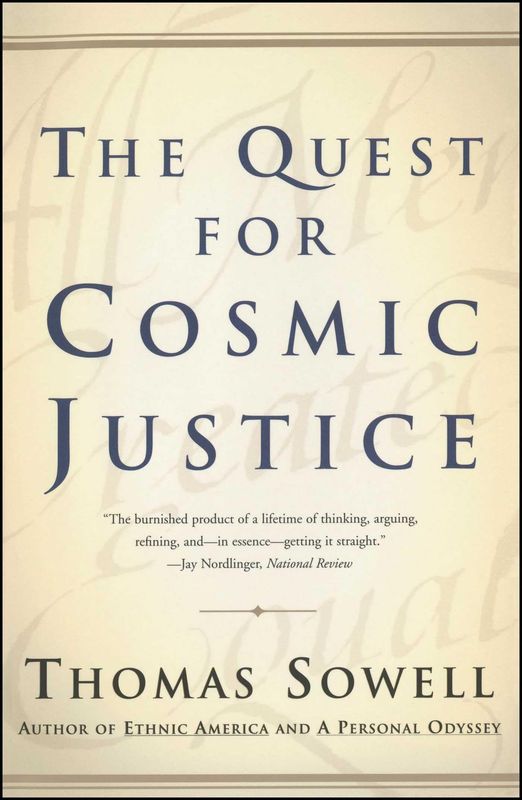
The Quest for Cosmic Justice Book Summary
In 'The Quest for Cosmic Justice,' Thomas Sowell challenges the notion of equality and fairness imposed by modern society. He explores the idea that justice is often sacrificed in the pursuit of equality, leading to unintended consequences. Sowell argues that historical and economic contexts shape our understanding of fairness, urging readers to consider the complexities of social issues. With sharp analysis and compelling examples, this thought-provoking work critiques the dogmas of contemporary social movements. Discover how the quest for an unattainable ideal may disrupt the very fabric of justice itself.
By Thomas Sowell
Published: 2002
""Justice cannot be brought about by the coercion of those who are less fortunate; true justice requires a recognition of individual responsibility and the inherent complexities of human nature.""

Start Listening to Book Summary
Book Review of The Quest for Cosmic Justice
This is not a comforting book -- it is a book about disturbing issues that are urgently important today and enduringly critical for the future. It rejects both "merit" and historical redress as principles for guiding public policy. It shows how "peace" movements have led to war and to needless casualties in those wars. It argues that "equality" is neither right nor wrong, but meaningless. The Quest for Cosmic Justice shows how confused conceptions of justice end up promoting injustice, how confused conceptions of equality end up promoting inequality, and how the tyranny of social visions prevents many people from confronting the actual consequences of their own beliefs and policies. Those consequences include the steady and dangerous erosion of the fundamental principles of freedom -- and the quiet repeal of the American revolution.
Book Overview of The Quest for Cosmic Justice
About the Book Author
Thomas Sowell
Thomas Sowell is an acclaimed American economist, social theorist, and author, known for his influential writings on economics, race, and public policy. Born on June 30, 1930, Sowell's works include notable titles such as 'Basic Economics,' 'Economic Facts and Fallacies,' and 'Intellectuals and Society.' He is recognized for his clear, accessible writing style that distills complex economic theories into understandable concepts for a broad audience. Sowell's thought-provoking analyses often challenge conventional wisdom and provoke debate on critical social issues.
Book Details
Key information about the book.
- Authors
- Thomas Sowell
- Published
- February 2002
- Publisher
- Free Press
- ISBN
- 0684864630
- Language
- English
- Pages
- N/A
- Genres
- Social Justice MovementsPolitical PhilosophyPolitics and Current Affairs
Purchase Options
 Buy on Amazon
 Buy via BookShop
Support local bookstores: BookShop gives a portion of each sale to independent bookshops!
Similar books you might like →
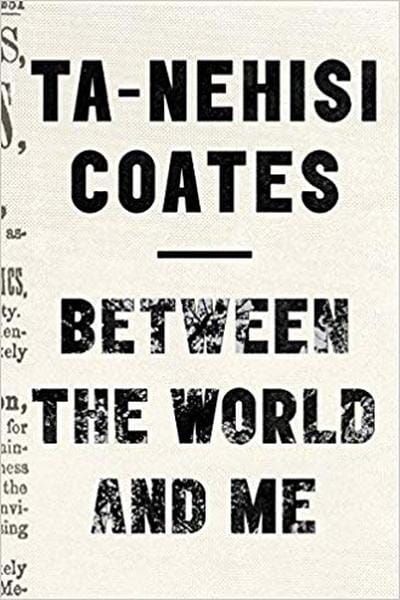
Between the World and Me Book Summary
In "Between the World and Me," Ta-Nehisi Coates crafts a poignant letter to his son, illuminating the harsh realities of growing up African American in a society steeped in racial injustice. As he shares his personal experiences and struggles, Coates unearths the deep scars of history that shape the black experience in America. The narrative weaves together themes of identity, vulnerability, and resilience, urging readers to confront uncomfortable truths. With lyrical prose and raw honesty, Coates invites us to understand the weight of a body in a world that often overlooks its humanity. This powerful exploration leaves an indelible mark, challenging us to reconsider our own place in the ongoing conversation about race and belonging.

The Making of the Arab-Israeli Conflict, 1947-1951 Book Summary
In 'The Making of the Arab-Israeli Conflict, 1947-1951,' Ilan Pappé unravels the complex genesis of one of the most enduring conflicts in modern history. With meticulous research, he delves into the political machinations and social dynamics that shaped the landscape of the Middle East during this tumultuous period. Pappé challenges prevailing narratives, revealing the often overlooked perspectives of both Arabs and Israelis. As tensions escalated into open conflict, the author highlights the human cost of political decisions and the enduring implications for the region. This compelling exploration invites readers to reconsider the origins of a conflict that continues to define global politics today.
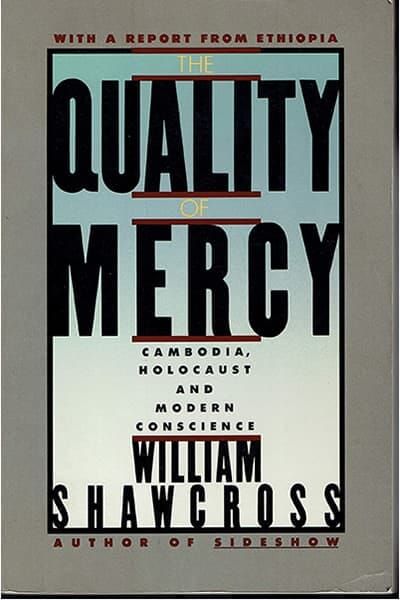
The Quality of Mercy Book Summary
No summary available

Chattanooga--a Death Grip on the Confederacy Book Summary
In 'Chattanooga--a Death Grip on the Confederacy,' historian James L. McDonough delves into the crucial Battle of Chattanooga, unraveling its pivotal role in the Civil War. With vivid narratives, he illustrates the fierce confrontations between Union and Confederate forces vying for control of this strategic city. Each page reveals the human cost of war, highlighting unsung heroes and brutal realities. McDonough's meticulous research uncovers not only military tactics but also the psychological warfare that defined this critical juncture. Discover how Chattanooga became a harbinger of change, with implications that would echo across the nation.
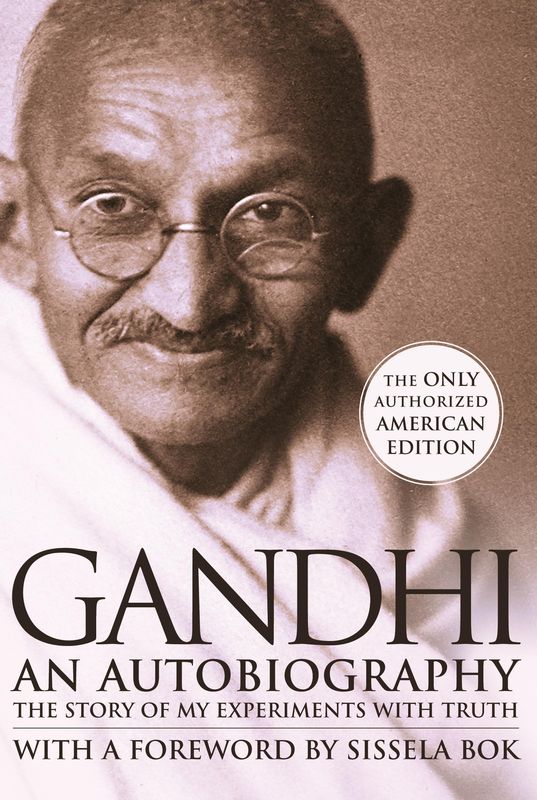
An Autobiography Book Summary
In 'An Autobiography', Mohandas K. Gandhi shares the remarkable journey of his life, revealing the evolution of his philosophy of non-violence and truth. From his early years in India to his transformative experiences in South Africa, Gandhi exposes the struggles that shaped his commitment to social justice. His candid reflections on faith, morality, and personal growth challenge conventional beliefs and inspire readers to question their own values. This gripping narrative not only details his political activism but also provides an intimate look at his family life and spiritual pursuits. Discover the profound insights that guided one of history's most influential leaders in his quest for freedom and equality.
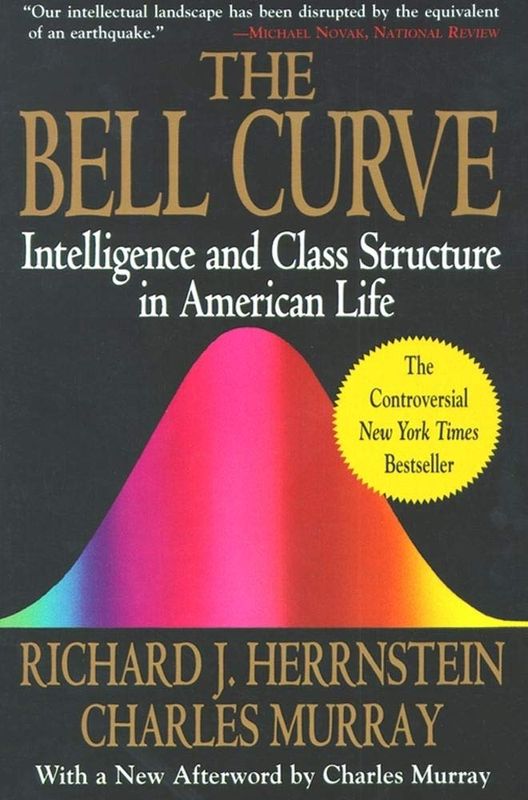
Bell Curve Book Summary
In 'Bell Curve,' psychologists Richard J. Herrnstein and Charles Murray provocatively explore the relationship between intelligence, social outcomes, and socioeconomic status. They argue that intelligence is a strong predictor of life success and the distribution of IQ in society mirrors a bell curve. The book raises controversial discussions about race, genetics, and educational policy, suggesting that cognitive ability can influence societal structure. While challenging the reader with its bold claims, it prompts us to question the implications of intelligence testing in today's world. Will it reshape our understanding of meritocracy, or reinforce harmful stereotypes?

Race Matters, 25th Anniversary Book Summary
In 'Race Matters, 25th Anniversary,' Cornel West boldly confronts the complexities of race and racism in America through a compelling lens of philosophy, culture, and politics. He critiques the failures of societal institutions to address racial injustice while emphasizing the need for a moral and ethical awakening. West's poignant essays resonate with urgent relevance, sparking a critical dialogue on the intersection of race, class, and power. His fiery prose and compelling argumentation challenge readers to grapple with uncomfortable truths about identity and inequality. This anniversary edition invigorates the discussion with new insights, making it a vital read for anyone looking to understand the enduring impact of race on American life.
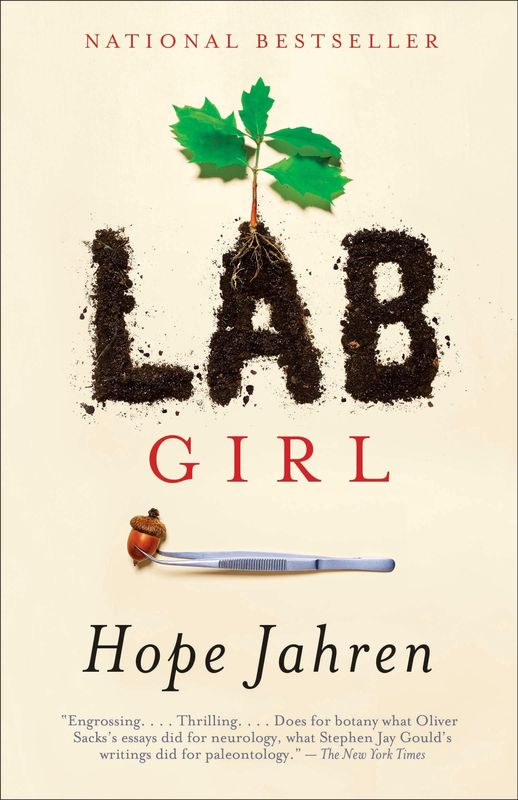
Lab Girl Book Summary
In 'Lab Girl,' Hope Jahren takes readers on a captivating journey through the world of scientific discovery and the beauty of nature. With vivid storytelling, she intertwines her personal narrative of perseverance and the challenges faced as a female scientist. Jahren's passion for plants and soil comes alive, revealing the intricate connections between all living things. This memoir is not just about science but also about friendship, resilience, and the pursuit of knowledge. Prepare to be inspired by her unique perspective on life, growth, and what it truly means to be a scientist.
Showing 8 of 29 similar books
Take your reading experience to the next level
Download our mobile app to enjoy your favorite books on the go. Get access to exclusive features, offline listening, and personalized recommendations.

Similar Book Recommendations →

Alexandria Ocasio-Cortez's Book Recommendations
Alexandria Ocasio-Cortez, also known as AOC, is a U.S. Congresswoman representing New York's 14th district. She gained national attention after winning her seat in 2018 at the age of 29, making her one of the youngest women ever elected to Congress. Ocasio-Cortez is known for her progressive policies, advocating for issues such as Medicare for All, climate change action, and economic justice. She has become a prominent figure within the Democratic Party and uses social media to engage with constituents and the public. Her rise from grassroots activism to Congress has inspired many young people to get involved in politics.

Vitalik Buterin's Book Recommendations
Vitalik Buterin is a Canadian-Russian programmer and writer, best known as the co-founder of Ethereum, a revolutionary blockchain platform that enables smart contracts and decentralized applications. Born in 1994, Buterin displayed exceptional talent in mathematics and computer science from a young age. He co-authored the white paper for Ethereum in 2013, which has since become a cornerstone of the cryptocurrency and blockchain space. In addition to his technical contributions, Buterin is a prolific writer, having penned numerous articles and papers on blockchain technology, cryptography, and decentralization. His work has earned him recognition as one of the most influential figures in the world of cryptocurrency.

Joe Rogan's Book Recommendations
Joe Rogan is a multifaceted American entertainer known primarily for his work as a comedian, podcast host, and commentator. He gained widespread recognition through his immensely popular podcast, "The Joe Rogan Experience," which has featured in-depth conversations with a diverse array of guests, including scientists, celebrities, and politicians. Though not primarily known for literature, Rogan has contributed to the field with his thought-provoking discussions that often explore philosophical and intellectual ideas. Additionally, he has authored the book "Mastering the Rubber Guard," which delves into Brazilian Jiu-Jitsu techniques, showcasing his expertise in martial arts. Rogan's influence extends beyond traditional media, impacting contemporary discourse through his unique blend of humor, curiosity, and critical thinking.

Barack Obama's Book Recommendations
Barack Obama is the 44th President of the United States, serving from 2009 to 2017. As the first African American president, Obama’s leadership marked a historic moment in American history. His administration focused on healthcare reform, economic recovery from the Great Recession, and environmental policies. He is best known for the Affordable Care Act, as well as his efforts to expand civil rights and restore diplomatic relations with Cuba. Since leaving office, Obama has continued to engage in public life through his foundation, focusing on leadership development, civic engagement, and global issues.
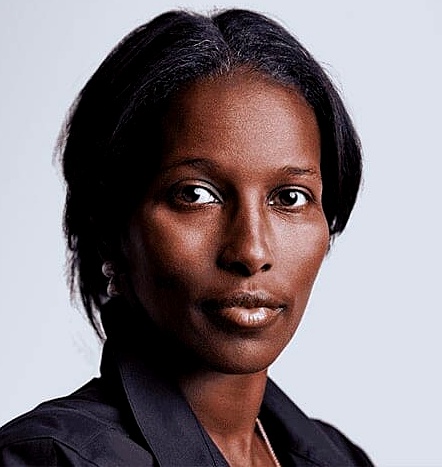
Ayaan Hirsi Ali's Book Recommendations
Ayaan Hirsi Ali is a Somali-born Dutch-American activist, author, and former politician, renowned for her outspoken criticism of Islam and advocacy for women's rights. She gained international recognition with her 2006 memoir, "Infidel," which chronicles her journey from a traditional Muslim upbringing to her eventual renouncement of Islam. As a member of the Dutch parliament from 2003 to 2006, she worked tirelessly on issues related to the integration of immigrants and the emancipation of Muslim women. Hirsi Ali has continued her advocacy through her writing, including notable works such as "Nomad" and "Heretic," which further explore themes of freedom, religion, and human rights. Her courageous and often controversial stance has earned her both widespread acclaim and significant opposition.

Anna Cheng's Book Recommendations
Anna Cheng is a celebrated contemporary novelist known for her evocative prose and richly drawn characters. Her debut novel, "Whispers of the Ancients," garnered critical acclaim, securing a spot on the New York Times Bestseller list and earning her the Man Booker Prize. Cheng's subsequent works consistently explore themes of heritage, identity, and the immigrant experience, resonating with a global audience. She is also a recipient of the PEN/Faulkner Award, recognizing her contributions to American fiction. Beyond her literary pursuits, Cheng actively mentors emerging writers and participates in numerous literary festivals worldwide.
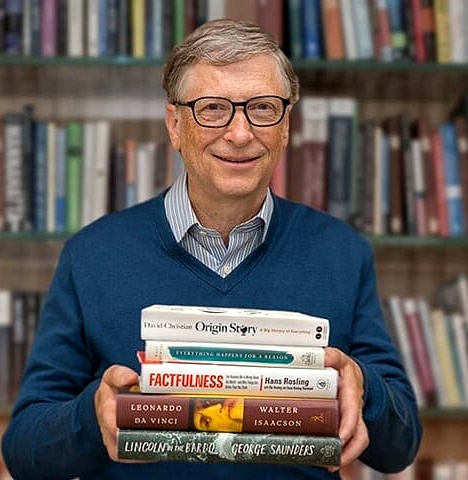
Bill Gates's Book Recommendations
Bill Gates, co-founder of Microsoft Corporation, is a pioneering figure in the tech industry, having played a key role in the personal computer revolution. His work at Microsoft, particularly the development of Windows, transformed software and computing globally. Beyond his technology contributions, Gates is also a prolific author, with notable works such as "The Road Ahead" and "Business @ the Speed of Thought," which offer insights into the future of technology and business. Additionally, his philanthropic efforts through the Bill & Melinda Gates Foundation have had a profound impact on global health, education, and poverty. Gates continues to influence both technology and literature with his forward-thinking perspectives and innovative ideas.
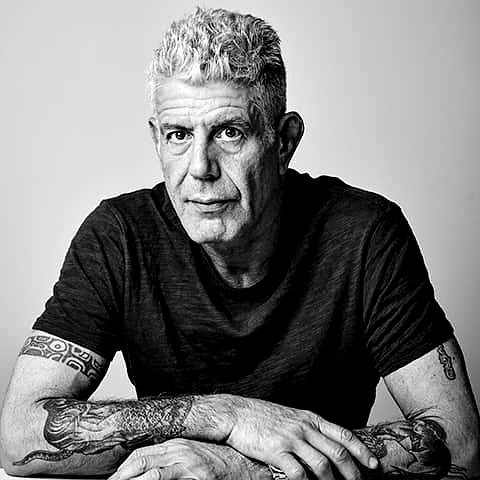
Anthony Bourdain's Book Recommendations
Anthony Bourdain was an acclaimed chef, author, and television personality known for his deep exploration of global cuisine and culture. He gained widespread recognition with his 2000 bestseller "Kitchen Confidential: Adventures in the Culinary Underbelly," which offered an unvarnished look behind the scenes of the restaurant industry. Bourdain's literary talents extended to several other books, including "A Cook's Tour" and "Medium Raw," further cementing his status as a compelling storyteller. His groundbreaking TV shows such as "No Reservations" and "Parts Unknown" took viewers on culinary adventures around the world, earning him numerous awards, including multiple Emmy Awards. Bourdain's legacy endures as a pioneer who celebrated the richness of diverse cultures through food.
Showing 8 of 13 related collections
“"Justice cannot be brought about by the coercion of those who are less fortunate; true justice requires a recognition of individual responsibility and the inherent complexities of human nature."”
The Quest for Cosmic Justice
By Thomas Sowell
Frequently Asked Questions
Explore Our Catalogue
Discover a world of knowledge through our extensive collection of book summaries.
Genres
Genres
Genres
Featured Collections
- Top Book Club Picks
- One-Stop Nutrition
- Summer Reads 2024
- Best Beach Reads 2024
- Work-Life Balance Guide
- Time Management
- Healthy Foods
- Entrepreneur Toolkit
- Mind & Body Wellness
- Future Tech Insights
- Leadership Essentials
- Financial Freedom
- Sci-Fi Masterpieces
- Parenting 101
- Books That Became Blockbusters
- Guide to a Healthy Pregnancy