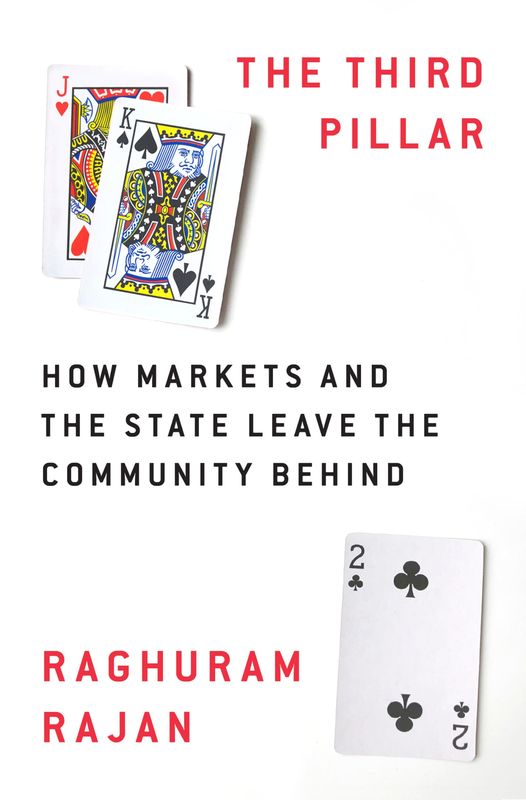
The Third Pillar Book Summary
In 'The Third Pillar', Raghuram Rajan explores the interplay between the economy, society, and politics, presenting a compelling argument for a balanced approach to governance. He introduces the concept of the 'third pillar'—the social fabric that binds communities together, often overlooked in the quest for economic growth. Through thought-provoking analysis, Rajan unveils the consequences of neglecting societal well-being and the risks of economic inequality. His insights challenge readers to rethink the relationship among markets, communities, and the state. This book is a crucial read for anyone interested in the sustainability of democracy and the future of global economies.
By Raghuram Rajan
Published: 2019
""The strength of our communities is as vital as the growth of our economies; both must thrive for a balanced society.""

Start Listening to Book Summary
Book Review of The Third Pillar
The author posits that successful democracies require balance between competitive markets, honest governments and local communities. Currently, as markets scale up, states scale up too; Rajan offers an alternative: strengthening local communities.
Book Overview of The Third Pillar
About the Book Author
Raghuram Rajan
Raghuram Rajan is an acclaimed economist, author, and former Governor of the Reserve Bank of India. He is known for his insightful analysis of global financial systems and economic policy. Rajan gained prominence with notable works such as 'Fault Lines: How Hidden Fractures Still Threaten the World Economy' and 'The Third Pillar: How Markets and the State Leave the Community Behind.' His writing style combines rigorous economic theory with accessible language, making complex concepts understandable to a broad audience. Through his work, Rajan challenges conventional economic wisdom and advocates for a more inclusive approach to economic development.
Book Details
Key information about the book.
- Authors
- Raghuram Rajan
- Published
- January 2019
- Publisher
- N/A
- ISBN
- 0525558314
- Language
- English
- Pages
- 466
- Genres
- Social Justice MovementsPolitical PhilosophyBusiness and EconomicsEconomic PolicyPolitics and Current Affairs
Purchase Options
 Buy on Amazon
 Buy via BookShop
Support local bookstores: BookShop gives a portion of each sale to independent bookshops!
Similar books you might like →
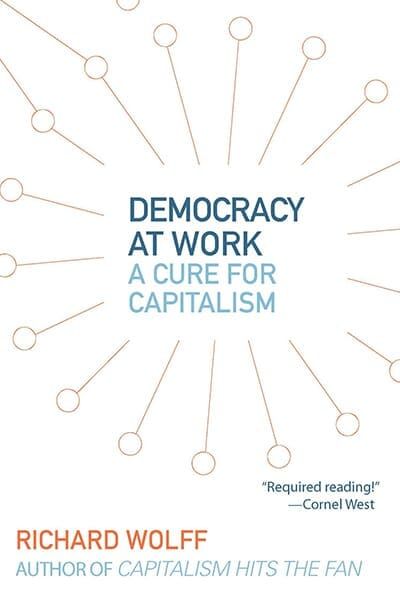
Democracy at Work Book Summary
In 'Democracy at Work', Richard D. Wolff challenges the conventional notions of democracy and the workplace, advocating for a radical transformation where workers have a say in their enterprises. Through compelling arguments and real-world examples, he explores the failures of capitalism and presents a vision for a more just and equitable economic system. Wolff introduces the idea of worker cooperatives as a feasible alternative, illustrating how they can empower employees and foster true democratic practices. This thought-provoking book urges readers to reconsider their understanding of democracy beyond the confines of politics and into the very fabric of their daily work lives. Are we ready to rethink who really holds the power in the workplace?

War with Iraq Book Summary
'War with Iraq' explores the intricate web of geopolitical tensions that led to one of the most controversial conflicts of the 21st century. Delving into the motivations behind the war, it reveals the clash of ideologies, policies, and national interests. The book combines personal accounts, military strategies, and political analysis, offering a multifaceted view of the consequences of the invasion. Readers are taken behind the scenes, uncovering the complexities of international diplomacy and the human cost of war. This compelling narrative leaves one questioning the true price of freedom and peace in a fractured world.

The Politics of Heroin Book Summary
No summary available
Essential Relativity Book Summary
No summary available
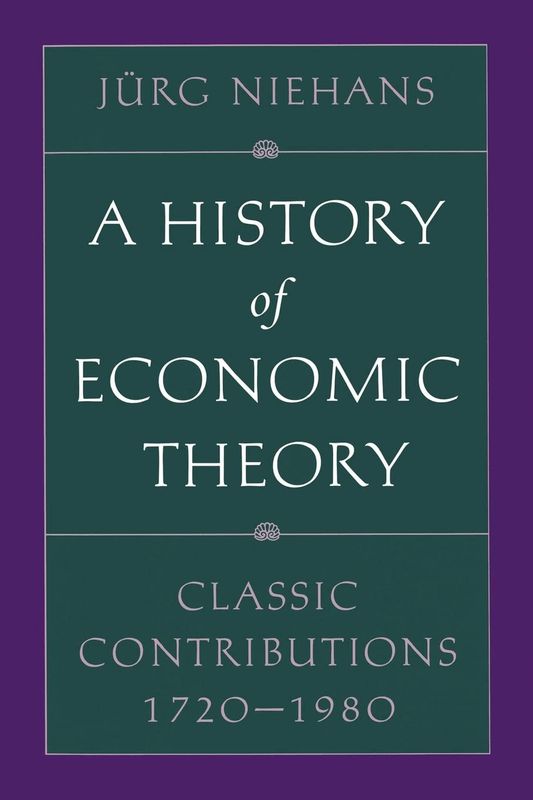
A History of Economic Theory Book Summary
In 'A History of Economic Theory', Jürg Niehans takes readers on a captivating journey through the evolution of economic thought. From ancient philosophies to contemporary paradigms, the book unravels how ideas have shaped economic practices across cultures and eras. With each chapter, Niehans reveals the intellectual battles and breakthroughs that have defined the discipline. Rich in historical context, this work challenges readers to consider the relevance of past theories in today's economy. Dive into this scholarly adventure and discover how the past continually influences our understanding of wealth and value.
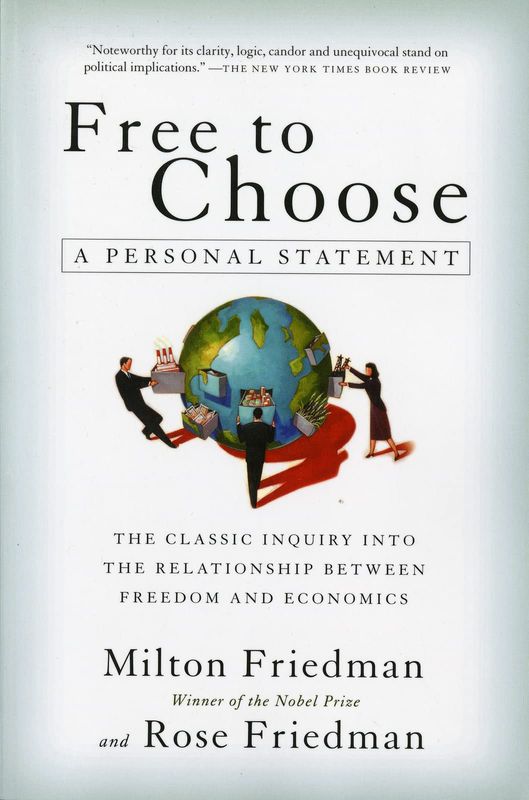
Free to Choose Book Summary
In 'Free to Choose', Milton and Rose Friedman challenge the conventional wisdom about government and economy, advocating for individual freedom over state control. They argue that personal choice is a fundamental right and is essential for a prosperous society. Through compelling anecdotes and rigorous analysis, they illustrate how free markets lead to innovation and growth. By debunking myths surrounding government intervention, they inspire readers to consider the implications of their beliefs on liberty and responsibility. This thought-provoking work not only critiques policies but also empowers individuals to seek and embrace their freedom.
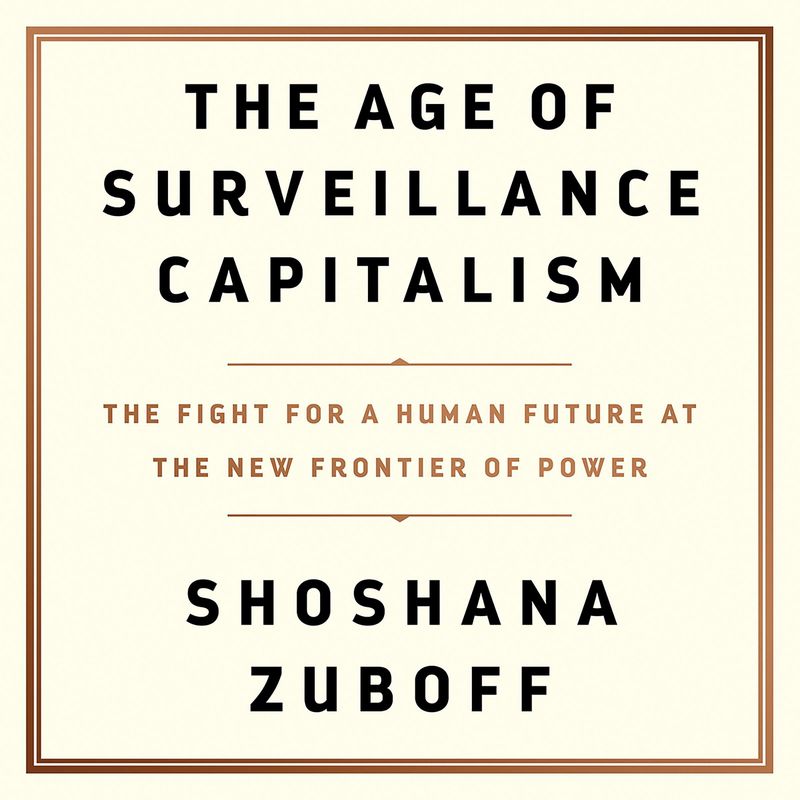
The Age of Surveillance Capitalism Book Summary
In 'The Age of Surveillance Capitalism', Shoshana Zuboff unveils the hidden mechanisms behind the digital economy that manipulate personal data for profit. This gripping exploration reveals how tech giants harvest our behaviors and emotions, reshaping our societies and economies. Zuboff warns of a future where privacy is obliterated, and our very autonomy is at stake. With compelling evidence and insightful analysis, she urges us to reclaim control over our lives and destinies. Are we prepared to confront the consequences of this digital revolution?
Showing 8 of 30 similar books
Take your reading experience to the next level
Download our mobile app to enjoy your favorite books on the go. Get access to exclusive features, offline listening, and personalized recommendations.

Similar Book Recommendations →

Ray Dalio's Book Recommendations
Ray Dalio is the founder of Bridgewater Associates, one of the largest and most successful hedge funds in the world. He is also the author of the bestselling book Principles, where he outlines his philosophy on life, leadership, and investing. Ray is renowned for his unique approach to transparency, radical truth, and thoughtful disagreement within organizations. His insights into economics and investing have made him one of the most influential figures in the financial world. Dalio continues to be a thought leader in business, economics, and philanthropy.

Barack Obama's Book Recommendations
Barack Obama is the 44th President of the United States, serving from 2009 to 2017. As the first African American president, Obama’s leadership marked a historic moment in American history. His administration focused on healthcare reform, economic recovery from the Great Recession, and environmental policies. He is best known for the Affordable Care Act, as well as his efforts to expand civil rights and restore diplomatic relations with Cuba. Since leaving office, Obama has continued to engage in public life through his foundation, focusing on leadership development, civic engagement, and global issues.

Bridget Phetasy's Book Recommendations
Bridget Phetasy is a multi-talented writer, comedian, and podcaster known for her sharp wit and insightful commentary on contemporary culture and politics. She gained prominence through her work with Playboy, where her essays and columns attracted a wide readership. Bridget is the host of the popular podcast "Walk-Ins Welcome," where she engages in deep, humorous conversations with a variety of guests. Her candid and often provocative takes on societal issues have garnered her a loyal following on social media. Additionally, she created the satirical YouTube series "Dumpster Fire," where she humorously dissects current events.

Jackie Vullinghs's Book Recommendations
Jackie Vullinghs is a venture capitalist and partner at AirTree Ventures, one of Australia’s leading venture firms, where she focuses on early-stage technology investments. Vullinghs has a background in finance and product management, and she is passionate about helping startups grow and scale. She invests in a wide range of sectors, including fintech, SaaS, and consumer technology. Vullinghs is also a vocal advocate for diversity in tech and venture capital, often speaking about the importance of supporting underrepresented founders. Her work in venture capital has positioned her as a key figure in the Australian startup ecosystem.
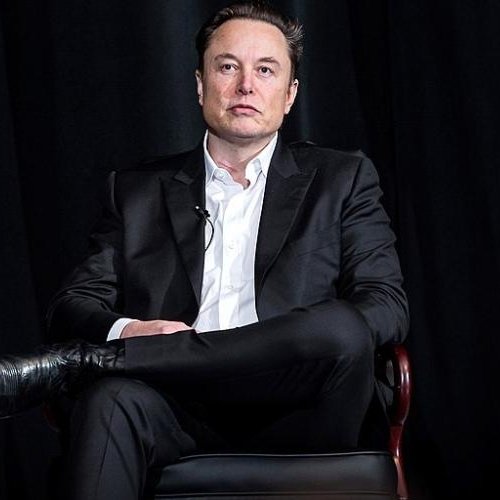
Elon Musk's Book Recommendations
Elon Musk is an influential entrepreneur and innovator known for founding and leading several groundbreaking companies, including Tesla, SpaceX, Neuralink, and The Boring Company. He has played a pivotal role in advancing electric vehicles, space exploration, and renewable energy. Musk's vision extends to colonizing Mars and reducing the risk of human extinction through space travel. In addition to his technological contributions, he has co-authored the book "Spacex: Making Commercial Spaceflight a Reality," providing insights into his ambitious projects and vision for the future. Musk's relentless pursuit of innovation continues to shape the trajectory of multiple industries.
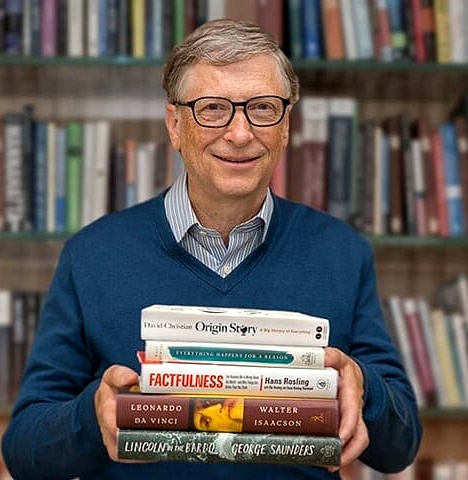
Bill Gates's Book Recommendations
Bill Gates, co-founder of Microsoft Corporation, is a pioneering figure in the tech industry, having played a key role in the personal computer revolution. His work at Microsoft, particularly the development of Windows, transformed software and computing globally. Beyond his technology contributions, Gates is also a prolific author, with notable works such as "The Road Ahead" and "Business @ the Speed of Thought," which offer insights into the future of technology and business. Additionally, his philanthropic efforts through the Bill & Melinda Gates Foundation have had a profound impact on global health, education, and poverty. Gates continues to influence both technology and literature with his forward-thinking perspectives and innovative ideas.

Noam Chomsky's Book Recommendations
Noam Chomsky, born December 7, 1928, is an influential American linguist, philosopher, cognitive scientist, historian, and social critic. He revolutionized the field of linguistics with his theory of generative grammar, particularly through his seminal work, "Syntactic Structures" (1957). Chomsky's contributions extend beyond linguistics to political activism, where he is known for his critiques of U.S. foreign policy and media, encapsulated in works like "Manufacturing Consent" (1988). As a professor emeritus at MIT, his interdisciplinary approach has significantly impacted cognitive science, philosophy of language, and political thought. Chomsky remains a prolific author and speaker, continuing to shape academic and public discourses.
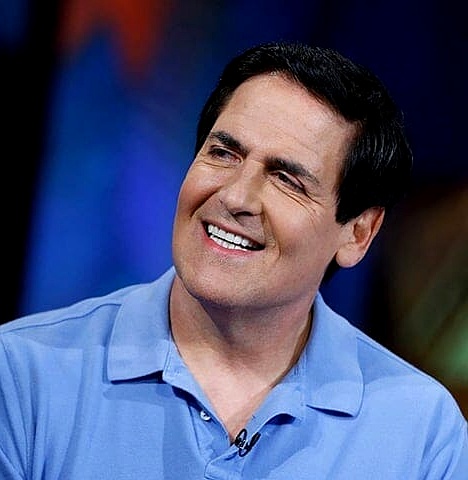
Mark Cuban's Book Recommendations
Mark Cuban is an American entrepreneur, investor, and television personality, best known as the owner of the NBA's Dallas Mavericks and a "shark" on the TV show "Shark Tank." While he is primarily recognized for his business acumen, Cuban is also an author, having written the book "How to Win at the Sport of Business," which provides insights into his journey and strategies for success. His contributions to literature focus on imparting practical business advice and sharing his experiences as a self-made billionaire. Cuban's writing is praised for its straightforward, no-nonsense approach, making complex business concepts accessible to a broad audience. Through his book and numerous articles, he continues to inspire aspiring entrepreneurs worldwide.
Showing 8 of 14 related collections
“"The strength of our communities is as vital as the growth of our economies; both must thrive for a balanced society."”
The Third Pillar
By Raghuram Rajan
Frequently Asked Questions
Explore Our Catalogue
Discover a world of knowledge through our extensive collection of book summaries.
Genres
Genres
Genres
Featured Collections
- Top Book Club Picks
- One-Stop Nutrition
- Summer Reads 2024
- Best Beach Reads 2024
- Work-Life Balance Guide
- Time Management
- Healthy Foods
- Entrepreneur Toolkit
- Mind & Body Wellness
- Future Tech Insights
- Leadership Essentials
- Financial Freedom
- Sci-Fi Masterpieces
- Parenting 101
- Books That Became Blockbusters
- Guide to a Healthy Pregnancy