The Trial Book Summary
In 'The Trial', protagonist Josef K. is inexplicably arrested and prosecuted by an inaccessible authority without ever being informed of the charges against him. As he navigates a nightmarish labyrinth of bureaucracy, he encounters bizarre characters and unsettling truths about guilt and fate. Kafka masterfully illustrates the absurdity of modern existence and the fragility of individual agency. This surreal journey raises haunting questions about justice, power, and self-identity. Will Josef K. uncover the truth before it consumes him, or is he doomed to a silent verdict?
By Franz Kafka
Published: NaN
"It’s only because of their stupidity that they’re able to be so sure of themselves."


Start Listening to Book Summary
Book Review of The Trial
The story of The Trial's publication is almost as fascinating as the novel itself. Kafka intended his parable of alienation in a mysterious bureaucracy to be burned, along with the rest of his diaries and manuscripts, after his death in 1924. Yet his friend Max Brod pressed forward to prepare The Trial and the rest of his papers for publication.
Book Overview of The Trial
About the Book Author
Franz Kafka
Franz Kafka (1883-1924) was a German-speaking Bohemian writer renowned for his profound and surreal storytelling. His notable works include "The Metamorphosis," "The Trial," and "The Castle," which explore themes of alienation, existential anxiety, and bureaucratic absurdity. Kafka's writing style is characterized by its dreamlike quality, intricate symbolism, and a deep sense of unease, making him a pivotal figure in 20th-century literature and a precursor to existentialism.
Book Details
Key information about the book.
- Authors
- Franz Kafka
- Published
- N/A
- Publisher
- N/A
- ISBN
- 1612931030
- Language
- English
- Pages
- 158
- Genres
- Literary CriticismExperimental FictionModern LiteratureLiterature
Purchase Options
 Buy on Amazon
 Buy via BookShop
Support local bookstores: BookShop gives a portion of each sale to independent bookshops!
Similar books you might like →
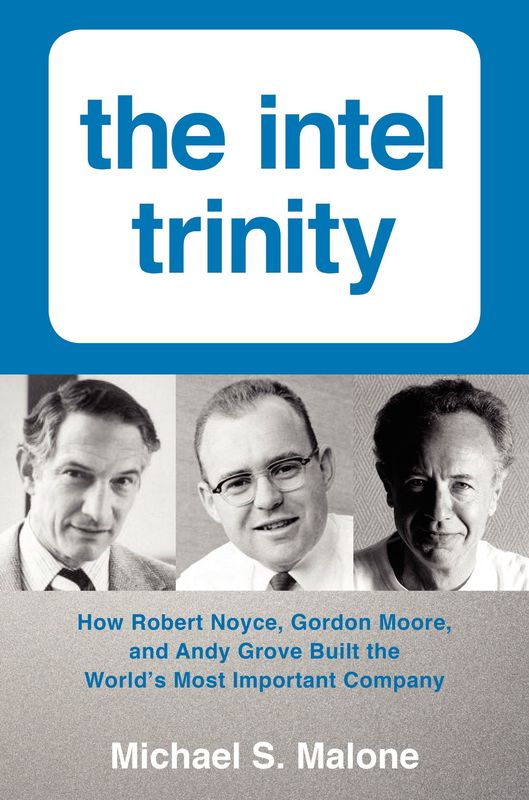
The Intel Trinity Book Summary
'The Intel Trinity' by Michael S. Malone unveils the captivating story of the three visionaries behind Intel's rise to technology dominance: Robert Noyce, Gordon Moore, and Andy Grove. Through a blend of personal anecdotes and business strategy, the book captures the relentless pursuit of innovation that transformed computing. Readers will discover how their intertwined lives forged not just a company, but an entire industry. As the narrative unfolds, it reveals the triumphs and tribulations that shaped Silicon Valley itself. This is a tale of genius, rivalry, and the relentless drive to change the world—one microchip at a time.
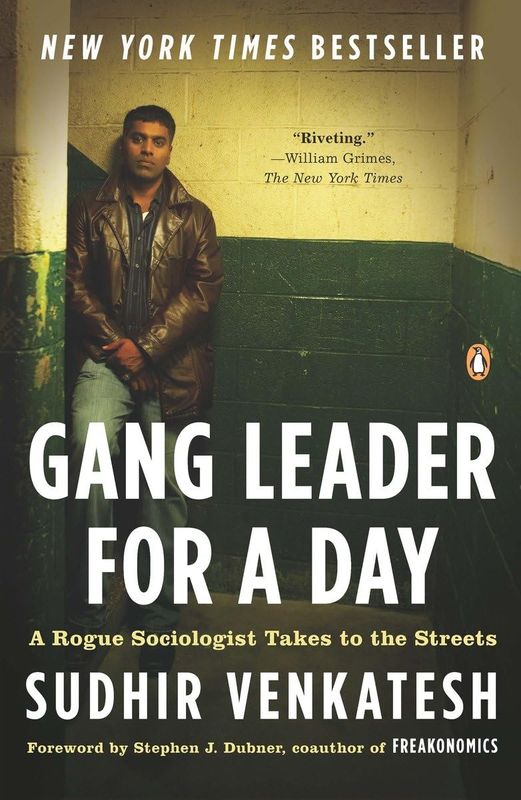
Gang Leader for a Day Book Summary
In 'Gang Leader for a Day,' sociologist Sudhir Venkatesh takes readers on a riveting journey through the streets of Chicago, where he plunges into the world of gang life. Captivated by the complexities of urban poverty, he forms an unlikely partnership with the notorious Black Kings gang leader. Through gripping anecdotes, Venkatesh reveals the intricate social dynamics and struggles that shape the community's reality. As he navigates this underworld, the boundaries between researcher and subject blur, challenging societal norms and perceptions. This eye-opening narrative invites readers to rethink what they know about gang culture and the human spirit.
What We See When We Read Book Summary
In 'What We See When We Read', Peter Mendelsund invites readers to explore the intricate dance between text and imagination. This thought-provoking examination delves into how words conjure vivid images in our minds, shaping our perception of literature. Through an array of visual interpretations, Mendelsund challenges us to consider the deeply personal nature of reading. Each chapter teases apart the connection between language and imagery, suggesting that every reader's experience is uniquely their own. Prepare to see familiar stories in an entirely new light and discover the profound impact of reading on our inner worlds.
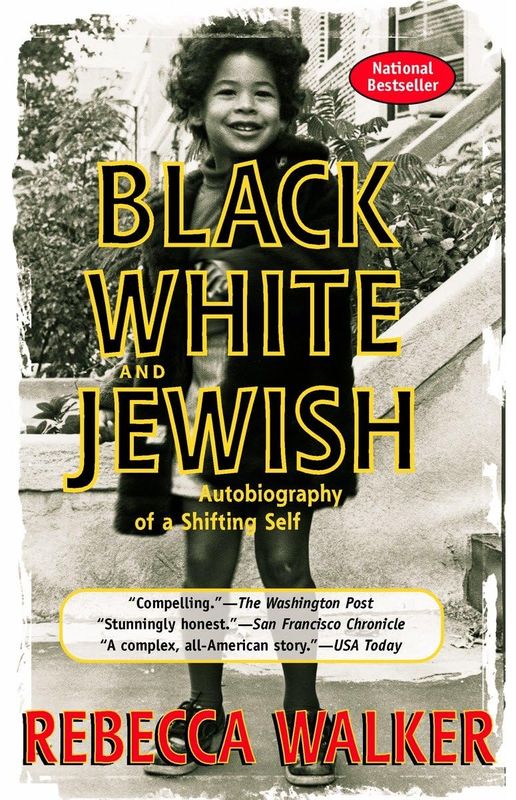
Black White and Jewish Book Summary
In 'Black White and Jewish,' Rebecca Walker explores her complex identity as the daughter of a black mother and a Jewish father. This memoir takes readers on a poignant journey through race, culture, and self-discovery, revealing the struggles and triumphs of growing up in a multicultural environment. Walker's powerful narrative examines the intersections of identity, challenging societal norms and preconceptions. With vivid anecdotes and heartfelt reflections, she invites us to question the labels we assign to ourselves and others. This compelling story resonates with anyone grappling with the multifaceted nature of belonging and identity.
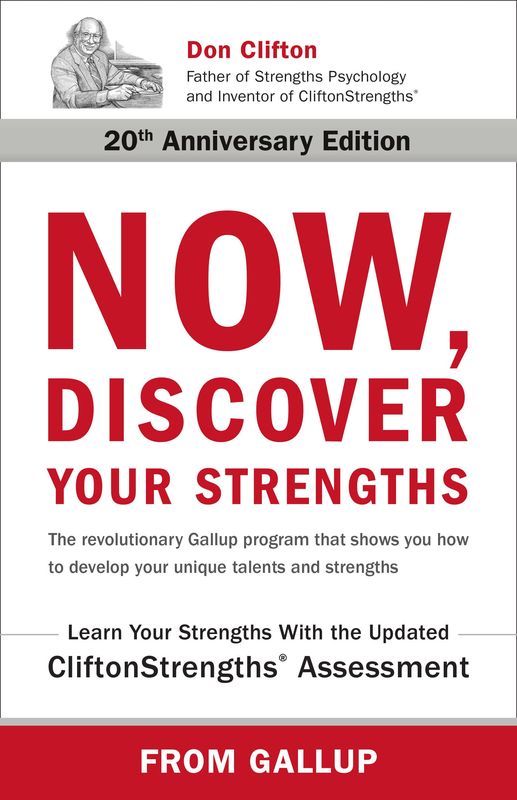
Now, Discover Your Strengths Book Summary
In 'Now, Discover Your Strengths', Marcus Buckingham and Donald O. Clifton challenge the traditional focus on fixing weaknesses. They introduce the groundbreaking Gallup StrengthsFinder assessment, designed to help individuals uncover and embrace their unique strengths. By shifting the paradigm towards leveraging innate talents, the authors provide a roadmap to personal and professional success. With compelling real-life examples, this book inspires readers to pursue excellence by mastering their strengths. Discover how to unlock your potential and transform your approach to achievement!
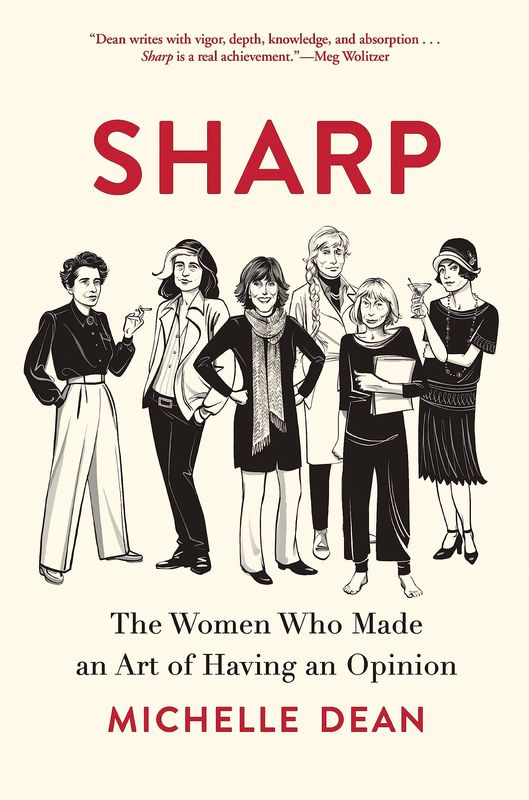
Sharp Book Summary
In 'Sharp', Michelle Dean offers a riveting exploration of feminist thought through the lives of six pivotal women writers. The book investigates how their sharp intellects and bold voices shaped literature and challenged societal norms. Dean carefully weaves personal anecdotes with cultural critique, revealing the complexities of their relationships and rivalries. As readers delve into the highs and lows of these literary figures, they are invited to reflect on the evolution of feminism itself. 'Sharp' is not just a biography; it's an examination of the power of words and the women who wielded them.

The Tale of Despereaux Book Summary
In 'The Tale of Despereaux,' a brave little mouse named Despereaux embarks on an extraordinary adventure. He defies the boundaries of his kind by falling in love with a beautiful princess, leading him into a world filled with darkness and danger. Along the way, he encounters a variety of unforgettable characters, including a villainous rat and a serving girl with dreams of her own. This enchanting tale weaves themes of bravery, love, and forgiveness, challenging the notion of what it means to be a hero. Will Despereaux’s courage be enough to bring light to the shadows that threaten his world?
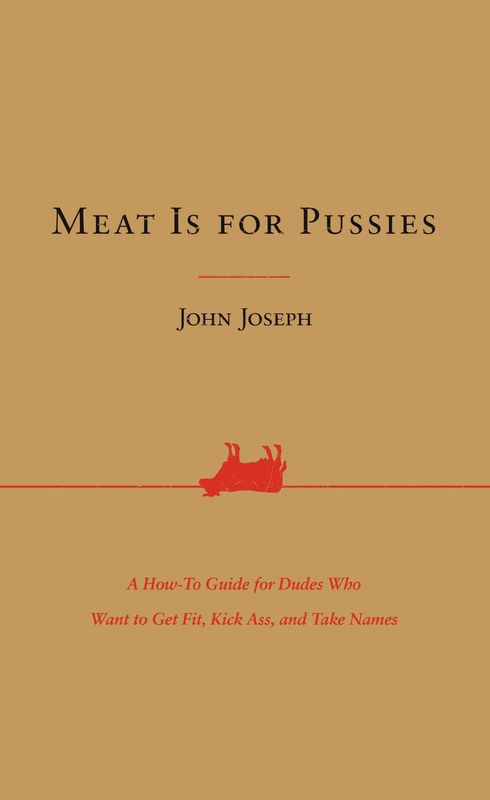
Meat Is for Pussies Book Summary
In 'Meat Is for Pussies,' John Joseph challenges conventional dietary norms, advocating for a plant-based lifestyle with unabashed humor and bold honesty. He shares his personal journey from a troubled youth to becoming a vegan advocate, revealing the profound effects of diet on health and morality. The book intertwines gritty anecdotes with nutritional insights, igniting a passionate debate about animal rights and our food choices. With a title that grabs attention, Joseph's manifesto goes beyond mere dietary recommendations—it’s a call to action for self-reflection and empowerment. Are you ready to confront your plate and embrace a transformative way of life?
Showing 8 of 25 similar books
Take your reading experience to the next level
Download our mobile app to enjoy your favorite books on the go. Get access to exclusive features, offline listening, and personalized recommendations.

Similar Book Recommendations →

Haruki Murakami's Book Recommendations
Haruki Murakami is an internationally acclaimed Japanese author known for his surreal, magical realist style, blending elements of reality with the fantastical in his novels. His works, such as "Norwegian Wood," "Kafka on the Shore," and "1Q84," have captivated readers with their dreamlike narratives, introspective characters, and deep exploration of existential themes. Murakami's unique voice often explores loneliness, isolation, and the complexities of human nature. His use of metaphors and symbolism has earned him a dedicated global following, and his books have been translated into dozens of languages. A reclusive figure, Murakami avoids public appearances and prefers to let his work speak for itself, although he occasionally writes essays and non-fiction on topics such as running, jazz, and literature. Murakami has been a strong contender for the Nobel Prize in Literature for years, and his influence on contemporary fiction is undeniable. Beyond his writing, Murakami is also an avid marathon runner and music enthusiast, elements that often appear in his narratives.

Jon Hamm's Book Recommendations
Jon Hamm is an American actor best known for his role as Don Draper in the critically acclaimed television series "Mad Men," which aired from 2007 to 2015. While Hamm's achievements are primarily in acting, his portrayal of the complex, enigmatic ad executive has been lauded for its depth and nuance, significantly impacting television storytelling. His performance earned him numerous awards, including a Golden Globe and an Emmy. Beyond "Mad Men," Hamm has appeared in various films and TV shows, showcasing his versatility across genres. Though not primarily a literary figure, his work has influenced contemporary narratives and character development in modern media.
Naval Ravikant's Book Recommendations
Naval Ravikant is an entrepreneur, angel investor, and philosopher, best known as the co-founder of AngelList, a platform that connects startups with investors. Ravikant is a prolific thinker and writer on topics such as startups, investing, and personal well-being, sharing his wisdom through essays, podcasts, and social media. He has invested in over 100 companies, including Uber, Twitter, and Yammer, making him one of Silicon Valley’s most successful angel investors. Ravikant is also known for his philosophical musings on wealth, happiness, and the meaning of life, which have garnered him a large and dedicated following.

Harry Styles's Book Recommendations
Harry Styles is a British singer, songwriter, and actor, best known as a member of the globally successful boy band One Direction before launching a successful solo career. Styles’ solo work has earned critical acclaim for its blend of rock, pop, and indie influences, with hits like Sign of the Times and Watermelon Sugar. In addition to music, Styles has also made a mark in fashion, known for his gender-fluid style and collaborations with brands like Gucci. He is also an actor, starring in films like Dunkirk and Don't Worry Darling. Styles is recognized for his artistic versatility and cultural impact.

Gaby Goldberg's Book Recommendations
Gaby Goldberg is an investor and Web3 advocate, focusing on the intersection of consumer technology, culture, and decentralized finance (DeFi). She works with TCG (The Chernin Group), where she invests in companies that are shaping the future of digital platforms and social communities. Goldberg is passionate about how blockchain technology can empower creators and foster new forms of ownership and collaboration. She is also a vocal advocate for women in tech and frequently shares insights on the future of the internet and decentralized systems. Her work positions her as a key figure in the growing Web3 and crypto ecosystems.

David Sedaris's Book Recommendations
David Sedaris is an American humorist, author, and radio contributor, known for his witty and satirical essays that explore themes of family, culture, and personal idiosyncrasies. Sedaris rose to fame with his collections Me Talk Pretty One Day and Dress Your Family in Corduroy and Denim, which have earned him a devoted following for his blend of humor and keen observation. His work is often autobiographical, capturing the quirks of everyday life in a humorous light. Sedaris regularly contributes to The New Yorker and NPR’s This American Life, and his live readings are popular events that showcase his comedic timing and unique storytelling style.

Audrey Gelman's Book Recommendations
Audrey Gelman is an American entrepreneur and writer, best known as the co-founder and former CEO of The Wing, a network of co-working spaces and social clubs designed for women. She has been recognized for her innovative approach to creating supportive environments for professional women, significantly impacting feminist discourse and workplace equality. Gelman has also contributed thought-provoking essays to prominent publications such as The New York Times and The New Yorker, where she discusses gender, politics, and culture. Her leadership at The Wing has been celebrated for fostering community and collaboration among women. Additionally, Gelman's influence extends to the political sphere, having previously worked as a press aide on several high-profile campaigns.

Anna Cheng's Book Recommendations
Anna Cheng is a celebrated contemporary novelist known for her evocative prose and richly drawn characters. Her debut novel, "Whispers of the Ancients," garnered critical acclaim, securing a spot on the New York Times Bestseller list and earning her the Man Booker Prize. Cheng's subsequent works consistently explore themes of heritage, identity, and the immigrant experience, resonating with a global audience. She is also a recipient of the PEN/Faulkner Award, recognizing her contributions to American fiction. Beyond her literary pursuits, Cheng actively mentors emerging writers and participates in numerous literary festivals worldwide.
Showing 8 of 13 related collections
“It’s only because of their stupidity that they’re able to be so sure of themselves.”
The Trial
By Franz Kafka
Frequently Asked Questions
Explore Our Catalogue
Discover a world of knowledge through our extensive collection of book summaries.
Genres
Genres
Genres
Featured Collections
- Top Book Club Picks
- One-Stop Nutrition
- Summer Reads 2024
- Best Beach Reads 2024
- Work-Life Balance Guide
- Time Management
- Healthy Foods
- Entrepreneur Toolkit
- Mind & Body Wellness
- Future Tech Insights
- Leadership Essentials
- Financial Freedom
- Sci-Fi Masterpieces
- Parenting 101
- Books That Became Blockbusters
- Guide to a Healthy Pregnancy