Why Liberalism Failed Book Summary
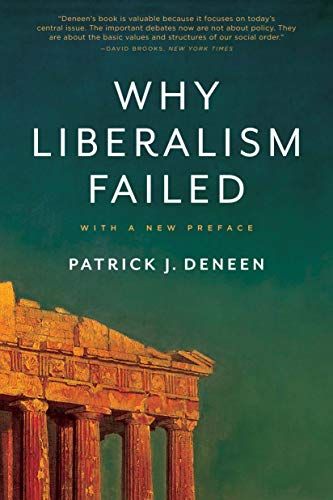
In 'Why Liberalism Failed,' Patrick J. Deneen provocatively argues that the liberal order, far from being a beacon of progress, is fundamentally at odds with the communal values that bind society together. He traces the roots of liberalism's disintegration, revealing how its focus on individualism has led to a crisis of meaning and deeper societal fractures. Deneen challenges readers to reconsider the philosophical foundations of modern governance and the implications for our collective future. With sharp critiques and compelling insights, he prompts a reevaluation of political norms that many take for granted. Can we escape the pitfalls of liberalism and rediscover a more cohesive, meaningful civic life?
By Patrick J. Deneen
Published: 2019
"Liberalism, in its promise of individual freedom, often neglects the deeper, communal bonds that give life meaning and stability."

Start Listening to Book Summary
Book Review of Why Liberalism Failed
"One of the most important political books of 2018."—Rod Dreher, American Conservative Of the three dominant ideologies of the twentieth century—fascism, communism, and liberalism—only the last remains. This has created a peculiar situation in which liberalism’s proponents tend to forget that it is an ideology and not the natural end-state of human political evolution. As Patrick Deneen argues in this provocative book, liberalism is built on a foundation of contradictions: it trumpets equal rights while fostering incomparable material inequality; its legitimacy rests on consent, yet it discourages civic commitments in favor of privatism; and in its pursuit of individual autonomy, it has given rise to the most far-reaching, comprehensive state system in human history. Here, Deneen offers an astringent warning that the centripetal forces now at work on our political culture are not superficial flaws but inherent features of a system whose success is generating its own failure.
Book Overview of Why Liberalism Failed
About the Book Author
Patrick J. Deneen
Patrick J. Deneen is an American political theorist and professor at the University of Notre Dame, where he teaches in the Department of Political Science. He is known for his contributions to the fields of political philosophy and American political thought. Deneen's notable works include 'Democracy in Crisis: How the American Political System Is Failing Us' and 'Why Liberalism Failed,' in which he critiques contemporary liberal democracy and explores the philosophical underpinnings of political theory. His writing style combines rigorous scholarship with accessible prose, making complex ideas understandable for a broader audience.
Book Details
Key information about the book.
- Authors
- Patrick J. Deneen
- Published
- February 2019
- Publisher
- Yale University Press
- ISBN
- 0300240023
- Language
- English
- Pages
- 263
- Genres
- Political PhilosophyPolitics and Current Affairs
Purchase Options
 Buy on Amazon
 Buy via BookShop
Support local bookstores: BookShop gives a portion of each sale to independent bookshops!
Similar books you might like →


Exporting Democracy Book Summary
No summary available
No Gods, No Masters Book Summary
In 'No Gods, No Masters', Daniel Guérin presents a compelling exploration of anarchism, tracing its philosophical roots and revolutionary practices. He argues against imposed authority, advocating for a society based on mutual aid and voluntary cooperation. The book chronicles historical movements and figures that shaped anarchist thought, igniting curiosity about the untold stories of resistance. With a mesmerising narrative, Guérin challenges readers to rethink concepts of power and freedom. This thought-provoking work not only inspires but also raises questions about the future of social justice.
Troublemakers Book Summary
In 'Troublemakers', Leslie Berlin delves into the untold stories of Silicon Valley's pioneers, revealing how their audacity and vision sparked a technological revolution. Each chapter showcases the unique challenges and triumphs faced by these innovators, painting a vivid picture of the relentless spirit that drives progress. From the highs of groundbreaking success to the lows of devastating failures, Berlin captures the human element behind the tech giants. With a blend of personal anecdotes and historical insights, this book invites readers to reflect on the cost of innovation. Are you ready to uncover the secrets of the troublemakers who reshaped our world?

The Master and Margarita Book Summary
In 'The Master and Margarita', a mysterious man known as Woland arrives in 1930s Moscow, revealing the absurdity and chaos of Soviet life through darkly humorous encounters. Parallel to this, the narrative unfolds the poignant love story of the Master, a writer imprisoned by censorship, and Margarita, who makes a pact with Woland to save him. As the Devil's entourage wreaks havoc in the city, philosophical questions about good, evil, and the nature of art arise. The tale intertwines with a retelling of the trial of Jesus in Jerusalem, adding layers of moral complexity. This surreal masterpiece challenges readers to ponder the true cost of passion and the struggle for truth in a repressive society.
Smartcuts Book Summary
In 'Smartcuts', Shane Snow explores the unconventional paths that lead to success, revealing how leveraging creativity and strategic shortcuts can accelerate progress. Through captivating stories of innovators and game-changers, he challenges the traditional notions of hard work and time investment. Snow offers practical insights on how to think differently and break free from the status quo to achieve extraordinary results. With a mix of science, psychology, and real-world examples, this book ignites the imagination and encourages readers to rethink their own approaches to success. Are you ready to unlock the secrets of rapid achievement?
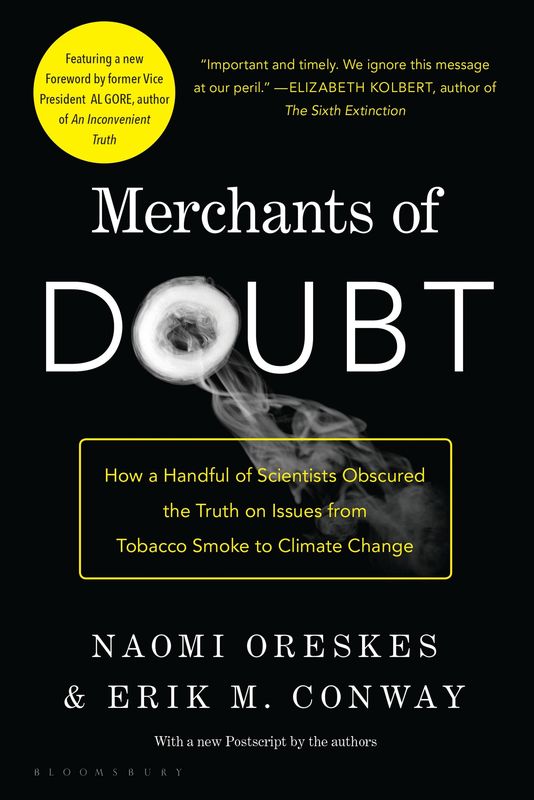
Merchants of Doubt Book Summary
In 'Merchants of Doubt', Naomi Oreskes and Erik M. Conway unravel a web of deception spun by influential scientists who distorted the truth about various scientific issues, from tobacco smoke to climate change. This compelling narrative reveals how these figures leveraged their credibility to cast doubt on overwhelming evidence, hindering public understanding and policy action. The authors delve into the psychological and historical factors that enabled this manipulation of science for personal and political gain. With meticulous research and captivating storytelling, they confront the consequences of skepticism misused. Uncover the hidden battle between truth and doubt in a world where information is often weaponized.
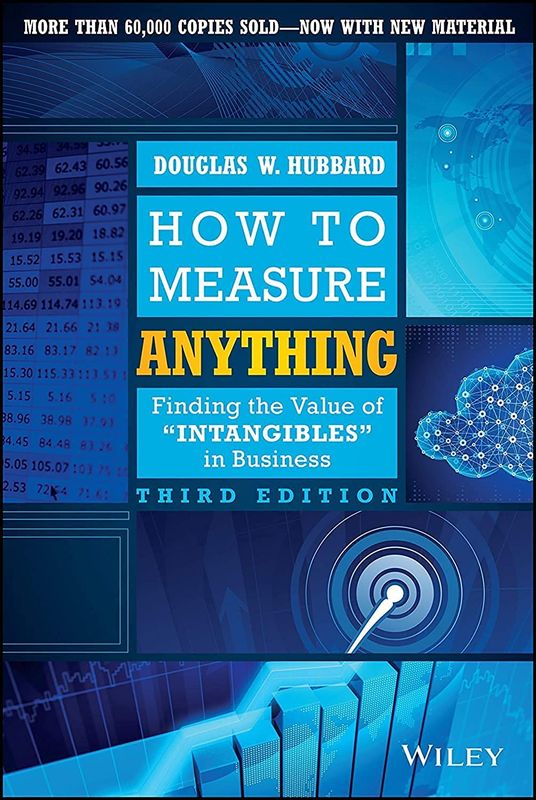
How to Measure Anything Book Summary
In 'How to Measure Anything', Douglas W. Hubbard challenges the conventional wisdom that certain things are immeasurable. He presents a blend of quantitative methods and real-world examples that empower readers to tackle uncertainties in business and life. With a unique approach, Hubbard reveals how even the most abstract concepts can be quantified, opening doors to better decision-making. His insights demand a rethink of how we perceive measurement and risk. Prepare to discover that anything, no matter how intangible, can indeed be measured.
Showing 8 of 29 similar books
Take your reading experience to the next level
Download our mobile app to enjoy your favorite books on the go. Get access to exclusive features, offline listening, and personalized recommendations.

Similar Book Recommendations →

Chris Dixon's Book Recommendations
Chris Dixon is a notable venture capitalist and technology entrepreneur, best known for his influential role as a general partner at Andreessen Horowitz, where he leads investments in cryptocurrency and blockchain technology. Before joining the firm, Dixon co-founded two startups: SiteAdvisor, a web security company acquired by McAfee, and Hunch, a recommendation engine acquired by eBay. In addition to his investment career, Dixon is a prolific writer and thought leader on technology and innovation, contributing insightful essays and articles to various platforms such as his personal blog and Medium. His writings often explore the future of technology, the internet, and the impact of blockchain, making significant contributions to contemporary tech literature. Dixon's work has earned him recognition as a visionary in both the tech and literary worlds.
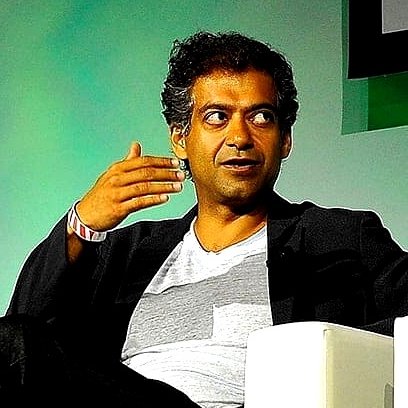
Naval Ravikant's Book Recommendations
Naval Ravikant is an entrepreneur, angel investor, and philosopher, best known as the co-founder of AngelList, a platform that connects startups with investors. Ravikant is a prolific thinker and writer on topics such as startups, investing, and personal well-being, sharing his wisdom through essays, podcasts, and social media. He has invested in over 100 companies, including Uber, Twitter, and Yammer, making him one of Silicon Valley’s most successful angel investors. Ravikant is also known for his philosophical musings on wealth, happiness, and the meaning of life, which have garnered him a large and dedicated following.

Joe Rogan's Book Recommendations
Joe Rogan is a multifaceted American entertainer known primarily for his work as a comedian, podcast host, and commentator. He gained widespread recognition through his immensely popular podcast, "The Joe Rogan Experience," which has featured in-depth conversations with a diverse array of guests, including scientists, celebrities, and politicians. Though not primarily known for literature, Rogan has contributed to the field with his thought-provoking discussions that often explore philosophical and intellectual ideas. Additionally, he has authored the book "Mastering the Rubber Guard," which delves into Brazilian Jiu-Jitsu techniques, showcasing his expertise in martial arts. Rogan's influence extends beyond traditional media, impacting contemporary discourse through his unique blend of humor, curiosity, and critical thinking.

Ana Fabrega's Book Recommendations
Ana Lorena Fabrega is an innovative educator and author passionate about reimagining education. Known as “Ms. Fab,” she is the Chief Evangelist at Synthesis, an education startup inspired by the problem-solving and collaboration model used at SpaceX. She advocates for alternative learning methods, encouraging curiosity and creativity in students. Ana's work emphasizes the importance of engaging young learners in real-world challenges and critical thinking. She also shares insights on education reform through her popular newsletter, Fab Fridays.

Audrey Gelman's Book Recommendations
Audrey Gelman is an American entrepreneur and writer, best known as the co-founder and former CEO of The Wing, a network of co-working spaces and social clubs designed for women. She has been recognized for her innovative approach to creating supportive environments for professional women, significantly impacting feminist discourse and workplace equality. Gelman has also contributed thought-provoking essays to prominent publications such as The New York Times and The New Yorker, where she discusses gender, politics, and culture. Her leadership at The Wing has been celebrated for fostering community and collaboration among women. Additionally, Gelman's influence extends to the political sphere, having previously worked as a press aide on several high-profile campaigns.

Barack Obama's Book Recommendations
Barack Obama is the 44th President of the United States, serving from 2009 to 2017. As the first African American president, Obama’s leadership marked a historic moment in American history. His administration focused on healthcare reform, economic recovery from the Great Recession, and environmental policies. He is best known for the Affordable Care Act, as well as his efforts to expand civil rights and restore diplomatic relations with Cuba. Since leaving office, Obama has continued to engage in public life through his foundation, focusing on leadership development, civic engagement, and global issues.
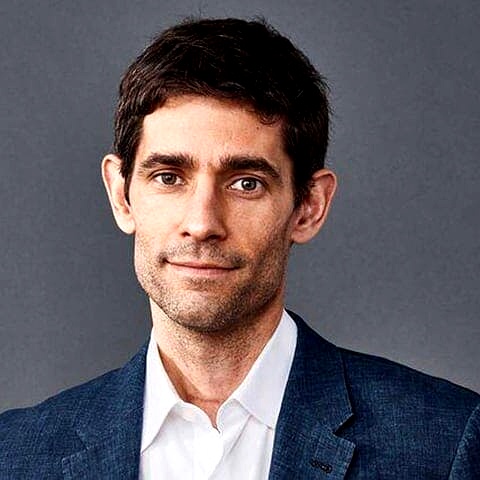
Nick Thompson's Book Recommendations
Nick Thompson is a celebrated author known for his compelling narratives and intricate character development. His debut novel, "Whispering Shadows," won the prestigious Booker Prize, catapulting him into literary stardom. Thompson's works often explore themes of identity, loss, and redemption, resonating deeply with readers worldwide. Beyond his novels, he has contributed thought-provoking essays to major literary journals, cementing his reputation as a versatile writer. Thompson's influence extends into academia, where he frequently lectures on contemporary fiction and creative writing.
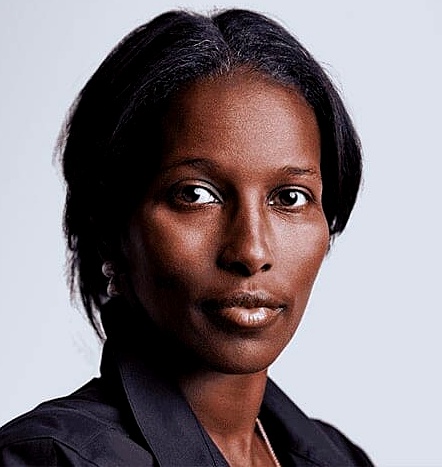
Ayaan Hirsi Ali's Book Recommendations
Ayaan Hirsi Ali is a Somali-born Dutch-American activist, author, and former politician, renowned for her outspoken criticism of Islam and advocacy for women's rights. She gained international recognition with her 2006 memoir, "Infidel," which chronicles her journey from a traditional Muslim upbringing to her eventual renouncement of Islam. As a member of the Dutch parliament from 2003 to 2006, she worked tirelessly on issues related to the integration of immigrants and the emancipation of Muslim women. Hirsi Ali has continued her advocacy through her writing, including notable works such as "Nomad" and "Heretic," which further explore themes of freedom, religion, and human rights. Her courageous and often controversial stance has earned her both widespread acclaim and significant opposition.
Showing 8 of 21 related collections
“Liberalism, in its promise of individual freedom, often neglects the deeper, communal bonds that give life meaning and stability.”
Why Liberalism Failed
By Patrick J. Deneen
Frequently Asked Questions
Explore Our Catalogue
Discover a world of knowledge through our extensive collection of book summaries.
Genres
Genres
Genres
Featured Collections
- Top Book Club Picks
- One-Stop Nutrition
- Summer Reads 2024
- Best Beach Reads 2024
- Work-Life Balance Guide
- Time Management
- Healthy Foods
- Entrepreneur Toolkit
- Mind & Body Wellness
- Future Tech Insights
- Leadership Essentials
- Financial Freedom
- Sci-Fi Masterpieces
- Parenting 101
- Books That Became Blockbusters
- Guide to a Healthy Pregnancy