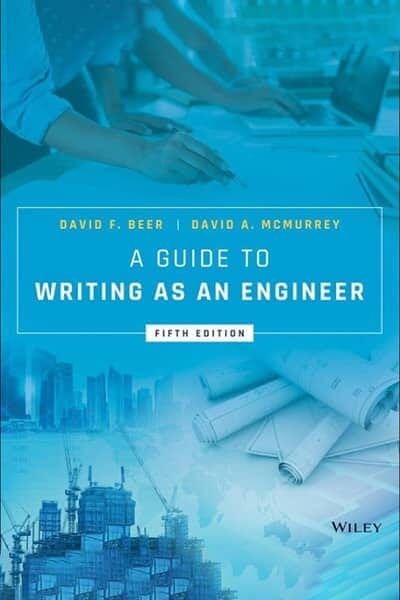
A Guide to Writing as an Engineer Book Summary
By David F. Beer, David A. McMurrey
Published: 2005

Start Listening to Book Summary
Book Review of A Guide to Writing as an Engineer
This brief, easy-to-use guide to the essentials of technical writing is designed specifically to meet the needs of engineers, focuses on reports, business letters, office memoranda and e-mail, as well as oral presentations using PowerPoint and applying for jobs using the Internet.
Book Overview of A Guide to Writing as an Engineer
About the Book Authors
David F. Beer
David F. Beer is an acclaimed author known for his contributions to contemporary literature, particularly in the genres of fiction and non-fiction. His notable works include 'The Distant Future,' which explores themes of technology and human connection, and 'Quiet Observations,' a reflective collection of essays that delve into the subtleties of everyday life. Beer's writing style is characterized by its lyrical prose and deep psychological insights, often blending elements of realism with speculative concepts. His works have garnered critical acclaim and have been featured in various literary journals, solidifying his reputation as a thought-provoking voice in modern literature.
David A. McMurrey
David A. McMurrey is a seasoned author and technical writer, recognized for his contributions to the field of professional writing and technology communication. He is known for his insightful works such as 'Technical Communication: A Practical Approach' and 'The Philosophy of Technical Communication,' which explore the nuances of effective communication in technical fields. McMurrey's writing style is characterized by clarity, precision, and an engaging tone that makes complex subjects accessible to a broad audience. With a passion for teaching and mentoring, he has also contributed significantly to the development of writing curricula in educational institutions.
Book Details
Key information about the book.
- Authors
- David F. Beer, David A. McMurrey
- Published
- January 2005
- Publisher
- N/A
- ISBN
- N/A
- Language
- English
- Pages
- 276
- Genres
- Professional CommunicationTechnology
Purchase Options
 Buy on Amazon
 Buy via BookShop
Support local bookstores: BookShop gives a portion of each sale to independent bookshops!
Similar books you might like →
How Google Works Book Summary
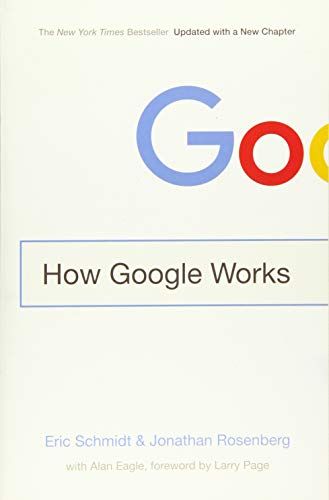
In "How Google Works", Eric Schmidt and Jonathan Rosenberg unveil the inner workings of one of the world's most innovative companies. Delving into the intersection of technology, business strategy, and culture, they explore how flexibility and creativity fuel Google's success. The authors share insider anecdotes and pivotal lessons about fostering collaboration and embracing change in a fast-paced digital landscape. You’ll discover the vital role data plays in decision-making and how to cultivate a "smart creatives" mindset. Prepare to be inspired by the blueprint of a company that has revolutionized not just the tech industry, but the very way we navigate information itself.
Homo Deus Book Summary
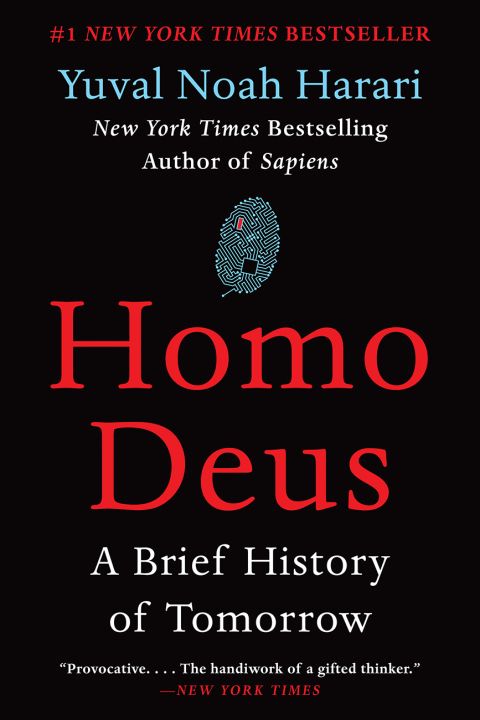
In "Homo Deus: A Brief History of Tomorrow," Yuval Noah Harari explores the future possibilities for humanity as we evolve beyond our current limitations. Delving into themes of artificial intelligence, genetic engineering, and the quest for immortality, he provokes thought about what may come after Homo sapiens. As society increasingly turns to technology for solutions, he questions the implications of our pursuit of happiness and god-like powers. Will we augment our bodies and minds, or lose our humanity in the process? This provocative journey invites readers to ponder the exhilarating—and terrifying—potential of our own evolution.
Algorithms to Live By Book Summary
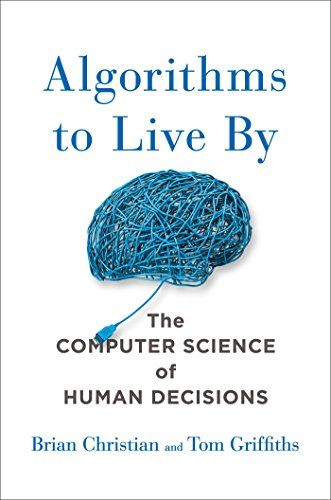
In "Algorithms to Live By," Brian Christian takes readers on a fascinating journey through the intersection of computer science and human decision-making. He reveals how algorithms, often seen as complex tools of technology, can illuminate our daily choices—from optimizing our schedules to managing relationships. Through engaging anecdotes and insights from experts, Christian demonstrates how applying these principles can lead to smarter, more efficient lives. But what happens when algorithms challenge our intuition? Explore the surprising ways math can guide not just our decisions, but our very existence.

Raising White Kids Book Summary
In "Raising White Kids," author Jennifer Harvey confronts the complexities of raising white children in a racially divided society. She challenges parents to engage in deep conversations about race and privilege, encouraging them to foster empathy and allyship from an early age. With practical strategies and heartfelt anecdotes, Harvey reveals how white parents can equip their children to understand and challenge systemic racism. This thought-provoking guide urges readers to reconsider their own perspectives and take actionable steps toward fostering a more just world. Will you rise to the challenge of nurturing a new generation that values diversity and champions equality?
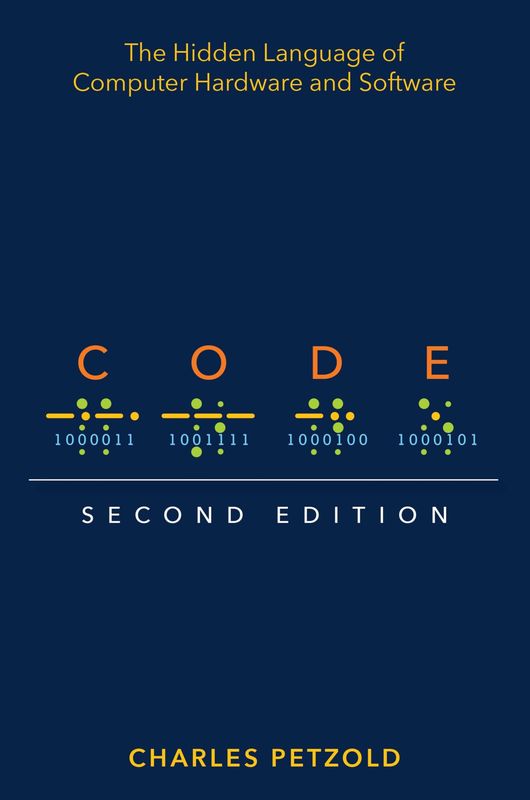
Code Book Summary
In 'Code', Charles Petzold takes readers on a captivating journey through the world of programming and computer science. He unravels the complex tapestry of how computers work, starting from simple concepts and building up to intricate systems. Through engaging anecdotes and metaphors, Petzold demystifies the inner workings of machines, making them accessible to everyone. This exploration not only reveals the beauty of code but also challenges us to think critically about the impact of technology in our lives. Prepare to see the digital world around you in a whole new light!
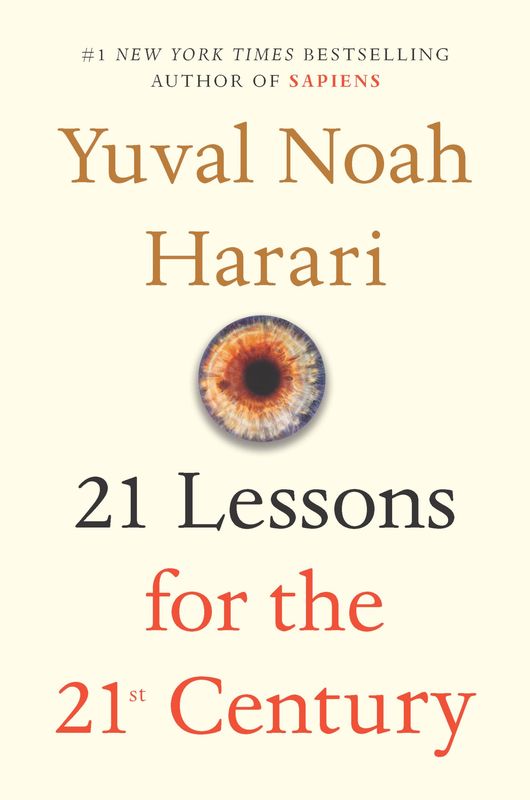
21 Lessons for the 21st Century Book Summary
In '21 Lessons for the 21st Century', Yuval Noah Harari navigates the complex landscape of today's world, tackling urgent questions about our future. From the impact of technology on society to the challenges of political stability, each lesson provokes thought and introspection. Harari explores key themes such as the rise of artificial intelligence, the significance of data, and the importance of meaning in an increasingly uncertain world. With a blend of history, philosophy, and science, the book invites readers to reflect on their roles in shaping a shared future. Will we adapt, or become obsolete? Dive in to uncover the lessons that could redefine humanity's path.
Get Back in the Box Book Summary
In 'Get Back in the Box', Douglas Rushkoff challenges the relentless embrace of technology in our lives, urging us to reconnect with the tangible world. He explores the idea that true innovation originates not from flashy gadgets, but from understanding and enhancing our existing systems. Rushkoff uses vivid anecdotes and sharp insights to illustrate how businesses and individuals can find deeper fulfillment by focusing on the core values that matter. This thought-provoking journey prompts readers to reconsider their relationship with technology and its role in their lives. Are you ready to step back, reflect, and rediscover what's truly essential?
Accounting for Tastes Book Summary
In 'Accounting for Tastes', Gary S. Becker revolutionizes our understanding of human behavior by applying economic theory to decisions related to taste and preferences. He delves into how individual choices are influenced by the interplay of personal values and societal norms, shedding light on the economics behind seemingly trivial decisions. Becker's compelling analysis challenges readers to reconsider the complexities of consumer behavior, suggesting that our choices reflect deeper economic forces at play. With a blend of insightful case studies and theoretical frameworks, the book invites readers to explore the connections between culture, consumption, and identity. Prepare to embark on a thought-provoking journey that will change the way you perceive everyday decisions.
Showing 8 of 20 similar books
Take your reading experience to the next level
Download our mobile app to enjoy your favorite books on the go. Get access to exclusive features, offline listening, and personalized recommendations.

Similar Book Recommendations →

Jan Losert's Book Recommendations
Jan Losert is a visionary author and digital design expert, renowned for his contributions to the intersection of technology and creativity. His most significant work includes co-authoring "Design Systems Handbook," which has become a seminal guide for creating cohesive and efficient design frameworks. Losert's expertise extends to his role as a speaker and educator, where he passionately shares his insights on user experience and interface design. In addition to his literary achievements, he co-founded several successful startups, leveraging his deep understanding of design to drive innovation. His work continues to influence and inspire both emerging and established designers worldwide.

Abi Tyas Tunggal's Book Recommendations
Abi Tyas Tunggal is a distinguished author known for his impactful contributions to contemporary literature and digital content. He has garnered acclaim for his insightful storytelling and adept handling of complex themes, resonating with a diverse readership. Tunggal's work often explores the intersections of technology, society, and human experience, making him a prominent voice in modern narrative arts. Beyond his literary achievements, he is also recognized for his innovative use of digital platforms to engage with and expand his audience. Tunggal continues to influence the literary landscape with his thought-provoking and accessible writing.

Alexis Ohanian's Book Recommendations
Alexis Ohanian is an American entrepreneur, investor, and co-founder of Reddit, one of the world’s most popular social news and discussion platforms. Ohanian is also a prominent advocate for open internet and net neutrality, and he has invested in numerous startups through his venture capital firm, Initialized Capital. In addition to his work in tech, Ohanian is involved in philanthropy, supporting causes related to women’s rights, education, and social justice. He is married to tennis star Serena Williams, and together they advocate for gender equality and inclusive leadership. Ohanian’s influence in the tech world and his commitment to social impact have made him a respected figure in both business and activism.

Alexey Moiseenkov's Book Recommendations
Alexey Moiseenkov is a Russian entrepreneur and tech innovator best known for creating Prisma, the groundbreaking mobile app that transforms photos into artworks using artificial intelligence. Though not primarily a literary figure, his work in AI and digital transformation has influenced contemporary discussions on the intersection of technology and art. Moiseenkov's contributions have been featured in various tech and innovation journals, highlighting his impact on modern digital culture. His work underscores the evolving narrative of creativity in the digital age, bridging the gap between artistic expression and technological advancement. Moiseenkov continues to inspire through his ongoing ventures in AI and entrepreneurship.

Jake Knapp's Book Recommendations
Jake Knapp is an author, designer, and creator of the Design Sprint process, a five-day method for solving complex problems and testing new ideas through prototyping. Knapp developed the Sprint process while working at Google Ventures, where it was used to help startups rapidly iterate and improve their products. He later co-authored the book Sprint, which has become a go-to resource for teams looking to streamline their creative processes and get better results in less time. Knapp's work focuses on productivity, creativity, and collaboration, with a particular emphasis on helping people do more meaningful work in shorter timeframes. His innovative approach to problem-solving has been adopted by companies worldwide, from small startups to large enterprises. In addition to his work on Sprints, Knapp is also a speaker and consultant, helping teams and organizations implement better practices for innovation and productivity. His work emphasizes the importance of focus, experimentation, and rapid feedback in driving success.

Bill Gurley's Book Recommendations
Bill Gurley is a prominent venture capitalist and general partner at Benchmark, a Silicon Valley venture capital firm. He is best known for his early investments in groundbreaking companies such as Uber, Zillow, and Grubhub, significantly shaping the tech industry's landscape. Gurley's insights into technology and business have been widely disseminated through his influential blog, "Above the Crowd," where he discusses market trends and investment strategies. His thought leadership extends beyond finance, offering valuable perspectives on innovation and entrepreneurship. Bill Gurley's contributions have earned him recognition as one of the most influential figures in venture capital today.

Aileen Lee's Book Recommendations
Aileen Lee is a distinguished venture capitalist and founder of Cowboy Ventures, a seed-stage venture capital firm that invests in early-stage technology companies. She is widely known for coining the term "unicorn" to describe startups valued at over $1 billion, significantly impacting how the tech industry views high-growth companies. Lee's keen eye for innovation and her advocacy for diversity in tech have made her a prominent figure in Silicon Valley. Beyond her financial acumen, she has authored insightful articles on entrepreneurship and startup culture, contributing valuable perspectives to business literature. Lee's work continues to inspire a new generation of entrepreneurs and investors.

Aaron Levie's Book Recommendations
Aaron Levie is the co-founder and CEO of Box, a cloud content management platform that revolutionized how businesses manage and collaborate on content. He launched Box in 2005 while still a college student, and the company rapidly grew into a leader in the cloud storage industry. Levie is known for his innovative, forward-thinking approach to enterprise software and for pushing the boundaries of digital transformation. Under his leadership, Box went public in 2015 and continues to evolve with new technologies and partnerships. He is a strong advocate for cloud-first business strategies and frequently shares his insights on the future of work and the digital workplace. Levie is also a prolific speaker and writer, often discussing technology's role in the modern economy. His energetic and witty personality has made him a popular figure in Silicon Valley and beyond.
Showing 8 of 15 related collections
Frequently Asked Questions
Explore Our Catalogue
Discover a world of knowledge through our extensive collection of book summaries.
Genres
Genres
Genres
Featured Collections
- Top Book Club Picks
- One-Stop Nutrition
- Summer Reads 2024
- Best Beach Reads 2024
- Work-Life Balance Guide
- Time Management
- Healthy Foods
- Entrepreneur Toolkit
- Mind & Body Wellness
- Future Tech Insights
- Leadership Essentials
- Financial Freedom
- Sci-Fi Masterpieces
- Parenting 101
- Books That Became Blockbusters
- Guide to a Healthy Pregnancy