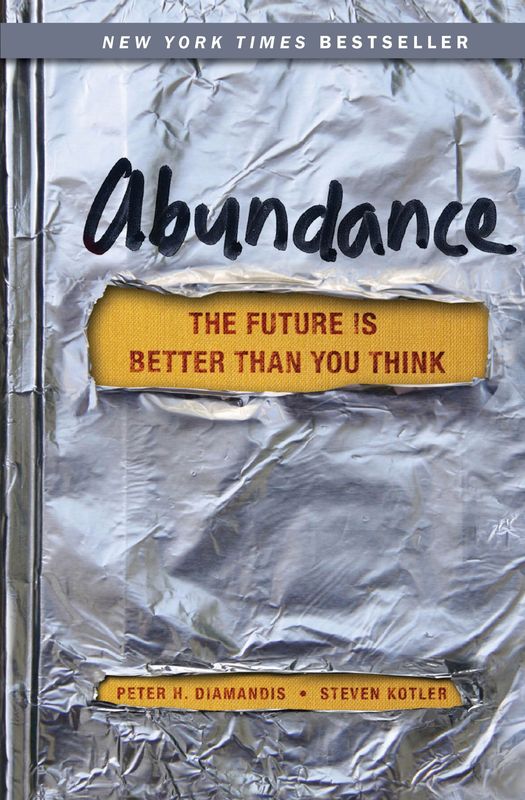

In 'Abundance', Peter H. Diamandis and Steven Kotler explore the exhilarating possibilities of innovation and technology in overcoming global challenges. The authors argue that we are on the brink of a new era where exponential advancements can provide solutions to issues like hunger, scarcity, and disease. Through compelling case studies, they highlight visionary thinkers and entrepreneurs who are harnessing these resources to create a better future. This book not only challenges the prevailing narrative of scarcity but ignites a sense of hope and action. Dive in to discover how we can collectively shape a world of abundance!
By Steven Kotler, Peter H. Diamandis
Published: 2012
""The best way to predict the future is to create it, and in our age of abundance, the tools to do so are at our fingertips.""
Providing abundance is humanity's grandest challenge--this is a book about how we rise to meet it. Abundance for all is within mankind's grasp. This bold, contrarian view, backed up by exhaustive research, introduces the near-term future.
Showing 8 of 30 similar books
Bret Victor is a renowned American interface designer and computer scientist celebrated for his innovative contributions to interactive design and human-computer interaction. He is best known for creating dynamic, explorable explanations, which have significantly influenced the way educational content is presented and understood. Victor's seminal work, "Inventing on Principle," advocates for the integration of immediate feedback in creative processes, inspiring a new wave of interactive programming environments. As a former member of the Apple Human Interface team, he played a pivotal role in shaping modern user interfaces. Through his organization, Dynamicland, Victor continues to explore and expand the boundaries of immersive, collaborative computing environments.
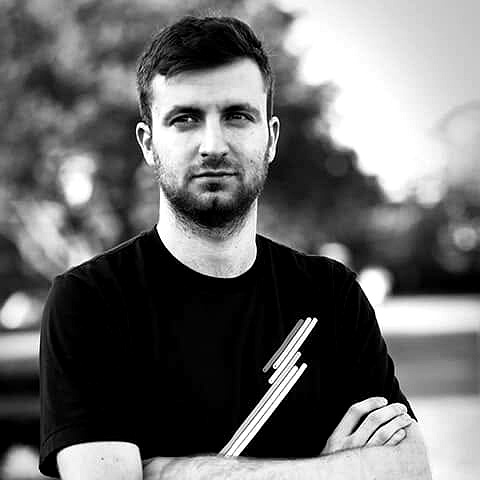
Alexey Moiseenkov is a Russian entrepreneur and tech innovator best known for creating Prisma, the groundbreaking mobile app that transforms photos into artworks using artificial intelligence. Though not primarily a literary figure, his work in AI and digital transformation has influenced contemporary discussions on the intersection of technology and art. Moiseenkov's contributions have been featured in various tech and innovation journals, highlighting his impact on modern digital culture. His work underscores the evolving narrative of creativity in the digital age, bridging the gap between artistic expression and technological advancement. Moiseenkov continues to inspire through his ongoing ventures in AI and entrepreneurship.
Ben Shapiro is an American conservative political commentator, author, and lawyer, known for his sharp analytical skills and outspoken views. He graduated from UCLA at the age of 20 and Harvard Law School at 23, demonstrating his early intellectual prowess. Shapiro is the author of several best-selling books including "Bullies: How the Left's Culture of Fear and Intimidation Silences Americans" and "The Right Side of History: How Reason and Moral Purpose Made the West Great." He is the co-founder and editor emeritus of The Daily Wire, a popular conservative news and opinion website. Through his writing and media presence, Shapiro has significantly influenced contemporary political discourse in the United States.
Brad Feld is a prominent American entrepreneur, venture capitalist, and author known for his influential work in the startup ecosystem. Co-founder of the Foundry Group, he has played a pivotal role in funding and mentoring early-stage technology companies. Feld is also a key figure behind the Techstars accelerator program, which has helped launch numerous successful startups. As an author, he has penned several essential books on entrepreneurship and venture capital, including "Venture Deals" and "Startup Communities," which provide invaluable insights for aspiring entrepreneurs and investors. His writings and active blogging have cemented his reputation as a thought leader in the tech and startup communities.
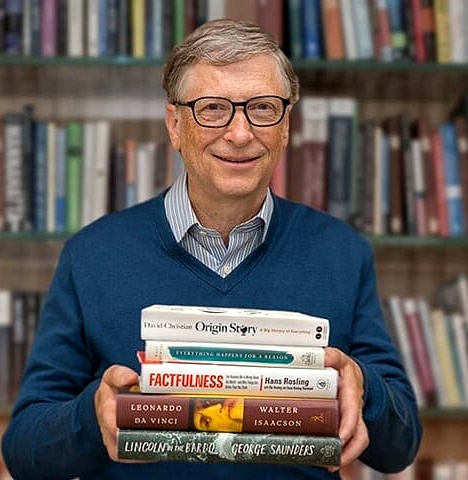
Bill Gates, co-founder of Microsoft Corporation, is a pioneering figure in the tech industry, having played a key role in the personal computer revolution. His work at Microsoft, particularly the development of Windows, transformed software and computing globally. Beyond his technology contributions, Gates is also a prolific author, with notable works such as "The Road Ahead" and "Business @ the Speed of Thought," which offer insights into the future of technology and business. Additionally, his philanthropic efforts through the Bill & Melinda Gates Foundation have had a profound impact on global health, education, and poverty. Gates continues to influence both technology and literature with his forward-thinking perspectives and innovative ideas.
Alfred Lin is a venture capitalist and partner at Sequoia Capital, where he focuses on investments in consumer internet, enterprise, and mobile companies. Lin is known for his early investments in companies like Airbnb and DoorDash, helping them grow into major global brands. Before joining Sequoia, Lin was an executive at Zappos, where he worked closely with CEO Tony Hsieh to develop the company’s innovative culture and customer service model. Lin’s expertise in scaling businesses and his strategic vision have made him one of the most respected venture capitalists in Silicon Valley.
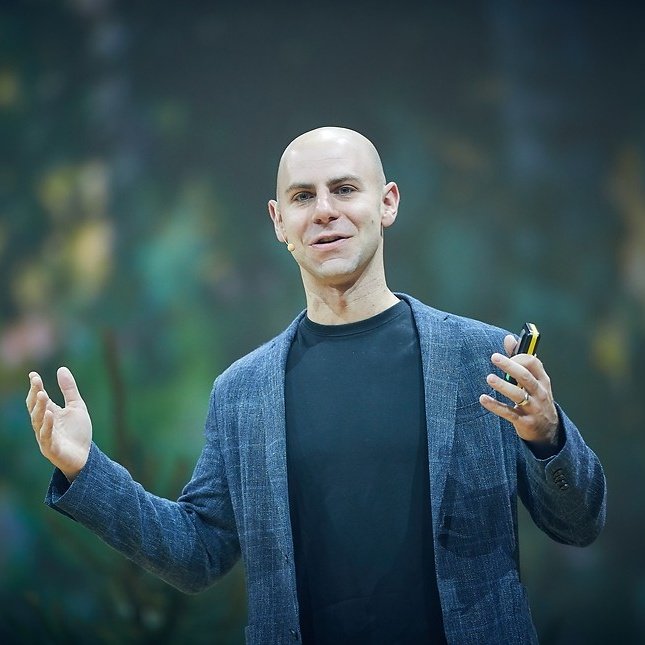
Adam Grant is a renowned organizational psychologist and bestselling author, celebrated for his influential work on motivation and workplace dynamics. He is a professor at the Wharton School of the University of Pennsylvania, where he has been the youngest tenured professor and earned numerous teaching awards. Grant's books, including "Give and Take," "Originals," and "Think Again," have been translated into multiple languages and have topped bestseller lists worldwide. His research and insights are frequently featured in major media outlets, and he hosts the popular podcast "WorkLife." Through his writing and speaking, Grant has profoundly impacted the fields of psychology, business, and education.
“"The best way to predict the future is to create it, and in our age of abundance, the tools to do so are at our fingertips."”
Abundance
By Steven Kotler, Peter H. Diamandis
Discover a world of knowledge through our extensive collection of book summaries.
Steven Kotler is a bestselling author, journalist, and the co-founder of the Flow Research Collective. He is well-known for his groundbreaking work that explores the intersection of technology, innovation, and human performance. Kotler has authored several notable books, including 'The Rise of Superman,' 'Stealing Fire,' and 'The Future Is Faster Than You Think,' which delve into topics like flow states, peak performance, and the future of technology. His writing style is characterized by a blend of meticulous research and engaging storytelling, making complex ideas accessible to a wide audience.
Peter H. Diamandis is an accomplished entrepreneur, author, and advocate for innovation and technological advancement. He is best known for his groundbreaking works, including 'Abundance: The Future Is Better Than You Think' and 'Bold: How to Go Big, Create Wealth and Impact the World'. In his writing, Diamandis focuses on the exponential technologies that are shaping our future and encourages readers to embrace an abundant mindset. Through his engaging and thought-provoking style, he inspires individuals and organizations to harness innovative solutions for global challenges.
Key information about the book.
 Buy on Amazon
 Buy via BookShop
Support local bookstores: BookShop gives a portion of each sale to independent bookshops!
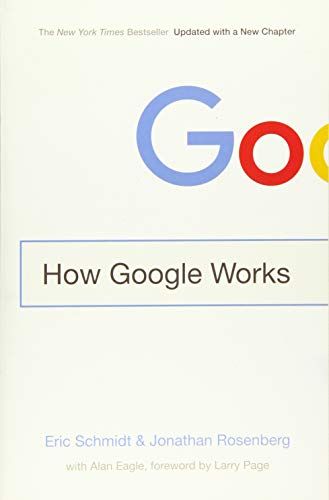
In "How Google Works", Eric Schmidt and Jonathan Rosenberg unveil the inner workings of one of the world's most innovative companies. Delving into the intersection of technology, business strategy, and culture, they explore how flexibility and creativity fuel Google's success. The authors share insider anecdotes and pivotal lessons about fostering collaboration and embracing change in a fast-paced digital landscape. You’ll discover the vital role data plays in decision-making and how to cultivate a "smart creatives" mindset. Prepare to be inspired by the blueprint of a company that has revolutionized not just the tech industry, but the very way we navigate information itself.
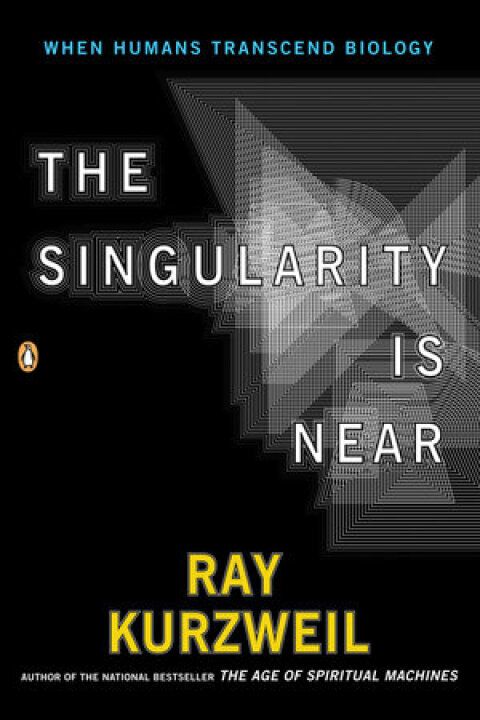
In "The Singularity Is Near," futurist Ray Kurzweil examines the transformative convergence of technology and biology, predicting a pivotal moment when artificial intelligence surpasses human intelligence. He explores the implications of exponentially accelerating advancements, from nanotechnology to genetic engineering, and their potential to reshape humanity. As Kurzweil articulates the challenges and opportunities posed by this evolution, he paints a provocative picture of a future where humans and machines merge. Could we soon transcend our biological limitations? Venture into this thought-provoking narrative that questions the very essence of what it means to be human amidst the rise of the machines.
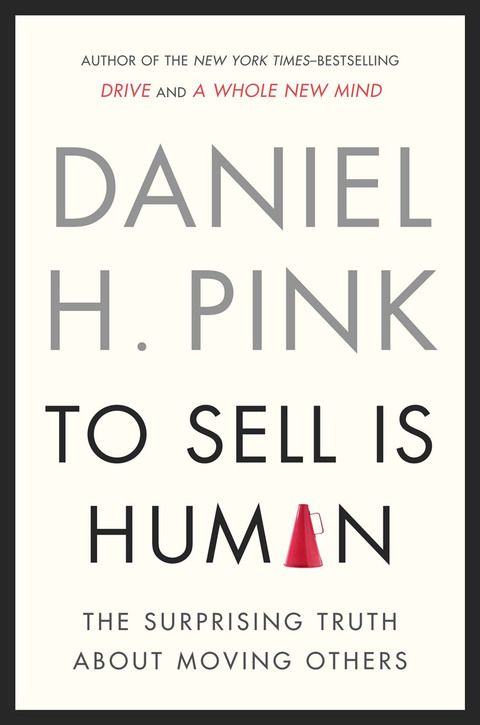
In "To Sell Is Human," Daniel H. Pink reveals that everyone is in sales, whether they realize it or not. He explores the art of persuasion and the changing landscape of selling in a world driven by technology and social interaction. Through captivating anecdotes and scientific research, Pink uncovers the surprising truths about what motivates us to buy and sell. He offers practical techniques to enhance our ability to connect and influence others ethically. This thought-provoking book challenges our perceptions of salesmanship, inspiring readers to embrace their inner seller in everyday life.

In 'Anna Karenina', Leo Tolstoy crafts a sweeping tale of love, betrayal, and the quest for happiness amidst the constraints of society. The story revolves around Anna, a beautiful married woman, who embarks on a passionate affair with the charmingCount Vronsky, challenging societal norms and her own moral compass. As their relationship unfolds, it sets off a chain reaction affecting everyone around them, illustrating the complexities of human relationships. Interwoven with Anna's plight are the lives of others, including the idealistic Levin, who struggles with his own search for meaning. This timeless classic explores the intersections of personal desires and social expectations, leaving readers questioning the true cost of love.
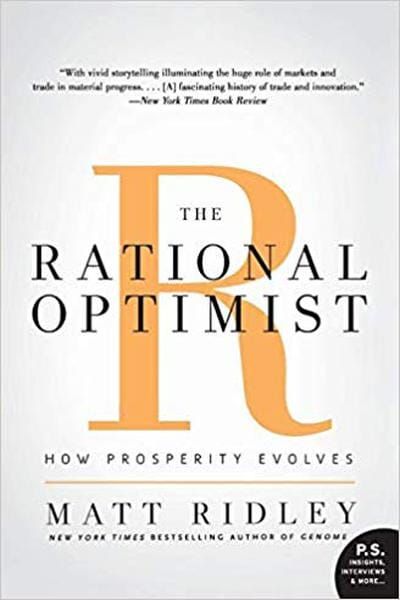
In 'The Rational Optimist', Matt Ridley challenges the pervasive pessimism of modern society by illustrating how human innovation and collaboration have historically led to progress and prosperity. He argues that through trade, science, and technology, humanity has an incredible ability to solve problems and improve quality of life. Ridley takes readers on a journey through history, revealing how obstacles have often fueled creativity and driven advancement. This thought-provoking book invites you to rethink the future and embrace the power of optimism in a world filled with challenges. Discover why Ridley believes our best days are still ahead!
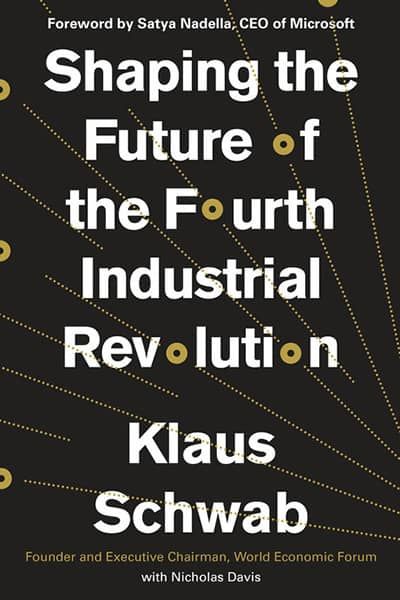
In 'Shaping the Future of the Fourth Industrial Revolution', Klaus Schwab and Nicholas Davis explore the transformative impact of emerging technologies on society, economy, and governance. They argue that as we stand on the brink of this revolution, it is essential to consider the ethical implications of our innovations. The authors pose thought-provoking questions about equality, privacy, and the future of work, urging readers to take an active role in shaping this future. Drawing on real-world examples, they reveal how collaboration between leaders, businesses, and citizens can harness the power of technology for the greater good. Prepare to rethink progress and envision a world that prioritizes human values amidst rapid technological changes.
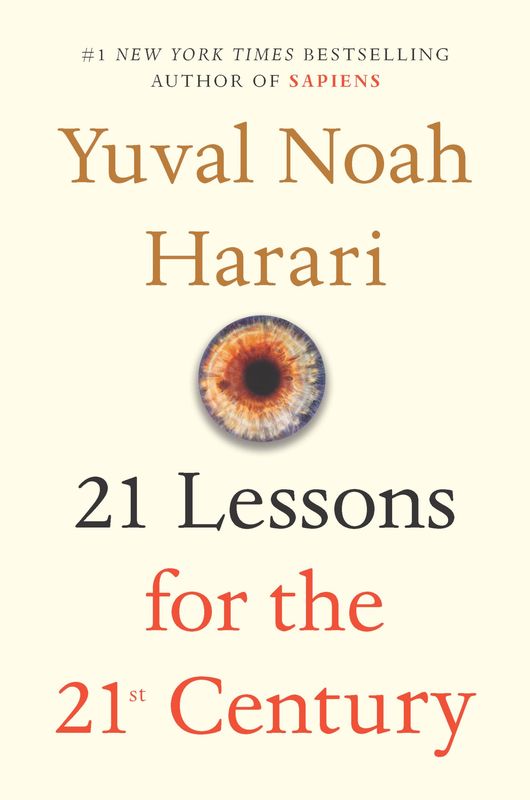
In '21 Lessons for the 21st Century', Yuval Noah Harari navigates the complex landscape of today's world, tackling urgent questions about our future. From the impact of technology on society to the challenges of political stability, each lesson provokes thought and introspection. Harari explores key themes such as the rise of artificial intelligence, the significance of data, and the importance of meaning in an increasingly uncertain world. With a blend of history, philosophy, and science, the book invites readers to reflect on their roles in shaping a shared future. Will we adapt, or become obsolete? Dive in to uncover the lessons that could redefine humanity's path.
In 'Sum,' David Eagleman takes readers on a journey through the afterlife, presenting a series of imaginative vignettes that explore the myriad possibilities of existence beyond death. Each scenario forces readers to confront deep questions about identity, consciousness, and the essence of what it means to be human. Eagleman's captivating prose blends science and philosophy, inviting us to envision alternate realities that challenge our conventional beliefs. With its blend of creativity and introspection, 'Sum' promises to expand your mind and spark your imagination. Are you ready to explore what lies beyond the final curtain?




Download our mobile app to enjoy your favorite books on the go. Get access to exclusive features, offline listening, and personalized recommendations.