

In a quaint Tokyo café, time stands still for those who dare to sip coffee from a magical cup. 'Before the Coffee Gets Cold' weaves the poignant stories of four customers, each seeking to revisit a moment in their past. As they confront unresolved feelings and missed opportunities, emotions brew stronger than the coffee itself. What secrets lie behind the café's enchanting ambiance, and can the past truly be altered? Prepare for a heartwarming journey that challenges the boundaries of time and love.
By Toshikazu Kawaguchi
Published: 2019
""The moment you think you’re destined for something, it changes; yet, the essence of who you are remains.""
In a small back alley in Tokyo, there is a café which has been serving carefully brewed coffee for more than one hundred years. But this coffee shop offers its customers a unique experience: the chance to travel back in time. But the journey into the past does not come without risks: customers must sit in a particular seat, they cannot leave the café, and finally, they must return to the present before the coffee gets cold . . .
Showing 8 of 29 similar books
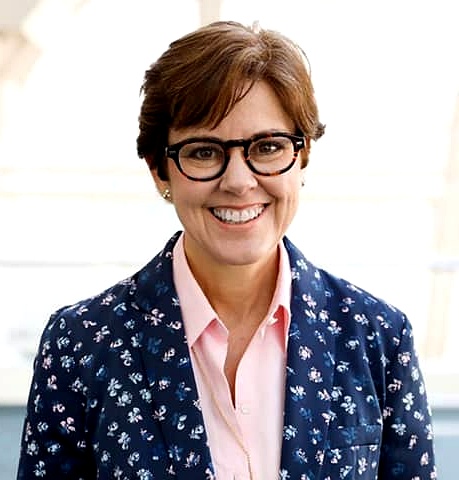
Caterina Fake is an American entrepreneur and investor, best known for co-founding Flickr, one of the first photo-sharing platforms that helped define social media and web 2.0. After the success of Flickr, Fake went on to co-found Hunch, a recommendation engine that was later acquired by eBay. She is a partner at Yes VC, a venture capital firm that invests in early-stage startups, with a focus on companies that foster human connection and creativity. Fake is also an advocate for ethical technology and often speaks about the importance of designing products that prioritize user well-being. Her contributions to tech and her insights on the intersection of technology and culture have made her a respected leader in the industry.
Jack Edwards is a British YouTuber, content creator, and author known for his videos on literature, academia, and productivity. Edwards gained popularity through his educational content, which includes book recommendations, study tips, and insights into university life. He is an advocate for reading and lifelong learning, often encouraging his audience to explore literature and improve their academic skills. Edwards has also written a book, The Uni-Verse, which offers advice to students navigating university life. His work has made him a well-known figure in the educational and literary communities, particularly among young readers and students.
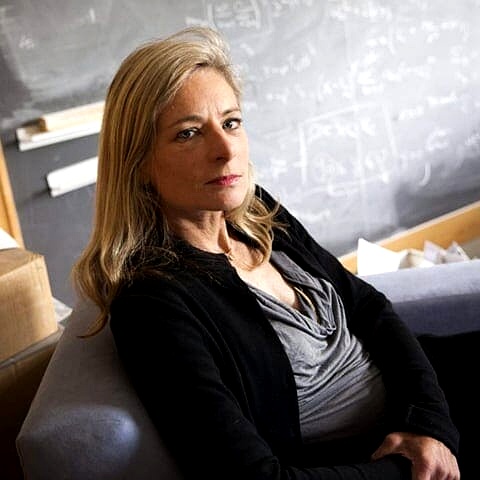
Lisa Randall is a prominent American theoretical physicist and author renowned for her work in particle physics and cosmology. A professor at Harvard University, she has made significant contributions to our understanding of higher dimensions and dark matter. Her influential books, such as "Warped Passages" and "Knocking on Heaven's Door," have brought complex scientific concepts to a broader audience, blending rigorous science with accessible prose. Randall's research has earned her numerous accolades, including membership in the National Academy of Sciences. Her work continues to inspire both the scientific community and the general public, bridging the gap between advanced physics and everyday understanding.
Harry Styles is a British singer, songwriter, and actor, best known as a member of the globally successful boy band One Direction before launching a successful solo career. Styles’ solo work has earned critical acclaim for its blend of rock, pop, and indie influences, with hits like Sign of the Times and Watermelon Sugar. In addition to music, Styles has also made a mark in fashion, known for his gender-fluid style and collaborations with brands like Gucci. He is also an actor, starring in films like Dunkirk and Don't Worry Darling. Styles is recognized for his artistic versatility and cultural impact.
Rana el Kaliouby is an Egyptian-American computer scientist and entrepreneur, best known as the co-founder and former CEO of Affectiva, a company pioneering Emotion AI technology. Her work focuses on developing AI systems that can understand and respond to human emotions through facial expressions and speech. El Kaliouby is a leading voice in the ethical development of AI and has spoken extensively about the need for AI to be more human-centered. She is also the author of Girl Decoded, a memoir about her journey in the tech world as a woman and advocate for diversity. El Kaliouby’s work has significantly impacted both the AI industry and conversations about emotional intelligence in technology.
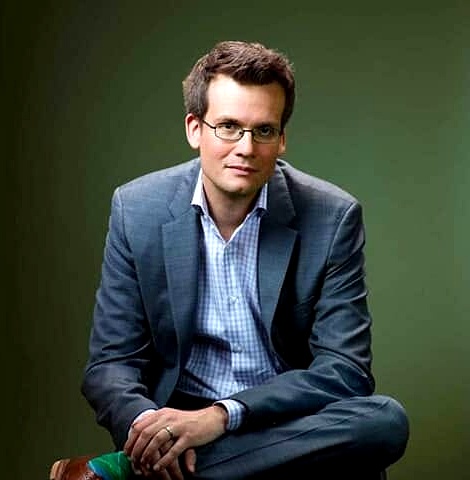
John Green is an American author, YouTuber, and educator, best known for his best-selling novels The Fault in Our Stars and Looking for Alaska. Green's writing often explores themes of love, loss, and the complexity of adolescence, resonating with both young adults and adults alike. He is also the co-creator of the YouTube channels Vlogbrothers and CrashCourse, where he educates viewers on history, literature, and science in an engaging, accessible way. Green is known for his deep empathy and ability to connect with readers through emotionally powerful storytelling. His work in literature and online education has made him a beloved figure in both media and education circles.
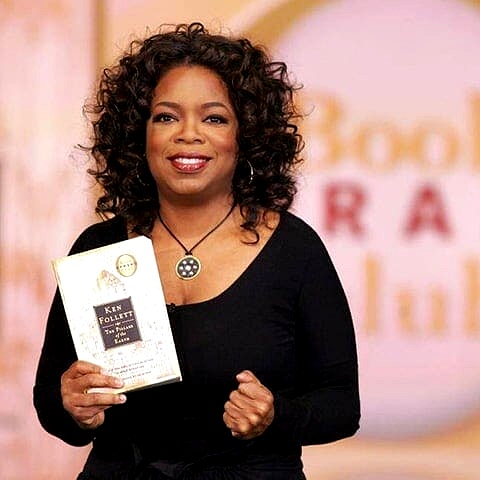
Oprah Winfrey is a globally renowned media mogul, talk show host, and philanthropist. She gained fame through her groundbreaking talk show, "The Oprah Winfrey Show," which ran for 25 years and became one of the highest-rated programs in television history. Winfrey has significantly impacted literature through her influential book club, Oprah's Book Club, which has propelled numerous books to bestseller status and fostered a love of reading across diverse audiences. She is also the author of several books, including her memoir "The Life You Want," and has contributed to numerous inspirational and self-help publications. Beyond her literary contributions, Winfrey has been a powerful advocate for education and empowerment, founding the Oprah Winfrey Leadership Academy for Girls in South Africa.
Ann Handley is a renowned digital marketing pioneer and a Wall Street Journal bestselling author. She is the author of "Everybody Writes," a seminal guide on creating compelling content, and co-author of "Content Rules," which outlines effective content marketing strategies. As the Chief Content Officer at MarketingProfs, she has significantly influenced modern marketing practices. Handley is also a highly sought-after keynote speaker, known for her insights on digital content and marketing trends. Her work has empowered countless marketers to elevate their content creation and strategy efforts.
Showing 8 of 15 related collections
“"The moment you think you’re destined for something, it changes; yet, the essence of who you are remains."”
Before the Coffee Gets Cold
By Toshikazu Kawaguchi
Discover a world of knowledge through our extensive collection of book summaries.
Toshikazu Kawaguchi is a celebrated Japanese author renowned for his poignant storytelling and unique exploration of time and memory. His most notable work, 'Before the Coffee Gets Cold,' gained international acclaim for its enchanting narrative, which revolves around a mystical café in Tokyo where patrons can travel back in time. His writing style is characterized by emotional depth, intricate character development, and a blend of fantasy with everyday life, allowing readers to reflect on personal connections and the significance of fleeting moments. Kawaguchi's work often invites readers to contemplate the delicate balance between past and present, making him a distinctive voice in contemporary literature.
Key information about the book.
 Buy on Amazon
 Buy via BookShop
Support local bookstores: BookShop gives a portion of each sale to independent bookshops!
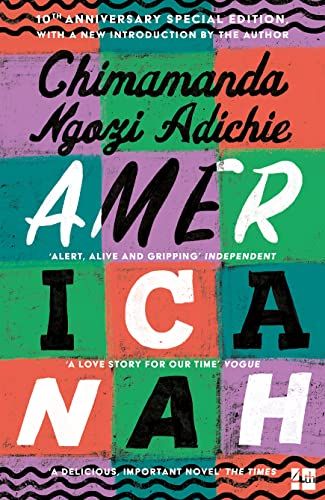
SHORTLISTED FOR THE BAILEY'S WOMEN'S PRIZE FOR FICTION 'A delicious, important novel' The Times 'Alert, alive and gripping' Independent 'Some novels tell a great story and others make you change the way you look at the world. Americanah does both.' Guardian As teenagers in a Lagos secondary school, Ifemelu and Obinze fall in love. Their Nigeria is under military dictatorship, and people are fleeing the country if they can. Ifemelu--beautiful, self-assured--departs for America to study. She suffers defeats and triumphs, finds and loses relationships and friendships, all the while feeling the weight of something she never thought of back home: race. Obinze--the quiet, thoughtful son of a professor--had hoped to join her, but post-9/11 America will not let him in, and he plunges into a dangerous, undocumented life in London. Thirteen years later, Obinze is a wealthy man in a newly democratic Nigeria, while Ifemelu has achieved success as a writer of an eye-opening blog about race in America. But when Ifemelu returns to Nigeria, and she and Obinze reignite their shared passion--for their homeland and for each other--they will face the toughest decisions of their lives. Fearless, gripping, spanning three continents and numerous lives, Americanah is a richly told story of love and expectation set in today's globalized world.
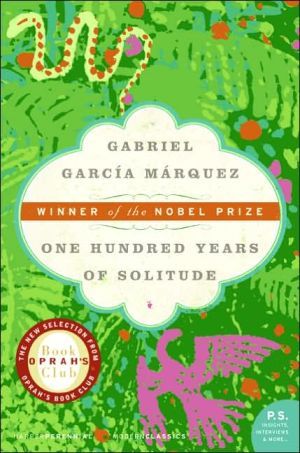
In the mythical town of Macondo, the Buendía family grapples with solitude, love, and the passage of time across several generations. Gabriel Garcia Marquez weaves a tale rich with magical realism, blurring the lines between myth and history. As the family's fortunes rise and fall, secrets and heartbreak shape their destinies, intertwined with the fate of their extraordinary town. Themes of isolation and the cyclical nature of life resonate throughout the narrative, inviting readers to ponder the implications of their choices. Will the Buendías ever escape the solitude that binds them, or is it their ultimate inheritance?
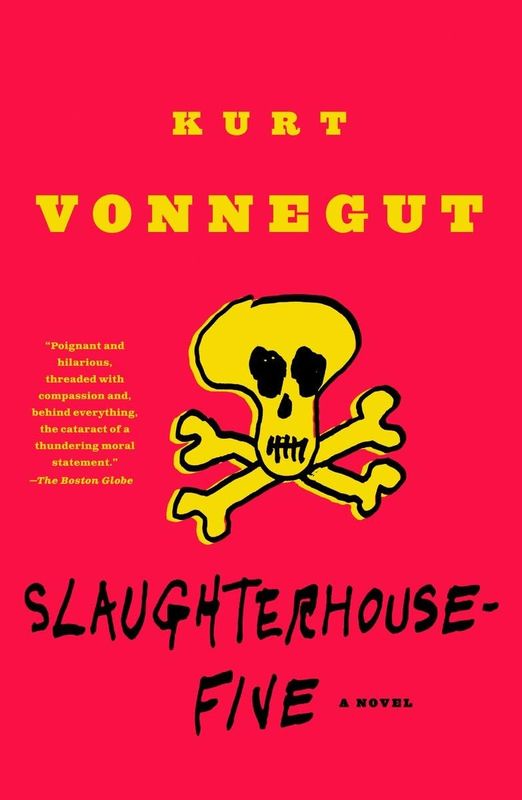
'Slaughterhouse-Five' follows the unconventional journey of Billy Pilgrim, a soldier who becomes 'unstuck in time' and experiences moments from his life out of sequence. As he navigates through the horrors of World War II, including the firebombing of Dresden, the narrative intertwines elements of science fiction and anti-war sentiment. Vonnegut's unique blend of dark humor and poignant commentary challenges the nature of free will and the chaos of war. Will Billy ever come to terms with his fragmented existence and the absurdity of human conflict? Join him on a mind-bending odyssey that questions reality and morality.
In 'The City We Became,' New York City manifests into five distinct human avatars, each representing a different borough, as they unite to defend their home from an otherworldly invasion. N. K. Jemisin weaves together a vibrant urban tapestry, blending magical realism with the raw pulse of city life. As the avatars grapple with their own identities and the challenges of collaboration, they embody the diverse spirit and resilience of their city. With themes of community, belonging, and the fight against erasure, the narrative is both a love letter to New York and a thrilling adventure. Readers will find themselves captivated by this imaginative journey that raises questions about the very essence of what a city truly is.
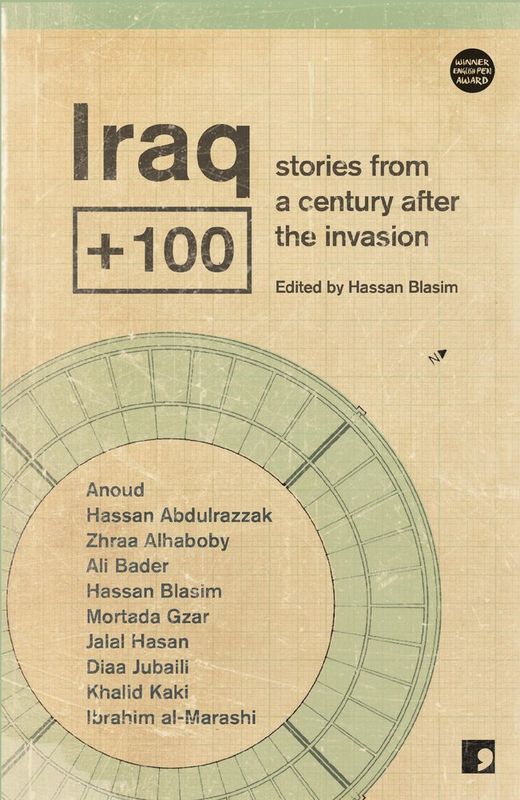
In 'Iraq + 100', a diverse collection of speculative tales emerges from the minds of Iraqi authors, envisioning a future that transcends war and conflict. This anthology showcases a blend of vivid imagination and cultural reflection, challenging readers to rethink the narratives surrounding Iraq. Through the lens of science fiction and fantastical realism, the authors paint a complex portrait of resilience and hope amidst adversity. As each story unfolds, the fabric of Iraqi identity is reexamined, revealing both the scars of history and dreams of possibility. Prepare to be transported to a world where the power of storytelling reigns supreme and the future awaits!

In 'When Panic Attacks', Dr. David D. Burns unveils the intricate mechanics of anxiety and its crippling effects on our lives. Through engaging anecdotes and practical techniques, he empowers readers to dismantle their fears and reclaim control. Discover the transformative power of cognitive therapy as Burns shares step-by-step strategies to address panic attacks and anxiety disorders. With a compassionate approach, he invites readers on a journey of self-discovery and resilience. Will you unlock the keys to your mental freedom?
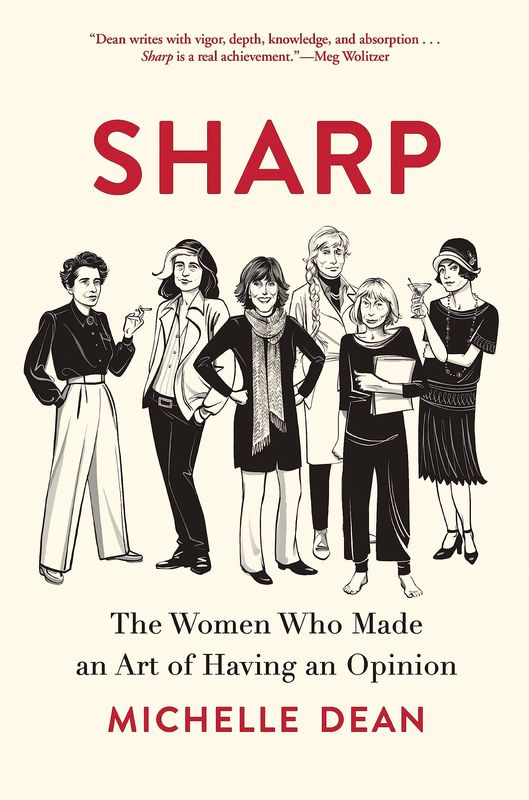
In 'Sharp', Michelle Dean offers a riveting exploration of feminist thought through the lives of six pivotal women writers. The book investigates how their sharp intellects and bold voices shaped literature and challenged societal norms. Dean carefully weaves personal anecdotes with cultural critique, revealing the complexities of their relationships and rivalries. As readers delve into the highs and lows of these literary figures, they are invited to reflect on the evolution of feminism itself. 'Sharp' is not just a biography; it's an examination of the power of words and the women who wielded them.
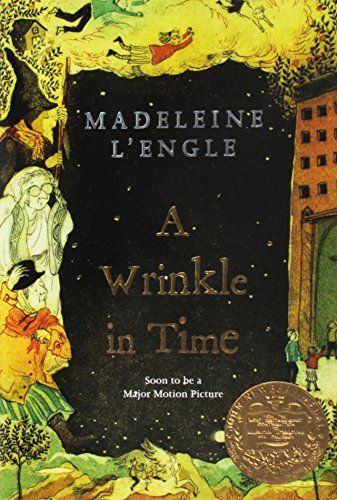
In 'A Wrinkle in Time', a young girl named Meg Murry embarks on an extraordinary interstellar journey to rescue her father, who is trapped by a dark force. Joined by her brother Charles and a mysterious guide named Mrs. Whatsit, they traverse the cosmos using the concept of tesseracts—also known as wrinkles in time. Along the way, they confront the embodiment of evil and discover the power of love and individuality. L'Engle masterfully weaves science fiction with themes of family, bravery, and the struggle against conformity. This imaginative tale challenges readers to ponder the nature of good and evil, making it an unforgettable adventure.



Download our mobile app to enjoy your favorite books on the go. Get access to exclusive features, offline listening, and personalized recommendations.