Dereliction of Duty Book Summary
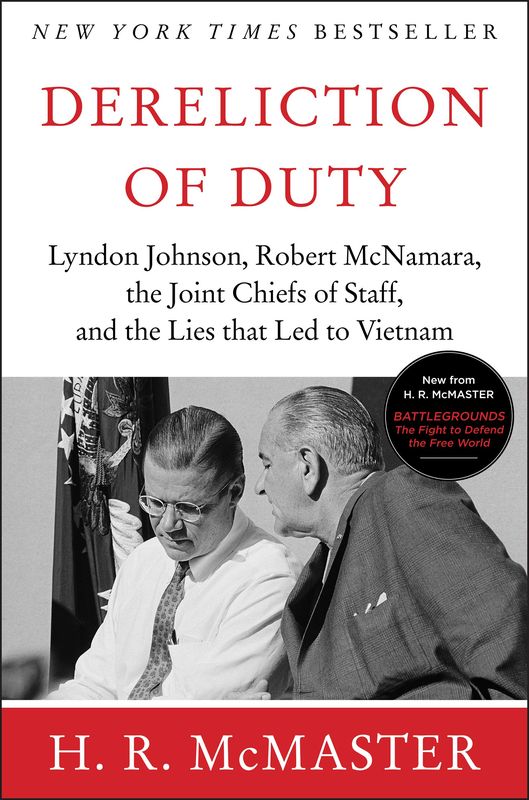
In 'Dereliction of Duty,' H. R. McMaster unveils the crucial missteps that led to the Vietnam War's escalation, exploring the failures of military leadership and the political elite. He dissects the disconnection between Washington's policymakers and the realities on the ground, revealing how decisions were made without clarity or accountability. With meticulous research and compelling narratives, McMaster challenges readers to consider the costs of neglecting ethical responsibility in government. This gripping examination not only sheds light on a tumultuous period in American history but also resonates with contemporary governance issues. Will understanding the past illuminate paths to better decision-making in the future?
By H. R. McMaster
Published: 1998
"The failure to grasp the consequences of inaction is often a greater dereliction than the boldest of missteps."

Start Listening to Book Summary
Book Review of Dereliction of Duty
"The war in Vietnam was not lost in the field, nor was it lost on the front pages of the New York Times or the college campuses. It was lost in Washington, D.C." - H. R. McMaster (from the Conclusion) Dereliction Of Duty is a stunning new analysis of how and why the United States became involved in an all-out and disastrous war in Southeast Asia. Fully and convincingly researched, based on recently released transcripts and personal accounts of crucial meetings, confrontations and decisions, it is the only book that fully re-creates what happened and why. It also pinpoints the policies and decisions that got the United States into the morass and reveals who made these decisions and the motives behind them, disproving the published theories of other historians and excuses of the participants. Dereliction Of Duty covers the story in strong narrative fashion, focusing on a fascinating cast of characters: President Lyndon Johnson, Robert McNamara, General Maxwell Taylor, McGeorge Bundy and other top aides who deliberately deceived the Joint Chiefs of Staff, the U.S. Congress and the American public. Sure to generate controversy, Dereliction Of Duty is an explosive and authoritative new look at the controversy concerning the United States involvement in Vietnam.
Book Overview of Dereliction of Duty
About the Book Author
H. R. McMaster
H. R. McMaster is an accomplished author and retired U.S. Army officer, known for his insightful analysis of military strategy and national security. He served as the 26th National Security Advisor to President Donald Trump and has been a significant voice in defense and policy discussions. McMaster is the author of notable works such as 'Dereliction of Duty,' which critiques U.S. military leadership during the Vietnam War, and 'Battlegrounds: International Perspectives on the New Security Environment,' where he explores contemporary security challenges. His writing often combines rigorous historical research with practical military insights, offering readers a deeper understanding of geopolitical complexities.
Book Details
Key information about the book.
- Authors
- H. R. McMaster
- Published
- May 1998
- Publisher
- Harper Collins
- ISBN
- 0060929081
- Language
- English
- Pages
- 484
- Genres
- American HistoryHistoryPolitical HistoryPolitics and Current Affairs
Purchase Options
 Buy on Amazon
 Buy via BookShop
Support local bookstores: BookShop gives a portion of each sale to independent bookshops!
Similar books you might like →
A Court of Thorns and Roses Book Summary
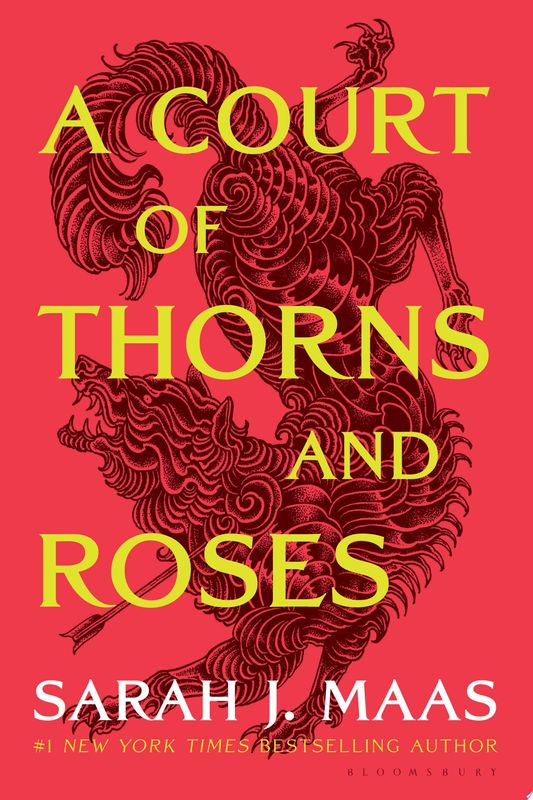
In "A Court of Thorns and Roses," Feyre Archeron, a skilled huntress, is thrust into a deadly faerie world after killing a wolf in the woods. Captured by Tamlin, a powerful High Fae lord, she discovers an enchanting realm steeped in danger and magic. As Feyre grapples with her feelings for Tamlin, a dark curse looms, threatening his home and all he loves. Chilling choices lead her into a treacherous game where betrayal and sacrifice become part of the dance. Will she embrace her fate and uncover her true strength before it’s too late?
The Book of Three Book Summary
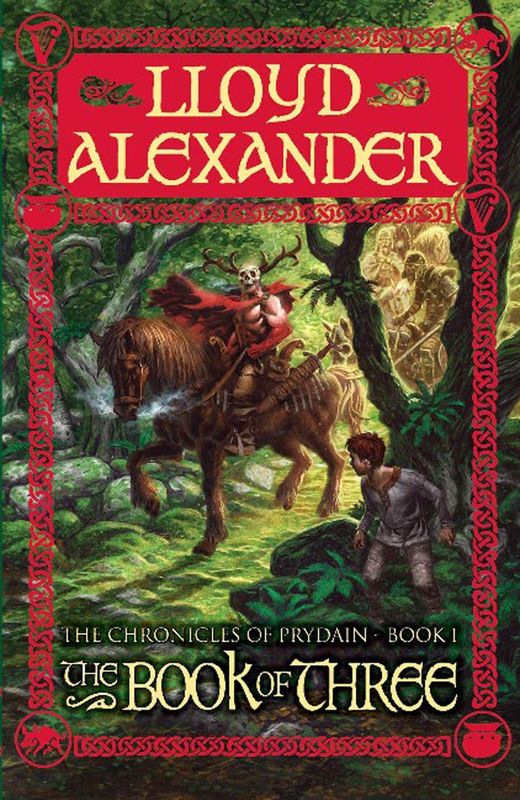
In "The Book of Three," young pig-keeper Taran embarks on a captivating quest to rescue his homeland, Prydain, from the encroaching darkness of an evil warlord. Accompanied by a motley crew of magical allies—including a fearless princess and a wise-cracking pig—Taran discovers his own potential beyond the confines of his humble beginnings. With each challenge, he grapples with themes of bravery, friendship, and destiny, weaving a tale that blurs the lines between heroism and cowardice. As the tension escalates and ancient prophecies unravel, will Taran rise to become the hero he dreams of, or will he falter under the weight of his own insecurities? Dive into this enchanting adventure and uncover the secrets that bind fate and courage in a world where darkness looms ever closer.

The Shadow and Bone Trilogy Book Summary
In the enchanting world of the Shadow and Bone Trilogy, Alina Starkov discovers her hidden powers while navigating a war-torn landscape overshadowed by a terrifying darkness known as the Fold. As she trains under the enigmatic Darkling, her loyalties are tested, revealing secrets that could alter the fate of her nation. With a fierce cast of characters—including loyal friends and formidable foes—Alina embarks on a perilous quest for self-discovery and redemption. Themes of love, betrayal, and the struggle between light and shadow intertwine to create a captivating narrative that keeps readers on the edge of their seats. Can Alina harness her powers to save her world, or will the darkness consume her?

The Lessons of History Book Summary
In "The Lessons of History," Will and Ariel Durant distill the sweeping narrative of human civilization into profound insights that span cultures and epochs. They explore the recurring themes of war, economics, religion, and human nature that shape our collective journey. With razor-sharp clarity, the Durants argue that the past holds invaluable lessons that can guide our present and future decisions. What patterns emerge when we closely examine the ebb and flow of societies? This thought-provoking work invites readers to reflect on the intricacies of humanity's story and consider how we might navigate the path ahead.

Heartland Book Summary
In "Heartland," Sarah Smarsh chronicles her journey growing up in the working-class Wichita, Kansas, where poverty intertwined with the American Dream. With raw honesty and poetic flair, she delves into the complexities of family, identity, and resilience, revealing how the struggles of her upbringing shaped her worldview. This poignant memoir braids personal narrative with social commentary, illuminating the often-overlooked lives of rural Americans. As she navigates the intricate tapestry of love, hardship, and hope, Smarsh challenges readers to reconsider their assumptions about class and success. Prepare to be captivated by a story that is both intimately personal and profoundly universal.

A Brief History of Time Book Summary
In "A Brief History of Time," Stephen Hawking takes readers on a captivating journey through the cosmos, exploring the nature of time, black holes, and the universe's beginnings. With stunning clarity, he unravels complex scientific concepts, inviting everyone—from curious laypersons to seasoned physicists—to ponder the mysteries of existence. Hawking's charismatic storytelling challenges our perceptions of reality and time itself, posing profound questions about the universe's fate. As he merges science with philosophy, the reader is compelled to reflect on their place in a vast, enigmatic cosmos. Prepare to be inspired and awed by a narrative that transcends mere facts, pushing the boundaries of human understanding.

Behind the Cloud Book Summary
In 'Behind the Cloud', Marc Benioff shares the riveting story of Salesforce.com, a company that revolutionized the way businesses think about software and customer relationships. Through personal anecdotes and industry insights, Benioff reveals the daring choices and bold visions that transformed a startup into a multi-billion dollar corporation. He delves into the power of innovation, the importance of culture, and the challenges of rapid growth in the tech world. Packed with lessons from the frontline of the tech revolution, this book offers a glimpse into the future of business and leadership. Curious about how a simple idea can disrupt an entire industry? Dive into the captivating journey of 'Behind the Cloud'!
The Code Breaker Book Summary
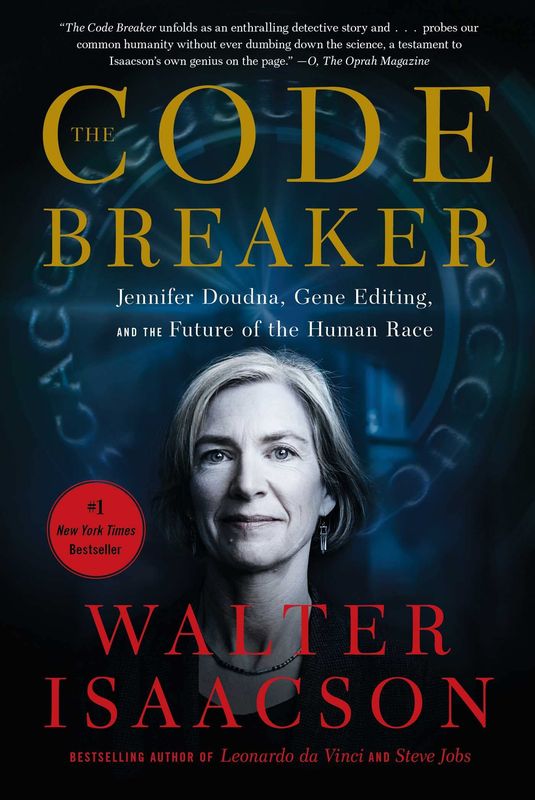
In 'The Code Breaker', Walter Isaacson delves into the captivating world of CRISPR gene-editing technology, following the brilliant mind of Jennifer Doudna. This gripping narrative explores the ethical dilemmas and scientific breakthroughs that come with harnessing the power to edit life itself. As researchers grapple with the implications of their discoveries, readers are invited into a fast-paced journey that intertwines science, ambition, and morality. With vivid stories of personal triumphs and challenges, Isaacson raises profound questions about the future of humanity. Will unlocking the secrets of our DNA lead to a utopia or unforeseen consequences?
Showing 8 of 29 similar books
Take your reading experience to the next level
Download our mobile app to enjoy your favorite books on the go. Get access to exclusive features, offline listening, and personalized recommendations.

Similar Book Recommendations →

Barack Obama's Book Recommendations
Barack Obama is the 44th President of the United States, serving from 2009 to 2017. As the first African American president, Obama’s leadership marked a historic moment in American history. His administration focused on healthcare reform, economic recovery from the Great Recession, and environmental policies. He is best known for the Affordable Care Act, as well as his efforts to expand civil rights and restore diplomatic relations with Cuba. Since leaving office, Obama has continued to engage in public life through his foundation, focusing on leadership development, civic engagement, and global issues.

Jamie Dimon's Book Recommendations
Jamie Dimon is an American business executive, best known as the Chairman and CEO of JPMorgan Chase, one of the largest and most influential financial institutions in the world. Dimon has led JPMorgan through multiple economic crises, including the 2008 financial crash, and has consistently been recognized for his leadership in the banking industry. Under his tenure, JPMorgan has grown into a global financial powerhouse, focusing on innovation and sustainability. Dimon is also an advocate for corporate responsibility and frequently speaks on economic and regulatory issues. His leadership style and strategic insights have earned him widespread respect in the business world.

Edward Norton's Book Recommendations
Edward Norton is an American actor and filmmaker known for his roles in films like Fight Club, American History X, and The Incredible Hulk. Norton is highly regarded for his method acting and ability to portray complex, morally ambiguous characters. He has received multiple Academy Award nominations for his work, and his directorial debut, Motherless Brooklyn, was critically acclaimed. Beyond acting, Norton is a committed environmentalist and social activist, serving on the boards of several organizations focused on sustainability and renewable energy. His blend of talent, activism, and intellectual curiosity has made him a significant figure in both Hollywood and philanthropy.

Bernie Sanders's Book Recommendations
Bernie Sanders is an American politician and U.S. Senator from Vermont, known for his progressive policies and his advocacy for economic equality. Sanders ran for the Democratic presidential nomination in 2016 and 2020, inspiring a movement with his calls for Medicare for All, free college tuition, and a $15 minimum wage. He identifies as a democratic socialist and has been a long-standing advocate for labor rights, environmental justice, and social welfare programs. Sanders’ candidacy energized a new generation of activists and has had a lasting influence on the direction of the Democratic Party. His focus on income inequality and social justice continues to shape political discourse in the U.S.

Frank Chimero's Book Recommendations
Frank Chimero is a renowned designer, illustrator, and author best known for his influential book "The Shape of Design," which explores the philosophy and practice of design. His work emphasizes the intersection of creativity and human experience, earning him a respected place in both the design and literary communities. Chimero has contributed essays and lectures that have inspired a new generation of thinkers in the creative industries. He has also been recognized for his ability to distill complex ideas into accessible, thought-provoking content. Beyond his writing, Chimero's design projects and illustrations have been featured in numerous prestigious publications and exhibitions.
“The failure to grasp the consequences of inaction is often a greater dereliction than the boldest of missteps.”
Dereliction of Duty
By H. R. McMaster
Frequently Asked Questions
Explore Our Catalogue
Discover a world of knowledge through our extensive collection of book summaries.
Genres
Genres
Genres
Featured Collections
- Top Book Club Picks
- One-Stop Nutrition
- Summer Reads 2024
- Best Beach Reads 2024
- Work-Life Balance Guide
- Time Management
- Healthy Foods
- Entrepreneur Toolkit
- Mind & Body Wellness
- Future Tech Insights
- Leadership Essentials
- Financial Freedom
- Sci-Fi Masterpieces
- Parenting 101
- Books That Became Blockbusters
- Guide to a Healthy Pregnancy