Enlightenment Now Book Summary
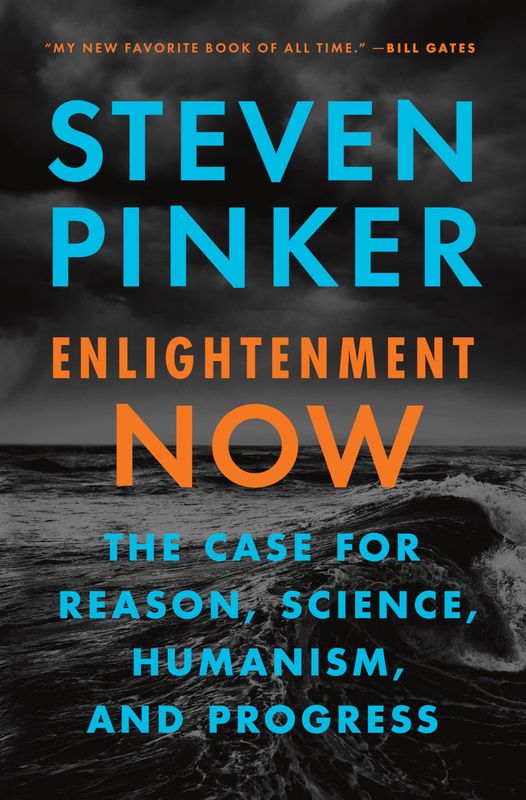
In 'Enlightenment Now,' Steven Pinker argues for the enduring power of reason, science, and humanism in shaping modern society. He presents compelling evidence that, contrary to popular belief, the world is improving in terms of health, wealth, safety, and happiness. With a blend of statistics and philosophical insights, Pinker challenges the pessimistic narratives prevalent today. He advocates for an optimistic view of human progress, suggesting that the principles of the Enlightenment are more relevant than ever. This thought-provoking exploration invites readers to reconsider their understanding of progress and the potential of humanity.
By Steven Pinker
Published: 2018
"The Enlightenment is mankind's emergence from its self-imposed immaturity; it is the courage to use one's own reason."

Start Listening to Book Summary
Book Review of Enlightenment Now
INSTANT NEW YORK TIMES BESTSELLER A NEW YORK TIMES NOTABLE BOOK OF 2018 ONE OF THE ECONOMIST'S BOOKS OF THE YEAR "My new favorite book of all time." --Bill Gates If you think the world is coming to an end, think again: people are living longer, healthier, freer, and happier lives, and while our problems are formidable, the solutions lie in the Enlightenment ideal of using reason and science. By the author of the new book, Rationality. Is the world really falling apart? Is the ideal of progress obsolete? In this elegant assessment of the human condition in the third millennium, cognitive scientist and public intellectual Steven Pinker urges us to step back from the gory headlines and prophecies of doom, which play to our psychological biases. Instead, follow the data: In seventy-five jaw-dropping graphs, Pinker shows that life, health, prosperity, safety, peace, knowledge, and happiness are on the rise, not just in the West, but worldwide. This progress is not the result of some cosmic force. It is a gift of the Enlightenment: the conviction that reason and science can enhance human flourishing. Far from being a naïve hope, the Enlightenment, we now know, has worked. But more than ever, it needs a vigorous defense. The Enlightenment project swims against currents of human nature--tribalism, authoritarianism, demonization, magical thinking--which demagogues are all too willing to exploit. Many commentators, committed to political, religious, or romantic ideologies, fight a rearguard action against it. The result is a corrosive fatalism and a willingness to wreck the precious institutions of liberal democracy and global cooperation. With intellectual depth and literary flair, Enlightenment Now makes the case for reason, science, and humanism: the ideals we need to confront our problems and continue our progress.
Book Overview of Enlightenment Now
About the Book Author
Steven Pinker
Steven Pinker is a renowned cognitive psychologist, linguist, and popular science author, known for his engaging writing style that combines empirical research with clear, accessible language. He is the Johnstone Family Professor of Psychology at Harvard University. Pinker has authored several influential books, including 'The Language Instinct', 'How the Mind Works', 'The Blank Slate', 'The Better Angels of Our Nature', and 'Enlightenment Now'. His works often explore the intersections of language, mind, and human nature, championing reason and scientific understanding as the path to progress.
Book Details
Key information about the book.
- Authors
- Steven Pinker
- Published
- February 2018
- Publisher
- Penguin
- ISBN
- 0525427570
- Language
- English
- Pages
- 578
- Genres
- Philosophy of MindPhilosophyPositive ThinkingSocial CommentaryNon-Fiction
Purchase Options
 Buy on Amazon
 Buy via BookShop
Support local bookstores: BookShop gives a portion of each sale to independent bookshops!
Similar books you might like →
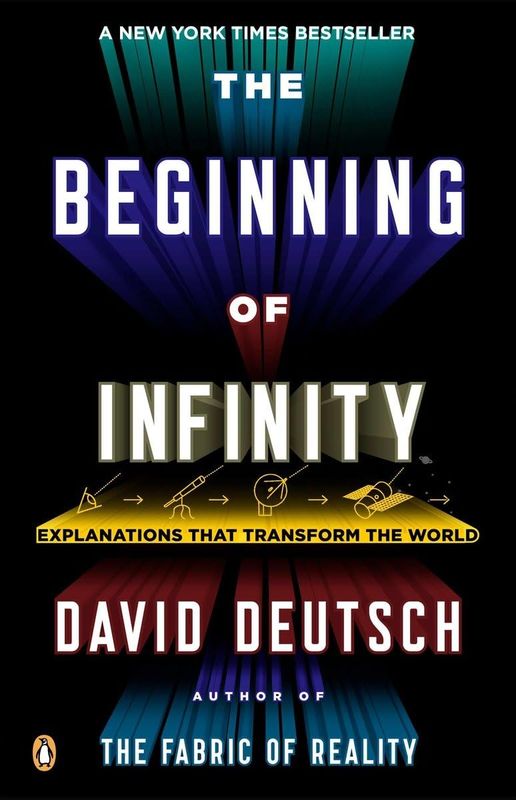
The Beginning of Infinity Book Summary
In 'The Beginning of Infinity', David Deutsch challenges our understanding of knowledge and the universe, proposing that all problems are solvable with the right approach. He delves into the philosophy of science, technology, and human progress, suggesting that the pursuit of knowledge is a never-ending journey. Deutsch argues that explanations, rather than mere observations, are the key to comprehending reality. With provocative insights, he explores the implications of infinite possibilities and the potential of human creativity. This thought-provoking read ignites curiosity about the boundless nature of discovery and the future of humanity.
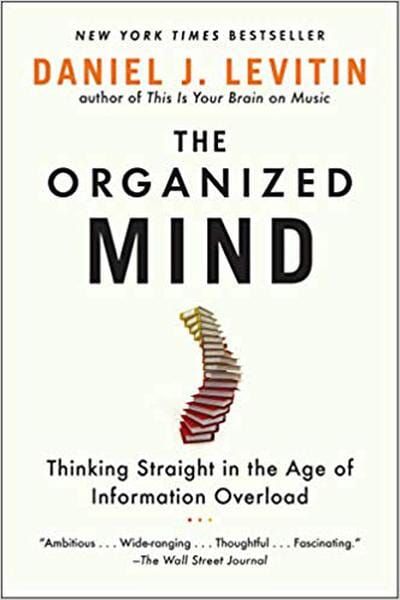
The Organized Mind Book Summary
In 'The Organized Mind,' Daniel J. Levitin delves into the neuroscience behind how we think, remember, and organize information in an increasingly chaotic world. He reveals strategies for managing our mental workload and enhancing productivity, making the case that our brains, while powerful, are not equipped for the modern information overload. Discover the science of attention and decision-making, as Levitin shares insights on structuring our environments to help us thrive. This book is not just a guide for organization; it’s a fascinating exploration of how our minds work. What secrets of cognitive functioning could transform your daily life?
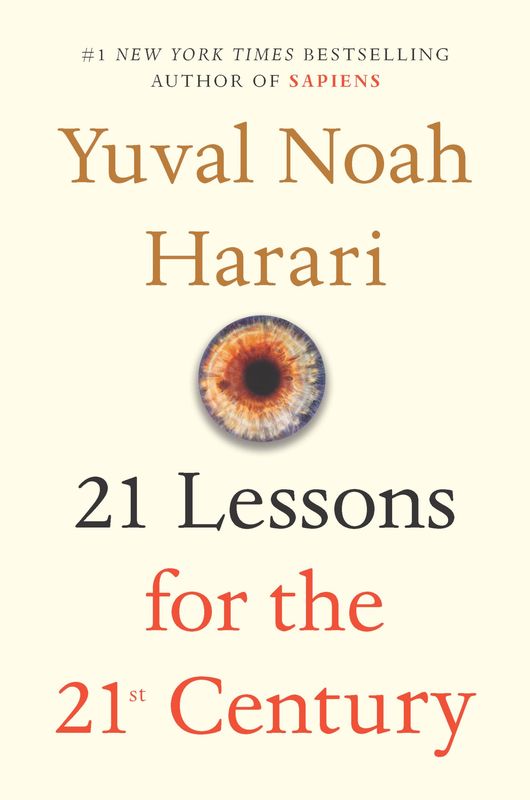
21 Lessons for the 21st Century Book Summary
In '21 Lessons for the 21st Century', Yuval Noah Harari navigates the complex landscape of today's world, tackling urgent questions about our future. From the impact of technology on society to the challenges of political stability, each lesson provokes thought and introspection. Harari explores key themes such as the rise of artificial intelligence, the significance of data, and the importance of meaning in an increasingly uncertain world. With a blend of history, philosophy, and science, the book invites readers to reflect on their roles in shaping a shared future. Will we adapt, or become obsolete? Dive in to uncover the lessons that could redefine humanity's path.
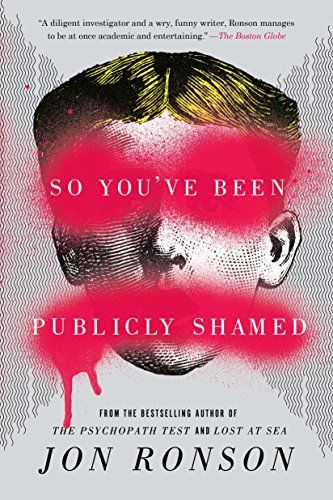
So You've Been Publicly Shamed Book Summary
In 'So You've Been Publicly Shamed,' Jon Ronson explores the unsettling phenomenon of public shaming in the age of social media. Through compelling stories of individuals who have experienced viral outrage, he sheds light on the mob mentality that can arise online. Ronson delves into the personal impacts of these shaming events, revealing how they can lead to profound consequences for those involved. As he examines the morality and psychology behind this modern form of punishment, readers are prompted to question the boundaries of accountability and justice. Can society find a way to hold individuals accountable without resorting to humiliation?
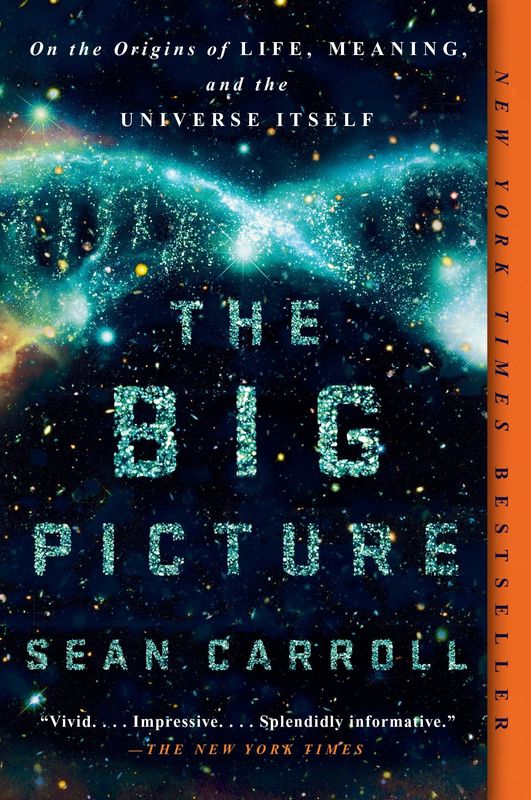
The Big Picture Book Summary
In 'The Big Picture', physicist Sean Carroll invites readers to explore the fascinating intersections of science, philosophy, and the meaning of life. He delves into the fundamental nature of reality, presenting complex concepts in a captivating and accessible manner. With a blend of narratives and profound insights, Carroll challenges us to consider our place in the universe. As he unravels the mysteries of existence, readers are urged to reflect on the implications of science for understanding consciousness and our everyday experiences. This thought-provoking journey leaves us questioning: what does it truly mean to be human in a cosmos governed by natural laws?
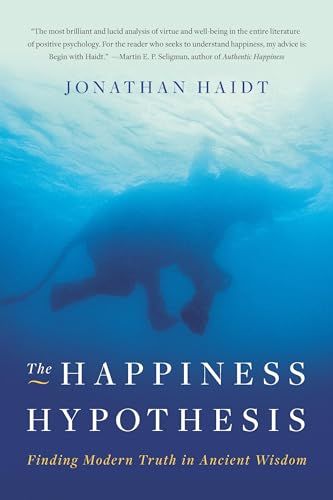
The Happiness Hypothesis Book Summary
In 'The Happiness Hypothesis', Jonathan Haidt delves into the ancient wisdom of happiness, exploring how age-old philosophies intersect with modern psychology. He presents a compelling argument that our well-being can be influenced by both our external circumstances and internal beliefs. By examining ten great ideas from various cultures, Haidt reveals surprising insights about love, morality, and the meaning of life. This engaging blend of science and philosophy challenges readers to rethink what truly brings happiness. Are we mere puppets of our circumstances, or can we take charge of our own joy?
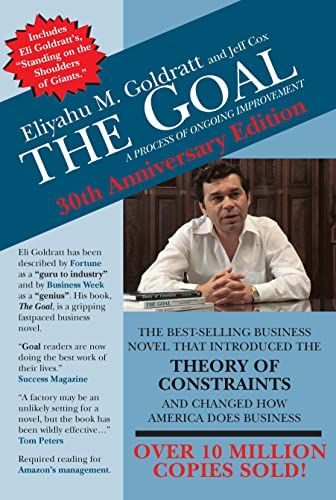
The Goal Book Summary
In 'The Goal', a struggling manufacturing plant manager, Alex Rogo, faces the imminent threat of his factory's closure. Tasked with saving his plant, he embarks on an enlightening journey that reveals the crucial importance of identifying and addressing bottlenecks. With the help of a mysterious mentor, Alex discovers a revolutionary theory of constraints that transforms not only his factory but his life. As he grapples with personal and professional dilemmas, readers are drawn into a compelling narrative that challenges conventional business wisdom. Can Alex turn his struggling factory into a successful operation, or will he succumb to the pressures of the corporate world?
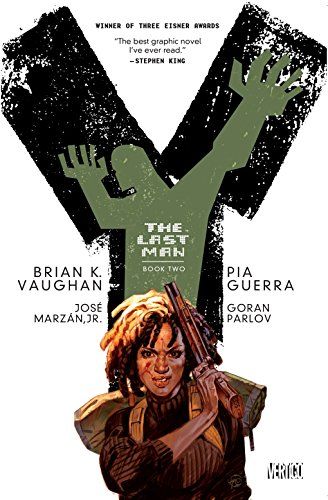
The Christian Problem Book Summary
In 'The Christian Problem,' Stuart E. Rosenberg confronts the perplexing challenges that faith faces in the modern world. He unpacks the historical tensions and moral dilemmas that have shaped Christianity's evolution over the centuries. With a blend of deep philosophical inquiry and personal reflection, Rosenberg invites readers to explore the often uncomfortable truths of belief and doubt. This thought-provoking work asks whether traditional doctrines can withstand the contemporary scrutiny of ethics and reason. Readers will emerge questioning the very foundations of their faith and the future of Christianity itself.
Showing 8 of 27 similar books
Take your reading experience to the next level
Download our mobile app to enjoy your favorite books on the go. Get access to exclusive features, offline listening, and personalized recommendations.

Similar Book Recommendations →

Alexandria Ocasio-Cortez's Book Recommendations
Alexandria Ocasio-Cortez, also known as AOC, is a U.S. Congresswoman representing New York's 14th district. She gained national attention after winning her seat in 2018 at the age of 29, making her one of the youngest women ever elected to Congress. Ocasio-Cortez is known for her progressive policies, advocating for issues such as Medicare for All, climate change action, and economic justice. She has become a prominent figure within the Democratic Party and uses social media to engage with constituents and the public. Her rise from grassroots activism to Congress has inspired many young people to get involved in politics.

Yuval Noah Harari's Book Recommendations
Yuval Noah Harari is an Israeli historian and professor at the Hebrew University of Jerusalem, renowned for his best-selling books on the history and future of humankind. His 2014 book, "Sapiens: A Brief History of Humankind," has been translated into over 60 languages and examines the evolution of Homo sapiens from the Stone Age to the present. Harari's subsequent works, "Homo Deus: A Brief History of Tomorrow" and "21 Lessons for the 21st Century," explore future scenarios and contemporary global challenges. His writings blend history, science, and philosophy, making complex ideas accessible to a broad audience. Harari is also a sought-after speaker, sharing his insights on platforms like TED and the World Economic Forum.
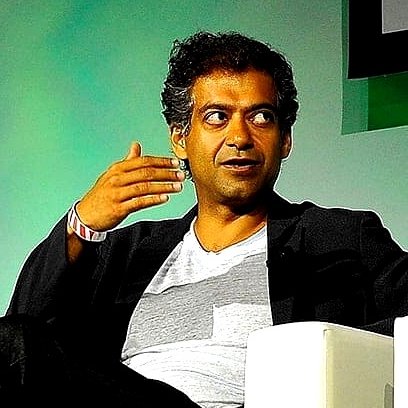
Naval Ravikant's Book Recommendations
Naval Ravikant is an entrepreneur, angel investor, and philosopher, best known as the co-founder of AngelList, a platform that connects startups with investors. Ravikant is a prolific thinker and writer on topics such as startups, investing, and personal well-being, sharing his wisdom through essays, podcasts, and social media. He has invested in over 100 companies, including Uber, Twitter, and Yammer, making him one of Silicon Valley’s most successful angel investors. Ravikant is also known for his philosophical musings on wealth, happiness, and the meaning of life, which have garnered him a large and dedicated following.

Abi Tyas Tunggal's Book Recommendations
Abi Tyas Tunggal is a distinguished author known for his impactful contributions to contemporary literature and digital content. He has garnered acclaim for his insightful storytelling and adept handling of complex themes, resonating with a diverse readership. Tunggal's work often explores the intersections of technology, society, and human experience, making him a prominent voice in modern narrative arts. Beyond his literary achievements, he is also recognized for his innovative use of digital platforms to engage with and expand his audience. Tunggal continues to influence the literary landscape with his thought-provoking and accessible writing.

Joe Rogan's Book Recommendations
Joe Rogan is a multifaceted American entertainer known primarily for his work as a comedian, podcast host, and commentator. He gained widespread recognition through his immensely popular podcast, "The Joe Rogan Experience," which has featured in-depth conversations with a diverse array of guests, including scientists, celebrities, and politicians. Though not primarily known for literature, Rogan has contributed to the field with his thought-provoking discussions that often explore philosophical and intellectual ideas. Additionally, he has authored the book "Mastering the Rubber Guard," which delves into Brazilian Jiu-Jitsu techniques, showcasing his expertise in martial arts. Rogan's influence extends beyond traditional media, impacting contemporary discourse through his unique blend of humor, curiosity, and critical thinking.

Barack Obama's Book Recommendations
Barack Obama is the 44th President of the United States, serving from 2009 to 2017. As the first African American president, Obama’s leadership marked a historic moment in American history. His administration focused on healthcare reform, economic recovery from the Great Recession, and environmental policies. He is best known for the Affordable Care Act, as well as his efforts to expand civil rights and restore diplomatic relations with Cuba. Since leaving office, Obama has continued to engage in public life through his foundation, focusing on leadership development, civic engagement, and global issues.

Jon Stewart's Book Recommendations
Jon Stewart is an American comedian, writer, and former host of The Daily Show, where he gained fame for his satirical take on news and politics. Stewart transformed The Daily Show into a critical voice in American media, blending humor with hard-hitting commentary on political and social issues. After stepping down from the show, Stewart has continued to advocate for causes like 9/11 first responders and veterans' rights. He is also a filmmaker, directing the political satire film Irresistible. Stewart remains a significant figure in American culture, known for his wit, activism, and influence on political discourse.

Jocko Willink's Book Recommendations
Jocko Willink is a retired Navy SEAL officer, renowned for his leadership during the Battle of Ramadi in the Iraq War, which earned him the Silver Star and Bronze Star. Transitioning from military service, he co-authored the best-selling book "Extreme Ownership: How U.S. Navy SEALs Lead and Win" with fellow SEAL Leif Babin, which has become a cornerstone in leadership and management literature. Willink has also written the "Way of the Warrior Kid" series, aimed at empowering young readers with principles of discipline and resilience. Additionally, he hosts the popular "Jocko Podcast," where he discusses leadership, discipline, and personal development. Willink's influence extends beyond literature through his Echelon Front leadership consultancy, helping organizations implement effective leadership strategies.
Showing 8 of 18 related collections
“The Enlightenment is mankind's emergence from its self-imposed immaturity; it is the courage to use one's own reason.”
Enlightenment Now
By Steven Pinker
Frequently Asked Questions
Explore Our Catalogue
Discover a world of knowledge through our extensive collection of book summaries.
Genres
Genres
Genres
Featured Collections
- Top Book Club Picks
- One-Stop Nutrition
- Summer Reads 2024
- Best Beach Reads 2024
- Work-Life Balance Guide
- Time Management
- Healthy Foods
- Entrepreneur Toolkit
- Mind & Body Wellness
- Future Tech Insights
- Leadership Essentials
- Financial Freedom
- Sci-Fi Masterpieces
- Parenting 101
- Books That Became Blockbusters
- Guide to a Healthy Pregnancy