Escape from Freedom Book Summary
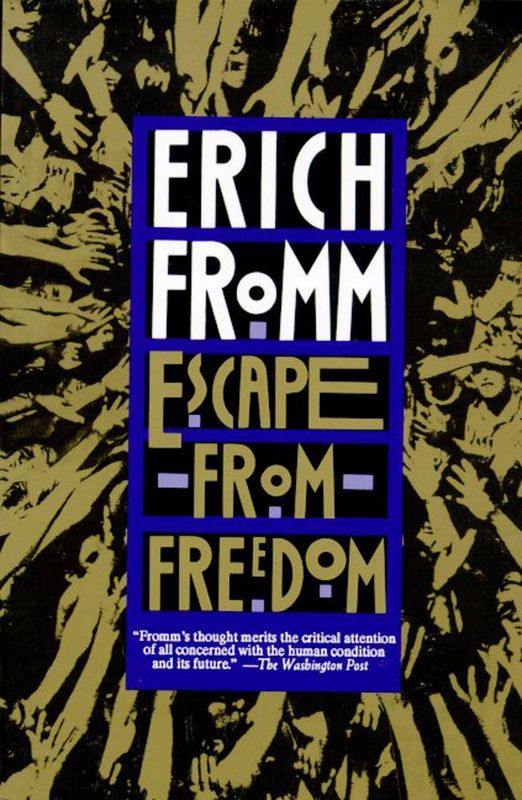
In 'Escape from Freedom', Erich Fromm explores the paradox of freedom and its often overwhelming nature. He argues that while people crave independence, they also seek to escape from the burdens it brings, leading to conformity and authoritarianism. Through psychological and historical analysis, Fromm reveals how the quest for security can undermine true freedom. This thought-provoking work prompts readers to examine their own relationships with freedom and societal structures. Are we truly free, or are we simply fleeing from the responsibility that freedom demands?
By Erich Fromm
Published: 1994
"Freedom is not merely the absence of constraints; it is the ability to choose one's own path in the world, to engage with others, and to realize one's true self."

Start Listening to Book Summary
Book Review of Escape from Freedom
Originally published: New York: Farrar & Reinhart, 1941.
Book Overview of Escape from Freedom
About the Book Author
Erich Fromm
Erich Fromm (1900-1980) was a prominent German-American social psychologist, psychoanalyst, and humanistic philosopher. Best known for his works on the intersection of psychology and philosophy, Fromm's ideas delved into the nature of love, freedom, and the complexities of human existence. Notable works include 'The Art of Loving', 'Escape from Freedom', and 'The Sane Society', where he combines insights from psychoanalysis, sociology, and Marxism to explore themes of individualism and societal pressures. His writing style is characterized by its accessibility and depth, combining rigorous intellectual argumentation with a compassionate understanding of human nature.
Book Details
Key information about the book.
- Authors
- Erich Fromm
- Published
- January 1994
- Publisher
- Macmillan
- ISBN
- 0805031499
- Language
- English
- Pages
- 324
- Genres
- Psychology of EmotionsPhilosophyExistentialismPsychology
Purchase Options
 Buy on Amazon
 Buy via BookShop
Support local bookstores: BookShop gives a portion of each sale to independent bookshops!
Similar books you might like →
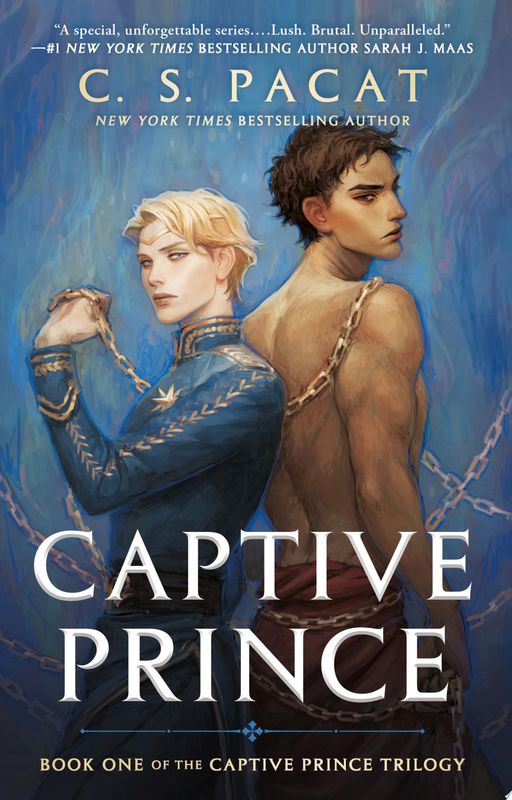
Captive Prince Book Summary
In "Captive Prince," the captivating tale of power and betrayal unfolds as Laurent, the cunning prince of Vereck, must navigate the treacherous politics of his enemy's court. When Damen, the exiled warrior prince of Akielos, becomes a slave to Laurent, forced into a world of subterfuge and intrigue, unexpected alliances begin to form. As the two grapple with their conflicting loyalties and simmering desires, they are drawn into a dangerous game that could alter the fate of their kingdoms. The tension escalates with each page, revealing secrets that could shatter their lives and reshape their loyalties. Will love conquer all, or will the weight of a fractured legacy seal their doom?
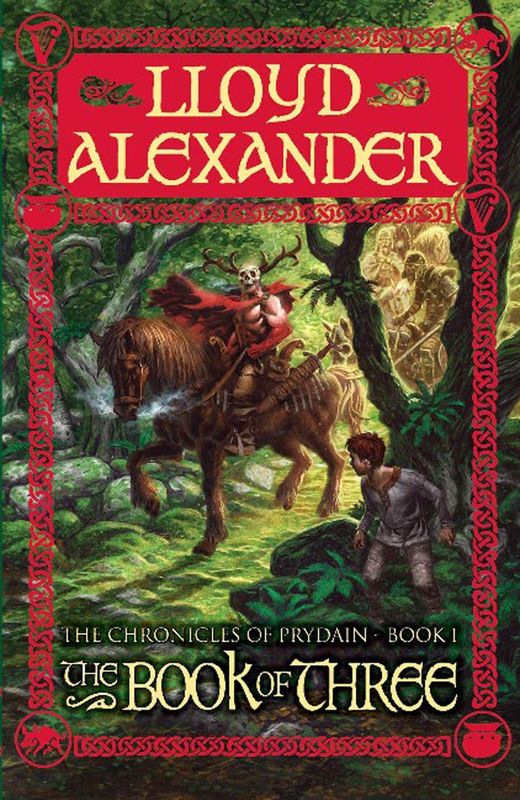
The Book of Three Book Summary
In "The Book of Three," young pig-keeper Taran embarks on a captivating quest to rescue his homeland, Prydain, from the encroaching darkness of an evil warlord. Accompanied by a motley crew of magical allies—including a fearless princess and a wise-cracking pig—Taran discovers his own potential beyond the confines of his humble beginnings. With each challenge, he grapples with themes of bravery, friendship, and destiny, weaving a tale that blurs the lines between heroism and cowardice. As the tension escalates and ancient prophecies unravel, will Taran rise to become the hero he dreams of, or will he falter under the weight of his own insecurities? Dive into this enchanting adventure and uncover the secrets that bind fate and courage in a world where darkness looms ever closer.
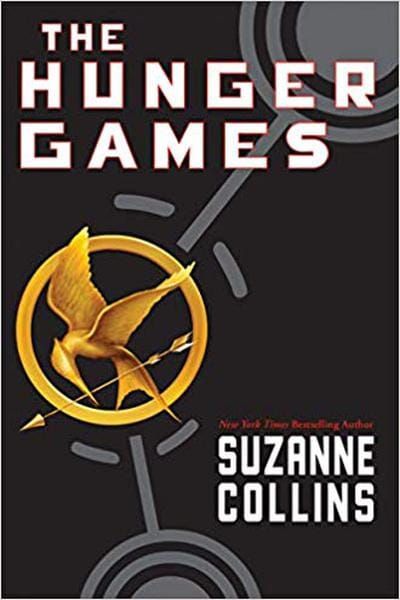
The Hunger Games Book Summary
In a dystopian future, Katniss Everdeen volunteers to take her sister's place in a brutal televised competition known as the Hunger Games, where only one victor can survive. As she navigates the treacherous arena filled with deadly foes and oppressive government forces, her resourcefulness and instincts are put to the ultimate test. Alliances form, betrayals loom, and the line between survival and morality blurs in the fight for freedom. With each turn of the page, readers are drawn deeper into a gripping tale of courage, sacrifice, and the quest for justice. Will Katniss's defiance spark a revolution, or will she become another pawn in a deadly game?
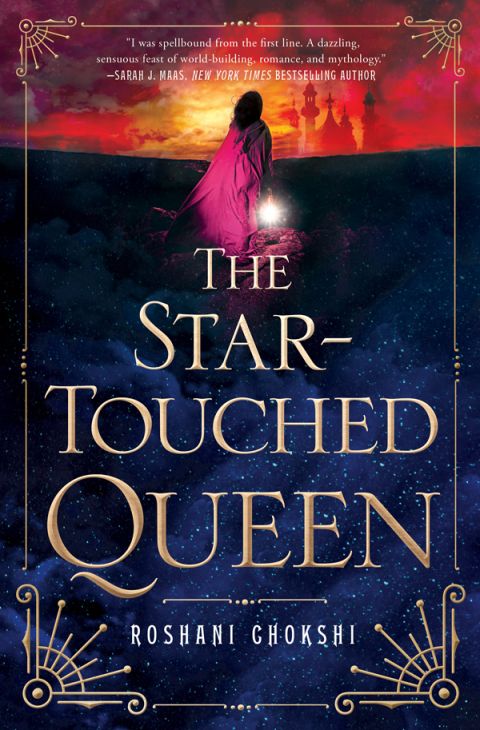
The Star-Touched Queen Book Summary
In "The Star-Touched Queen," Maya, a girl cursed with a deadly horoscope, finds herself trapped in a tumultuous fate. Drawn into a world of magic and intrigue, she becomes the bride of a mysterious ruler, only to uncover astonishing secrets about her past and the kingdom. Haunted by visions and the whispers of an ancient prophecy, Maya must navigate a web of love, betrayal, and destiny. As celestial events unfold, her choices could either save or doom her world. Will she embrace her true power and rewrite her stars, or will darkness consume her?
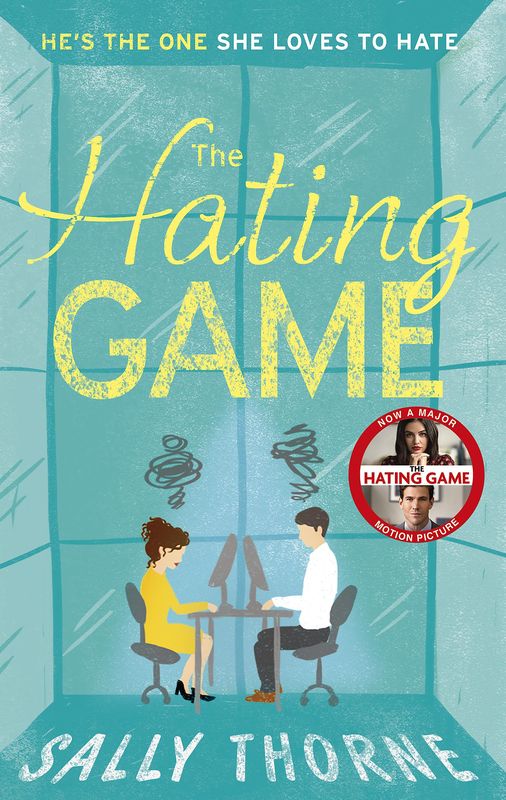
The Hating Game Book Summary
In "The Hating Game," the tension between Lucy and her office rival, Joshua, escalates from playful banter to a full-blown game of love and hate. As they compete for a coveted promotion, their daily encounters become a mix of sharp-witted exchanges and unexpected chemistry. Lucy's determination to win is tested when she starts to question her feelings for Joshua, revealing a layered rivalry beneath their seemingly antagonistic relationship. The line between love and hate blurs, leading to a thrilling conclusion that will leave readers guessing. Can a game of hate turn into an exhilarating romance?
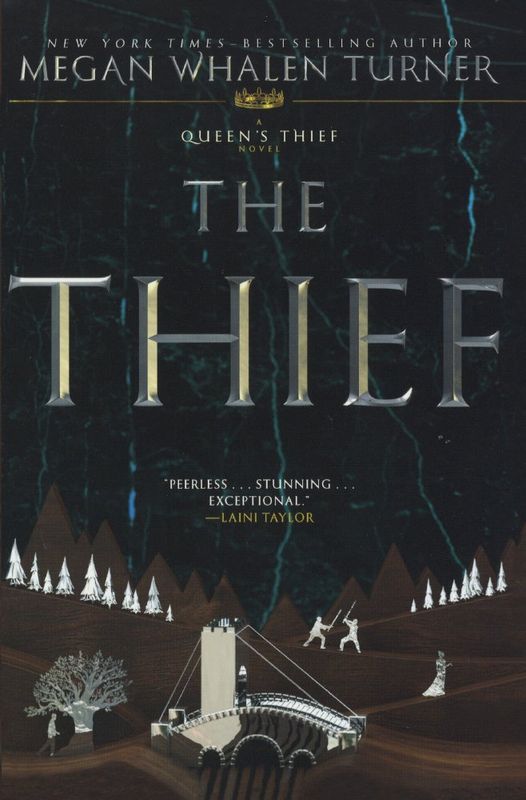
The Thief Book Summary
For use in schools and libraries only. Gen is plucked from the king's prison by the king's magus who wants his assistance in stealing an ancient treasure.
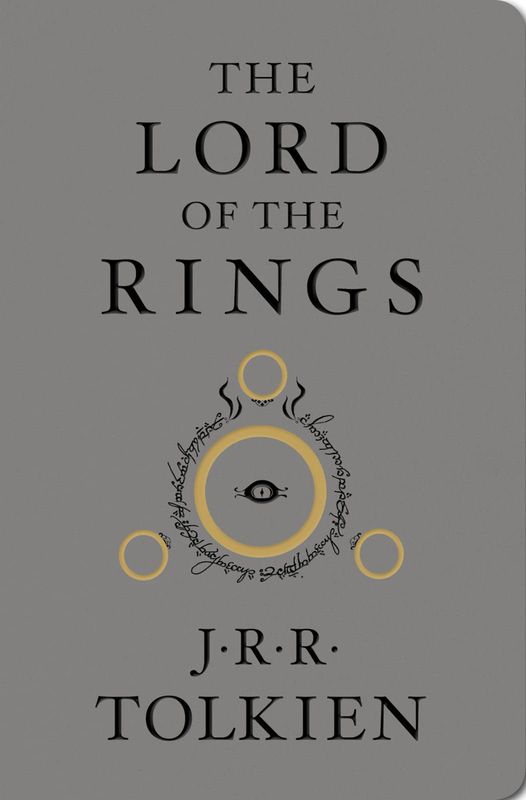
The Lord of the Rings Book Summary
In J.R.R. Tolkien's epic saga, "The Lord of the Rings," an unsuspecting hobbit named Frodo Baggins embarks on a perilous quest to destroy a powerful ring that could plunge Middle-earth into darkness. As he journeys through treacherous lands and faces formidable foes, he is joined by a diverse fellowship of allies, each with their own secrets and strengths. Betrayals and sacrifices abound, testing their bonds and resolve as the shadow of evil looms ever closer. With breathtaking landscapes and profound themes of friendship, courage, and the struggle between good and evil, Tolkien crafts a rich tapestry that captivates the imagination. Will Frodo and his companions triumph against the dark forces, or will the allure of the ring claim them all?
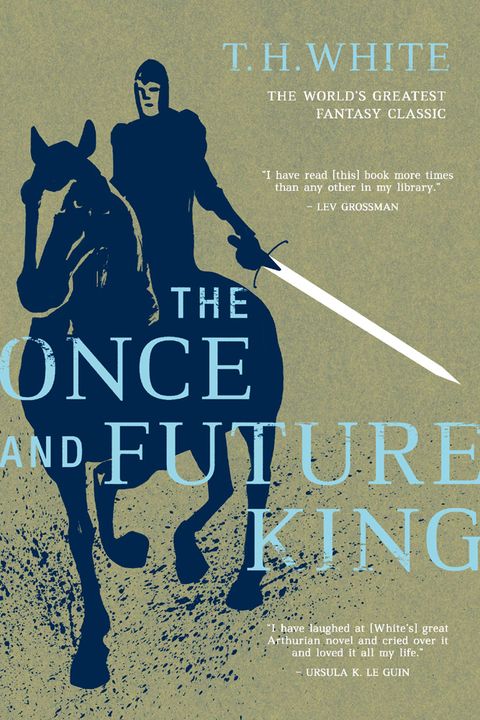
The Once and Future King Book Summary
In "The Once and Future King," T.H. White weaves a spellbinding tale of King Arthur's rise to power, blending whimsy with profound philosophical insights. Through the eyes of a young Wart, we explore themes of justice, fate, and the complexities of human nature as he undergoes transformative adventures alongside memorable characters like Merlin and Guinevere. The story unfolds uniquely, from whimsical encounters with anthropomorphic animals to epic battles that challenge the very notion of chivalry. As Arthur's idealism clashes with the harsh realities of his kingdom, readers are left questioning the true meaning of leadership and legacy. Immerse yourself in this enchanting retelling of Arthurian legend, where every turn reveals deeper truths about courage, sacrifice, and the hope of a world reborn.
Showing 8 of 20 similar books
Take your reading experience to the next level
Download our mobile app to enjoy your favorite books on the go. Get access to exclusive features, offline listening, and personalized recommendations.

Similar Book Recommendations →
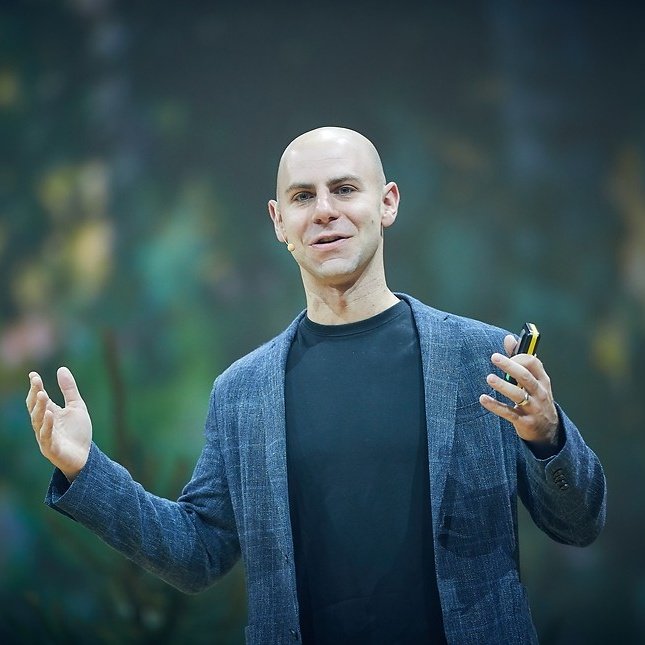
Adam Grant's Book Recommendations
Adam Grant is a renowned organizational psychologist and bestselling author, celebrated for his influential work on motivation and workplace dynamics. He is a professor at the Wharton School of the University of Pennsylvania, where he has been the youngest tenured professor and earned numerous teaching awards. Grant's books, including "Give and Take," "Originals," and "Think Again," have been translated into multiple languages and have topped bestseller lists worldwide. His research and insights are frequently featured in major media outlets, and he hosts the popular podcast "WorkLife." Through his writing and speaking, Grant has profoundly impacted the fields of psychology, business, and education.

Barack Obama's Book Recommendations
Barack Obama is the 44th President of the United States, serving from 2009 to 2017. As the first African American president, Obama’s leadership marked a historic moment in American history. His administration focused on healthcare reform, economic recovery from the Great Recession, and environmental policies. He is best known for the Affordable Care Act, as well as his efforts to expand civil rights and restore diplomatic relations with Cuba. Since leaving office, Obama has continued to engage in public life through his foundation, focusing on leadership development, civic engagement, and global issues.

Mark Manson's Book Recommendations
Mark Manson is a best-selling author and personal development expert known for his candid and no-nonsense approach to self-help. His most notable work, "The Subtle Art of Not Giving a F*ck," has sold millions of copies worldwide and has been translated into numerous languages, resonating with readers for its practical advice and irreverent tone. Manson followed up with another successful book, "Everything Is F*cked: A Book About Hope," which further cemented his reputation as a thought leader in modern existentialism. In addition to his books, he runs a popular blog that delves into topics ranging from happiness to personal growth. His work has not only transformed the self-help genre but also influenced a global audience seeking authentic and actionable guidance.

Brendon Burchard's Book Recommendations
Brendon Burchard is a high-performance coach, motivational speaker, and bestselling author, best known for his books High Performance Habits and The Motivation Manifesto. He helps individuals and organizations achieve peak performance through strategies focused on clarity, energy, and productivity. Brendon’s work emphasizes the importance of personal growth and developing habits that lead to sustained success. He has coached Fortune 500 CEOs, Olympians, and other high-achieving individuals. Brendon is also the founder of the High Performance Academy, where he trains people to lead more impactful and successful lives.
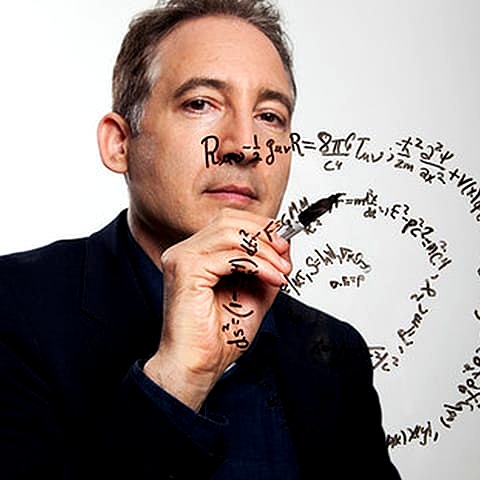
Brian Greene's Book Recommendations
Brian Greene is an American theoretical physicist and author, best known for his work on string theory and popularizing science through his books and media appearances. Greene’s books, including The Elegant Universe and The Fabric of the Cosmos, have helped bring complex concepts in physics to a general audience. He is also the co-founder of the World Science Festival, which promotes public engagement with scientific topics. Greene’s research and ability to communicate scientific ideas have made him one of the most influential figures in theoretical physics. His work continues to inspire curiosity about the universe and our understanding of it.

David Heinemeier Hansson's Book Recommendations
David Heinemeier Hansson, also known as DHH, is a Danish programmer, entrepreneur, and author, best known as the creator of Ruby on Rails, a popular web application framework. Heinemeier Hansson is also a partner at Basecamp, a project management and collaboration software company he co-founded. His contributions to software development have earned him widespread recognition, with Ruby on Rails being used by thousands of developers and companies worldwide. Heinemeier Hansson is also a vocal advocate for remote work, simplicity in business, and sustainable work practices, ideas he explores in his bestselling books Rework and It Doesn’t Have to Be Crazy at Work. In addition to his work in tech, he is an accomplished race car driver, having competed in the 24 Hours of Le Mans. Heinemeier Hansson’s approach to work-life balance and entrepreneurship has made him a thought leader in the tech community, where he continues to challenge traditional business practices and advocate for more human-centered approaches to work

Whitney Cummings's Book Recommendations
Whitney Cummings is an accomplished comedian, actress, and writer, best known for her sharp wit and incisive humor. She co-created and co-wrote the hit TV series "2 Broke Girls," which enjoyed a successful six-season run. Cummings has also authored the critically acclaimed book "I'm Fine...And Other Lies," a candid memoir that delves into her personal struggles and triumphs. Her work often explores themes of relationships, self-awareness, and mental health, resonating with a wide audience. Additionally, she has made significant contributions to stand-up comedy, with several popular specials showcasing her unique comedic voice.

Jocko Willink's Book Recommendations
Jocko Willink is a retired Navy SEAL officer, renowned for his leadership during the Battle of Ramadi in the Iraq War, which earned him the Silver Star and Bronze Star. Transitioning from military service, he co-authored the best-selling book "Extreme Ownership: How U.S. Navy SEALs Lead and Win" with fellow SEAL Leif Babin, which has become a cornerstone in leadership and management literature. Willink has also written the "Way of the Warrior Kid" series, aimed at empowering young readers with principles of discipline and resilience. Additionally, he hosts the popular "Jocko Podcast," where he discusses leadership, discipline, and personal development. Willink's influence extends beyond literature through his Echelon Front leadership consultancy, helping organizations implement effective leadership strategies.
Showing 8 of 20 related collections
“Freedom is not merely the absence of constraints; it is the ability to choose one's own path in the world, to engage with others, and to realize one's true self.”
Escape from Freedom
By Erich Fromm
Frequently Asked Questions
Explore Our Catalogue
Discover a world of knowledge through our extensive collection of book summaries.
Genres
Genres
Genres
Featured Collections
- Top Book Club Picks
- One-Stop Nutrition
- Summer Reads 2024
- Best Beach Reads 2024
- Work-Life Balance Guide
- Time Management
- Healthy Foods
- Entrepreneur Toolkit
- Mind & Body Wellness
- Future Tech Insights
- Leadership Essentials
- Financial Freedom
- Sci-Fi Masterpieces
- Parenting 101
- Books That Became Blockbusters
- Guide to a Healthy Pregnancy