Heart of Darkness Book Summary
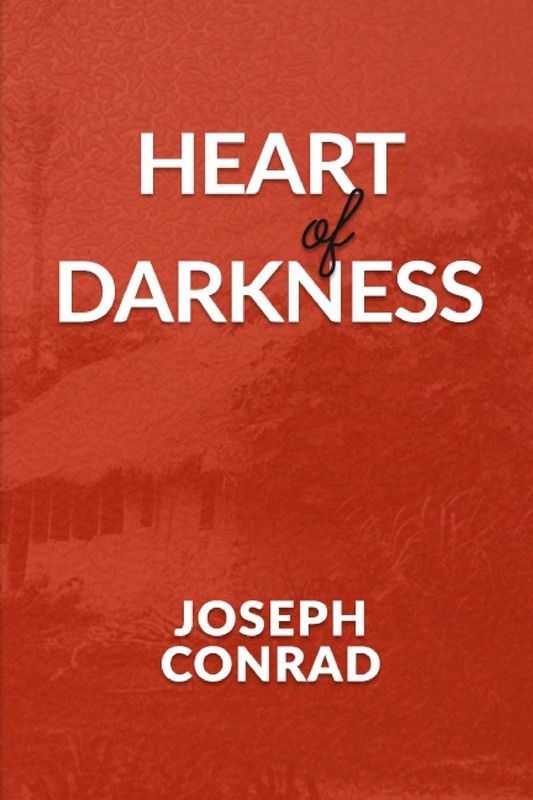
In 'Heart of Darkness', Joseph Conrad takes readers on a haunting journey into the depths of the African Congo, revealing the stark contrast between civilization and savagery. The story follows Charlie Marlow, a sailor who becomes obsessed with the enigmatic figure of Kurtz, an ivory trader who has lost himself in the wilderness. As Marlow travels deeper into the jungle, he confronts not only the brutal realities of colonial exploitation but also the darkness within the human soul. The narrative is a powerful exploration of imperialism, morality, and the thin veneer of civilization. What will Marlow discover when he finally meets the fabled Kurtz, and how will it change his understanding of humanity?
By Joseph Conrad
Published: 2014
"The horror! The horror!"

Start Listening to Book Summary
Book Review of Heart of Darkness
Heart of Darkness (1899) is a short novel by Polish novelist Joseph Conrad, written as a frame narrative, about Charles Marlow's experience as an ivory transporter down the Congo River in Central Africa. The river is "a mighty big river, that you could see on the map, resembling an immense snake uncoiled, with its head in the sea, its body at rest curving afar over a vast country, and its tail lost in the depths of the land". In the course of his travel in central Africa, Marlow becomes obsessed with Mr. Kurtz.The story is a complex exploration of the attitudes people hold on what constitutes a barbarian versus a civilized society and the attitudes on colonialism and racism that were part and parcel of European imperialism. Originally published as a three-part serial story, in Blackwood's Magazine, the novella Heart of Darkness has been variously published and translated into many languages. In 1998, the Modern Library ranked Heart of Darkness as the sixty-seventh of the hundred best novels in English of the twentieth century.
Book Overview of Heart of Darkness
About the Book Author
Joseph Conrad
Joseph Conrad (1857-1924) was a Polish-born British author renowned for his complex narratives and deep psychological insight. His notable works include 'Heart of Darkness', 'Lord Jim', and 'Nostromo', each reflecting his fascination with imperialism, moral ambiguity, and human nature. Conrad's writing style is characterized by rich prose, intricate character development, and an innovative narrative structure, often employing unreliable narrators and exploring the darkness within the human soul. His experiences as a sailor greatly influenced his literature, making him a key figure in modernist literature.
Book Details
Key information about the book.
- Authors
- Joseph Conrad
- Published
- November 2014
- Publisher
- Createspace Independent Publishing Platform
- ISBN
- 1503275922
- Language
- English
- Pages
- N/A
- Genres
- Historical FictionModern LiteratureAdventure FictionLiterature
Purchase Options
 Buy on Amazon
 Buy via BookShop
Support local bookstores: BookShop gives a portion of each sale to independent bookshops!
Similar books you might like →
Titan Book Summary
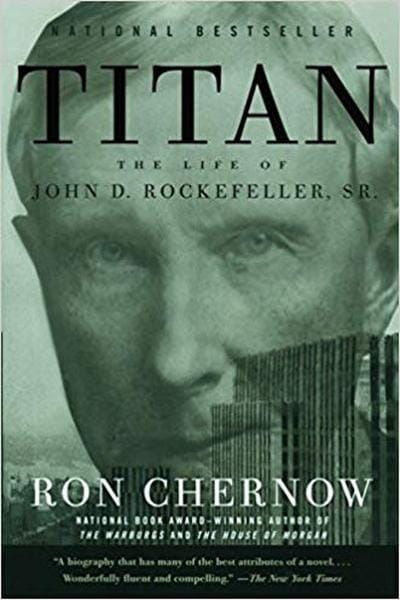
In 'Titan', Ron Chernow masterfully chronicles the life of John D. Rockefeller, America’s first billionaire and the enigmatic titan of the oil industry. Delve into the complexities of a man whose business acumen built an empire, yet whose practices ignited a fierce debate about capitalism and ethics. Chernow weaves an intricate tale of ambition, power, and the transformative impact of wealth on society. As readers navigate Rockefeller's rise and fall, they are left questioning the true cost of success. This gripping biography promises not just facts, but an introspective look into the heart of American enterprise.
The Bitcoin Standard Book Summary
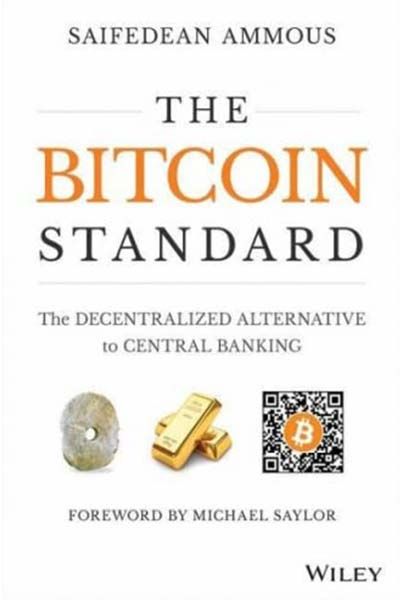
In 'The Bitcoin Standard', Saifedean Ammous explores the revolutionary concept of Bitcoin and how it serves as a new form of sound money. He delves into the historical context of money, tracing its evolution through various forms, from barter to fiat currencies. The book challenges conventional financial wisdom and posits that Bitcoin could reshape the global economy. Ammous argues that the adoption of Bitcoin represents not just a technological shift but a cultural one, emphasizing individual sovereignty and freedom. This thought-provoking read leaves readers questioning the future of money and the implications of a decentralized financial system.
Fahrenheit 451 Book Summary
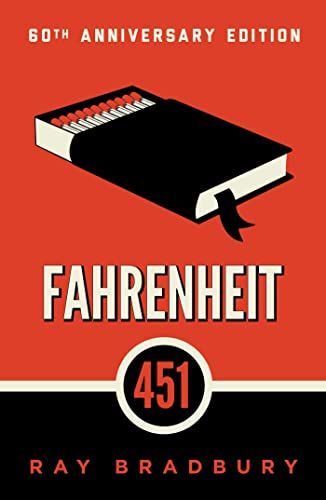
In a dystopian future where books are banned and 'firemen' burn any that are found, protagonist Guy Montag grapples with his role in this oppressive society. As he encounters a free-spirited young woman who opens his eyes to a world of ideas, Montag begins to question the very fabric of his life. The thrill of rebellion ignites within him, urging him to seek truth and freedom. But in a world so committed to censorship and control, will he find the courage to follow his new beliefs? 'Fahrenheit 451' weaves a haunting tale of individualism versus conformity, sparking a fiery debate about the value of literature in our lives.
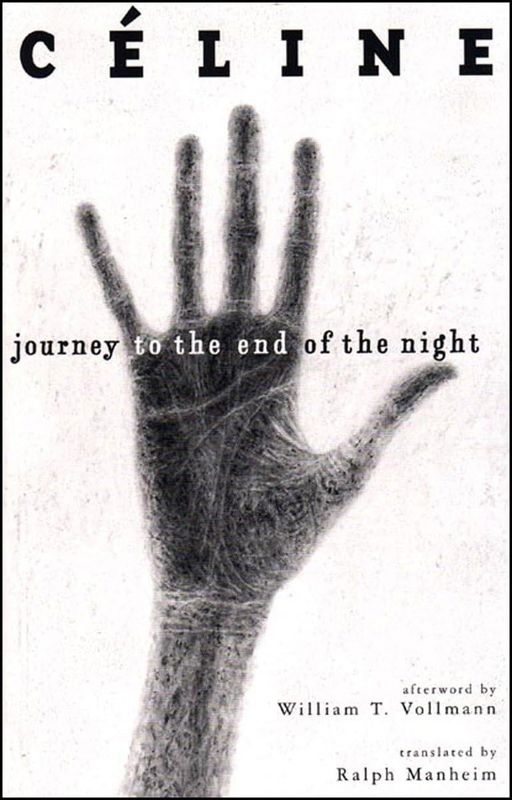
Journey to the End of the Night Book Summary
In 'Journey to the End of the Night,' Céline takes readers on a dark and unsettling odyssey through the horrors of war, despair, and existential dread. The protagonist, Ferdinand Bardamu, navigates a post-World War I landscape filled with both absurdity and brutality, challenging the conventions of society and morality. The novel is renowned for its raw, fragmented style and unflinching portrayal of human suffering, inviting readers to confront uncomfortable truths about existence. As Bardamu spirals through life, he grapples with questions of fate, meaning, and the human condition. This provocative and groundbreaking work remains a profound exploration of the depths of human experience, leaving an indelible mark on literature.
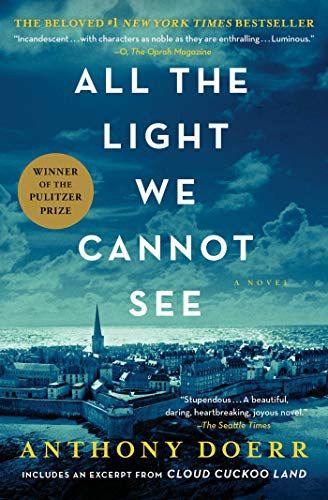
All the Light We Cannot See Book Summary
In 'All the Light We Cannot See,' Anthony Doerr weaves a poignant tale of two young souls navigating the chaos of World War II. Marie-Laure, a blind French girl, journeys through the shadows of occupied Paris, while Werner, a German soldier with a talent for radio technology, grapples with his moral compass. Their paths intertwine in unexpected ways, revealing the stark contrasts of light and darkness in their lives. This beautifully written novel explores themes of resilience, hope, and the invisible connections between people. As their stories unfold, readers are left questioning how far they would go to find connection in a fractured world.

The Opposite of Loneliness Book Summary
In 'The Opposite of Loneliness,' Marina Keegan brilliantly captures the complexity of young adulthood through a collection of poignant essays and stories. Each piece reflects her rich inner world and the exhilarating yet terrifying sense of possibility that comes with being on the brink of adulthood. Keegan's writing resonates with anyone who has ever felt both lost and hopeful in their pursuit of identity and purpose. Her untimely passing adds an indelible poignancy to her words, making them even more impactful. This book is a celebration of life, connection, and the enduring spirit of youth that lingers long after the last page is turned.
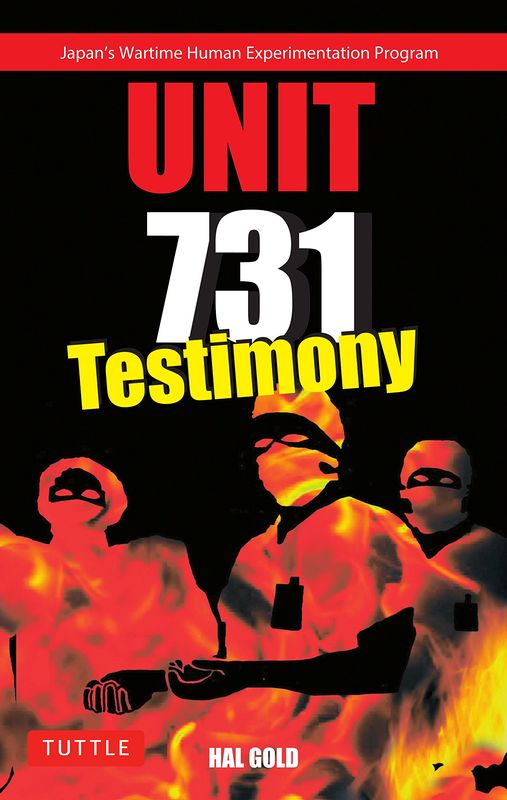
Unit 731 Testimony Book Summary
In 'Unit 731 Testimony', Hal Gold unveils the chilling truth behind Japan's infamous Unit 731, a covert military facility where gruesome experiments on human subjects were conducted during World War II. Through harrowing testimonies from survivors and former soldiers, the book exposes the ethical void and brutal reality of wartime science. Gold's gripping narrative explores the moral complexities of scientific progress at the cost of human life. As the chilling details unfold, readers are left to grapple with the haunting consequences of history's darkest secrets. Prepare to be shocked and moved by a story that challenges our understanding of humanity and morality.
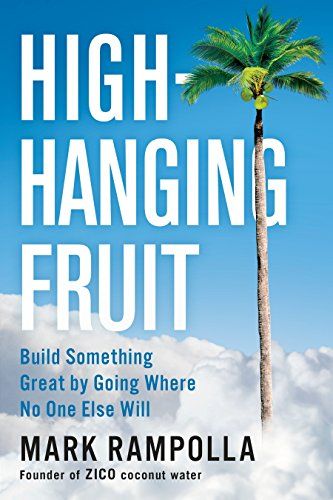
High-Hanging Fruit Book Summary
In 'High-Hanging Fruit,' Mark Rampolla unveils the transformative journey of cultivating unconventional ideas into impactful realities. This compelling narrative explores the art of seizing opportunities that others might overlook, emphasizing innovation and resilience. Rampolla shares personal anecdotes and lessons learned from his entrepreneurial ventures, providing readers with a roadmap for achieving success against the odds. The book challenges you to rethink obstacles as stepping stones to greatness. Dive into this inspiring tale and discover how to reach for the high-hanging fruit in your own life!
Showing 8 of 28 similar books
Take your reading experience to the next level
Download our mobile app to enjoy your favorite books on the go. Get access to exclusive features, offline listening, and personalized recommendations.

“The horror! The horror!”
Heart of Darkness
By Joseph Conrad
Frequently Asked Questions
Explore Our Catalogue
Discover a world of knowledge through our extensive collection of book summaries.
Genres
Genres
Genres
Featured Collections
- Top Book Club Picks
- One-Stop Nutrition
- Summer Reads 2024
- Best Beach Reads 2024
- Work-Life Balance Guide
- Time Management
- Healthy Foods
- Entrepreneur Toolkit
- Mind & Body Wellness
- Future Tech Insights
- Leadership Essentials
- Financial Freedom
- Sci-Fi Masterpieces
- Parenting 101
- Books That Became Blockbusters
- Guide to a Healthy Pregnancy