Lean UX Book Summary
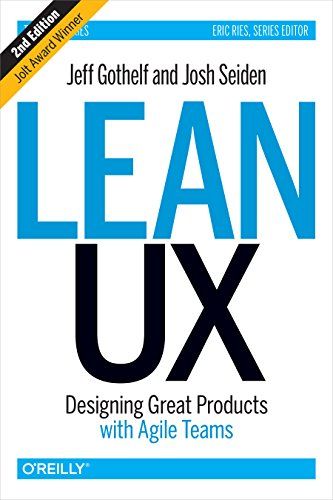
'Lean UX' by Jeff Gothelf and Josh Seiden revolutionizes the way designers approach user experience in the age of agile development. Emphasizing collaboration and rapid experimentation, the authors guide readers through a process that aligns product teams around user needs and real feedback. Rather than focusing on deliverables, the book champions continuous improvement and learning in design. With practical techniques and real-world examples, it challenges conventional methods and encourages a shift in mindset. Discover how to create better products faster while truly engaging with users in this transformative read!
By Jeff Gothelf, Josh Seiden
Published: 2016
""In Lean UX, we uncover the truth through collaboration and experimentation, prioritizing learning over assumptions to create products that truly resonate with users.""

Start Listening to Book Summary
Book Review of Lean UX
UX design has traditionally been deliverables-based. Wireframes, site maps, flow diagrams, content inventories, taxonomies, mockups helped define the practice in its infancy. Over time, however, this deliverables-heavy process has put UX designers in the deliverables business. Many are now measured and compensated for the depth and breadth of their deliverables instead of the quality and success of the experiences they design. Designers have become documentation subject matter experts, known for the quality of the documents they create instead of the end-state experiences being designed and developed. So what's to be done? This practical book provides a roadmap and set of practices and principles that will help you keep your focus on the the experience back, rather than the deliverables. Get a tactical understanding of how to successfully integrate Lean and UX/DesignFind new material on business modeling and outcomes to help teams work more strategicallyDelve into the new chapter on experiment designTake advantage of updated examples and case studies.
Book Overview of Lean UX
About the Book Authors
Jeff Gothelf
Jeff Gothelf is a renowned author, speaker, and consultant, celebrated for his expertise in product management, design, and agile methodologies. He is the co-author of the influential books 'Lean UX: Applying Lean Principles to Improve User Experience' and 'Sense & Respond: How Successful Organizations Listen to Customers and Create New Products Continuously'. Gothelf's writing style is characterized by its clarity and practicality, offering actionable insights for professionals in technology and design. He is also known for his engaging workshops and talks, where he emphasizes the importance of user-centered design and collaboration in product development.
Josh Seiden
Josh Seiden is an accomplished author, consultant, and speaker specializing in product design and management. He is known for his influential works such as "Lean UX: Designing Great Products with Agile Teams" and "Outcomes Over Output: Why Customer Behavior is the Key Metric for Business Success." Seiden’s writing is characterized by its focus on practical methodologies and collaborative practices that encourage innovation and enhanced customer experience. His insights have significantly impacted the fields of UX design and agile software development, making him a sought-after thought leader and educator.
Book Details
Key information about the book.
- Authors
- Jeff Gothelf, Josh Seiden
- Published
- January 2016
- Publisher
- O'Reilly Media
- ISBN
- 1491953608
- Language
- English
- Pages
- N/A
- Genres
- UX/UI DesignDesign ThinkingDesign
Purchase Options
 Buy on Amazon
 Buy via BookShop
Support local bookstores: BookShop gives a portion of each sale to independent bookshops!
Similar books you might like →
The Design of Everyday Things Book Summary
In 'The Design of Everyday Things', Don Norman reveals the hidden principles behind effective design that shapes our everyday interactions. He explores the psychological underpinnings of how we perceive and interact with objects, highlighting the importance of usability and user-centered design. Through captivating examples, Norman illustrates how poor design can lead to frustration, while thoughtful design enhances our experience. This book challenges readers to rethink the functionality of everyday items, making them consider the design choices behind the objects they encounter. Ultimately, it invites us to demand better designs that cater to our needs, making the mundane extraordinary.
Don't Make Me Think, Revisited Book Summary
In 'Don't Make Me Think, Revisited', Steve Krug presents a timeless guide to web usability, challenging the notion that users read websites thoroughly. With humor and clarity, he emphasizes the importance of intuitive design, advocating that simplicity trumps complexity. Krug's insights encourage designers to prioritize user experience, making navigation as effortless as possible. Through practical examples and actionable advice, he unveils common pitfalls to avoid. This essential read will transform the way you think about designing websites and engaging users—are you ready to rethink your approach?
100 Things Every Designer Needs to Know about People Book Summary
In '100 Things Every Designer Needs to Know about People,' Susan Weinschenk unveils essential psychological principles that can enhance design effectiveness. With insights drawn from cognitive science, the book explores how people perceive, interact with, and make decisions about design. From the nuances of color perception to the importance of empathy in user experience, Weinschenk offers practical strategies for designers. Each principle is supported by fascinating research, making the content both informative and engaging. This enlightening guide equips designers to create more intuitive and user-friendly experiences, sparking curiosity about the intersection of psychology and design.
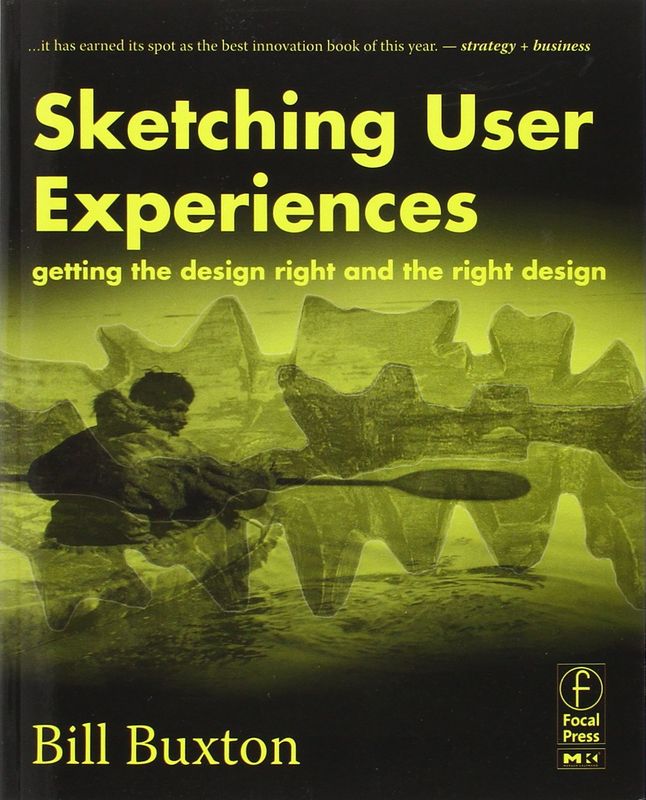
Sketching User Experiences: Getting the Design Right and the Right Design Book Summary
No summary available
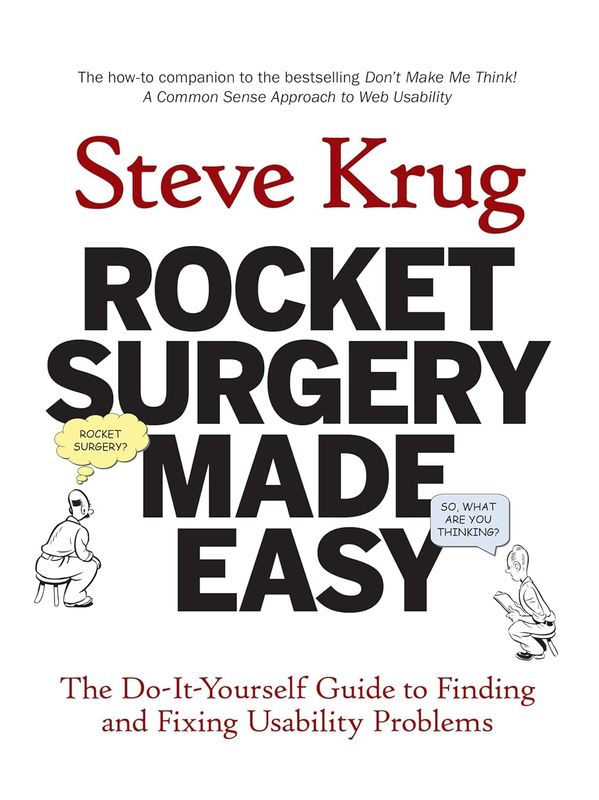
Rocket Surgery Made Easy Book Summary
In 'Rocket Surgery Made Easy', Steve Krug demystifies the process of usability testing, arguing that it's not rocket science—it's just common sense. Krug presents simple, practical techniques that anyone can use to identify and fix usability issues in their designs. Through engaging anecdotes and clear instruction, he empowers teams to enhance user experience without the need for extensive resources or expertise. This book transforms the way we think about user testing, making it accessible and effective for all. Prepare to revolutionize your approach to design and make your products truly user-friendly!
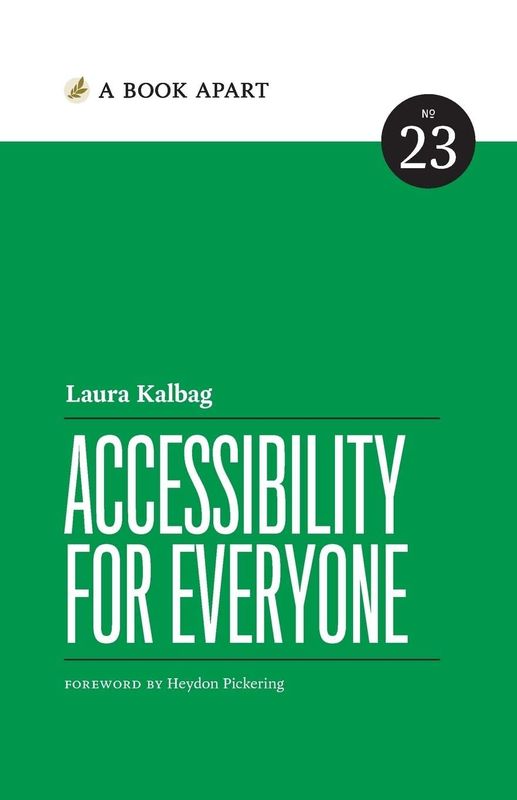
Accessibility for Everyone Book Summary
In 'Accessibility for Everyone', Laura Kalbag reveals the fundamental importance of inclusivity in design and technology. With practical tips and real-world examples, she empowers readers to embrace accessibility as a shared responsibility. Kalbag challenges common misconceptions, urging designers to consider the diverse needs of all users. This book is not just a guide; it's a call to action for creating a truly inclusive digital world. Discover how small changes can make a monumental impact on the lives of millions.

Design for Real Life Book Summary
In 'Design for Real Life', Eric A. Meyer and Sara Wachter-Boettcher challenge the traditional notions of design by highlighting how digital products impact users' lives beyond the screen. They delve into the complexities of real-world scenarios, emphasizing the importance of empathy and inclusivity in design processes. Through compelling case studies and practical advice, the authors reveal a transformative approach that prioritizes human experiences. This book invites designers to anticipate the unexpected challenges that users might face. Can design truly support and uplift those navigating tough situations in life?
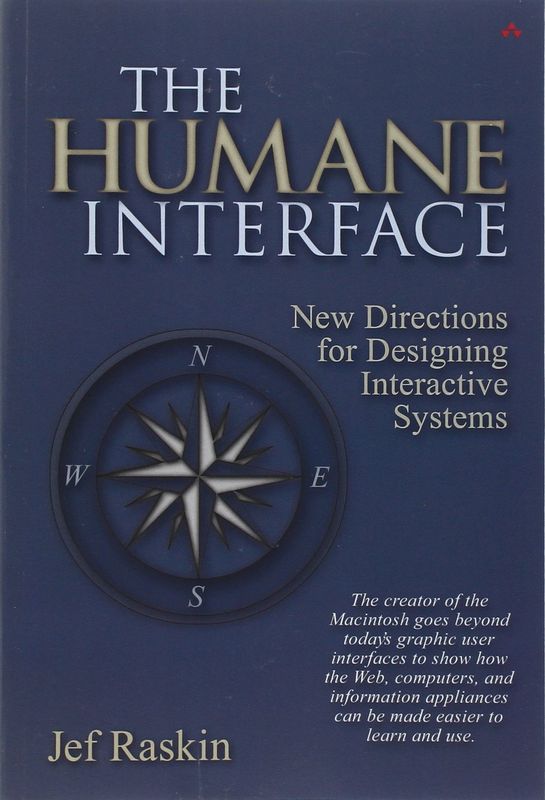
The Humane Interface Book Summary
In 'The Humane Interface,' Jef Raskin revolutionizes the way we think about human-computer interaction. He argues for an interface that is intuitive and seamlessly fits into our natural behaviors, rather than forcing users to adapt to clunky software. Raskin introduces groundbreaking concepts that challenge conventional design principles and aims to enhance user satisfaction. As technology becomes more pervasive, his insights reveal how humane design can create a deeper connection between humans and machines. Dive into this thought-provoking read and discover how a user-centered approach can transform our digital experiences!
Showing 8 of 18 similar books
Take your reading experience to the next level
Download our mobile app to enjoy your favorite books on the go. Get access to exclusive features, offline listening, and personalized recommendations.

Similar Book Recommendations →

Johnnie Gomez's Book Recommendations
Johnnie Gomez is an acclaimed author known for their compelling narratives and richly developed characters. Their debut novel, *Echoes of the Past*, garnered critical praise and won the prestigious Booker Prize, establishing Gomez as a powerful new voice in contemporary fiction. They followed this success with *Winds of Change*, a novel that deftly explores themes of identity and resilience, earning a spot on the New York Times Bestseller list. Gomez's contributions to literature have been celebrated for their insightful portrayal of diverse cultures and their ability to weave intricate, emotionally resonant stories. Beyond their novels, Gomez is a vocal advocate for literacy and education, frequently engaging with communities through workshops and public speaking events.

Julian Shapiro's Book Recommendations
Julian Shapiro is a renowned writer and entrepreneur, acclaimed for his insightful essays on personal growth and marketing strategies. He is the author of "The Julian Shapiro Collection," a compilation of his most impactful writings that have garnered a wide readership online. Shapiro co-founded the growth marketing agency Bell Curve, where he has helped numerous startups achieve exponential growth. His work often blends practical advice with deep philosophical inquiries, making complex subjects accessible to a broad audience. Through his prolific writing and entrepreneurial ventures, Julian has become a key figure in the intersection of business and self-improvement literature.

Chris Guillebeau's Book Recommendations
Chris Guillebeau is a prolific author and entrepreneur best known for his New York Times bestselling book, "The $100 Startup," which has inspired countless individuals to pursue financial independence and entrepreneurial endeavors. He has traveled to every country in the world, a feat that underscores his commitment to unconventional living and exploration. Guillebeau's work often centers on the themes of personal freedom, creative self-employment, and adventure, as seen in his other notable books like "The Art of Non-Conformity" and "Born for This." He also founded the annual World Domination Summit, a gathering that encourages people to live remarkable lives. Through his writing and projects, Guillebeau has become a leading voice in the movement towards non-traditional career paths and lifestyle design.

Jan Losert's Book Recommendations
Jan Losert is a visionary author and digital design expert, renowned for his contributions to the intersection of technology and creativity. His most significant work includes co-authoring "Design Systems Handbook," which has become a seminal guide for creating cohesive and efficient design frameworks. Losert's expertise extends to his role as a speaker and educator, where he passionately shares his insights on user experience and interface design. In addition to his literary achievements, he co-founded several successful startups, leveraging his deep understanding of design to drive innovation. His work continues to influence and inspire both emerging and established designers worldwide.

George Hatzis's Book Recommendations
George Hatzis is a lawyer, entrepreneur, and social media content creator known for his humorous and insightful takes on the legal profession. Through his popular Instagram account, Hatzis shares legal memes, advice, and commentary, making complex legal topics accessible and entertaining for a broad audience. He is also the founder of Hatzis Law, a firm that specializes in criminal defense and family law. Hatzis’ ability to merge legal expertise with humor has garnered him a large following, and he continues to be a unique voice in the legal community, advocating for modernizing the industry.

Jake Knapp's Book Recommendations
Jake Knapp is an author, designer, and creator of the Design Sprint process, a five-day method for solving complex problems and testing new ideas through prototyping. Knapp developed the Sprint process while working at Google Ventures, where it was used to help startups rapidly iterate and improve their products. He later co-authored the book Sprint, which has become a go-to resource for teams looking to streamline their creative processes and get better results in less time. Knapp's work focuses on productivity, creativity, and collaboration, with a particular emphasis on helping people do more meaningful work in shorter timeframes. His innovative approach to problem-solving has been adopted by companies worldwide, from small startups to large enterprises. In addition to his work on Sprints, Knapp is also a speaker and consultant, helping teams and organizations implement better practices for innovation and productivity. His work emphasizes the importance of focus, experimentation, and rapid feedback in driving success.

Dr. Harvey Karp's Book Recommendations
Dr. Harvey Karp is a renowned pediatrician and child development expert, best known for his groundbreaking method for calming infants, as detailed in The Happiest Baby on the Block. He is the creator of the SNOO Smart Sleeper, a robotic crib designed to help babies sleep safely and soundly. Dr. Karp has been a leading voice in pediatric health for decades, emphasizing the importance of sleep for both babies and parents. His methods have revolutionized infant care and parenting techniques. He continues to advocate for improved early childhood development practices.

Daniel Burka's Book Recommendations
Daniel Burka is a prominent figure in the tech and design world, best known for his significant contributions to digital product design. As a design partner at GV (formerly Google Ventures), he has played a crucial role in shaping the user experience of numerous successful startups. Burka co-founded the design agency MetaLab, which has worked with top-tier clients like Slack and Coinbase. Additionally, his work at Digg as the Director of Design helped pioneer social media design trends in the early 2000s. While not primarily an author, Burka's influence extends into literature through his insightful writings and talks on design and innovation.
Showing 8 of 21 related collections
“"In Lean UX, we uncover the truth through collaboration and experimentation, prioritizing learning over assumptions to create products that truly resonate with users."”
Lean UX
By Jeff Gothelf, Josh Seiden
Frequently Asked Questions
Explore Our Catalogue
Discover a world of knowledge through our extensive collection of book summaries.
Genres
Genres
Genres
Featured Collections
- Top Book Club Picks
- One-Stop Nutrition
- Summer Reads 2024
- Best Beach Reads 2024
- Work-Life Balance Guide
- Time Management
- Healthy Foods
- Entrepreneur Toolkit
- Mind & Body Wellness
- Future Tech Insights
- Leadership Essentials
- Financial Freedom
- Sci-Fi Masterpieces
- Parenting 101
- Books That Became Blockbusters
- Guide to a Healthy Pregnancy