Lincoln Book Summary
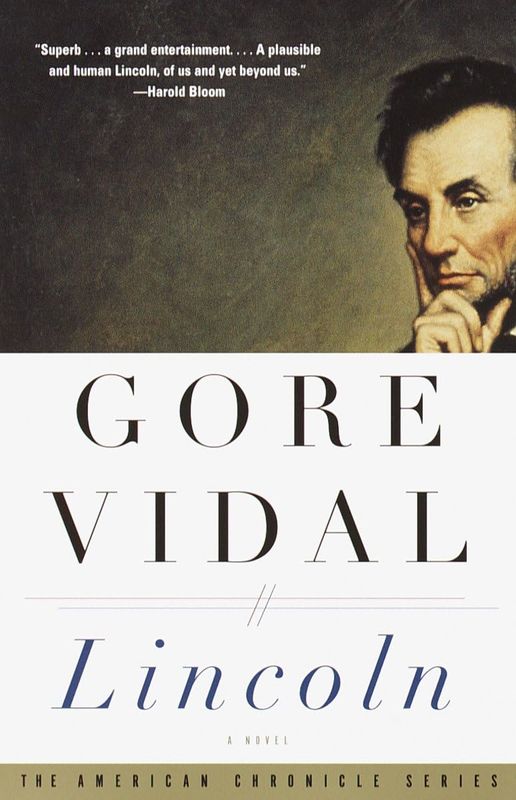
In 'Lincoln,' Gore Vidal delves into the complexities of one of America's most revered presidents amid the turbulent backdrop of the Civil War. Through a rich tapestry of historical events and personal dilemmas, the narrative paints a vivid portrait of Abraham Lincoln as both a leader and a flawed individual. Vidal’s masterful storytelling intertwines real-life figures and politics, engaging readers in the moral and ethical struggles of the time. As secrets unravel and alliances shift, Lincoln’s journey toward unity and freedom becomes increasingly precarious. This provocative exploration invites readers to reconsider their understanding of leadership, power, and the sacrifices made in the pursuit of a greater good.
By Gore Vidal
Published: 2000
""The whole world knows that the president is a man, and so is the press; they have become friends but cannot accept each other's flaws, for each has betrayed the other in the pursuit of truth.""

Start Listening to Book Summary
Book Review of Lincoln
Gore Vidal's Narratives of Empire series spans the history of the United States from the Revolution to the post-World War II years. With their broad canvas and large cast of fictional and historical characters, the novels in this series present a panorama of the American political and imperial experience as interpreted by one of its most worldly, knowing, and ironic observers. To most Americans, Abraham Lincoln is a monolithic figure, the Great Emancipator and Savior of the Union, beloved by all. In Gore Vidal's Lincoln we meet Lincoln the man and Lincoln the political animal, the president who entered a besieged capital where most of the population supported the South and where even those favoring the Union had serious doubts that the man from Illinois could save it. Far from steadfast in his abhorrence of slavery, Lincoln agonizes over the best course of action and comes to his great decision only when all else seems to fail. As the Civil War ravages his nation, Lincoln must face deep personal turmoil, the loss of his dearest son, and the harangues of a wife seen as a traitor for her Southern connections. Brilliantly conceived, masterfully executed, Gore Vidal's Lincoln allows the man to breathe again.
Book Overview of Lincoln
About the Book Author
Gore Vidal
Gore Vidal (1925-2012) was an acclaimed American author, playwright, and political critic, known for his provocative and insightful explorations of American society and politics. His notable works include 'The City and the Pillar,' 'Julian,' and 'Burr,' which showcase his masterful command of narrative and dialogue, as well as his keen ability to intertwine historical events with fictional elements. Vidal's writing style is characterized by its wit, erudition, and unapologetic confrontation of taboo subjects, often challenging societal norms and values. Over his prolific career, he became a prominent voice in American literature, recognized for both his literary contributions and his outspoken views on various political affairs.
Book Details
Key information about the book.
- Authors
- Gore Vidal
- Published
- February 2000
- Publisher
- Vintage
- ISBN
- 0375708766
- Language
- English
- Pages
- 673
- Genres
- American HistoryBiographyHistoryPolitical Biographies
Purchase Options
 Buy on Amazon
 Buy via BookShop
Support local bookstores: BookShop gives a portion of each sale to independent bookshops!
Similar books you might like →
A Brief History of Time Book Summary
In "A Brief History of Time," Stephen Hawking takes readers on a captivating journey through the cosmos, exploring the nature of time, black holes, and the universe's beginnings. With stunning clarity, he unravels complex scientific concepts, inviting everyone—from curious laypersons to seasoned physicists—to ponder the mysteries of existence. Hawking's charismatic storytelling challenges our perceptions of reality and time itself, posing profound questions about the universe's fate. As he merges science with philosophy, the reader is compelled to reflect on their place in a vast, enigmatic cosmos. Prepare to be inspired and awed by a narrative that transcends mere facts, pushing the boundaries of human understanding.
The Autobiography of Benjamin Franklin Book Summary
In 'The Autobiography of Benjamin Franklin,' the iconic Founding Father takes readers on a captivating journey through his life, revealing his rise from humble beginnings to becoming a key figure in American history. Franklin shares insightful anecdotes of his innovative spirit, dedication to self-improvement, and adventurous pursuits in science, politics, and philosophy. His wit and wisdom shine through as he candidly reflects on his successes and failures, providing a wealth of lessons for modern readers. Readers will discover not only the story of a remarkable man but also the principles that shaped a nation. This autobiography invites us to ponder our own paths and the impact of our choices.
The Autobiography of Malcolm X Book Summary
No summary available

Transformed Cell Book Summary
'Transformed Cell' dives deep into the groundbreaking discoveries in cellular biology that are revolutionizing medicine and biotechnology. This collection of essays from leading experts reveals the intricate dance of genes and proteins that leads to the transformation of ordinary cells into extraordinary entities. As readers explore the ethical boundaries of genetic manipulation and the potential for cell-based therapies, they are encouraged to ponder the future of human health. Each chapter teases the possibilities of transforming diseases into manageable conditions, igniting hope and skepticism in equal measure. Can we control the very building blocks of life, or will we unleash forces beyond our understanding?
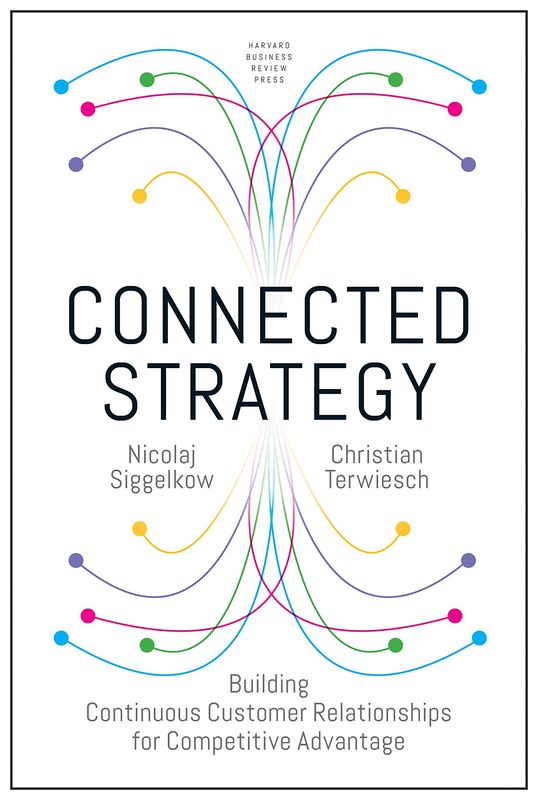
Connected Strategy Book Summary
In 'Connected Strategy', Nicolaj Siggelkow and Christian Terwiesch unveil a transformative approach to customer engagement through a framework that integrates real-time data and innovative technologies. The authors explore how businesses can harness the power of connectivity to forge deeper relationships, enhance consumer experiences, and drive sustainable growth. Case studies from leading companies illustrate the practical applications of their strategies, stirring curiosity about the future of customer interaction. This book challenges traditional business models and presents a compelling vision for a connected world. Will your business be ready to adapt and thrive in this new landscape?
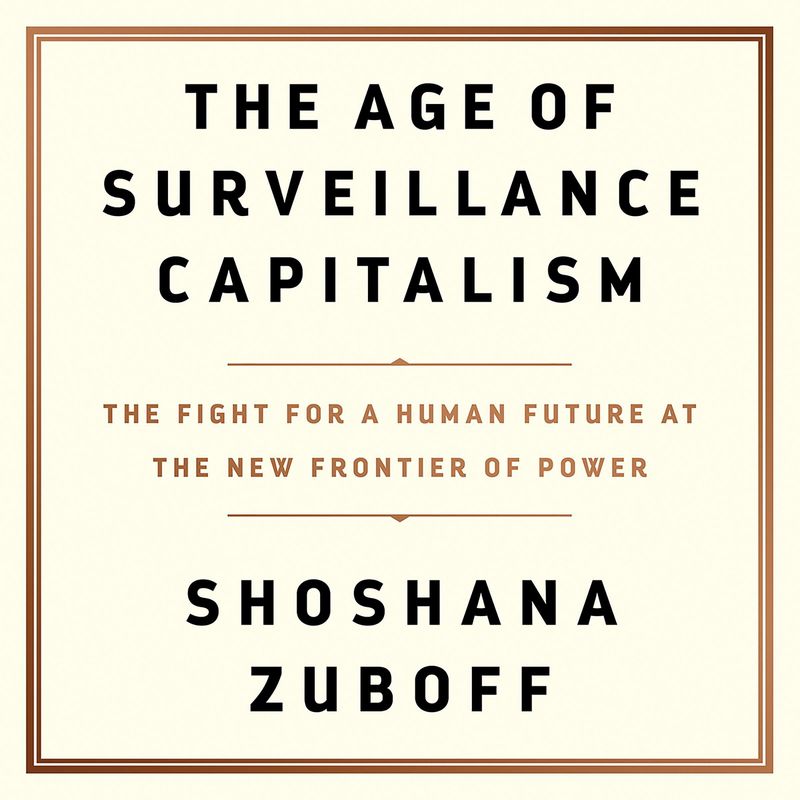
The Age of Surveillance Capitalism Book Summary
In 'The Age of Surveillance Capitalism', Shoshana Zuboff unveils the hidden mechanisms behind the digital economy that manipulate personal data for profit. This gripping exploration reveals how tech giants harvest our behaviors and emotions, reshaping our societies and economies. Zuboff warns of a future where privacy is obliterated, and our very autonomy is at stake. With compelling evidence and insightful analysis, she urges us to reclaim control over our lives and destinies. Are we prepared to confront the consequences of this digital revolution?
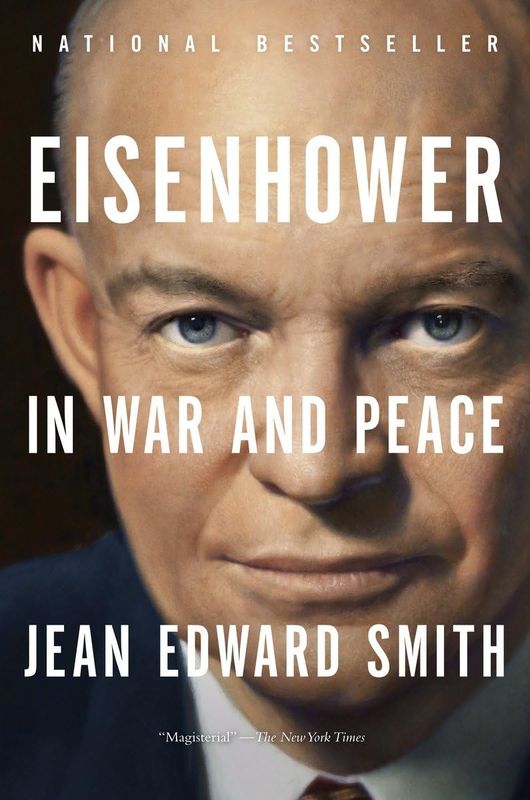
Eisenhower in War and Peace Book Summary
In 'Eisenhower in War and Peace', historian Jean Edward Smith explores the duality of Dwight D. Eisenhower's life as both a military strategist and a peacetime leader. The book unveils the complexities of Eisenhower's leadership during World War II and his diplomatic maneuvering during the Cold War. Readers will discover how his decisions shaped the 20th century, as well as the personal struggles that defined his character. Smith's compelling narrative combines meticulous research with engaging storytelling, offering new insights into a towering figure of American history. This biography invites readers to reconsider what it truly means to lead in times of both conflict and tranquility.
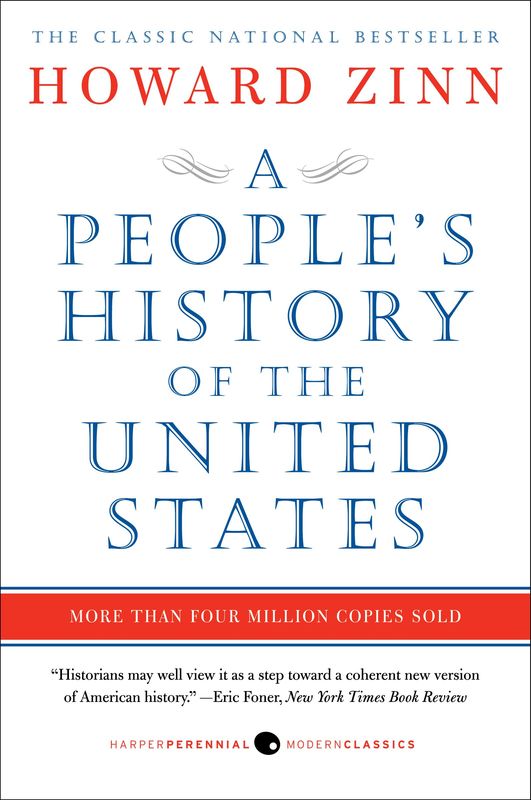
A People's History of the United States Book Summary
In 'A People's History of the United States,' Howard Zinn redefines the American narrative by focusing on the experiences and struggles of marginalized groups throughout history. This provocative work unveils the hidden stories of Native Americans, slaves, women, and others who have been silenced in traditional historical accounts. Zinn challenges the reader to rethink the very foundations of American society and its values, highlighting the continuous fight for justice and equality. As he dives into pivotal moments where ordinary people stood against power, the book raises questions about who writes history and whose voices are heard. A compelling call to recognize the past in order to inform the future, it leaves readers hungry for deeper truths about the American experience.
Showing 8 of 20 similar books
Take your reading experience to the next level
Download our mobile app to enjoy your favorite books on the go. Get access to exclusive features, offline listening, and personalized recommendations.

Similar Book Recommendations →

Brandon Stanton's Book Recommendations
Brandon Stanton is an American photographer and author, best known for creating Humans of New York, a photography project that shares the personal stories of everyday people. Through his portraits and interviews, Stanton captures the diverse experiences of people in New York City and around the world, offering intimate insights into their lives. Humans of New York has become a global phenomenon, with millions of followers on social media and several best-selling books. Stanton’s work has expanded beyond photography to include fundraising campaigns that have raised millions of dollars for individuals and charitable causes. His ability to connect with people and share their stories has made him one of the most impactful storytellers of his generation.

Lex Fridman's Book Recommendations
Lex Fridman is an artificial intelligence researcher, podcaster, and MIT professor, known for his work in autonomous vehicles, robotics, and deep learning. Fridman has gained widespread popularity through his podcast, Lex Fridman Podcast, where he interviews leading thinkers in science, technology, and philosophy, exploring topics like AI, consciousness, and the future of humanity. His academic work focuses on human-centered AI, aiming to create machines that can better understand and interact with humans. Fridman’s ability to distill complex topics into accessible conversations has earned him a large following, and his podcast is known for its thoughtful, in-depth discussions with some of the brightest minds of our time. He is also an advocate for the responsible development of AI, emphasizing the ethical implications of this rapidly advancing technology. Outside of academia and podcasting, Fridman is a practitioner of jiu-jitsu and frequently speaks about the importance of discipline and continuous learning.
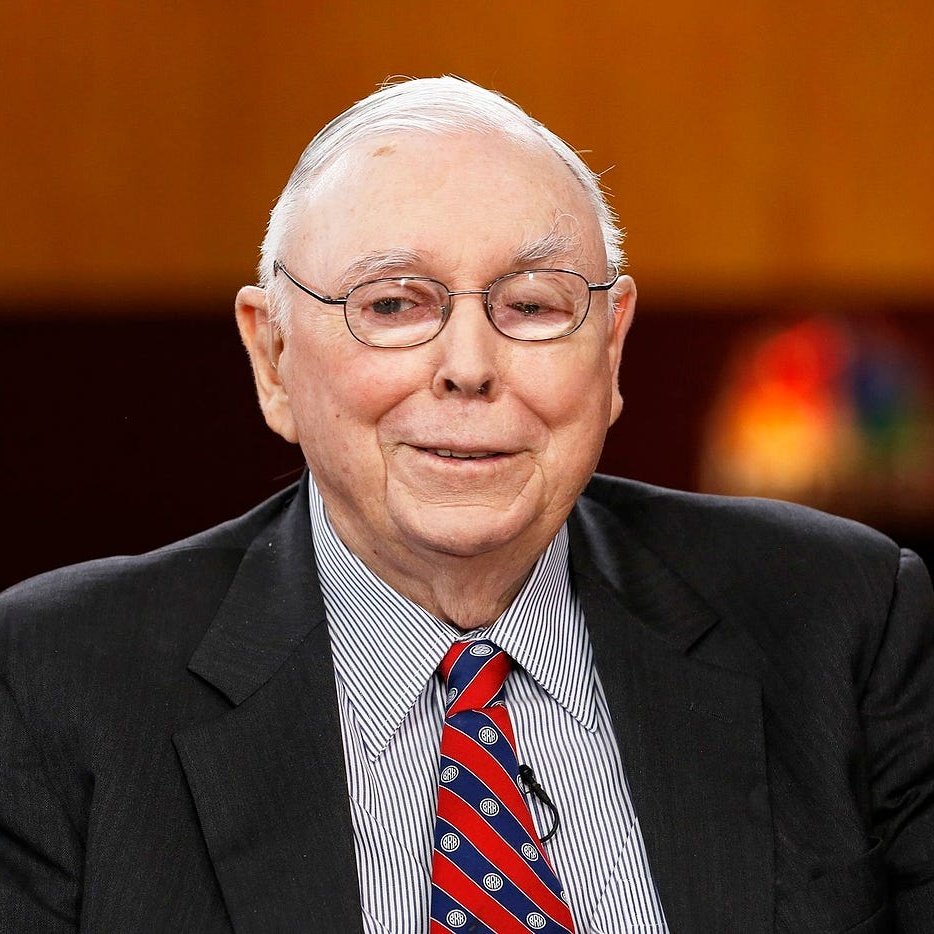
Charlie Munger's Book Recommendations
Charlie Munger is an American investor, businessman, and philanthropist, best known as the vice chairman of Berkshire Hathaway, where he partners with Warren Buffett. Renowned for his insights on investment strategies and mental models, Munger has significantly influenced the world of finance. His notable literary contributions include "Poor Charlie's Almanack," a compilation of his speeches and writings that distill his wisdom on decision-making and business principles. Munger's work emphasizes the importance of multidisciplinary thinking and continuous learning. Beyond his financial acumen, he is celebrated for his charitable efforts, particularly in education and healthcare.

Barack Obama's Book Recommendations
Barack Obama is the 44th President of the United States, serving from 2009 to 2017. As the first African American president, Obama’s leadership marked a historic moment in American history. His administration focused on healthcare reform, economic recovery from the Great Recession, and environmental policies. He is best known for the Affordable Care Act, as well as his efforts to expand civil rights and restore diplomatic relations with Cuba. Since leaving office, Obama has continued to engage in public life through his foundation, focusing on leadership development, civic engagement, and global issues.
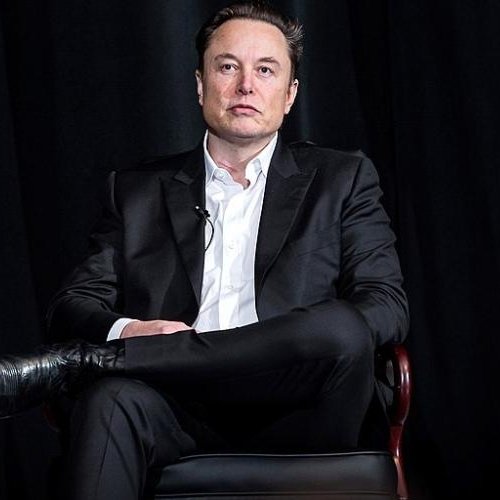
Elon Musk's Book Recommendations
Elon Musk is an influential entrepreneur and innovator known for founding and leading several groundbreaking companies, including Tesla, SpaceX, Neuralink, and The Boring Company. He has played a pivotal role in advancing electric vehicles, space exploration, and renewable energy. Musk's vision extends to colonizing Mars and reducing the risk of human extinction through space travel. In addition to his technological contributions, he has co-authored the book "Spacex: Making Commercial Spaceflight a Reality," providing insights into his ambitious projects and vision for the future. Musk's relentless pursuit of innovation continues to shape the trajectory of multiple industries.
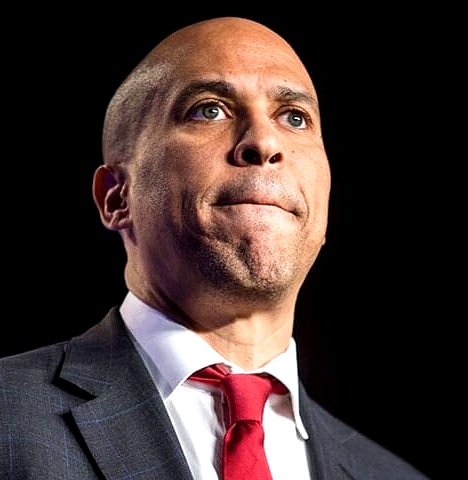
Cory Booker's Book Recommendations
Cory Booker is a prominent American politician and author, currently serving as the junior United States Senator from New Jersey since 2013. Before his tenure in the Senate, he was the Mayor of Newark, where he gained national recognition for his efforts to reduce crime and revitalize the city. Booker is also a published author, with his 2016 memoir, "United," offering an insightful look into his political career and personal philosophy centered on social justice and community activism. His literary work emphasizes themes of unity, compassion, and the importance of public service. Booker's contributions to literature and politics highlight his commitment to fostering a more equitable society.

David Sabatini's Book Recommendations
David Sabatini is a renowned cell biologist whose pioneering research has significantly advanced our understanding of cell growth and metabolism. He is best known for his discovery of the mTOR pathway, a critical regulator of cell growth, which has implications in cancer, diabetes, and aging. Sabatini has authored numerous influential papers, contributing extensively to the field of molecular biology. He has received multiple prestigious awards, including the Paul Marks Prize for Cancer Research. Sabatini's work continues to inspire and drive forward research in cellular and molecular biology.

Frank Chimero's Book Recommendations
Frank Chimero is a renowned designer, illustrator, and author best known for his influential book "The Shape of Design," which explores the philosophy and practice of design. His work emphasizes the intersection of creativity and human experience, earning him a respected place in both the design and literary communities. Chimero has contributed essays and lectures that have inspired a new generation of thinkers in the creative industries. He has also been recognized for his ability to distill complex ideas into accessible, thought-provoking content. Beyond his writing, Chimero's design projects and illustrations have been featured in numerous prestigious publications and exhibitions.
“"The whole world knows that the president is a man, and so is the press; they have become friends but cannot accept each other's flaws, for each has betrayed the other in the pursuit of truth."”
Lincoln
By Gore Vidal
Frequently Asked Questions
Explore Our Catalogue
Discover a world of knowledge through our extensive collection of book summaries.
Genres
Genres
Genres
Featured Collections
- Top Book Club Picks
- One-Stop Nutrition
- Summer Reads 2024
- Best Beach Reads 2024
- Work-Life Balance Guide
- Time Management
- Healthy Foods
- Entrepreneur Toolkit
- Mind & Body Wellness
- Future Tech Insights
- Leadership Essentials
- Financial Freedom
- Sci-Fi Masterpieces
- Parenting 101
- Books That Became Blockbusters
- Guide to a Healthy Pregnancy