No Gods, No Masters Book Summary
In 'No Gods, No Masters', Daniel Guérin presents a compelling exploration of anarchism, tracing its philosophical roots and revolutionary practices. He argues against imposed authority, advocating for a society based on mutual aid and voluntary cooperation. The book chronicles historical movements and figures that shaped anarchist thought, igniting curiosity about the untold stories of resistance. With a mesmerising narrative, Guérin challenges readers to rethink concepts of power and freedom. This thought-provoking work not only inspires but also raises questions about the future of social justice.
By Daniel Gu�rin
Published: 2005
""The struggle for freedom is not only a fight against oppression, but also a journey towards self-discovery and collective empowerment.""
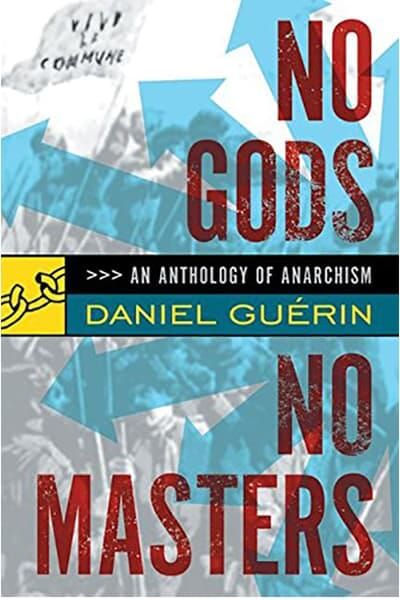

Start Listening to Book Summary
Book Review of No Gods, No Masters
Guerin's classic anthology of anarchism translated and reprinted, available for the first time in a single volume.
Book Overview of No Gods, No Masters
About the Book Author
Daniel Gu�rin
Daniel Guérin was a French writer, essayist, and activist, renowned for his contributions to anarchist thought and Marxist theory. His notable works include 'Anarchism: From Theory to Practice,' where he explores the principles of anarchism through a historical lens, and 'Fascism and Revolution,' which critiques the rise of fascism in the 20th century. Guérin's writing is characterized by its clarity, intellectual rigor, and passionate advocacy for social justice, often blending historical analysis with radical political theory.
Book Details
Key information about the book.
- Authors
- Daniel Gu�rin
- Published
- January 2005
- Publisher
- AK Press
- ISBN
- 1904859259
- Language
- English
- Pages
- 724
- Genres
- Social Justice MovementsPolitical PhilosophyPolitical HistoryPolitics and Current Affairs
Purchase Options
 Buy on Amazon
 Buy via BookShop
Support local bookstores: BookShop gives a portion of each sale to independent bookshops!
Similar books you might like →
Interventions Book Summary
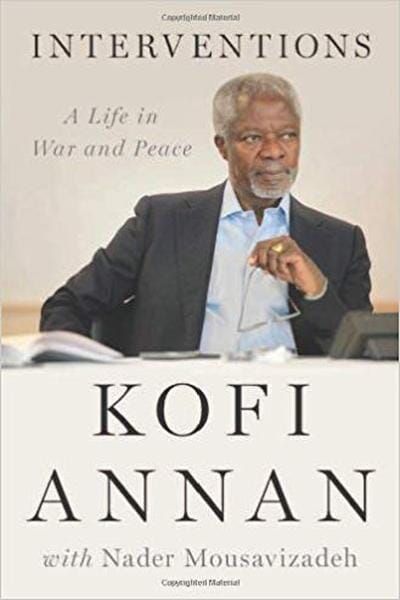
In 'Interventions,' Kofi Atta Annan shares riveting insights from his tenure as the UN Secretary-General, unraveling the complexities of global diplomacy and humanitarian crises. Co-authored by Nader Mousavizadeh, the book offers a candid exploration of critical international interventions in the realms of conflict, peacekeeping, and development. Annan's personal anecdotes and reflections challenge conventional narratives, inviting readers to ponder the moral dilemmas faced by world leaders. With a blend of personal and political history, the text reveals the intricate dance between power, responsibility, and human rights on the global stage. Prepare to be captivated by Annan's vision for a more just and united world.

Arguing about War Book Summary
In 'Arguing about War,' Michael Walzer delves into the ethical complexities surrounding conflict and warfare, challenging traditional justifications for war. Through thought-provoking analysis and compelling historical examples, he questions whether moral principles can truly be upheld in the chaos of battle. Walzer invites readers to ponder the weight of political responsibility and the consequences of intervention. His exploration of just war theory ignites debate on the morality of military action, making us confront uncomfortable truths about human nature. Engage with this critical discourse and discover how morality and war intersect in ways that will reshape your understanding of global conflicts.

Business as a System of Power Book Summary
In 'Business as a System of Power', Robert A. Brady delves into the intricate relationship between business and political power in America. He posits that corporations are not merely economic entities, but powerful institutions that shape public policy and societal norms. Through a compelling blend of historical analysis and contemporary examples, Brady uncovers how business influences democracy and governance. Readers are invited to reflect on the ethical implications of this power dynamic. What does it mean for society when business interests can circumvent democratic processes?
Taking the Risk Out of Democracy Book Summary
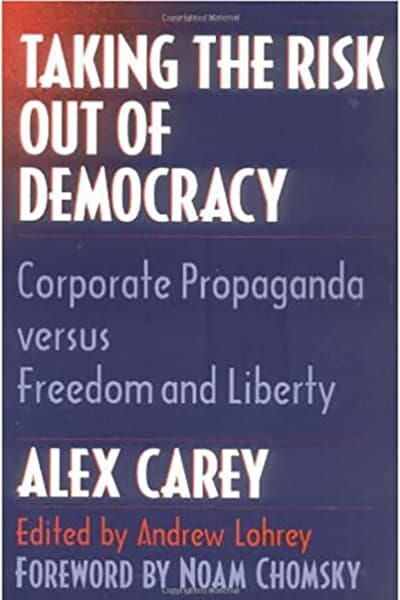
In 'Taking the Risk Out of Democracy', Alex Carey unveils the hidden forces that threaten democratic principles in contemporary society. He explores the interplay between corporate interests and political power, revealing how disinformation and manipulation are wielded to influence public opinion. Carey provides compelling insights into the history of propaganda and its role in shaping modern democracies. Through a critical lens, he warns of the fragility of democratic systems and the necessity of informed citizenry. This thought-provoking exploration invites readers to reflect on the vital importance of safeguarding democracy in an ever-evolving landscape.

Expulsion of the Palestinians Book Summary
No summary available

The Limits of State Action Book Summary
In 'The Limits of State Action', Wilhelm von Humboldt challenges the conventional role of government in individual lives, arguing for the primacy of personal freedom and self-development. He articulates a vision of a society where the state should limit its intervention, allowing individuals to flourish in their pursuits. Humboldt's philosophy emphasizes the importance of diverse experiences and the cultivation of individuality, inviting readers to rethink their views on authority and autonomy. With a blend of political philosophy and humanistic ideals, this work remains a profound exploration of the tension between freedom and governance. Dive in to discover how his insights resonate in today's debates about state overreach and personal liberty.

Anarcho-Syndicalism Book Summary
In 'Anarcho-Syndicalism', Rudolf Rocker presents a compelling vision of a society rooted in workers' self-management and direct action. He critiques capitalism and the state, advocating for a revolutionary movement that empowers labor. Rocker explores the historical context and theoretical foundations of anarcho-syndicalism, revealing its potential to challenge oppression and inequality. With a passionate call to arms, he inspires readers to envision a world where solidarity and cooperation thrive. This thought-provoking work invites you to reconsider the dynamics of power and the role of organized labor in shaping a just society.
Crises of Democracy Book Summary
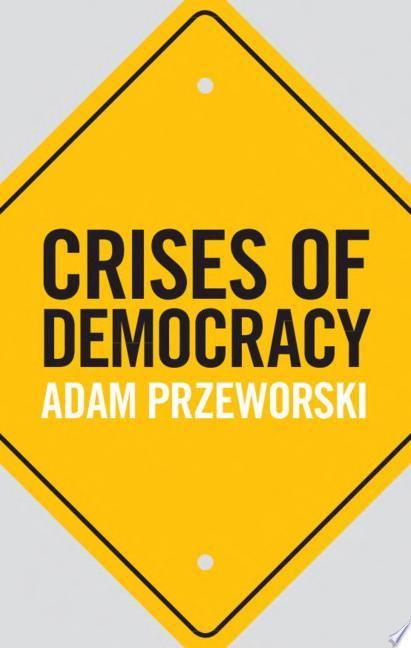
In 'Crises of Democracy', Adam Przeworski explores the fragile foundations upon which democratic governments stand. He delves into the causes of contemporary democratic crises, revealing how economic inequality, political polarization, and eroding trust can destabilize societies. Przeworski offers a thought-provoking analysis of historical examples, prompting readers to consider whether democracy can survive in the face of these challenges. With a blend of political science insights and compelling narratives, the book invites reflection on the future of governance. Can democracy endure, or are we witnessing its twilight?
Showing 8 of 30 similar books
Take your reading experience to the next level
Download our mobile app to enjoy your favorite books on the go. Get access to exclusive features, offline listening, and personalized recommendations.

Similar Book Recommendations →

Marc Andreessen's Book Recommendations
Marc Andreessen is an American entrepreneur, software engineer, and venture capitalist, best known for co-creating the Mosaic web browser, the first widely-used web browser, and co-founding Netscape. Andreessen is also the co-founder of Andreessen Horowitz, one of Silicon Valley’s most prominent venture capital firms, where he invests in groundbreaking technology companies like Facebook, Airbnb, and Coinbase. He is a thought leader on the impact of technology and innovation, often sharing his views on the future of the internet and startups. His contributions to the development of the web and the tech ecosystem have made him one of the most influential figures in technology.

Janet Mock's Book Recommendations
Janet Mock is an acclaimed writer, director, and transgender rights activist known for her groundbreaking memoir, "Redefining Realness," which became a New York Times bestseller. She followed this with "Surpassing Certainty," further cementing her voice in contemporary literature. Mock's work has not only highlighted her own journey but also brought vital visibility to the transgender community. In addition to her literary achievements, she has made significant contributions to television, notably as a writer, director, and producer for the series "Pose." Through her multifaceted career, Mock has become a powerful advocate for LGBTQ+ rights and an influential figure in modern storytelling.

Joe Rogan's Book Recommendations
Joe Rogan is a multifaceted American entertainer known primarily for his work as a comedian, podcast host, and commentator. He gained widespread recognition through his immensely popular podcast, "The Joe Rogan Experience," which has featured in-depth conversations with a diverse array of guests, including scientists, celebrities, and politicians. Though not primarily known for literature, Rogan has contributed to the field with his thought-provoking discussions that often explore philosophical and intellectual ideas. Additionally, he has authored the book "Mastering the Rubber Guard," which delves into Brazilian Jiu-Jitsu techniques, showcasing his expertise in martial arts. Rogan's influence extends beyond traditional media, impacting contemporary discourse through his unique blend of humor, curiosity, and critical thinking.
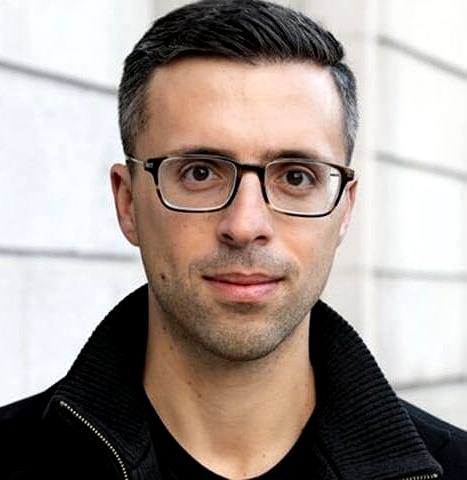
Ezra Klein's Book Recommendations
Ezra Klein is a prominent American journalist, political analyst, and author, renowned for his incisive commentary on politics and policy. He co-founded Vox, a widely respected news website known for its explanatory journalism, and served as its editor-in-chief. Klein's work includes the critically acclaimed book "Why We're Polarized," which delves into the deep-seated divisions in American politics. He also hosts "The Ezra Klein Show," a popular podcast where he interviews thought leaders from various fields. Klein's contributions have significantly shaped contemporary political discourse and media consumption.

Ray Dalio's Book Recommendations
Ray Dalio is the founder of Bridgewater Associates, one of the largest and most successful hedge funds in the world. He is also the author of the bestselling book Principles, where he outlines his philosophy on life, leadership, and investing. Ray is renowned for his unique approach to transparency, radical truth, and thoughtful disagreement within organizations. His insights into economics and investing have made him one of the most influential figures in the financial world. Dalio continues to be a thought leader in business, economics, and philanthropy.

Alex Honnold's Book Recommendations
Alex Honnold is an American professional rock climber, best known for his free solo ascent of El Capitan in Yosemite National Park, a feat that was documented in the Oscar-winning film Free Solo. Honnold is renowned for his mental toughness, technical skill, and ability to climb without ropes or safety equipment. His accomplishments have made him a legend in the climbing world, and he continues to push the boundaries of the sport. Outside of climbing, Honnold is a philanthropist, founding the Honnold Foundation, which supports environmental sustainability projects, particularly in solar energy.

Audrey Gelman's Book Recommendations
Audrey Gelman is an American entrepreneur and writer, best known as the co-founder and former CEO of The Wing, a network of co-working spaces and social clubs designed for women. She has been recognized for her innovative approach to creating supportive environments for professional women, significantly impacting feminist discourse and workplace equality. Gelman has also contributed thought-provoking essays to prominent publications such as The New York Times and The New Yorker, where she discusses gender, politics, and culture. Her leadership at The Wing has been celebrated for fostering community and collaboration among women. Additionally, Gelman's influence extends to the political sphere, having previously worked as a press aide on several high-profile campaigns.
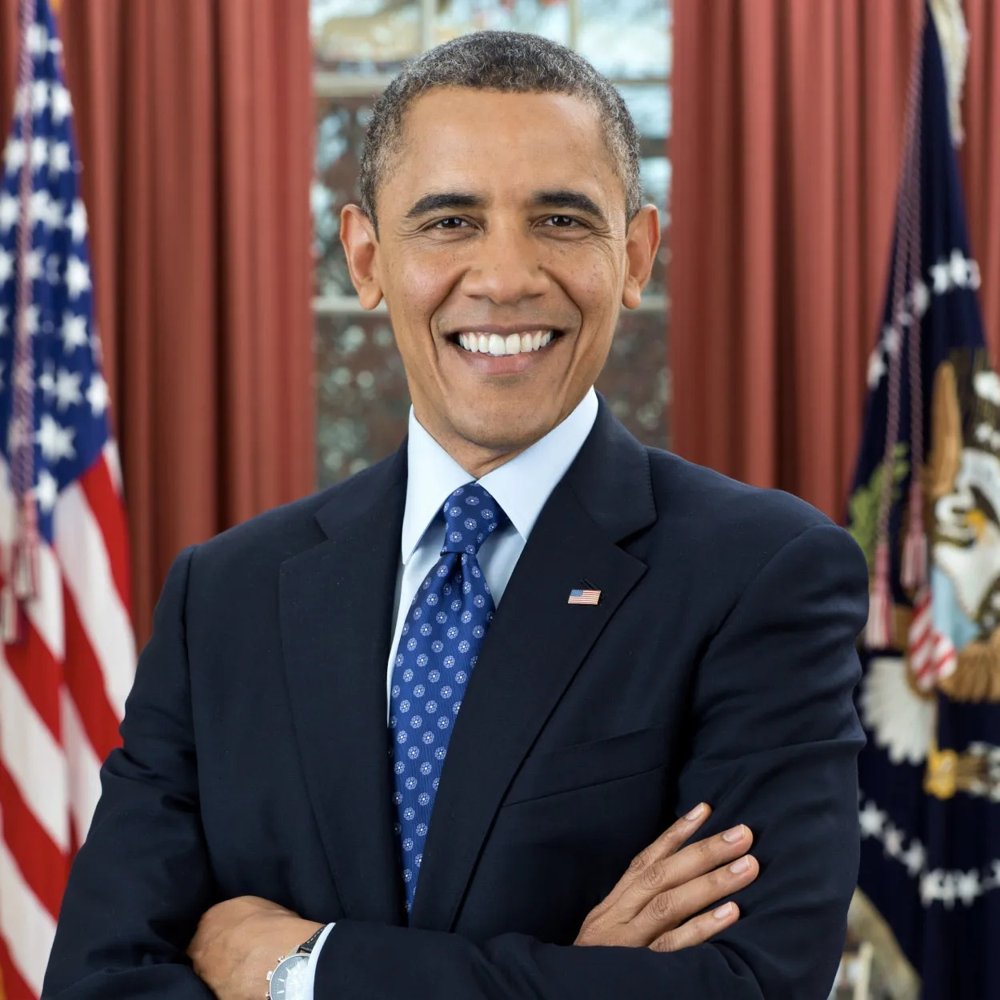
Barack Obama's Book Recommendations
Barack Obama is the 44th President of the United States, serving from 2009 to 2017. As the first African American president, Obama’s leadership marked a historic moment in American history. His administration focused on healthcare reform, economic recovery from the Great Recession, and environmental policies. He is best known for the Affordable Care Act, as well as his efforts to expand civil rights and restore diplomatic relations with Cuba. Since leaving office, Obama has continued to engage in public life through his foundation, focusing on leadership development, civic engagement, and global issues.
Showing 8 of 24 related collections
“"The struggle for freedom is not only a fight against oppression, but also a journey towards self-discovery and collective empowerment."”
No Gods, No Masters
By Daniel Gu�rin
Frequently Asked Questions
Explore Our Catalogue
Discover a world of knowledge through our extensive collection of book summaries.
Genres
Genres
Genres
Featured Collections
- Top Book Club Picks
- One-Stop Nutrition
- Summer Reads 2024
- Best Beach Reads 2024
- Work-Life Balance Guide
- Time Management
- Healthy Foods
- Entrepreneur Toolkit
- Mind & Body Wellness
- Future Tech Insights
- Leadership Essentials
- Financial Freedom
- Sci-Fi Masterpieces
- Parenting 101
- Books That Became Blockbusters
- Guide to a Healthy Pregnancy