
Start Listening to Book Summary
Book Review of Scipio Africanus
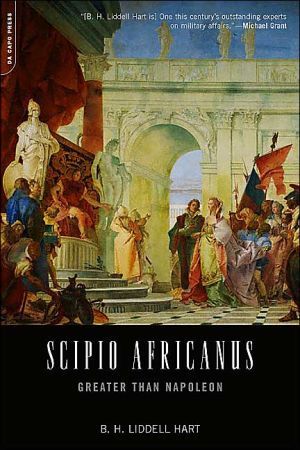
Scipio Africanus (236183 b.c.) was one of the most exciting and dynamic leaders in history. As commander, he never lost a battle. Yet it is his adversary, Hannibal, who has lived on in public memory.As B.H. Liddell Hart writes,"Scipio's battles are richer in stratagems and ruses--many still feasible today--than those of any other commander in history." Any military enthusiast or historian will find this to be an absorbing, gripping portrait.
Book Overview of Scipio Africanus
About the Book Author
Book Details
Key information about the book.
- Authors
- Published
- March 2004
- Publisher
- Da Capo Press
- ISBN
- 0306813637
- Language
- English
- Pages
- 312
- Genres
- Ancient HistoryHistory
Purchase Options
 Buy on Amazon
 Buy via BookShop
Support local bookstores: BookShop gives a portion of each sale to independent bookshops!
Similar books you might like →

The Better Baby Book Book Summary
In "The Better Baby Book," experts Jenna McCarthy and Dr. Jeremy McCarthy unveil groundbreaking insights into prenatal and early childhood health that can revolutionize your child’s development. This compelling guide is packed with science-backed strategies designed to optimize your baby's brain function, immune system, and overall well-being from conception through toddlerhood. Readers will discover how nutrition, environment, and even parenting choices can shape a child's future success. With practical tips and engaging anecdotes, this book sparks a journey into the fascinating world of early human development. Are you ready to unlock the secrets to raising a healthier, happier baby?

Guns, Germs, and Steel Book Summary
In 'Guns, Germs, and Steel,' Jared Diamond investigates the factors that have shaped human societies over the last 13,000 years. He argues that environmental differences, rather than racial genetics, have been the primary drivers of inequality among civilizations. The book explores how agriculture, technology, and disease have influenced the rise and fall of empires. Through compelling narratives and insightful analysis, Diamond uncovers the unexpected connections between geography and history. Readers are left questioning the very foundations of societal development and the future of humanity.
The Bitcoin Standard Book Summary
In 'The Bitcoin Standard', Saifedean Ammous explores the revolutionary concept of Bitcoin and how it serves as a new form of sound money. He delves into the historical context of money, tracing its evolution through various forms, from barter to fiat currencies. The book challenges conventional financial wisdom and posits that Bitcoin could reshape the global economy. Ammous argues that the adoption of Bitcoin represents not just a technological shift but a cultural one, emphasizing individual sovereignty and freedom. This thought-provoking read leaves readers questioning the future of money and the implications of a decentralized financial system.
Magicians of the Gods Book Summary
In 'Magicians of the Gods,' Graham Hancock unveils a breathtaking exploration of ancient civilizations and their lost knowledge. Delving deep into archaeological mysteries, he challenges the conventional narratives of history, suggesting that advanced cultures existed long before recorded time. Hancock presents compelling evidence that our ancestors possessed a sophisticated understanding of cosmic forces and earth's secrets. Through captivating storytelling, he ardently argues that a global catastrophe may have wiped out these civilizations, sending humanity back to the Stone Age. This provocative journey invites readers to reconsider the foundations of our past and the tantalizing possibility of forgotten wisdom.

A History of the Wife Book Summary
In 'A History of the Wife', Marilyn Yalom unveils the often-overlooked narratives of women throughout history, exploring the evolution of marriage and the roles of wives in society. Through a blend of historical analysis and personal anecdotes, Yalom reveals the complex dynamics between love, obligation, and identity. Readers journey through various cultures and time periods, witnessing the shifting expectations placed on wives. This illuminating work challenges conventional views on marriage, inviting reflection on contemporary relationships. A must-read for anyone curious about how the past influences the present in the realm of love and partnership.
The City in History Book Summary
In 'The City in History,' Lewis Mumford explores the evolution of urban life from ancient times to the modern metropolis. He argues that cities are not just physical structures but reflections of human values and societal progress. Mumford delves into the interplay between architecture, technology, and culture, revealing how they shape the human experience. With incisive critiques and vivid historical examples, he presents a vision of the ideal city that promotes both individuality and community. This thought-provoking journey challenges readers to reconsider the role of cities in their own lives and the future of civilization.
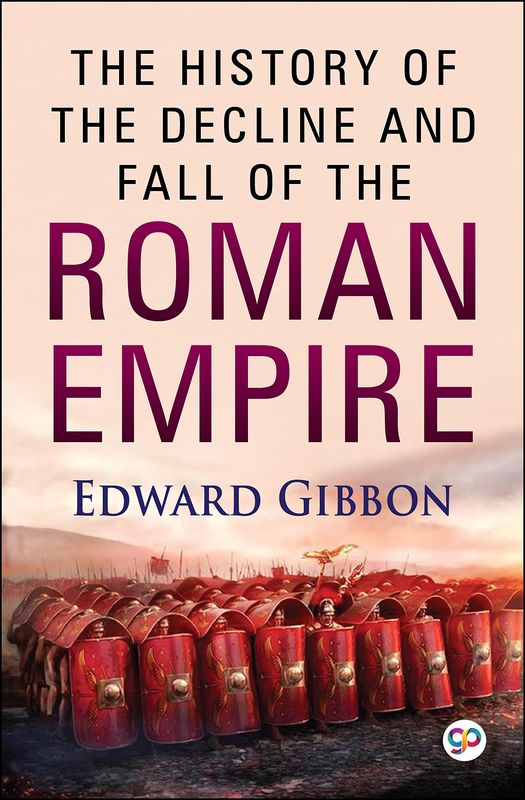
The History of the Decline & Fall of the Roman Empire Book Summary
In 'The History of the Decline & Fall of the Roman Empire,' Edward Gibbon meticulously chronicles the mighty empire's descent into chaos and obscurity. With eloquent prose, Gibbon unveils the interplay of political intrigue, moral decay, and military defeats that eroded Rome's power. His analysis does not merely recount events but delves into the philosophical implications of decline and the lessons for future societies. As empires rise and fall, engage with the timeless questions Gibbon poses about civilization itself. Dive into this monumental work to understand how history shapes our present and future.
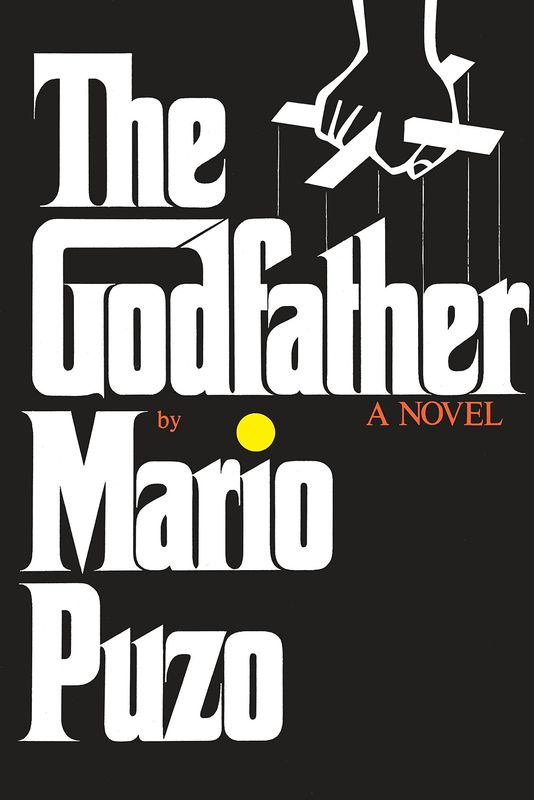
The Godfather Book Summary
In 'The Godfather,' Mario Puzo immerses readers into the dark and dangerous world of the Mafia. At the center of it all is Don Vito Corleone, a powerful patriarch whose influence shapes the fate of his family and enemies alike. As betrayal and vengeance unfold, his youngest son, Michael, transforms from a reluctant outsider to a ruthless leader. This gripping tale of power, loyalty, and moral ambiguity begs the question: what price will one pay for family and ambition? Dive into a saga of crime and conviction that redefines the meaning of the American Dream.
Showing 8 of 28 similar books
Take your reading experience to the next level
Download our mobile app to enjoy your favorite books on the go. Get access to exclusive features, offline listening, and personalized recommendations.

Similar Book Recommendations →

Chris Dixon's Book Recommendations
Chris Dixon is a notable venture capitalist and technology entrepreneur, best known for his influential role as a general partner at Andreessen Horowitz, where he leads investments in cryptocurrency and blockchain technology. Before joining the firm, Dixon co-founded two startups: SiteAdvisor, a web security company acquired by McAfee, and Hunch, a recommendation engine acquired by eBay. In addition to his investment career, Dixon is a prolific writer and thought leader on technology and innovation, contributing insightful essays and articles to various platforms such as his personal blog and Medium. His writings often explore the future of technology, the internet, and the impact of blockchain, making significant contributions to contemporary tech literature. Dixon's work has earned him recognition as a visionary in both the tech and literary worlds.

Charlie Munger's Book Recommendations
Charlie Munger is an American investor, businessman, and philanthropist, best known as the vice chairman of Berkshire Hathaway, where he partners with Warren Buffett. Renowned for his insights on investment strategies and mental models, Munger has significantly influenced the world of finance. His notable literary contributions include "Poor Charlie's Almanack," a compilation of his speeches and writings that distill his wisdom on decision-making and business principles. Munger's work emphasizes the importance of multidisciplinary thinking and continuous learning. Beyond his financial acumen, he is celebrated for his charitable efforts, particularly in education and healthcare.

Alex Honnold's Book Recommendations
Alex Honnold is an American professional rock climber, best known for his free solo ascent of El Capitan in Yosemite National Park, a feat that was documented in the Oscar-winning film Free Solo. Honnold is renowned for his mental toughness, technical skill, and ability to climb without ropes or safety equipment. His accomplishments have made him a legend in the climbing world, and he continues to push the boundaries of the sport. Outside of climbing, Honnold is a philanthropist, founding the Honnold Foundation, which supports environmental sustainability projects, particularly in solar energy.

Bill Gates's Book Recommendations
Bill Gates, co-founder of Microsoft Corporation, is a pioneering figure in the tech industry, having played a key role in the personal computer revolution. His work at Microsoft, particularly the development of Windows, transformed software and computing globally. Beyond his technology contributions, Gates is also a prolific author, with notable works such as "The Road Ahead" and "Business @ the Speed of Thought," which offer insights into the future of technology and business. Additionally, his philanthropic efforts through the Bill & Melinda Gates Foundation have had a profound impact on global health, education, and poverty. Gates continues to influence both technology and literature with his forward-thinking perspectives and innovative ideas.

Mark Manson's Book Recommendations
Mark Manson is a best-selling author and personal development expert known for his candid and no-nonsense approach to self-help. His most notable work, "The Subtle Art of Not Giving a F*ck," has sold millions of copies worldwide and has been translated into numerous languages, resonating with readers for its practical advice and irreverent tone. Manson followed up with another successful book, "Everything Is F*cked: A Book About Hope," which further cemented his reputation as a thought leader in modern existentialism. In addition to his books, he runs a popular blog that delves into topics ranging from happiness to personal growth. His work has not only transformed the self-help genre but also influenced a global audience seeking authentic and actionable guidance.

Aubrey Marcus's Book Recommendations
Aubrey Marcus is an influential entrepreneur, author, and podcaster, best known for founding Onnit, a health and wellness company dedicated to optimizing human performance. He authored the acclaimed book "Own the Day, Own Your Life," which offers practical advice on improving daily routines for overall well-being. Marcus's contributions to literature extend through his insightful podcasts and articles that delve into personal development, mental health, and holistic living. As a thought leader, he has inspired countless individuals to pursue a balanced and fulfilling life. His work continues to resonate with a global audience, promoting a message of self-empowerment and holistic health.

Daymond John's Book Recommendations
Daymond John is a successful entrepreneur, motivational speaker, and author, best known as a star investor on the television show "Shark Tank." He founded the urban apparel company FUBU, which grew into a multi-billion dollar brand. As an author, John has penned several influential books, including the New York Times bestsellers "The Power of Broke" and "Rise and Grind," which offer insights into entrepreneurship and personal development. His work emphasizes the importance of resilience, hard work, and creativity in achieving success. Through his books and public speaking, John has inspired countless individuals to pursue their business dreams and overcome obstacles.

Ben Horowitz's Book Recommendations
Ben Horowitz is a prominent American entrepreneur, investor, and author, best known for co-founding the venture capital firm Andreessen Horowitz. He made significant contributions to the tech industry through his leadership roles at Netscape and as co-founder of the software company Opsware, which was later acquired by Hewlett-Packard. Horowitz is celebrated for his insightful business book, "The Hard Thing About Hard Things," which provides candid advice on the challenges of entrepreneurship. His follow-up book, "What You Do Is Who You Are," explores the importance of company culture in business success. Horowitz's works are highly regarded for their practical wisdom and have influenced countless leaders in the tech and business communities.
Showing 8 of 9 related collections
Frequently Asked Questions
Explore Our Catalogue
Discover a world of knowledge through our extensive collection of book summaries.
Genres
Genres
Genres
Featured Collections
- Top Book Club Picks
- One-Stop Nutrition
- Summer Reads 2024
- Best Beach Reads 2024
- Work-Life Balance Guide
- Time Management
- Healthy Foods
- Entrepreneur Toolkit
- Mind & Body Wellness
- Future Tech Insights
- Leadership Essentials
- Financial Freedom
- Sci-Fi Masterpieces
- Parenting 101
- Books That Became Blockbusters
- Guide to a Healthy Pregnancy