Skin in the Game Book Summary
In 'Skin in the Game,' Nassim Nicholas Taleb explores the profound risks of decision-making that doesn't involve personal stakes. He unveils how those with power often evade the consequences of their actions while the vulnerable bear the brunt of systemic failures. Through compelling anecdotes and sharp insights, Taleb emphasizes the importance of having 'skin in the game' in economics, politics, and life. His thought-provoking arguments challenge conventional wisdom and demand accountability in our interconnected worlds. This book is an essential read for anyone seeking to understand the real implications of risk and responsibility.
By Nassim Nicholas Taleb
Published: 2019
"The man who is afraid will do anything."


Start Listening to Book Summary
Book Review of Skin in the Game
Why should we never listen to people who explain rather than do? Why do companies go bust? How is it that we have more slaves today than in Roman times? Why does imposing democracy on other countries never work? The answer- too many people running the world don't have skin in the game. In this provocative book, Nassim Nicholas Taleb shows that skin in the game applies to all aspects of our lives. It's about having something to lose and taking a risk. Citizens, lab experimenters, artisans, political activists and hedge fund traders all have skin in the game. Policy wonks, corporate executives, theoreticians, bankers and most journalists don't.
Book Overview of Skin in the Game
About the Book Author
Nassim Nicholas Taleb
Nassim Nicholas Taleb is a Lebanese-American philosopher, scholar, and financial trader, best known for his works on probability, uncertainty, and risk. He gained widespread recognition for his books, particularly "The Black Swan," which explores the impact of rare, unpredictable events on the world. Taleb has a background in mathematics and finance, having studied at the University of Pennsylvania and the University of Massachusetts. His ideas challenge conventional thinking, advocating for a more robust approach to dealing with uncertainty in various domains, from economics to life itself. In addition to his writing, he is known for his engaging and often provocative public speaking and for promoting the concept of "Antifragility," which describes systems that gain from disorder.
Book Details
Key information about the book.
- Authors
- Nassim Nicholas Taleb
- Published
- February 2019
- Publisher
- Penguin Press
- ISBN
- 0141982659
- Language
- English
- Pages
- 279
- Genres
- Political PhilosophyBusiness and EconomicsSocial CommentaryEconomic PolicyPolitics and Current Affairs
Purchase Options
 Buy on Amazon
 Buy via BookShop
Support local bookstores: BookShop gives a portion of each sale to independent bookshops!
Similar books you might like →
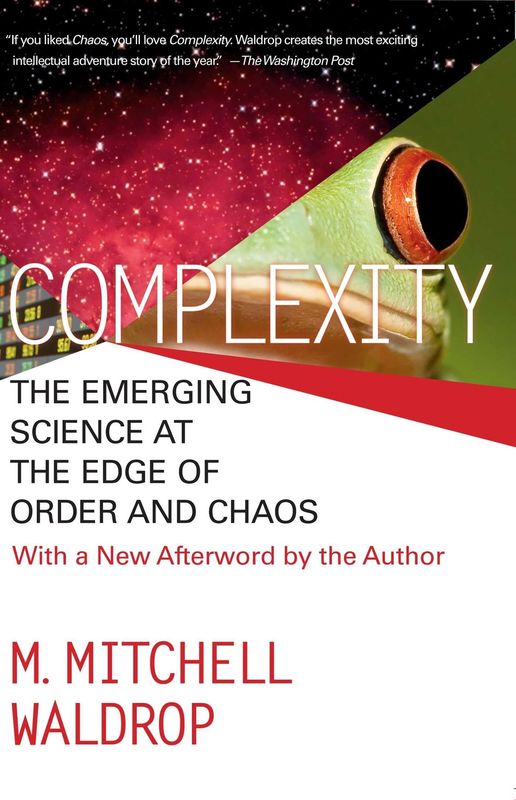
Complexity Book Summary
In 'Complexity', Mitchell M. Waldrop invites readers into the fascinating world of complex systems and how they govern everything from ecosystems to economies. He weaves together stories of scientists, mathematicians, and theorists who are unraveling the underlying principles of complexity. As he explores the intersection of chaos and order, Waldrop reveals how simple rules can give rise to intricate behaviors in nature and society. Readers will discover the profound implications of complexity theory on understanding phenomena like the internet and climate change. This captivating exploration challenges us to rethink our perceptions of order and predictability in a world that is anything but simple.

Reagan Versus The Sandinistas Book Summary
"Reagan Versus The Sandinistas" delves into the intense political battle between the Reagan administration and the Sandinista government in Nicaragua during the 1980s. This gripping narrative uncovers the complexities of U.S. foreign policy and its implications for Latin America, revealing both covert actions and public confrontations. With a wealth of archival research, the authors illuminate the motivations behind Reagan's attempts to undermine leftist movements and support rebels. Through vivid accounts and firsthand testimonies, the book showcases the human stories behind the geopolitical chess game. Readers will find themselves questioning the ethical boundaries of political intervention and its lasting impact on a region caught in the crossfire.
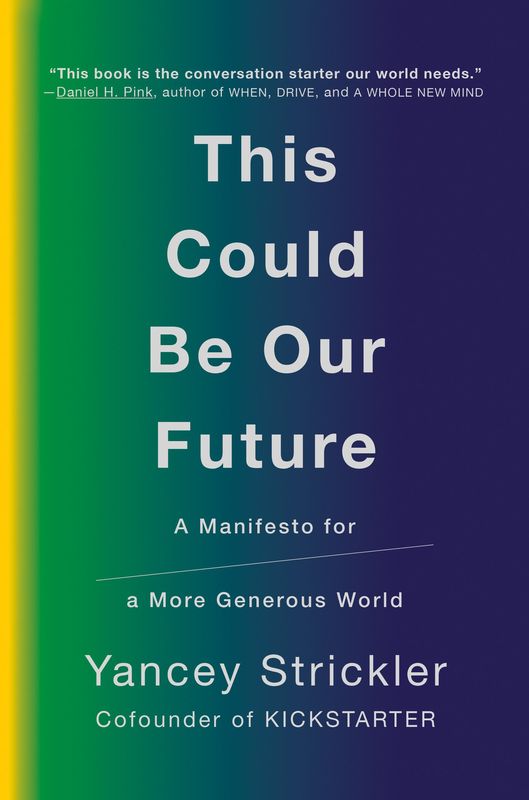
This Could be Our Future Book Summary
In 'This Could be Our Future', Yancey Strickler invites readers to envision a world crafted by the choices we make today. He challenges conventional ideas of capitalism, presenting a bold blueprint for a society driven by purpose over profit. Strickler's thought-provoking insights explore the intersection of technology, culture, and ethics, urging us to reconsider what truly matters. With a blend of optimism and realism, the book inspires a movement towards more meaningful living. As you turn the pages, you'll find yourself questioning: what kind of future do you really want?
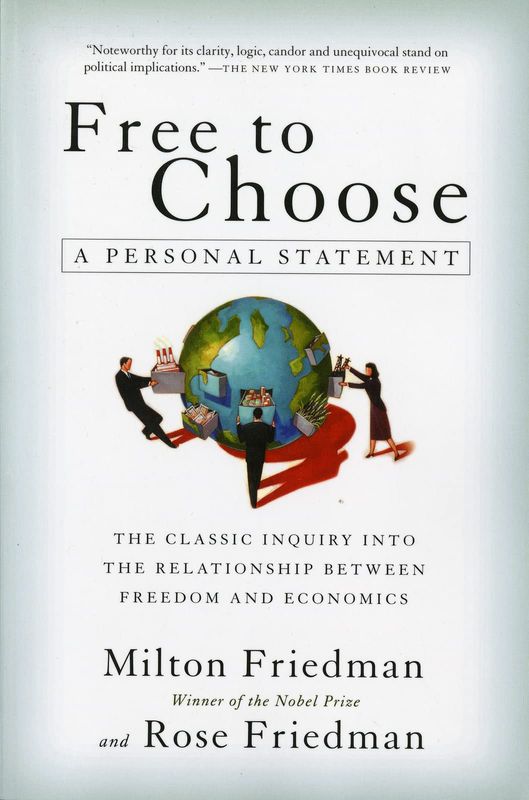
Free to Choose Book Summary
In 'Free to Choose', Milton and Rose Friedman challenge the conventional wisdom about government and economy, advocating for individual freedom over state control. They argue that personal choice is a fundamental right and is essential for a prosperous society. Through compelling anecdotes and rigorous analysis, they illustrate how free markets lead to innovation and growth. By debunking myths surrounding government intervention, they inspire readers to consider the implications of their beliefs on liberty and responsibility. This thought-provoking work not only critiques policies but also empowers individuals to seek and embrace their freedom.

Society of the Spectacle Book Summary
In 'Society of the Spectacle', Guy Debord critiques the pervasive influence of images and media in modern society. He explores how authentic social interactions are replaced by representations, leading to alienation and passive consumption. Debord argues that the spectacle - a mediated reality - shapes our perceptions and desires, turning life into mere spectacle. With a blend of philosophy and political theory, he challenges readers to reevaluate their relationship with the media. This thought-provoking work invites you to question the very fabric of contemporary existence and the power dynamics at play.

Infidel Book Summary
In 'Infidel,' Ayaan Hirsi Ali recounts her harrowing journey from a traditional Muslim upbringing in Somalia to becoming a fierce advocate for women's rights and a critic of Islam. Her narrative is filled with personal struggles, including fleeing an arranged marriage and seeking asylum in the Netherlands. Ali's bold insights challenge societal norms and expose the dark realities of life under oppressive regimes. Through her story, she explores themes of faith, identity, and the quest for freedom. Will her journey inspire others to question the limitations of their own beliefs?
Learning to Love Yourself Book Summary
In 'Learning to Love Yourself,' Gay Hendricks takes readers on a transformative journey to discover the power of self-acceptance. Through a combination of personal anecdotes and practical exercises, he unveils the profound impact of loving oneself on relationships and overall happiness. Hendricks challenges societal norms that often breed self-doubt, encouraging a radical shift in mindset. As readers explore their inner dialogues, they are invited to break free from the chains of criticism and embrace their true essence. This book is not just a guide; it's an awakening that promises to reshape your understanding of love—starting from within.

A Sand County Almanac, and Sketches Here and There Book Summary
In 'A Sand County Almanac,' Aldo Leopold invites readers into the natural world of the American Midwest, exploring the intricate relationships between land and the creatures that inhabit it. Through poetic prose and keen observations, he argues for a land ethic that respects and preserves the environment for future generations. Each month not only marks the passage of time but also unveils the beauty and struggles of nature's cycles. Leopold's sketches and reflections challenge our understanding of ecology and our role within it. This timeless work inspires a deep appreciation for nature and a call to action for stewardship.
Showing 8 of 29 similar books
Take your reading experience to the next level
Download our mobile app to enjoy your favorite books on the go. Get access to exclusive features, offline listening, and personalized recommendations.

Similar Book Recommendations →
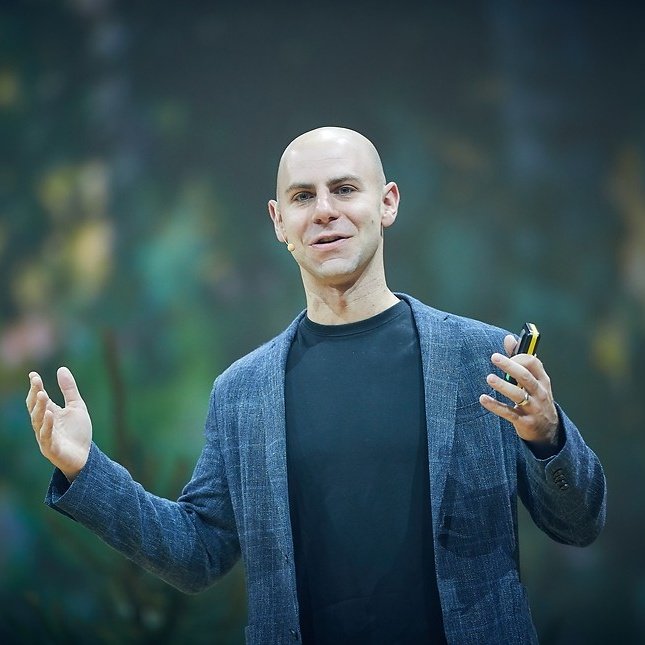
Adam Grant's Book Recommendations
Adam Grant is a renowned organizational psychologist and bestselling author, celebrated for his influential work on motivation and workplace dynamics. He is a professor at the Wharton School of the University of Pennsylvania, where he has been the youngest tenured professor and earned numerous teaching awards. Grant's books, including "Give and Take," "Originals," and "Think Again," have been translated into multiple languages and have topped bestseller lists worldwide. His research and insights are frequently featured in major media outlets, and he hosts the popular podcast "WorkLife." Through his writing and speaking, Grant has profoundly impacted the fields of psychology, business, and education.

Barack Obama's Book Recommendations
Barack Obama is the 44th President of the United States, serving from 2009 to 2017. As the first African American president, Obama’s leadership marked a historic moment in American history. His administration focused on healthcare reform, economic recovery from the Great Recession, and environmental policies. He is best known for the Affordable Care Act, as well as his efforts to expand civil rights and restore diplomatic relations with Cuba. Since leaving office, Obama has continued to engage in public life through his foundation, focusing on leadership development, civic engagement, and global issues.

Bridget Phetasy's Book Recommendations
Bridget Phetasy is a multi-talented writer, comedian, and podcaster known for her sharp wit and insightful commentary on contemporary culture and politics. She gained prominence through her work with Playboy, where her essays and columns attracted a wide readership. Bridget is the host of the popular podcast "Walk-Ins Welcome," where she engages in deep, humorous conversations with a variety of guests. Her candid and often provocative takes on societal issues have garnered her a loyal following on social media. Additionally, she created the satirical YouTube series "Dumpster Fire," where she humorously dissects current events.

Ana Fabrega's Book Recommendations
Ana Lorena Fabrega is an innovative educator and author passionate about reimagining education. Known as “Ms. Fab,” she is the Chief Evangelist at Synthesis, an education startup inspired by the problem-solving and collaboration model used at SpaceX. She advocates for alternative learning methods, encouraging curiosity and creativity in students. Ana's work emphasizes the importance of engaging young learners in real-world challenges and critical thinking. She also shares insights on education reform through her popular newsletter, Fab Fridays.
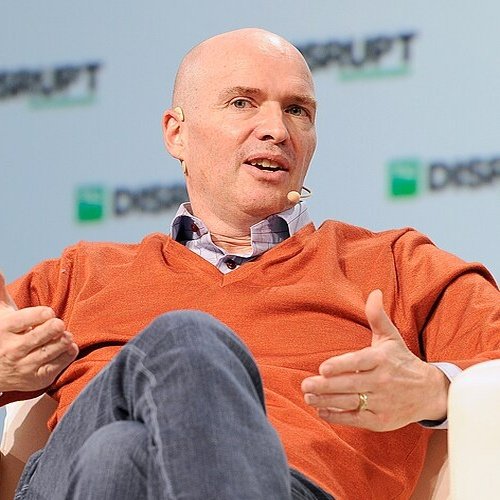
Ben Horowitz's Book Recommendations
Ben Horowitz is a prominent American entrepreneur, investor, and author, best known for co-founding the venture capital firm Andreessen Horowitz. He made significant contributions to the tech industry through his leadership roles at Netscape and as co-founder of the software company Opsware, which was later acquired by Hewlett-Packard. Horowitz is celebrated for his insightful business book, "The Hard Thing About Hard Things," which provides candid advice on the challenges of entrepreneurship. His follow-up book, "What You Do Is Who You Are," explores the importance of company culture in business success. Horowitz's works are highly regarded for their practical wisdom and have influenced countless leaders in the tech and business communities.

Brad Feld's Book Recommendations
Brad Feld is a prominent American entrepreneur, venture capitalist, and author known for his influential work in the startup ecosystem. Co-founder of the Foundry Group, he has played a pivotal role in funding and mentoring early-stage technology companies. Feld is also a key figure behind the Techstars accelerator program, which has helped launch numerous successful startups. As an author, he has penned several essential books on entrepreneurship and venture capital, including "Venture Deals" and "Startup Communities," which provide invaluable insights for aspiring entrepreneurs and investors. His writings and active blogging have cemented his reputation as a thought leader in the tech and startup communities.
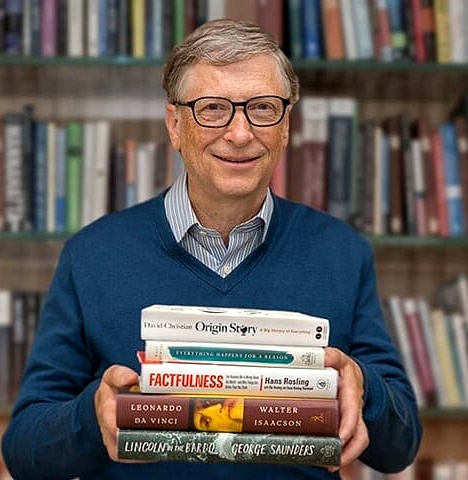
Bill Gates's Book Recommendations
Bill Gates, co-founder of Microsoft Corporation, is a pioneering figure in the tech industry, having played a key role in the personal computer revolution. His work at Microsoft, particularly the development of Windows, transformed software and computing globally. Beyond his technology contributions, Gates is also a prolific author, with notable works such as "The Road Ahead" and "Business @ the Speed of Thought," which offer insights into the future of technology and business. Additionally, his philanthropic efforts through the Bill & Melinda Gates Foundation have had a profound impact on global health, education, and poverty. Gates continues to influence both technology and literature with his forward-thinking perspectives and innovative ideas.

Gretchen Rubin's Book Recommendations
Gretchen Rubin is a bestselling author and happiness expert, best known for her books The Happiness Project and Better Than Before. She explores the science of habits, happiness, and human behavior, helping readers improve their everyday lives. Gretchen’s popular podcast, Happier with Gretchen Rubin, offers practical advice and personal anecdotes to cultivate a more joyful and meaningful life. Her work emphasizes small, daily changes that can lead to long-term well-being. She continues to be a sought-after speaker on topics of happiness and habit formation.
Showing 8 of 12 related collections
“The man who is afraid will do anything.”
Skin in the Game
By Nassim Nicholas Taleb
Frequently Asked Questions
Explore Our Catalogue
Discover a world of knowledge through our extensive collection of book summaries.
Genres
Genres
Genres
Featured Collections
- Top Book Club Picks
- One-Stop Nutrition
- Summer Reads 2024
- Best Beach Reads 2024
- Work-Life Balance Guide
- Time Management
- Healthy Foods
- Entrepreneur Toolkit
- Mind & Body Wellness
- Future Tech Insights
- Leadership Essentials
- Financial Freedom
- Sci-Fi Masterpieces
- Parenting 101
- Books That Became Blockbusters
- Guide to a Healthy Pregnancy