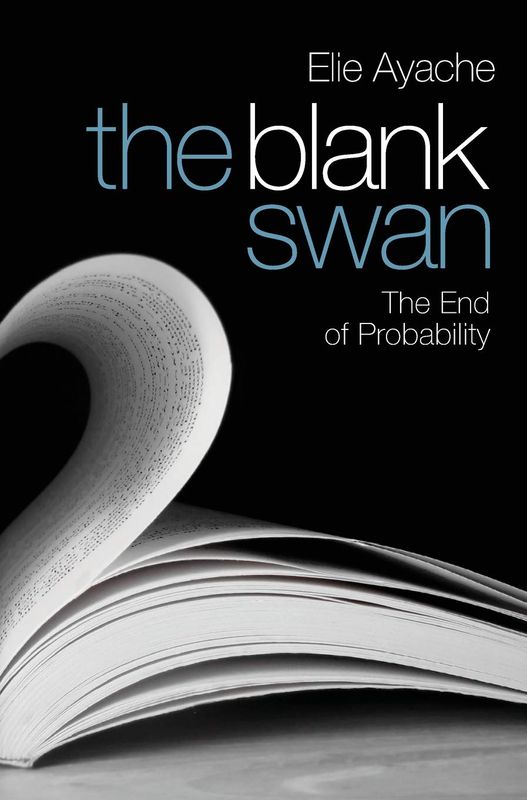
The Blank Swan Book Summary
In 'The Blank Swan', Elie Ayache challenges conventional notions of finance and markets, presenting a radical exploration of risk and uncertainty. Through the metaphor of a swan, he delves into the unseen forces driving economic behavior, suggesting that what is not visible often holds more power than what is. Ayache's prose is both poetic and philosophical, inviting readers to rethink their understanding of value in a chaotic world. As he weaves together elements of mathematics, philosophy, and market theory, he leaves us questioning the very foundations of our financial systems. Are we brave enough to gaze into the unsettling unknown he reveals?
By Elie Ayache
Published: 2010
""In the world of finance, where unpredictability reigns supreme, the true challenge lies not in forecasting the future, but in embracing the fluidity of chance and the blank canvas of possibility.""

Start Listening to Book Summary
Book Review of The Blank Swan
October 19th 1987 was a day of huge change for the global finance industry. On this day the stock market crashed, the Nobel Prize winning Black-Scholes formula failed and volatility smiles were born, and on this day Elie Ayache began his career, on the trading floor of the French Futures and Options Exchange. Experts everywhere sought to find a model for this event, and ways to simulate it in order to avoid a recurrence in the future, but the one thing that struck Elie that day was the belief that what actually happened on 19th October 1987 is simply non reproducible outside 19th October 1987 - you cannot reduce it to a chain of causes and effects, or even to a random generator, that can then be reproduced or represented in a theoretical framework. The Blank Swan is Elie's highly original treatise on the financial markets presenting a totally revolutionary rethinking of derivative pricing and technology. It is not a diatribe against Nassim Taleb's The Black Swan, but criticises the whole background or framework of predictable and unpredictable events white and black swans alike , i.e. the very category of prediction. In this revolutionary book, Elie redefines the components of the technology needed to price and trade derivatives. Most importantly, and drawing on a long tradition of philosophy of the event from Henri Bergson to Gilles Deleuze, to Alain Badiou, and on a recent brand of philosophy of contingency, embodied by the speculative materialism of Quentin Meillassoux, Elie redefines the market itself against the common perceptions of orthodox financial theory, general equilibrium theory and the sociology of finance. This book will change the way that we think about derivatives and approach the market. If anything, derivatives should be renamed contingent claims, where contingency is now absolute and no longer derivative, and the market is just its medium. The book also establishes the missing link between quantitative modelling (no longer dependent on probability theory but on a novel brand of mathematics which Elie calls the mathematics of price) and the reality of the market.
Book Overview of The Blank Swan
About the Book Author
Elie Ayache
Elie Ayache is a prominent French author and philosopher, recognized for his unique contributions to contemporary literature. His notable works include 'The Notion of Experience,' 'The Infinite,' and 'The Lost Books,' where he explores complex themes such as identity, existence, and the nature of language. Ayache's writing is characterized by its blend of philosophical inquiry and poetic expression, often challenging conventional narrative structures. He is also well-regarded for his insights into the intersection of finance and literature, reflecting his diverse interests and intellectual depth.
Book Details
Key information about the book.
- Authors
- Elie Ayache
- Published
- May 2010
- Publisher
- John Wiley & Sons
- ISBN
- 0470725222
- Language
- English
- Pages
- 501
- Genres
- Philosophy of MindFinancePhilosophyBehavioral Finance
Purchase Options
 Buy on Amazon
 Buy via BookShop
Support local bookstores: BookShop gives a portion of each sale to independent bookshops!
Similar books you might like →
Black Edge Book Summary
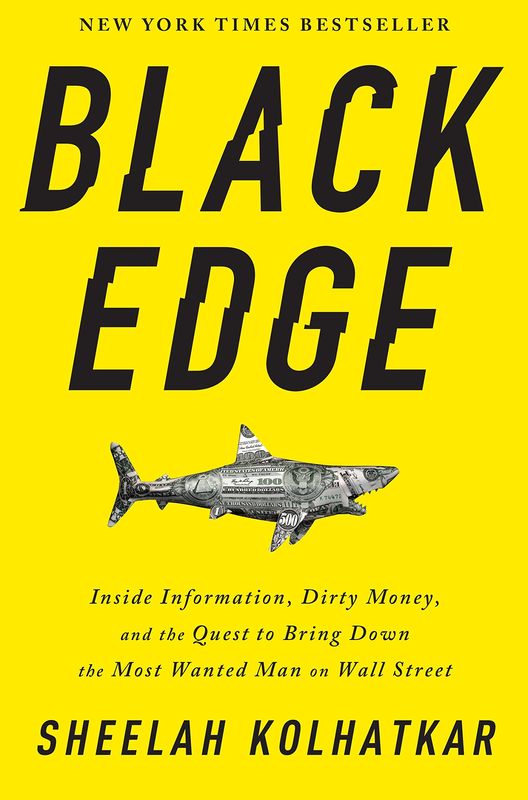
In "Black Edge," investigative journalist Sheelah Kolhatkar delves into the high-stakes world of hedge funds and the enigmatic figure of Steven A. Cohen. As she unravels the saga of insider trading, greed, and Wall Street's murky ethics, the book pulls readers into a gripping tale of ambition that spans decades. With intellectual prowess and audacious risk-taking, Cohen's rise to power raises questions about the moral compass of finance. Kolhatkar's penetrating analysis unveils the dark side of wealth and the relentless pursuit of success, leaving readers questioning the true cost of ambition. Will you dare to uncover the secrets of a financial titan and the shadowy underworld they inhabit?
A Random Walk Down Wall Street: The Time-Tested Strategy for Successful Investing (Ninth Edition) Book Summary
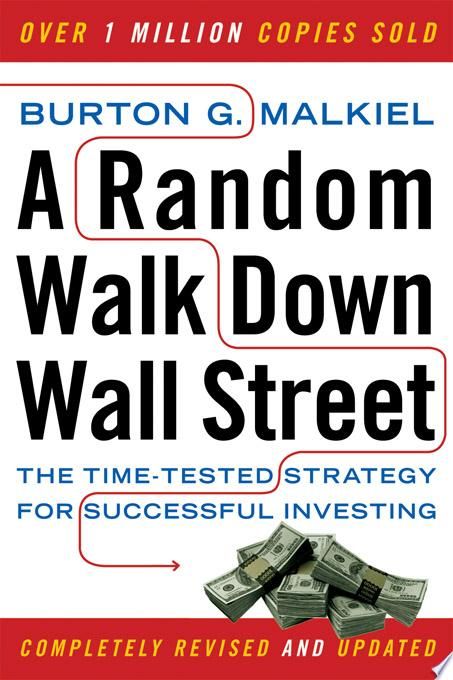
In "A Random Walk Down Wall Street," Burton Malkiel challenges the myth of market predictability and unveils the chaos underlying financial markets. Through engaging anecdotes and sharp insights, he demystifies complex investment strategies while advocating for the simplicity of index funds. Readers are taken on a journey through the history of financial theory and practical investing advice, revealing how randomness shapes market movements. Malkiel's compelling arguments will make you question conventional wisdom and reconsider your approach to investing. Are you ready to explore the unpredictable world of finance and learn how to navigate it wisely?
The Big Ship and the Little Digger Book Summary
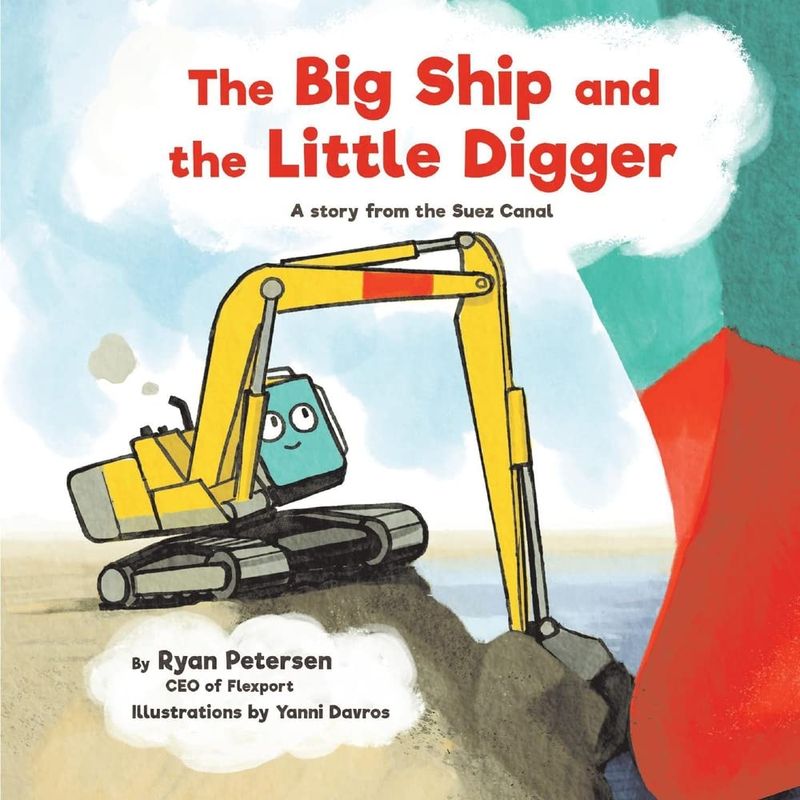
In 'The Big Ship and the Little Digger,' Ryan Petersen takes readers on an adventurous journey where an enormous ship meets a tiny digger on a bustling construction site. The unlikely duo discovers the importance of teamwork as they combine their unique strengths to overcome challenges. As they navigate obstacles together, their friendship blossoms, proving that size doesn’t determine capability. Vibrant illustrations bring the story to life, making it a visual treat for young readers. This tale inspires curiosity about friendship and collaboration, encouraging children to see the value in their differences.
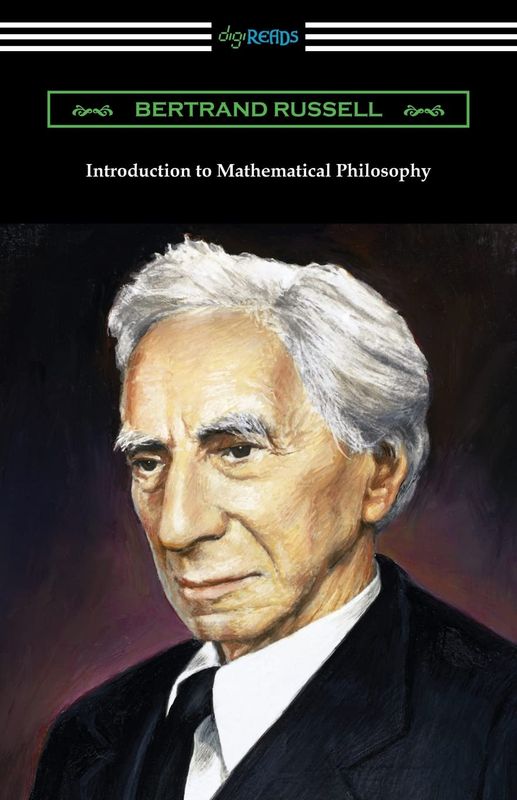
Introduction to Mathematical Philosophy Book Summary
In 'Introduction to Mathematical Philosophy,' Bertrand Russell takes readers on a fascinating journey through the foundations of mathematics and its philosophical implications. He explores concepts such as numbers, infinity, and the nature of mathematical truth, challenging conventional thinking. With his unique blend of clarity and insight, Russell demystifies complex ideas, revealing the profound connections between logic and mathematics. This thought-provoking work not only invites readers to rethink their understanding of numbers but also questions the very essence of reality itself. A must-read for anyone intrigued by the interplay of philosophy and mathematics, this book promises to expand your horizons.
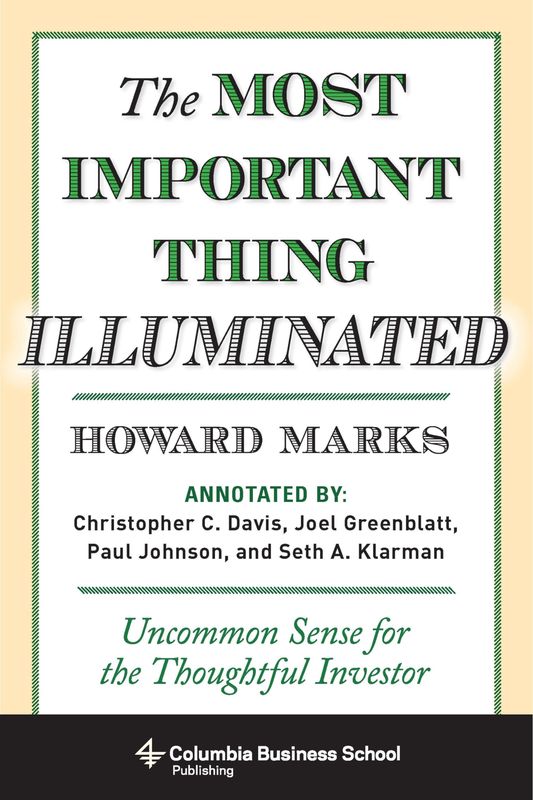
The Most Important Thing Illuminated Book Summary
In 'The Most Important Thing Illuminated', Howard Marks shares invaluable insights on the philosophy and strategy of investing, blending personal anecdotes with timeless wisdom. This compelling guide challenges readers to rethink conventional investment beliefs and highlights the critical importance of risk assessment. Marks emphasizes the psychological aspects of investing and the necessity of a long-term perspective. With a mix of clarity and depth, he navigates complex concepts, making them accessible and engaging. Whether a novice or experienced investor, this book promises to illuminate the path to financial success and understanding.
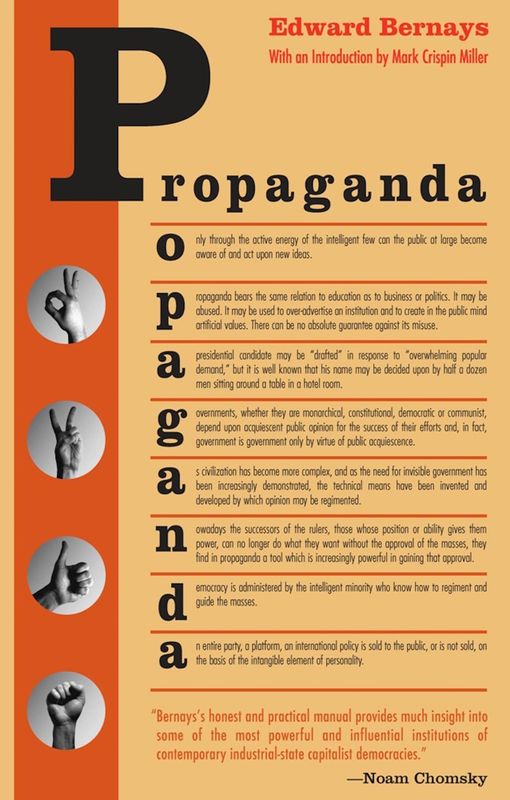
Propaganda Book Summary
In 'Propaganda,' Edward L. Bernays unveils the art and science behind manipulating public perception. Often dubbed the father of public relations, Bernays shares how he harnessed the power of media to shape opinions and consumer behavior. This groundbreaking work walks readers through historical case studies that reveal the hidden forces driving societal change. With insights that resonate today, Bernays challenges us to consider the ethical implications of influence and persuasion. Prepare to dive into a world where thoughts are crafted and reality is molded - are you ready to see behind the curtain?
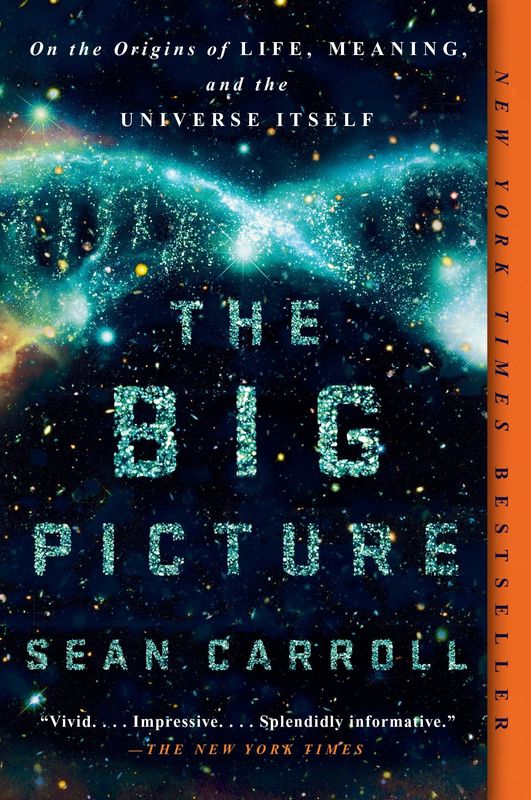
The Big Picture Book Summary
In 'The Big Picture', physicist Sean Carroll invites readers to explore the fascinating intersections of science, philosophy, and the meaning of life. He delves into the fundamental nature of reality, presenting complex concepts in a captivating and accessible manner. With a blend of narratives and profound insights, Carroll challenges us to consider our place in the universe. As he unravels the mysteries of existence, readers are urged to reflect on the implications of science for understanding consciousness and our everyday experiences. This thought-provoking journey leaves us questioning: what does it truly mean to be human in a cosmos governed by natural laws?
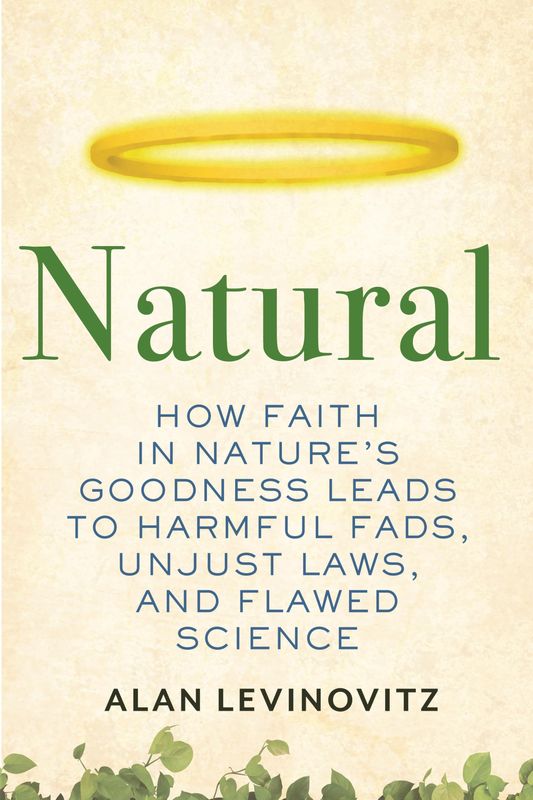
Natural Book Summary
In 'Natural,' Alan Levinovitz unravels the myth of nature as a paragon of virtue, revealing how the concept of the 'natural' has been misused in health and food industries. He argues that what we deem 'natural' often obscures more significant ethical and scientific truths. With a blend of wit and critical analysis, Levinovitz invites readers to question the allure of nature as synonymous with goodness. Is the natural world truly superior, or is it merely a marketing ploy? This provocative exploration challenges our convictions and encourages a deeper understanding of what 'natural' really means.
Showing 8 of 29 similar books
Take your reading experience to the next level
Download our mobile app to enjoy your favorite books on the go. Get access to exclusive features, offline listening, and personalized recommendations.

Similar Book Recommendations →

David Heinemeier Hansson's Book Recommendations
David Heinemeier Hansson, also known as DHH, is a Danish programmer, entrepreneur, and author, best known as the creator of Ruby on Rails, a popular web application framework. Heinemeier Hansson is also a partner at Basecamp, a project management and collaboration software company he co-founded. His contributions to software development have earned him widespread recognition, with Ruby on Rails being used by thousands of developers and companies worldwide. Heinemeier Hansson is also a vocal advocate for remote work, simplicity in business, and sustainable work practices, ideas he explores in his bestselling books Rework and It Doesn’t Have to Be Crazy at Work. In addition to his work in tech, he is an accomplished race car driver, having competed in the 24 Hours of Le Mans. Heinemeier Hansson’s approach to work-life balance and entrepreneurship has made him a thought leader in the tech community, where he continues to challenge traditional business practices and advocate for more human-centered approaches to work

Julian Shapiro's Book Recommendations
Julian Shapiro is a renowned writer and entrepreneur, acclaimed for his insightful essays on personal growth and marketing strategies. He is the author of "The Julian Shapiro Collection," a compilation of his most impactful writings that have garnered a wide readership online. Shapiro co-founded the growth marketing agency Bell Curve, where he has helped numerous startups achieve exponential growth. His work often blends practical advice with deep philosophical inquiries, making complex subjects accessible to a broad audience. Through his prolific writing and entrepreneurial ventures, Julian has become a key figure in the intersection of business and self-improvement literature.

Naval Ravikant's Book Recommendations
Naval Ravikant is an entrepreneur, angel investor, and philosopher, best known as the co-founder of AngelList, a platform that connects startups with investors. Ravikant is a prolific thinker and writer on topics such as startups, investing, and personal well-being, sharing his wisdom through essays, podcasts, and social media. He has invested in over 100 companies, including Uber, Twitter, and Yammer, making him one of Silicon Valley’s most successful angel investors. Ravikant is also known for his philosophical musings on wealth, happiness, and the meaning of life, which have garnered him a large and dedicated following.

Abi Tyas Tunggal's Book Recommendations
Abi Tyas Tunggal is a distinguished author known for his impactful contributions to contemporary literature and digital content. He has garnered acclaim for his insightful storytelling and adept handling of complex themes, resonating with a diverse readership. Tunggal's work often explores the intersections of technology, society, and human experience, making him a prominent voice in modern narrative arts. Beyond his literary achievements, he is also recognized for his innovative use of digital platforms to engage with and expand his audience. Tunggal continues to influence the literary landscape with his thought-provoking and accessible writing.

Charlie Munger's Book Recommendations
Charlie Munger is an American investor, businessman, and philanthropist, best known as the vice chairman of Berkshire Hathaway, where he partners with Warren Buffett. Renowned for his insights on investment strategies and mental models, Munger has significantly influenced the world of finance. His notable literary contributions include "Poor Charlie's Almanack," a compilation of his speeches and writings that distill his wisdom on decision-making and business principles. Munger's work emphasizes the importance of multidisciplinary thinking and continuous learning. Beyond his financial acumen, he is celebrated for his charitable efforts, particularly in education and healthcare.

Ray Dalio's Book Recommendations
Ray Dalio is the founder of Bridgewater Associates, one of the largest and most successful hedge funds in the world. He is also the author of the bestselling book Principles, where he outlines his philosophy on life, leadership, and investing. Ray is renowned for his unique approach to transparency, radical truth, and thoughtful disagreement within organizations. His insights into economics and investing have made him one of the most influential figures in the financial world. Dalio continues to be a thought leader in business, economics, and philanthropy.

Ana Fabrega's Book Recommendations
Ana Lorena Fabrega is an innovative educator and author passionate about reimagining education. Known as “Ms. Fab,” she is the Chief Evangelist at Synthesis, an education startup inspired by the problem-solving and collaboration model used at SpaceX. She advocates for alternative learning methods, encouraging curiosity and creativity in students. Ana's work emphasizes the importance of engaging young learners in real-world challenges and critical thinking. She also shares insights on education reform through her popular newsletter, Fab Fridays.

Patrick Collison's Book Recommendations
Patrick Collison is an Irish entrepreneur and co-founder of Stripe, a global technology company that enables businesses to accept online payments. Along with his brother John, Patrick has transformed Stripe into one of the most valuable private tech companies in the world. Stripe’s innovative approach to online payments has made it a key player in the financial technology space. Collison is known for his deep interest in science, technology, and policy, often engaging in conversations about innovation, progress, and how to improve societal outcomes. He is an advocate for scientific advancement and the intersection of technology and public policy.
Showing 8 of 16 related collections
“"In the world of finance, where unpredictability reigns supreme, the true challenge lies not in forecasting the future, but in embracing the fluidity of chance and the blank canvas of possibility."”
The Blank Swan
By Elie Ayache
Frequently Asked Questions
Explore Our Catalogue
Discover a world of knowledge through our extensive collection of book summaries.
Genres
Genres
Genres
Featured Collections
- Top Book Club Picks
- One-Stop Nutrition
- Summer Reads 2024
- Best Beach Reads 2024
- Work-Life Balance Guide
- Time Management
- Healthy Foods
- Entrepreneur Toolkit
- Mind & Body Wellness
- Future Tech Insights
- Leadership Essentials
- Financial Freedom
- Sci-Fi Masterpieces
- Parenting 101
- Books That Became Blockbusters
- Guide to a Healthy Pregnancy