The Culture of Narcissism Book Summary
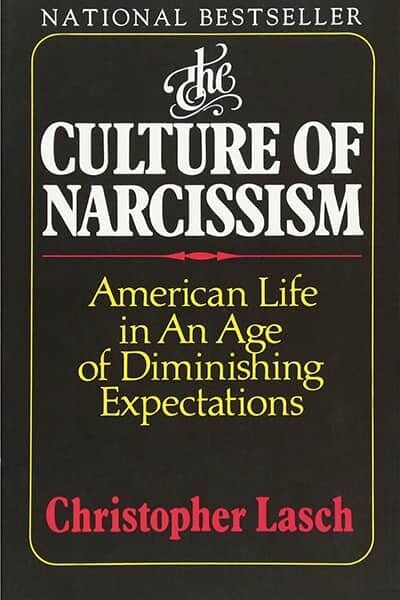
In 'The Culture of Narcissism', Christopher Lasch explores the rise of self-absorption in modern society and its implications for personal relationships and community. He argues that narcissism is not merely an individual flaw but a cultural phenomenon shaped by economic changes, media influences, and social structures. Lasch incisively critiques how consumerism fosters a superficial sense of identity and communal disconnection. Through his profound insights, he prompts readers to reflect on the costs of prioritizing self over society. Will we find a way back to genuine human connection, or are we destined to remain trapped in our narcissistic culture?
By Christopher Lasch
Published: 2018
"In a society where self-interest reigns supreme, the pursuit of genuine connections becomes the rarest of treasures."

Start Listening to Book Summary
Book Review of The Culture of Narcissism
The classic New York Times bestseller, with a new introduction by E.J. Dionne Jr. When The Culture of Narcissism was first published in 1979, Christopher Lasch was hailed as a “biblical prophet” (Time). Lasch’s identification of narcissism as not only an individual ailment but also a burgeoning social epidemic was groundbreaking. His diagnosis of American culture is even more relevant today, predicting the limitless expansion of the anxious and grasping narcissistic self into every part of American life. The Culture of Narcissism offers an astute and urgent analysis of what we need to know in these troubled times.
Book Overview of The Culture of Narcissism
About the Book Author
Christopher Lasch
Christopher Lasch (1932-1994) was an influential American historian, social critic, and author known for his incisive analysis of American culture and the complexities of modernity. His notable works include "The Culture of Narcissism: American Life in an Age of Diminishing Expectations" (1979), which critiques the pervasive self-centeredness of contemporary society, and "The Minimal Self: Psychic Survival in Troubled Times" (1984), where he explores the themes of identity and personal resilience amid societal challenges. Lasch's writing style is characterized by its depth of insight, combative tone, and an interdisciplinary approach, combining elements of history, psychology, and sociology to articulate his concerns about the implications of consumerism and individualism in American life.
Book Details
Key information about the book.
- Authors
- Christopher Lasch
- Published
- October 2018
- Publisher
- National Geographic Books
- ISBN
- 0393356175
- Language
- English
- Pages
- N/A
- Genres
- Cognitive PsychologyPhilosophySocial PsychologySocial CommentaryPsychology
Purchase Options
 Buy on Amazon
 Buy via BookShop
Support local bookstores: BookShop gives a portion of each sale to independent bookshops!
Similar books you might like →
The Psychology of Money Book Summary
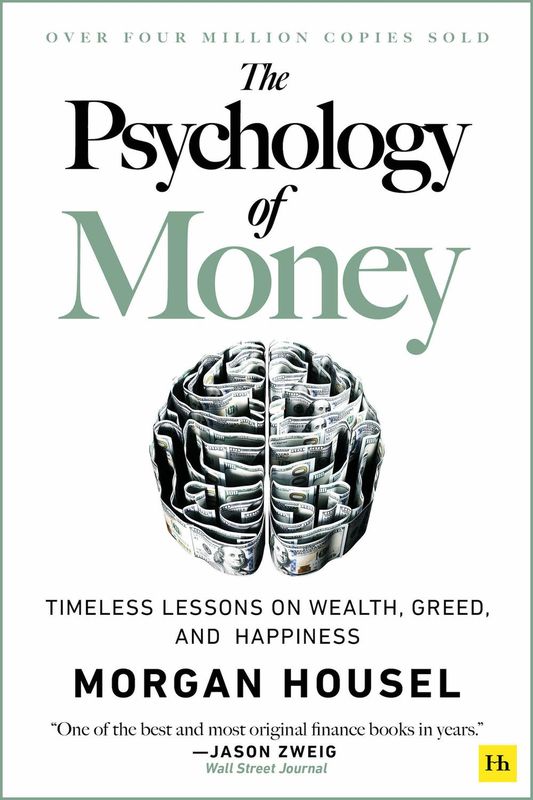
In "The Psychology of Money," Morgan Housel unravels the complex relationship between our emotions and financial decisions. Through captivating anecdotes and profound insights, he reveals that wealth isn't just about numbers, but about behavior and mindset. The book challenges conventional wisdom, urging readers to understand the subtle psychological forces that influence our spending and saving habits. Housel's reflections highlight the power of patience, humility, and a long-term perspective in building true financial success. Prepare to rethink everything you thought you knew about money and its role in your life!
The Righteous Mind Book Summary
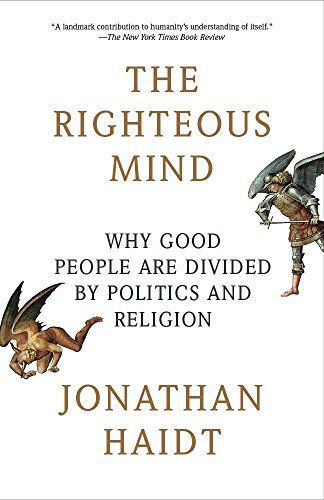
In 'The Righteous Mind', Jonathan Haidt explores the intricacies of human morality and its impact on political divisions. He argues that our sense of right and wrong is shaped more by intuition than by reason, leading to deep-seated clashes between differing moral perspectives. Using insights from psychology, sociology, and anthropology, Haidt delves into the reasons why people hold vastly opposing views despite sharing the same facts. The book encourages readers to understand, rather than vilify, opposing beliefs, making it a compelling read for anyone seeking to navigate the complexities of modern discourse. It challenges us to reconsider our moral frameworks and opens the door to greater empathy in an increasingly polarized world.
The Undoing Project Book Summary
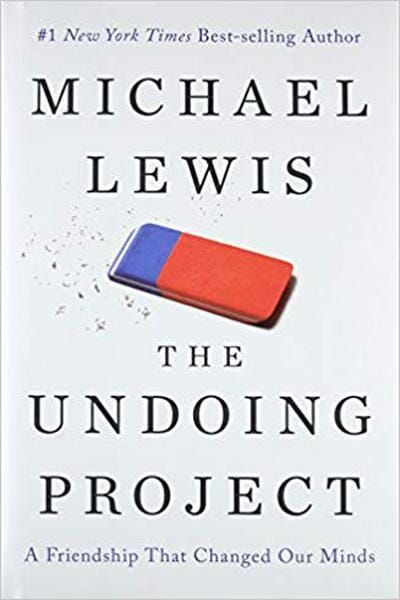
In 'The Undoing Project', Michael Lewis explores the groundbreaking collaboration between two Israeli psychologists, Daniel Kahneman and Amos Tversky, whose revolutionary theories on decision-making changed our understanding of human rationality. Their research reveals the cognitive biases that influence our choices, often leading us astray in unexpected ways. Through compelling anecdotes and vivid storytelling, Lewis uncovers how their work not only transformed psychology but also impacted economics, medicine, and public policy. As their friendship deepens amid professional triumphs and personal struggles, the book delves into the complexities of the human mind and the power of perspective. Will their insights lead to a newfound awareness of our own thought processes? Discover the fascinating tale behind the science of thinking.
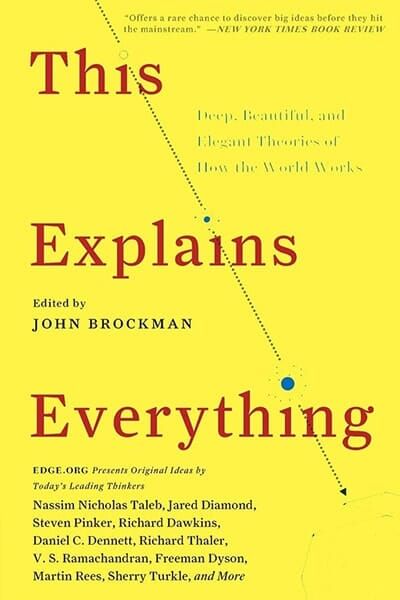
This Explains Everything Book Summary
In 'This Explains Everything,' editor John Brockman curates a fascinating collection of essays from leading thinkers and innovators, each offering their unique perspectives on the fundamental questions of existence. From science to philosophy, the contributors delve into topics that range from the origin of life to the complexities of human behavior. Through these thought-provoking insights, the book explores the intersection of knowledge and curiosity, igniting a spark for deeper exploration in the reader. Readers are left to ponder not just ‘what’ explains everything, but ‘how’ these ideas shape our understanding of the world. Join Brockman on a journey that challenges assumptions and encourages a relentless quest for clarity in a complex universe.
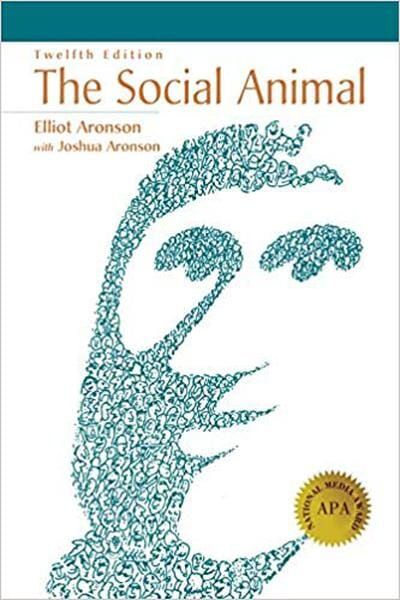
The Social Animal Book Summary
In 'The Social Animal', Joshua and Elliot Aronson explore the psychological and social forces shaping human behavior through rich anecdotes and groundbreaking research. The authors take readers on a journey through the intricacies of love, hate, and the powerful influence of social contexts on individual decisions. Juxtaposing captivating storytelling with scientific insights, they unravel the complexities of conformity, prejudice, and self-identity. This thought-provoking exploration challenges our understanding of what it means to be human in a social world. Prepare to question your beliefs and see the connections between psychology and everyday life like never before.
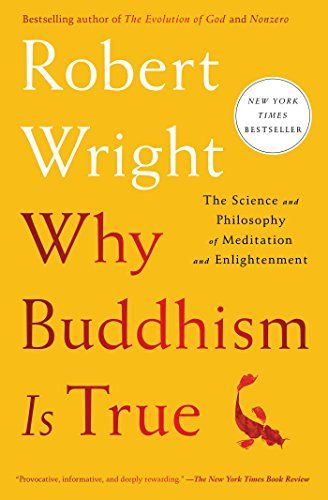
Why Buddhism is True Book Summary
In 'Why Buddhism is True', Robert Wright explores the intersections of modern psychology and ancient Buddhist philosophy, revealing how mindfulness can enhance our understanding of reality. He delves into the science of the mind, explaining why our thoughts often deceive us and how Buddhism offers a remedy. Through engaging anecdotes and thought-provoking insights, Wright demonstrates that the principles of Buddhism can lead to a more fulfilling life. He challenges readers to rethink their beliefs and consider the benefits of a Buddhist approach to pain and suffering. Will you discover the truth that can liberate your mind?
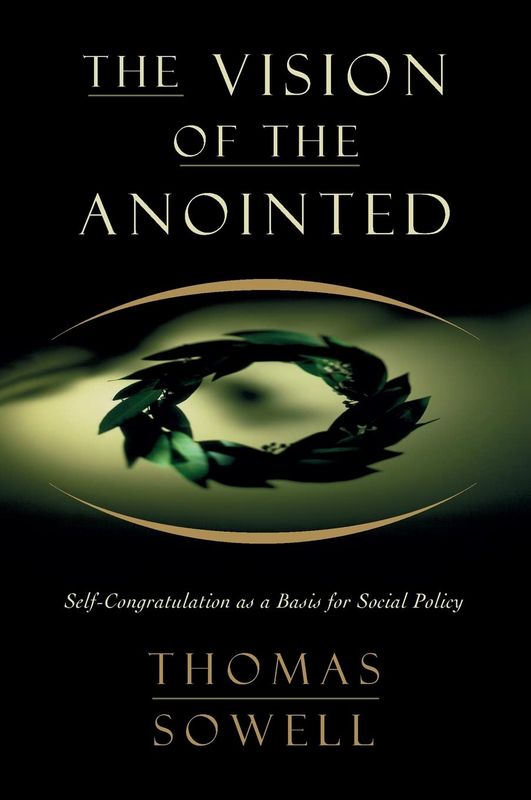
The Vision of the Anointed Book Summary
In 'The Vision of the Anointed,' Thomas Sowell critiques the elite vision shaping modern societal policies and beliefs. He argues that the self-anointed thinkers often impose their ideologies without considering the real-world consequences. Sowell explores the disparity between their lofty intentions and the actual outcomes of their policies, challenging readers to reassess the effectiveness of these so-called progressives. His sharp analyses reveal the underlying motives and errors of these elites, pushing us to question authority and conventional wisdom. This book is a thought-provoking exploration that compels readers to engage with the ideas that shape our world.

The Happiness Hypothesis Book Summary
In 'The Happiness Hypothesis', Jonathan Haidt delves into the ancient wisdom of happiness, exploring how age-old philosophies intersect with modern psychology. He presents a compelling argument that our well-being can be influenced by both our external circumstances and internal beliefs. By examining ten great ideas from various cultures, Haidt reveals surprising insights about love, morality, and the meaning of life. This engaging blend of science and philosophy challenges readers to rethink what truly brings happiness. Are we mere puppets of our circumstances, or can we take charge of our own joy?
Showing 8 of 29 similar books
Take your reading experience to the next level
Download our mobile app to enjoy your favorite books on the go. Get access to exclusive features, offline listening, and personalized recommendations.

Similar Book Recommendations →

David Heinemeier Hansson's Book Recommendations
David Heinemeier Hansson, also known as DHH, is a Danish programmer, entrepreneur, and author, best known as the creator of Ruby on Rails, a popular web application framework. Heinemeier Hansson is also a partner at Basecamp, a project management and collaboration software company he co-founded. His contributions to software development have earned him widespread recognition, with Ruby on Rails being used by thousands of developers and companies worldwide. Heinemeier Hansson is also a vocal advocate for remote work, simplicity in business, and sustainable work practices, ideas he explores in his bestselling books Rework and It Doesn’t Have to Be Crazy at Work. In addition to his work in tech, he is an accomplished race car driver, having competed in the 24 Hours of Le Mans. Heinemeier Hansson’s approach to work-life balance and entrepreneurship has made him a thought leader in the tech community, where he continues to challenge traditional business practices and advocate for more human-centered approaches to work

Julian Shapiro's Book Recommendations
Julian Shapiro is a renowned writer and entrepreneur, acclaimed for his insightful essays on personal growth and marketing strategies. He is the author of "The Julian Shapiro Collection," a compilation of his most impactful writings that have garnered a wide readership online. Shapiro co-founded the growth marketing agency Bell Curve, where he has helped numerous startups achieve exponential growth. His work often blends practical advice with deep philosophical inquiries, making complex subjects accessible to a broad audience. Through his prolific writing and entrepreneurial ventures, Julian has become a key figure in the intersection of business and self-improvement literature.

Naval Ravikant's Book Recommendations
Naval Ravikant is an entrepreneur, angel investor, and philosopher, best known as the co-founder of AngelList, a platform that connects startups with investors. Ravikant is a prolific thinker and writer on topics such as startups, investing, and personal well-being, sharing his wisdom through essays, podcasts, and social media. He has invested in over 100 companies, including Uber, Twitter, and Yammer, making him one of Silicon Valley’s most successful angel investors. Ravikant is also known for his philosophical musings on wealth, happiness, and the meaning of life, which have garnered him a large and dedicated following.

Audrey Gelman's Book Recommendations
Audrey Gelman is an American entrepreneur and writer, best known as the co-founder and former CEO of The Wing, a network of co-working spaces and social clubs designed for women. She has been recognized for her innovative approach to creating supportive environments for professional women, significantly impacting feminist discourse and workplace equality. Gelman has also contributed thought-provoking essays to prominent publications such as The New York Times and The New Yorker, where she discusses gender, politics, and culture. Her leadership at The Wing has been celebrated for fostering community and collaboration among women. Additionally, Gelman's influence extends to the political sphere, having previously worked as a press aide on several high-profile campaigns.

Bridget Phetasy's Book Recommendations
Bridget Phetasy is a multi-talented writer, comedian, and podcaster known for her sharp wit and insightful commentary on contemporary culture and politics. She gained prominence through her work with Playboy, where her essays and columns attracted a wide readership. Bridget is the host of the popular podcast "Walk-Ins Welcome," where she engages in deep, humorous conversations with a variety of guests. Her candid and often provocative takes on societal issues have garnered her a loyal following on social media. Additionally, she created the satirical YouTube series "Dumpster Fire," where she humorously dissects current events.

Anna Cheng's Book Recommendations
Anna Cheng is a celebrated contemporary novelist known for her evocative prose and richly drawn characters. Her debut novel, "Whispers of the Ancients," garnered critical acclaim, securing a spot on the New York Times Bestseller list and earning her the Man Booker Prize. Cheng's subsequent works consistently explore themes of heritage, identity, and the immigrant experience, resonating with a global audience. She is also a recipient of the PEN/Faulkner Award, recognizing her contributions to American fiction. Beyond her literary pursuits, Cheng actively mentors emerging writers and participates in numerous literary festivals worldwide.

David Perell's Book Recommendations
David Perell is a prominent writer and educator known for his influential work in the field of online education and digital writing. He is the creator of "Write of Passage," an acclaimed online writing course that has helped thousands of students refine their writing skills and build their personal brands. As a prolific blogger, Perell shares insights on topics ranging from technology and culture to productivity and creativity. His thought-provoking essays and articles have garnered a substantial following, establishing him as a thought leader in the digital age. Additionally, Perell hosts the popular "North Star Podcast," where he interviews leading thinkers and creators, further contributing to contemporary intellectual discourse.

Bill Gates's Book Recommendations
Bill Gates, co-founder of Microsoft Corporation, is a pioneering figure in the tech industry, having played a key role in the personal computer revolution. His work at Microsoft, particularly the development of Windows, transformed software and computing globally. Beyond his technology contributions, Gates is also a prolific author, with notable works such as "The Road Ahead" and "Business @ the Speed of Thought," which offer insights into the future of technology and business. Additionally, his philanthropic efforts through the Bill & Melinda Gates Foundation have had a profound impact on global health, education, and poverty. Gates continues to influence both technology and literature with his forward-thinking perspectives and innovative ideas.
Showing 8 of 15 related collections
“In a society where self-interest reigns supreme, the pursuit of genuine connections becomes the rarest of treasures.”
The Culture of Narcissism
By Christopher Lasch
Frequently Asked Questions
Explore Our Catalogue
Discover a world of knowledge through our extensive collection of book summaries.
Genres
Genres
Genres
Featured Collections
- Top Book Club Picks
- One-Stop Nutrition
- Summer Reads 2024
- Best Beach Reads 2024
- Work-Life Balance Guide
- Time Management
- Healthy Foods
- Entrepreneur Toolkit
- Mind & Body Wellness
- Future Tech Insights
- Leadership Essentials
- Financial Freedom
- Sci-Fi Masterpieces
- Parenting 101
- Books That Became Blockbusters
- Guide to a Healthy Pregnancy