The Hidden Life of Trees Book Summary
In 'The Hidden Life of Trees,' Peter Wohlleben unveils the fascinating and intricate world beneath our feet, revealing that trees communicate, share resources, and even help raise their young. This groundbreaking exploration challenges our perceptions of nature, illustrating a social network among trees that thrives in the shadows. Discover how trees possess memory and resilience, adapting to their environment in extraordinary ways. Wohlleben's passionate storytelling invites readers to reconsider the importance of preserving forests for future generations. Delve into this captivating journey to understand the silent yet profound lives of these majestic beings.
By Peter Wohlleben
Published: 2016
"Trees are not just living organisms; they are complex communities, communicating and supporting each other in ways we are only beginning to understand."


Start Listening to Book Summary
Book Review of The Hidden Life of Trees
"A forester's fascinating stories, supported by the latest scientific research, reveal the extraordinary world of forests and illustrate how trees communicate and care for each other"--
Book Overview of The Hidden Life of Trees
About the Book Author
Peter Wohlleben
Peter Wohlleben is a German forester and author renowned for his insights into the intricate relationships within forests. His bestselling book, "The Hidden Life of Trees," explores the social networks of trees and their interdependence, captivating readers with his blend of scientific knowledge and engaging storytelling. With a deep commitment to sustainable forestry, Wohlleben advocates for a more harmonious relationship between humans and nature. He has dedicated much of his career to preserving ancient forests and promoting ecological education. Through his work, Wohlleben inspires a greater appreciation for the natural world and the vital role trees play in our ecosystem.
Book Details
Key information about the book.
- Authors
- Peter Wohlleben
- Published
- January 2016
- Publisher
- Greystone
- ISBN
- 1771642483
- Language
- English
- Pages
- 272
- Genres
- Science and NatureNatural HistoryEnvironmental Science
Purchase Options
 Buy on Amazon
 Buy via BookShop
Support local bookstores: BookShop gives a portion of each sale to independent bookshops!
Similar books you might like →
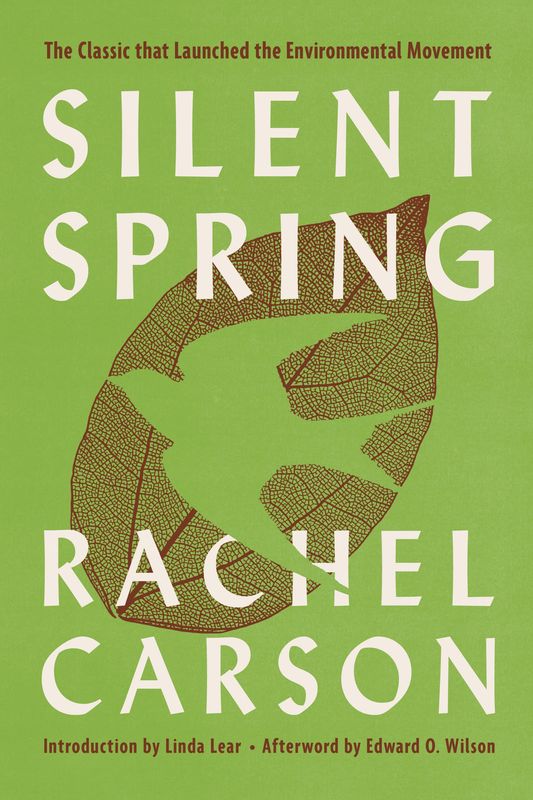
Silent Spring Book Summary
In "Silent Spring," Rachel Carson unveils the ecological consequences of pesticide use, painting a haunting portrait of a world silenced by chemical pollution. With gripping narrative and scientific precision, she reveals how toxins infiltrate the environment, threatening not just wildlife but human health. Carson's eloquent prose compels readers to confront the delicate balance of nature and the impact of human actions. As she raises dire questions about stewardship and responsibility, the urgency of her message resonates even today. Will we heed her call to protect our planet before it falls silent forever?
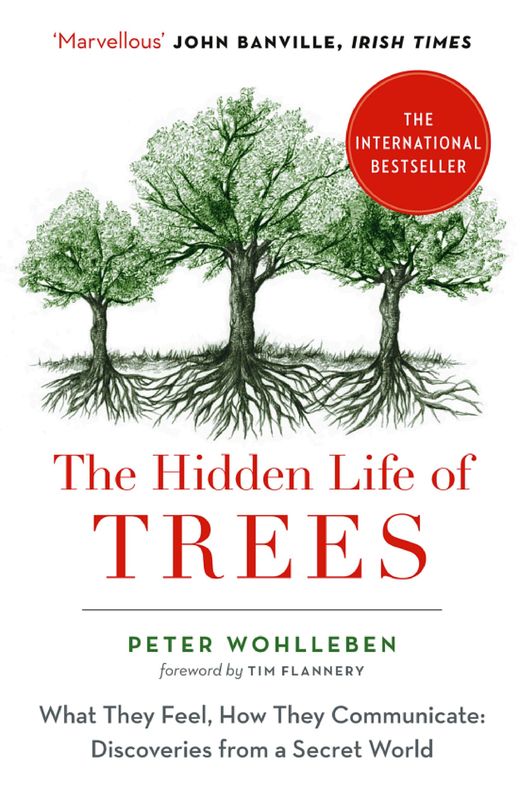
The Hidden Life of Trees: What They Feel, How They Communicate Book Summary
In "The Hidden Life of Trees," Peter Wohlleben unveils the secretive and intricate world beneath the forest canopy. Through captivating anecdotes, he reveals how trees communicate, share nutrients, and support one another in a complex social network. Delving into the emotional lives of trees, Wohlleben invites readers to reconsider their perceptions of nature and our connection to it. This enlightening journey showcases the importance of nurturing our natural world, as it plays a vital role not just in ecosystems, but in our own well-being. Prepare to see forests in a whole new light, sparking a sense of wonder and urgency to protect these remarkable living beings.
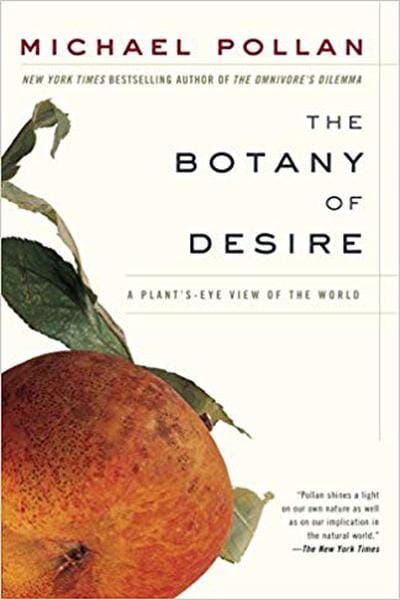
The Botany of Desire Book Summary
In 'The Botany of Desire', Michael Pollan explores the intricate relationship between humans and plants through the lens of four key species: the apple, the tulip, marijuana, and the potato. Each chapter reveals how these plants have evolved alongside humanity, reflecting our desires for sweetness, beauty, intoxication, and control. Pollan weaves fascinating anecdotes and scientific insights, challenging us to reconsider our role in nature's designs. As he delves into the botanical world, Pollan poses provocative questions about our interconnectedness with flora. This thought-provoking journey invites readers to reflect on the profound impact of desire on the evolution of both plants and people.
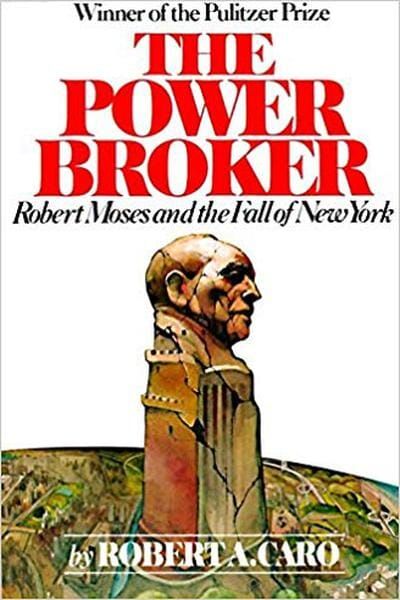
The Power Broker Book Summary
In 'The Power Broker,' Robert A. Caro unfolds the gripping story of Robert Moses, a man whose vision reshaped New York City and whose power was both extraordinary and controversial. As an urban planner, Moses wielded unprecedented sway over public infrastructure, yet his methods often left devastation in their wake. Caro meticulously traces Moses’ rise to prominence, unveiling the intricate web of political maneuvering and personal ambition that fueled his success. Readers will be drawn into the moral complexities of power, as they reflect on the cost of progress and the unseen forces that govern our cities. This Pulitzer Prize-winning biography serves as a profound exploration of ambition, politics, and the consequences of wielding power unchecked.

Swimming to Antarctica Book Summary
In 'Swimming to Antarctica', Lynne Cox recounts her breathtaking journey as she plunges into the icy waters of Antarctica, pushing the boundaries of human endurance. Her daring swims reveal not just the physical trials, but also profound moments of introspection and connection with nature. As she confronts extreme cold and daunting challenges, readers are drawn into her inspiring story of resilience and passion. With vivid descriptions and a gripping narrative, Cox illuminates the beauty and danger of the world beneath the waves. This memoir invites readers to contemplate the limits of the human spirit and the allure of the unknown.

We Are the Weather Book Summary
In 'We Are the Weather,' Jonathan Safran Foer explores the unsettling impact of climate change on our planet and daily lives. Through a blend of personal narrative and compelling research, he challenges readers to reconsider their habits and their role in the environmental crisis. Foer argues that the choices we make at breakfast could be pivotal in the fight against global warming. With urgency and poignancy, he invites us to reflect on the interconnection between individual actions and collective fate. This thought-provoking work leaves readers questioning how they can be part of the solution to a looming disaster.

Energy Book Summary
In 'Energy,' Vaclav Smil embarks on an enlightening journey through the intricate world of energy—its sources, uses, and profound impact on civilization. With a compelling blend of scientific analysis and historical context, Smil reveals how humanity's reliance on energy has shaped economies, societies, and the environment. From fossil fuels to renewable resources, each chapter uncovers surprising truths about our energy consumption patterns. Readers will be challenged to rethink their understanding of energy and its critical role in future sustainability. Prepare to be captivated by Smil’s thought-provoking insights that illuminate the hidden complexities of our energy-driven lives.
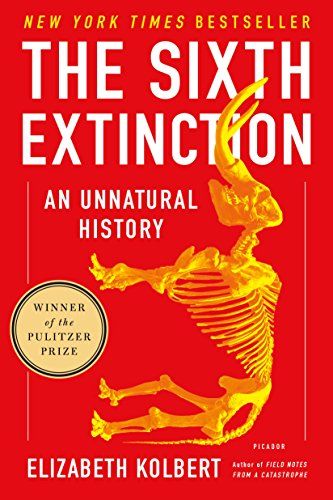
The Sixth Extinction Book Summary
In 'The Sixth Extinction,' Elizabeth Kolbert presents a compelling narrative about the ongoing mass extinction event caused by human activity. Through vivid storytelling and scientific research, she explores the alarming consequences of climate change, habitat loss, and the introduction of invasive species. Kolbert leads readers on a global journey, interacting with scientists and examining endangered species across various ecosystems. The book raises urgent questions about humanity's role in this ecological crisis and challenges us to reconsider our impact on the planet. Will we act in time to avert a future where biodiversity is all but lost?
Showing 8 of 27 similar books
Take your reading experience to the next level
Download our mobile app to enjoy your favorite books on the go. Get access to exclusive features, offline listening, and personalized recommendations.

Similar Book Recommendations →

Jordan Hughes's Book Recommendations
Jordan Hughes is a celebrated author known for their compelling narratives and richly developed characters. Their debut novel, "Echoes of Tomorrow," won the prestigious Man Booker Prize, marking a significant milestone in contemporary fiction. Hughes's work often explores themes of identity, resilience, and the human condition, earning them critical acclaim and a dedicated readership. In addition to their novels, Hughes has contributed thought-provoking essays to major literary journals, further solidifying their influence in the literary world. Their innovative storytelling continues to inspire and captivate audiences worldwide.

Naval Ravikant's Book Recommendations
Naval Ravikant is an entrepreneur, angel investor, and philosopher, best known as the co-founder of AngelList, a platform that connects startups with investors. Ravikant is a prolific thinker and writer on topics such as startups, investing, and personal well-being, sharing his wisdom through essays, podcasts, and social media. He has invested in over 100 companies, including Uber, Twitter, and Yammer, making him one of Silicon Valley’s most successful angel investors. Ravikant is also known for his philosophical musings on wealth, happiness, and the meaning of life, which have garnered him a large and dedicated following.

Andrew Huberman's Book Recommendations
Andrew Huberman is a renowned neuroscientist and tenured professor at Stanford University, where he leads the Huberman Lab, focusing on brain function, behavior, and health. He has significantly contributed to the understanding of neural plasticity, particularly how the brain can change in response to experience and injury. Huberman is widely recognized for his engaging public science communication, which includes the popular "Huberman Lab" podcast that translates complex neuroscience topics into accessible insights for broad audiences. His research has been published in leading scientific journals, earning him numerous accolades and fostering a deeper public appreciation for neuroscience. Additionally, his work extends into practical applications, influencing fields such as mental health, vision restoration, and performance optimization.

Charlie Munger's Book Recommendations
Charlie Munger is an American investor, businessman, and philanthropist, best known as the vice chairman of Berkshire Hathaway, where he partners with Warren Buffett. Renowned for his insights on investment strategies and mental models, Munger has significantly influenced the world of finance. His notable literary contributions include "Poor Charlie's Almanack," a compilation of his speeches and writings that distill his wisdom on decision-making and business principles. Munger's work emphasizes the importance of multidisciplinary thinking and continuous learning. Beyond his financial acumen, he is celebrated for his charitable efforts, particularly in education and healthcare.

Ray Dalio's Book Recommendations
Ray Dalio is the founder of Bridgewater Associates, one of the largest and most successful hedge funds in the world. He is also the author of the bestselling book Principles, where he outlines his philosophy on life, leadership, and investing. Ray is renowned for his unique approach to transparency, radical truth, and thoughtful disagreement within organizations. His insights into economics and investing have made him one of the most influential figures in the financial world. Dalio continues to be a thought leader in business, economics, and philanthropy.

Jake Knapp's Book Recommendations
Jake Knapp is an author, designer, and creator of the Design Sprint process, a five-day method for solving complex problems and testing new ideas through prototyping. Knapp developed the Sprint process while working at Google Ventures, where it was used to help startups rapidly iterate and improve their products. He later co-authored the book Sprint, which has become a go-to resource for teams looking to streamline their creative processes and get better results in less time. Knapp's work focuses on productivity, creativity, and collaboration, with a particular emphasis on helping people do more meaningful work in shorter timeframes. His innovative approach to problem-solving has been adopted by companies worldwide, from small startups to large enterprises. In addition to his work on Sprints, Knapp is also a speaker and consultant, helping teams and organizations implement better practices for innovation and productivity. His work emphasizes the importance of focus, experimentation, and rapid feedback in driving success.

Patrick Collison's Book Recommendations
Patrick Collison is an Irish entrepreneur and co-founder of Stripe, a global technology company that enables businesses to accept online payments. Along with his brother John, Patrick has transformed Stripe into one of the most valuable private tech companies in the world. Stripe’s innovative approach to online payments has made it a key player in the financial technology space. Collison is known for his deep interest in science, technology, and policy, often engaging in conversations about innovation, progress, and how to improve societal outcomes. He is an advocate for scientific advancement and the intersection of technology and public policy.

Barack Obama's Book Recommendations
Barack Obama is the 44th President of the United States, serving from 2009 to 2017. As the first African American president, Obama’s leadership marked a historic moment in American history. His administration focused on healthcare reform, economic recovery from the Great Recession, and environmental policies. He is best known for the Affordable Care Act, as well as his efforts to expand civil rights and restore diplomatic relations with Cuba. Since leaving office, Obama has continued to engage in public life through his foundation, focusing on leadership development, civic engagement, and global issues.
Showing 8 of 18 related collections
“Trees are not just living organisms; they are complex communities, communicating and supporting each other in ways we are only beginning to understand.”
The Hidden Life of Trees
By Peter Wohlleben
Frequently Asked Questions
Explore Our Catalogue
Discover a world of knowledge through our extensive collection of book summaries.
Genres
Genres
Genres
Featured Collections
- Top Book Club Picks
- One-Stop Nutrition
- Summer Reads 2024
- Best Beach Reads 2024
- Work-Life Balance Guide
- Time Management
- Healthy Foods
- Entrepreneur Toolkit
- Mind & Body Wellness
- Future Tech Insights
- Leadership Essentials
- Financial Freedom
- Sci-Fi Masterpieces
- Parenting 101
- Books That Became Blockbusters
- Guide to a Healthy Pregnancy