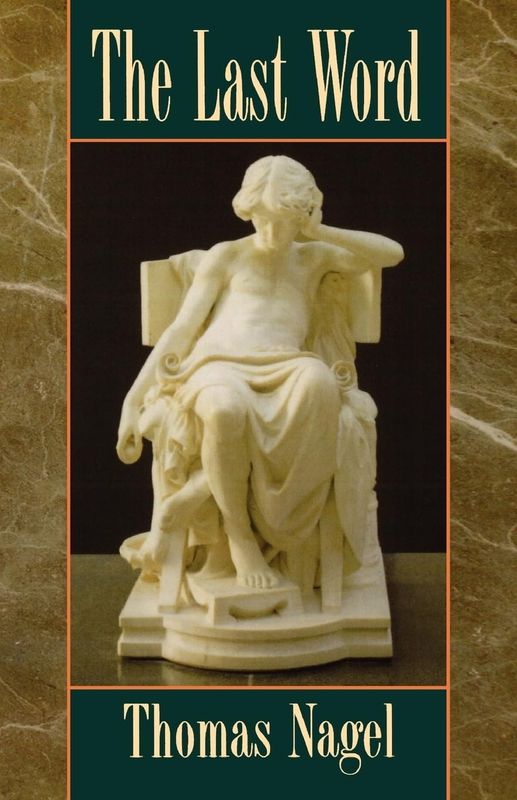
The Last Word Book Summary
In 'The Last Word', philosopher Thomas Nagel embarks on a profound exploration of philosophical discourse and the limits of human understanding. He challenges the reader to consider the nature of truth, the essence of morality, and the significance of subjective experience. Nagel's insights provoke a reevaluation of how we approach ethical dilemmas and our grasp of existence itself. With a blend of rigorous argumentation and accessible prose, he invites readers to question their beliefs and assumptions. This thought-provoking journey leaves one pondering: what do we really know, and what must we accept as beyond comprehension?
By Thomas Nagel
Published: 1997
""To think about the meaning of life is to ponder the depths of existence and the limitations of our understanding, for it is in the questions we ask that we illuminate the mysteries we seek to unravel.""

Start Listening to Book Summary
Book Review of The Last Word
Thomas Nagel's timely and vigorous defence of reason has implications as wide-ranging as they are immense. Powerful erudition combined with an enviable clarity makes Nagel one of the most influential philosophers writing in English today.
Book Overview of The Last Word
About the Book Author
Thomas Nagel
Thomas Nagel is an influential American philosopher and professor known for his contributions to a variety of philosophical fields including ethics, political philosophy, and the philosophy of mind. Born in 1937, Nagel is best known for his works such as "What Is It Like to Be a Bat?" which explores consciousness and subjective experience, and "The View From Nowhere," which addresses objectivity and perspective in moral reasoning. His writing is characterized by clarity, rigorous argumentation, and a deep engagement with both philosophical traditions and contemporary issues. As a professor at New York University, Nagel continues to inspire students and scholars with his thought-provoking inquiries into the nature of existence and morality.
Book Details
Key information about the book.
- Authors
- Thomas Nagel
- Published
- January 1997
- Publisher
- Oxford University Press, USA
- ISBN
- 0195149831
- Language
- English
- Pages
- 164
- Genres
- Philosophy of MindPhilosophyEthics and Morality
Purchase Options
 Buy on Amazon
 Buy via BookShop
Support local bookstores: BookShop gives a portion of each sale to independent bookshops!
Similar books you might like →
Introduction to Mathematical Philosophy Book Summary
In 'Introduction to Mathematical Philosophy,' Bertrand Russell takes readers on a fascinating journey through the foundations of mathematics and its philosophical implications. He explores concepts such as numbers, infinity, and the nature of mathematical truth, challenging conventional thinking. With his unique blend of clarity and insight, Russell demystifies complex ideas, revealing the profound connections between logic and mathematics. This thought-provoking work not only invites readers to rethink their understanding of numbers but also questions the very essence of reality itself. A must-read for anyone intrigued by the interplay of philosophy and mathematics, this book promises to expand your horizons.
Know My Name Book Summary
In 'Know My Name', Chanel Miller bravely shares her deeply personal journey after surviving a highly publicized sexual assault. Once known only as "Emily Doe," she reclaims her identity and voice, exposing the trauma and resilience that come from her experience. Miller masterfully weaves her story with raw honesty, illuminating the flaws in the justice system and societal perceptions of victimhood. As she explores themes of identity, healing, and empowerment, readers are compelled to rethink how we recognize and support survivors. This powerful memoir invites us to understand the strength in vulnerability and the importance of making every name known.
The Big Picture Book Summary
In 'The Big Picture', physicist Sean Carroll invites readers to explore the fascinating intersections of science, philosophy, and the meaning of life. He delves into the fundamental nature of reality, presenting complex concepts in a captivating and accessible manner. With a blend of narratives and profound insights, Carroll challenges us to consider our place in the universe. As he unravels the mysteries of existence, readers are urged to reflect on the implications of science for understanding consciousness and our everyday experiences. This thought-provoking journey leaves us questioning: what does it truly mean to be human in a cosmos governed by natural laws?
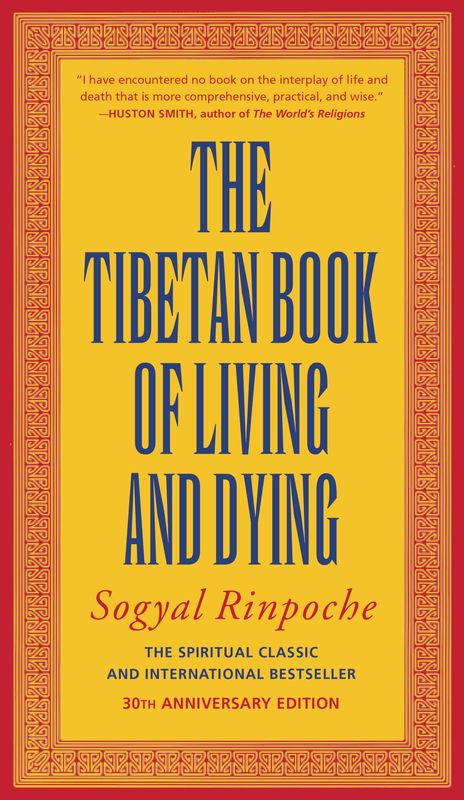
The Tibetan Book of Living and Dying Book Summary
In 'The Tibetan Book of Living and Dying', Sogyal Rinpoche melds ancient Tibetan Buddhist teachings with contemporary insights to explore the profound connections between life, death, and the cycles of existence. This spiritual guide invites readers to confront their mortality, offering practical advice on how to live a fulfilling life while preparing for a peaceful death. Through captivating stories and powerful meditative practices, it opens a door to understanding the nature of the mind and the potential for enlightenment. Rinpoche challenges conventional views on death, presenting it not as an end, but as a transformative journey. This book is a compassionate roadmap to embracing the mysteries of life and dying, urging readers to unlock their deepest spiritual potential.
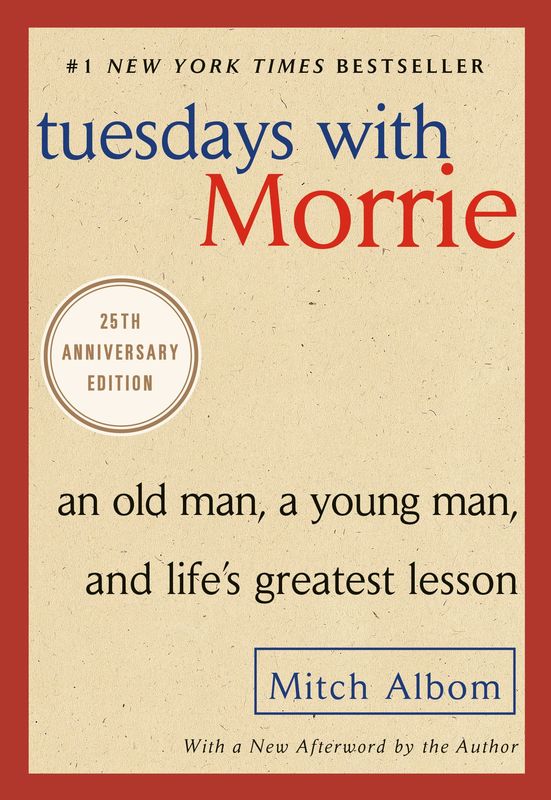
Tuesdays with Morrie Book Summary
In 'Tuesdays with Morrie', Mitch Albom reconnects with his former professor, Morrie Schwartz, who is battling Lou Gehrig's disease. Each Tuesday, the two engage in profound conversations about life's most important lessons, touching on love, work, family, and death. Morrie's wisdom challenges Mitch's fast-paced lifestyle and makes him rethink his priorities. This touching memoir highlights the power of human connection and the beauty of living a meaningful life. Will Mitch ultimately find the clarity he seeks in the face of mortality?
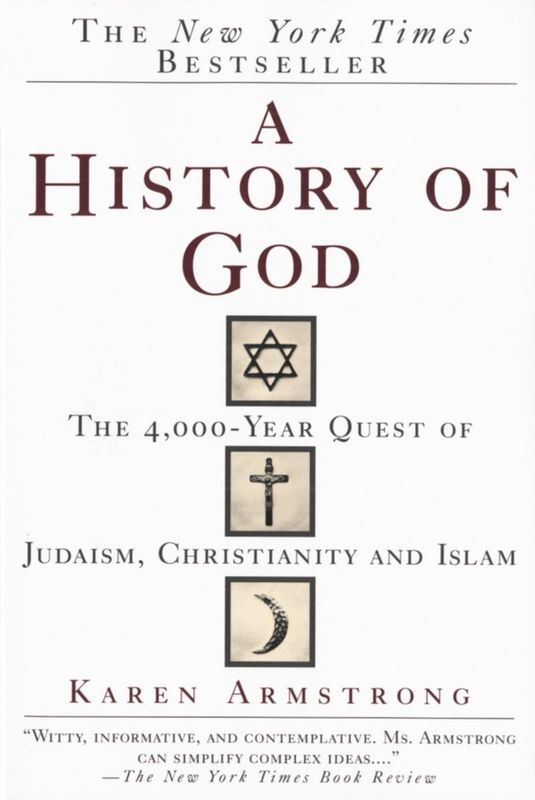
A History of God Book Summary
In 'A History of God', Karen Armstrong embarks on a fascinating journey through the evolution of the concept of God from ancient times to the modern era. She explores how various religions—Judaism, Christianity, and Islam—have shaped humanity's understanding of the divine, revealing the complexities and contradictions in these beliefs. Highlighting the influence of culture, politics, and philosophy, Armstrong invites readers to reconsider their perceptions of faith and spirituality. This thought-provoking narrative raises profound questions about the nature of belief and the future of religious thought. Are we on the brink of a new understanding of God, or are we simply repeating history?
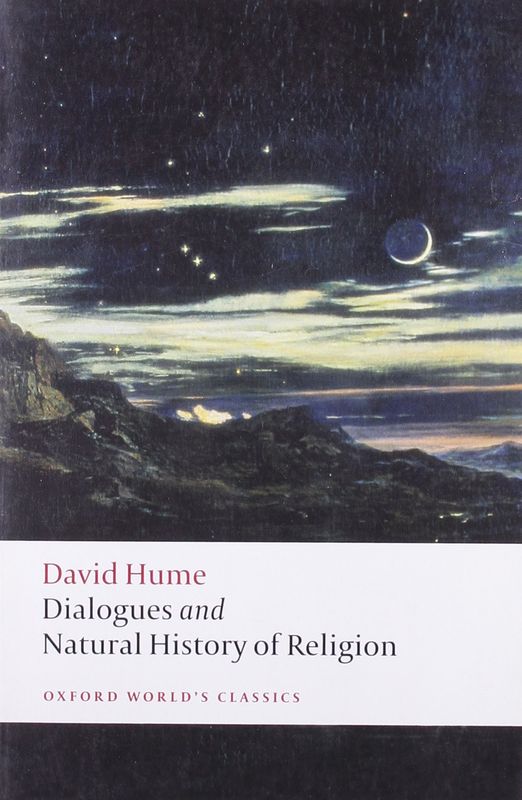
The Natural History of Religion Book Summary
In 'The Natural History of Religion,' David Hume explores the origins and development of religious beliefs across cultures. Through a blend of philosophy and empirical observation, Hume delves into the psychological and sociological factors that shape religion. His analysis raises provocative questions about the nature of faith and reason, challenging conventional views. As he uncovers the underlying motives for belief, readers are compelled to reconsider their own perspectives on spirituality. This thought-provoking work invites readers on a journey through the complexities of human belief systems.
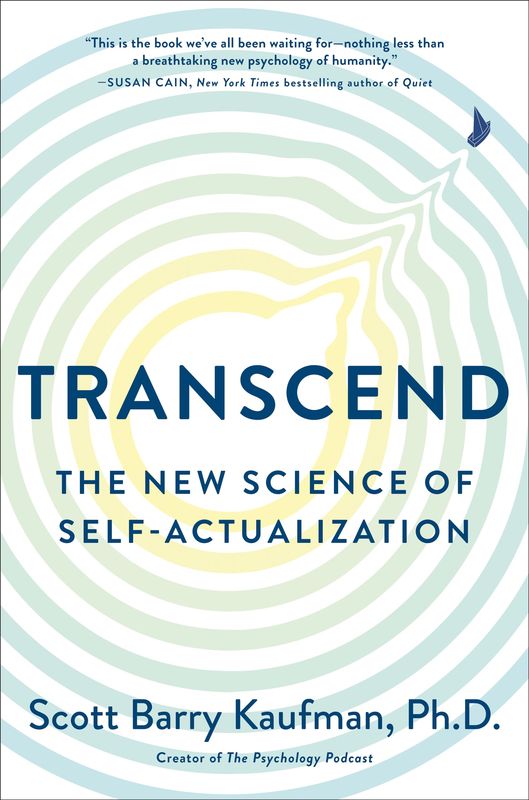
Transcend Book Summary
In 'Transcend', Scott Barry Kaufman redefines the understanding of human potential through the lens of Maslow's hierarchy of needs. He argues that true fulfillment and creativity emerge only when we move beyond basic survival and societal expectations. Kaufman blends psychology with personal anecdotes and modern research, inviting readers to explore how they can unlock their inner greatness. This book serves as a roadmap to self-actualization, urging us to chase our passions and embrace our individuality. Are you ready to transcend the ordinary and discover what truly makes you thrive?
Showing 8 of 30 similar books
Take your reading experience to the next level
Download our mobile app to enjoy your favorite books on the go. Get access to exclusive features, offline listening, and personalized recommendations.

Similar Book Recommendations →

Alexandria Ocasio-Cortez's Book Recommendations
Alexandria Ocasio-Cortez, also known as AOC, is a U.S. Congresswoman representing New York's 14th district. She gained national attention after winning her seat in 2018 at the age of 29, making her one of the youngest women ever elected to Congress. Ocasio-Cortez is known for her progressive policies, advocating for issues such as Medicare for All, climate change action, and economic justice. She has become a prominent figure within the Democratic Party and uses social media to engage with constituents and the public. Her rise from grassroots activism to Congress has inspired many young people to get involved in politics.
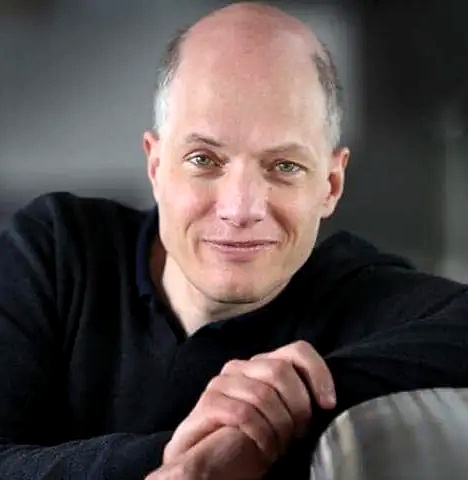
Alain de Botton's Book Recommendations
Alain de Botton is a Swiss-British philosopher, author, and founder of The School of Life, an organization dedicated to teaching emotional intelligence and life skills. De Botton’s books, such as The Consolations of Philosophy and How Proust Can Change Your Life, blend philosophy with everyday life, offering practical wisdom on love, work, and happiness. His work has popularized philosophy, making it accessible to a wider audience. De Botton is also a public speaker and essayist, frequently exploring topics related to human fulfillment and personal growth. His unique approach to philosophy has made him a respected voice in contemporary culture.
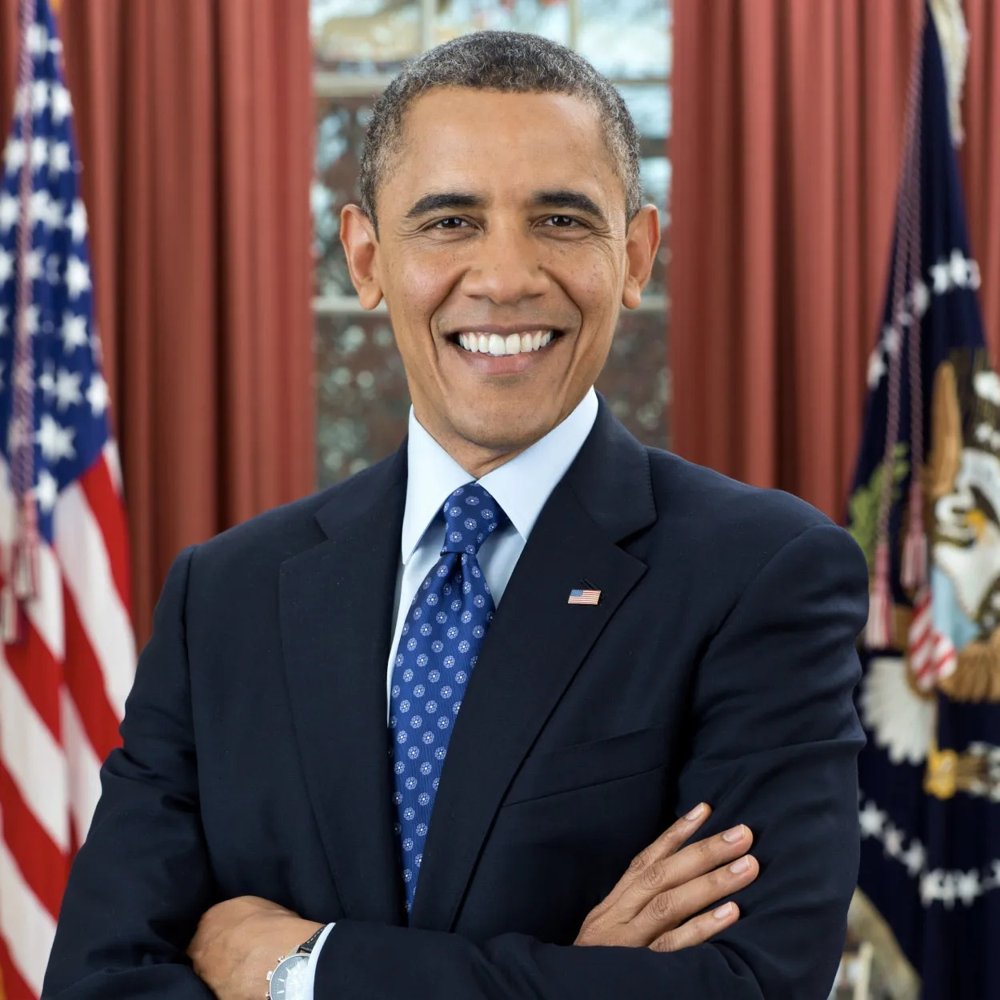
Barack Obama's Book Recommendations
Barack Obama is the 44th President of the United States, serving from 2009 to 2017. As the first African American president, Obama’s leadership marked a historic moment in American history. His administration focused on healthcare reform, economic recovery from the Great Recession, and environmental policies. He is best known for the Affordable Care Act, as well as his efforts to expand civil rights and restore diplomatic relations with Cuba. Since leaving office, Obama has continued to engage in public life through his foundation, focusing on leadership development, civic engagement, and global issues.

Jocko Willink's Book Recommendations
Jocko Willink is a retired Navy SEAL officer, renowned for his leadership during the Battle of Ramadi in the Iraq War, which earned him the Silver Star and Bronze Star. Transitioning from military service, he co-authored the best-selling book "Extreme Ownership: How U.S. Navy SEALs Lead and Win" with fellow SEAL Leif Babin, which has become a cornerstone in leadership and management literature. Willink has also written the "Way of the Warrior Kid" series, aimed at empowering young readers with principles of discipline and resilience. Additionally, he hosts the popular "Jocko Podcast," where he discusses leadership, discipline, and personal development. Willink's influence extends beyond literature through his Echelon Front leadership consultancy, helping organizations implement effective leadership strategies.
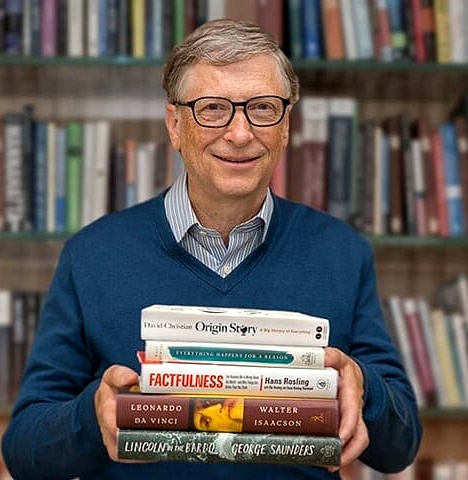
Bill Gates's Book Recommendations
Bill Gates, co-founder of Microsoft Corporation, is a pioneering figure in the tech industry, having played a key role in the personal computer revolution. His work at Microsoft, particularly the development of Windows, transformed software and computing globally. Beyond his technology contributions, Gates is also a prolific author, with notable works such as "The Road Ahead" and "Business @ the Speed of Thought," which offer insights into the future of technology and business. Additionally, his philanthropic efforts through the Bill & Melinda Gates Foundation have had a profound impact on global health, education, and poverty. Gates continues to influence both technology and literature with his forward-thinking perspectives and innovative ideas.
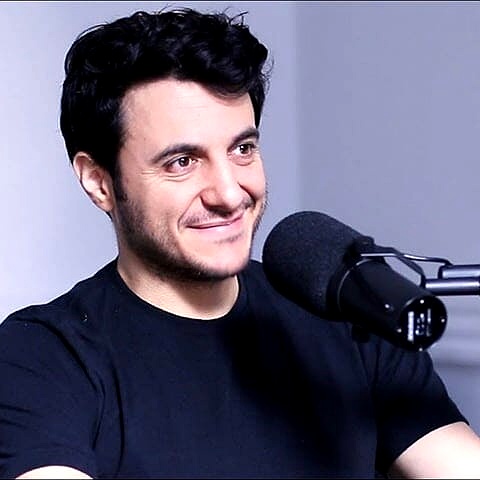
Tim Urban's Book Recommendations
Tim Urban is an acclaimed writer and the co-founder of the popular blog Wait But Why, known for its deep dives into complex topics like artificial intelligence, procrastination, and the future of humanity. He is celebrated for his ability to distill complicated subjects into engaging and accessible narratives, often accompanied by quirky illustrations. Urban's TED Talk on procrastination has garnered millions of views, further cementing his reputation as a thought leader. His writing has attracted a dedicated following and has been praised for its blend of humor and insight. In addition to his blog, Urban is working on a highly anticipated book that promises to delve even deeper into the topics his readers love.

Frank Chimero's Book Recommendations
Frank Chimero is a renowned designer, illustrator, and author best known for his influential book "The Shape of Design," which explores the philosophy and practice of design. His work emphasizes the intersection of creativity and human experience, earning him a respected place in both the design and literary communities. Chimero has contributed essays and lectures that have inspired a new generation of thinkers in the creative industries. He has also been recognized for his ability to distill complex ideas into accessible, thought-provoking content. Beyond his writing, Chimero's design projects and illustrations have been featured in numerous prestigious publications and exhibitions.
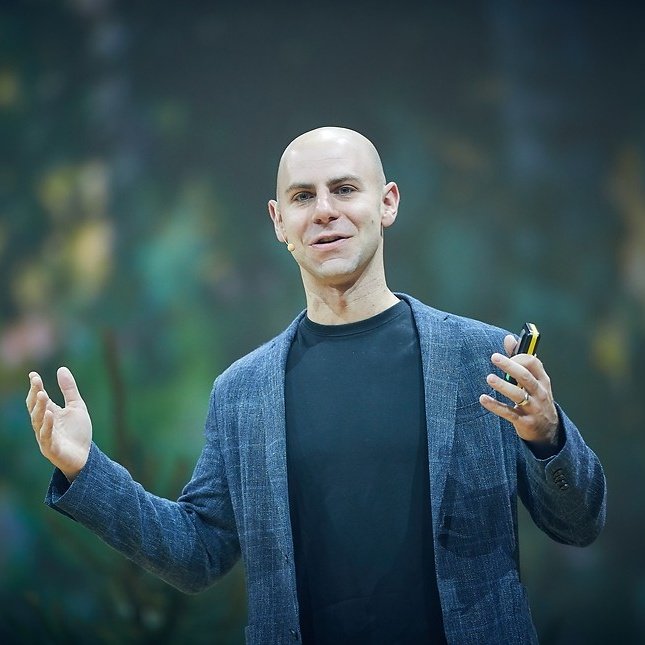
Adam Grant's Book Recommendations
Adam Grant is a renowned organizational psychologist and bestselling author, celebrated for his influential work on motivation and workplace dynamics. He is a professor at the Wharton School of the University of Pennsylvania, where he has been the youngest tenured professor and earned numerous teaching awards. Grant's books, including "Give and Take," "Originals," and "Think Again," have been translated into multiple languages and have topped bestseller lists worldwide. His research and insights are frequently featured in major media outlets, and he hosts the popular podcast "WorkLife." Through his writing and speaking, Grant has profoundly impacted the fields of psychology, business, and education.
“"To think about the meaning of life is to ponder the depths of existence and the limitations of our understanding, for it is in the questions we ask that we illuminate the mysteries we seek to unravel."”
The Last Word
By Thomas Nagel
Frequently Asked Questions
Explore Our Catalogue
Discover a world of knowledge through our extensive collection of book summaries.
Genres
Genres
Genres
Featured Collections
- Top Book Club Picks
- One-Stop Nutrition
- Summer Reads 2024
- Best Beach Reads 2024
- Work-Life Balance Guide
- Time Management
- Healthy Foods
- Entrepreneur Toolkit
- Mind & Body Wellness
- Future Tech Insights
- Leadership Essentials
- Financial Freedom
- Sci-Fi Masterpieces
- Parenting 101
- Books That Became Blockbusters
- Guide to a Healthy Pregnancy