The Pillars of the Earth Book Summary
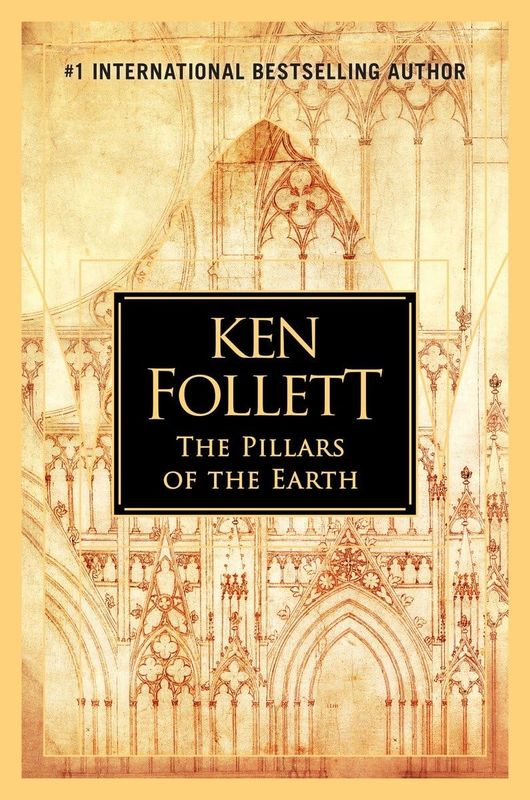
Set in 12th century England, 'The Pillars of the Earth' intricately weaves the lives of a diverse cast of characters centered around the construction of a grand cathedral. Follett explores themes of ambition, betrayal, and the struggle for power amidst the backdrop of civil war and social upheaval. As builders, clergy, and nobles clash, readers are drawn into a richly detailed world where every decision can alter the course of history. The novel captivates with its vivid descriptions and gripping narrative, making the stakes of each character's journey feel intensely personal. With its blend of historical depth and dramatic tension, this epic saga leaves you eager to uncover the fate of its unforgettable characters.
By Ken Follett
Published: 2016
"The future is not a gift, it is an achievement."

Start Listening to Book Summary
Book Review of The Pillars of the Earth
#1 New York Times Bestseller Oprah's Book Club Selection The “extraordinary . . . monumental masterpiece” (Booklist) that changed the course of Ken Follett’s already phenomenal career—and begins where its prequel, The Evening and the Morning, ended. “Follett risks all and comes out a clear winner,” extolled Publishers Weekly on the release of The Pillars of the Earth. A departure for the bestselling thriller writer, the historical epic stunned readers and critics alike with its ambitious scope and gripping humanity. Today, it stands as a testament to Follett’s unassailable command of the written word and to his universal appeal. The Pillars of the Earth tells the story of Philip, prior of Kingsbridge, a devout and resourceful monk driven to build the greatest Gothic cathedral the world has known . . . of Tom, the mason who becomes his architect—a man divided in his soul . . . of the beautiful, elusive Lady Aliena, haunted by a secret shame . . . and of a struggle between good and evil that will turn church against state and brother against brother. A spellbinding epic tale of ambition, anarchy, and absolute power set against the sprawling medieval canvas of twelfth-century England, this is Ken Follett’s historical masterpiece.
Book Overview of The Pillars of the Earth
About the Book Author
Ken Follett
Ken Follett is a highly acclaimed British author known for his compelling thriller and historical fiction novels. With over 160 million copies of his books sold worldwide, Follett's most notable works include the epic historical fiction series 'The Century Trilogy', which covers the 20th century through the intertwined lives of five families, and the best-selling novel 'The Pillars of the Earth', a sweeping saga set in the Middle Ages centered around the construction of a cathedral. Follett's writing style is characterized by meticulous research, rich character development, and intricate plotting, which draws readers into vivid historical settings and complex narratives.
Book Details
Key information about the book.
- Authors
- Ken Follett
- Published
- May 2016
- Publisher
- Penguin
- ISBN
- 0451488334
- Language
- English
- Pages
- 994
- Genres
- FictionHistorical Figures
Purchase Options
 Buy on Amazon
 Buy via BookShop
Support local bookstores: BookShop gives a portion of each sale to independent bookshops!
Similar books you might like →
The Immortal Life of Henrietta Lacks Book Summary
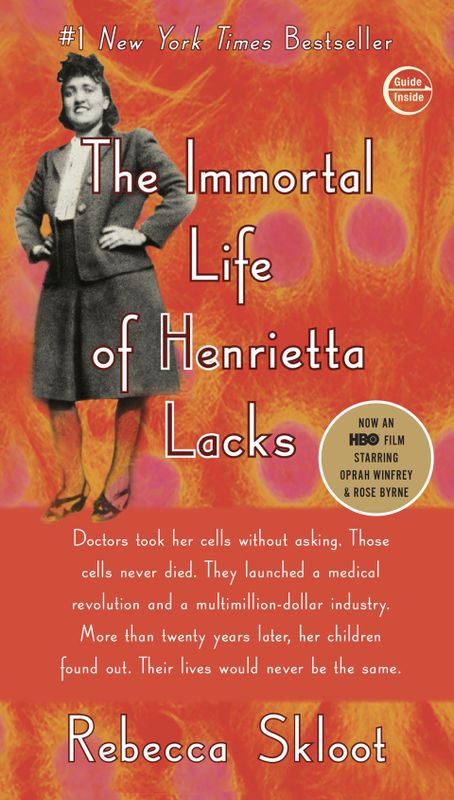
In "The Immortal Life of Henrietta Lacks," Rebecca Skloot unravels the extraordinary story of a woman whose cancer cells, taken without her knowledge in 1951, became a cornerstone of modern medical research. Henrietta's cells, known as HeLa, defied death and contributed to groundbreaking discoveries, all while her own life remained shrouded in injustice and neglect. Skloot intricately weaves the personal and the scientific, exposing the ethical dilemmas of medical research and the often-overlooked narratives of the individuals behind life-saving advancements. As we journey through Henrietta's life and legacy, we confront questions of race, ethics, and the true meaning of immortality. Discover how one woman's cells changed the course of medicine forever and left a profound impact on her family's quest for recognition and justice.
I Always Look Up the Word "egregious" Book Summary
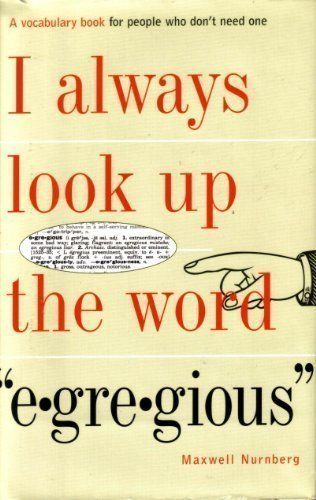
In 'I Always Look Up the Word "egregious"', Maxwell W. Nurnberg takes readers on a whimsical exploration of language and its quirks. Through a series of humorous anecdotes and enlightening observations, he reveals how words shape our perception of the world. Nurnberg's sharp wit and keen insights invite us to reconsider the meaning behind our everyday expressions. What happens when we scrutinize the very words we use? This engaging book will leave you both entertained and eager to expand your own vocabulary.
Giving the Devil His Due Book Summary
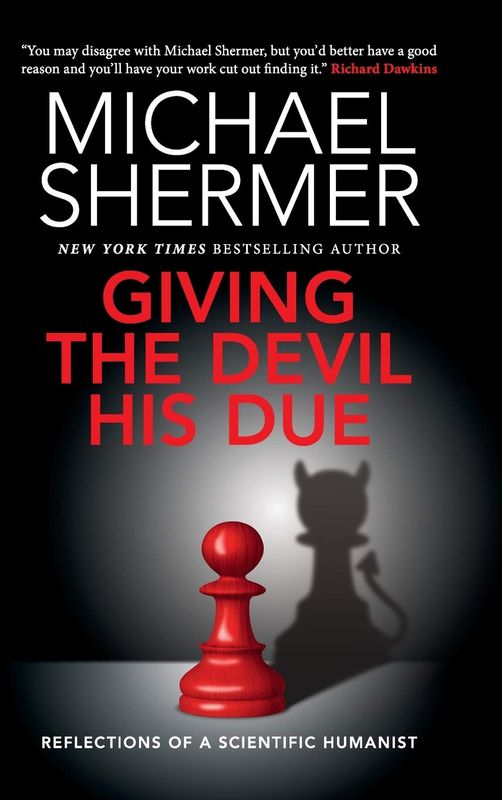
In 'Giving the Devil His Due', Michael Shermer challenges conventional morality by exploring the nature of good and evil. He delves into the reasons why we often unfairly vilify those who oppose our views, presenting a thought-provoking argument that encourages empathy and understanding. By dissecting historical figures and their controversial actions, Shermer invites readers to reconsider the black-and-white nature of morality. He unveils the psychological underpinnings of our judgments and the societal consequences they bear. This compelling read promises to reshape how we view the complexities of human behavior and ethics.
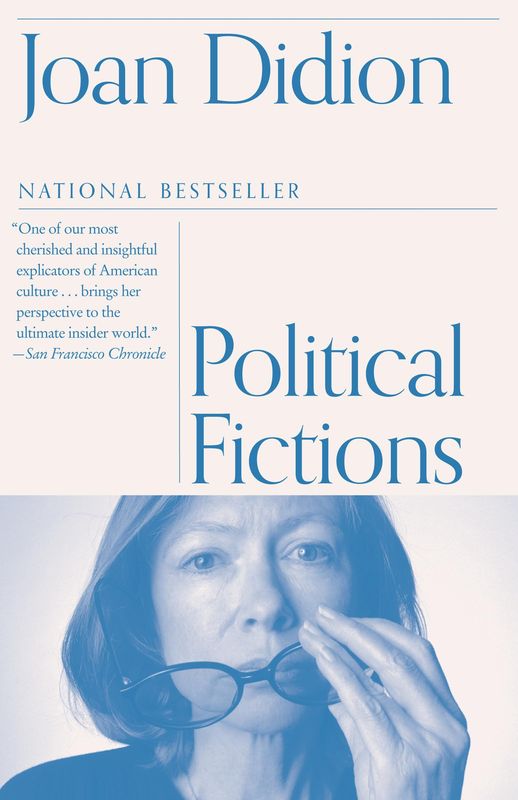
Political Fictions Book Summary
In 'Political Fictions,' Joan Didion explores the intricate relationship between politics and public perception, unraveling the narratives that shape American identity. Through her sharp prose and keen observations, Didion critiques the disconnection between the political narrative and the realities of everyday life. The essays are a blend of personal reflection and analytical dissection, revealing the often theatrical nature of political discourse. Didion's unique voice invites readers to question the authenticity of the stories they are told. Engaging and thought-provoking, this work challenges us to reconsider the fictions that inform our political landscape.
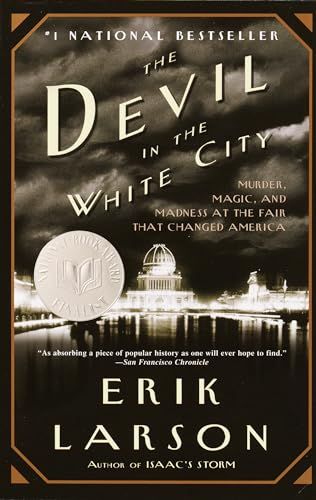
The Devil in the White City Book Summary
In 'The Devil in the White City,' Erik Larson intertwines the captivating story of the 1893 World's Fair in Chicago with the chilling tale of a serial killer who exploits the city's excitement. As the fair dazzles millions with its architectural wonders and innovations, darkness lurks in its shadows. The narrative paints a vivid picture of ambition, obsession, and the contrasting duality of human nature. Readers will grapple with the intertwining fates of genius and monstrosity in a city transformed by both vision and villainy. This gripping historical thriller leaves you questioning how the brightest lights can cast the darkest shadows.
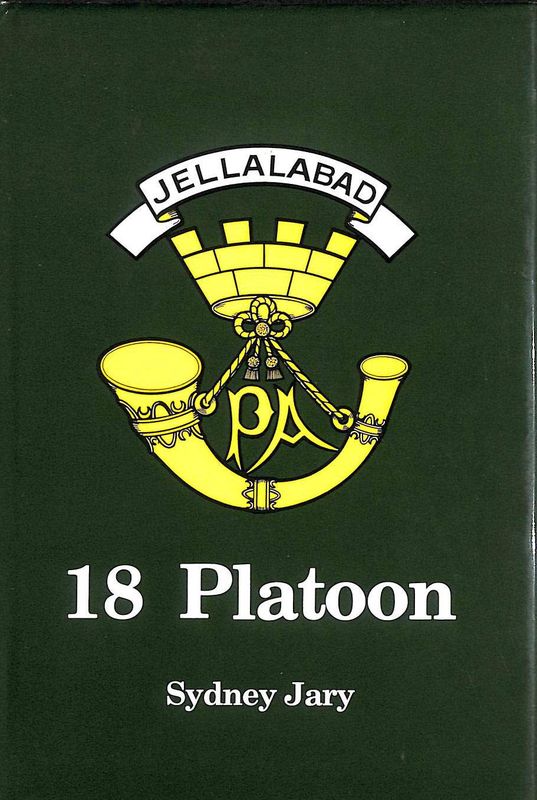
18 Platoon Book Summary
In '18 Platoon,' Sydney Jary transports readers to the harrowing front lines of war, capturing the grit and camaraderie of soldiers in a battalion faced with relentless challenges. The narrative follows the journey of these brave men as they navigate the chaos of conflict, forging friendships that defy the dire circumstances surrounding them. Amidst the uncertainty of survival, each character grapples with their fears, questions of duty, and personal triumphs. With vivid storytelling and emotional depth, Jary delves into the sacrifices made in the name of honor and duty. Will the bonds forged in battle be strong enough to withstand the scars of war?
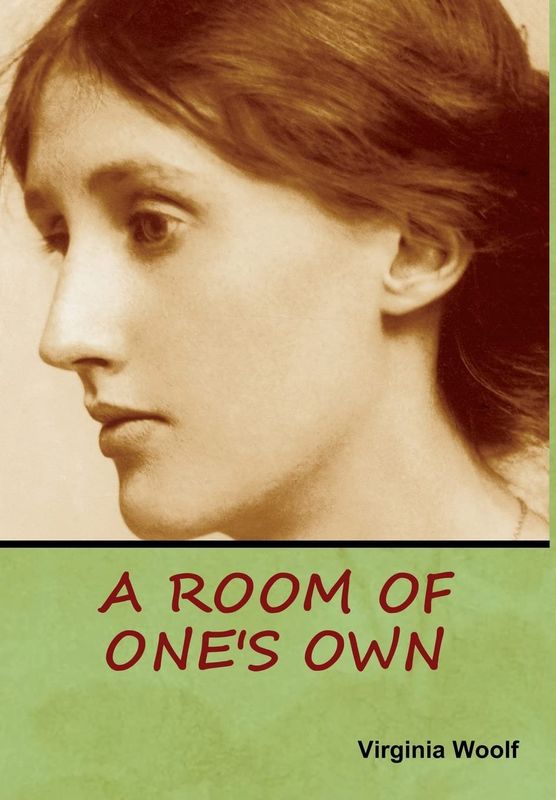
A Room of One's Own Book Summary
In 'A Room of One's Own', Virginia Woolf crafts a groundbreaking feminist essay that explores the relationship between women and fiction. She argues that a woman must have financial independence and private space to create art, delving into the constraints imposed by society. Through the lens of history and literature, Woolf challenges the patriarchal norms that have silenced women's voices. With philosophical insights and imaginative storytelling, she illuminates the struggle for identity and expression. This seminal work invites readers to reassess the value of their own creative spaces.
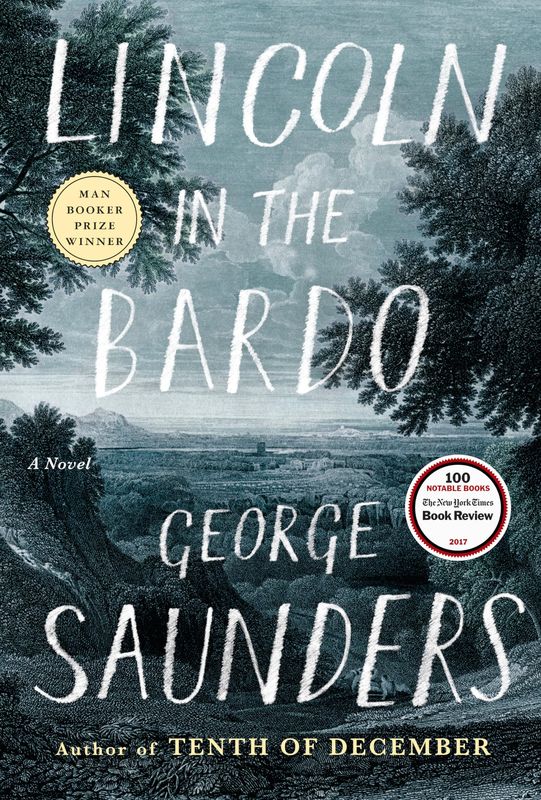
Lincoln in the Bardo Book Summary
In 'Lincoln in the Bardo,' George Saunders weaves a haunting tale set in the graveyard of Georgetown, where the spirit of Abraham Lincoln's son, Willie, lingers after his untimely death. The narrative unfolds through a chorus of voices—both living and dead—creating a rich tapestry of grief, love, and the struggle for understanding. As Lincoln grapples with his loss, spectral figures provide profound insights into the nature of mortality and the afterlife. This unique blend of historical fiction and the supernatural invites readers to reflect on the connections between the living and the dead. Prepare to be captivated by a story that transcends time, examining the very essence of humanity.
Showing 8 of 19 similar books
Take your reading experience to the next level
Download our mobile app to enjoy your favorite books on the go. Get access to exclusive features, offline listening, and personalized recommendations.

Similar Book Recommendations →

Alex Lieberman's Book Recommendations
Alex Lieberman is the co-founder and executive chairman of Morning Brew, a media company that delivers engaging business news. Under his leadership, Morning Brew has grown to reach millions of subscribers, becoming a significant player in modern business journalism. Lieberman is also known for his insightful commentary on entrepreneurship and media trends. His work has significantly influenced the way business news is consumed by younger audiences. Beyond Morning Brew, Lieberman frequently writes and speaks about the intersection of media and technology, further cementing his role as a thought leader in the industry.

Chelsea Handler's Book Recommendations
Chelsea Handler is an American comedian, actress, author, and talk show host, best known for her late-night talk show Chelsea Lately on E!. Handler's bold, unapologetic humor and outspoken views on politics, gender, and social issues have made her a prominent figure in comedy and media. In addition to her TV career, she has written several best-selling books, including Are You There, Vodka? It’s Me, Chelsea, and has been a strong advocate for political activism and mental health awareness. Handler continues to be a leading voice in entertainment and social commentary, using her platform to challenge norms and promote change.

Abi Tyas Tunggal's Book Recommendations
Abi Tyas Tunggal is a distinguished author known for his impactful contributions to contemporary literature and digital content. He has garnered acclaim for his insightful storytelling and adept handling of complex themes, resonating with a diverse readership. Tunggal's work often explores the intersections of technology, society, and human experience, making him a prominent voice in modern narrative arts. Beyond his literary achievements, he is also recognized for his innovative use of digital platforms to engage with and expand his audience. Tunggal continues to influence the literary landscape with his thought-provoking and accessible writing.
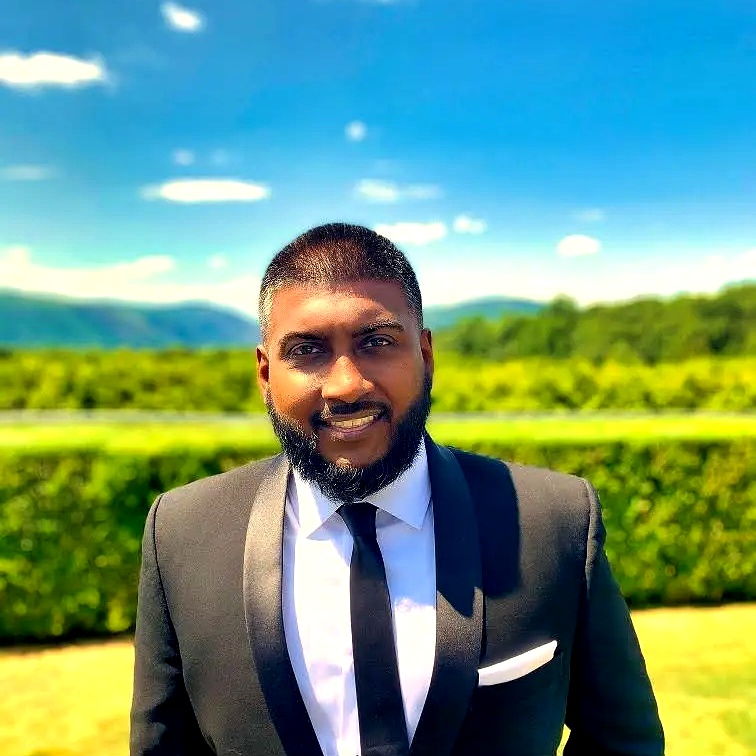
Andrew Lokenauth's Book Recommendations
Andrew Lokenauth is a distinguished author and financial expert known for his insightful contributions to personal finance and investment literature. With a career spanning over a decade, he has written extensively on topics such as wealth management, financial planning, and market analysis. Lokenauth's works are celebrated for their clarity and practical advice, making complex financial concepts accessible to a broad audience. He has been featured in numerous financial publications and has established himself as a trusted voice in the industry. Beyond his writing, Lokenauth is also a sought-after speaker, sharing his expertise at various seminars and workshops.

Barack Obama's Book Recommendations
Barack Obama is the 44th President of the United States, serving from 2009 to 2017. As the first African American president, Obama’s leadership marked a historic moment in American history. His administration focused on healthcare reform, economic recovery from the Great Recession, and environmental policies. He is best known for the Affordable Care Act, as well as his efforts to expand civil rights and restore diplomatic relations with Cuba. Since leaving office, Obama has continued to engage in public life through his foundation, focusing on leadership development, civic engagement, and global issues.
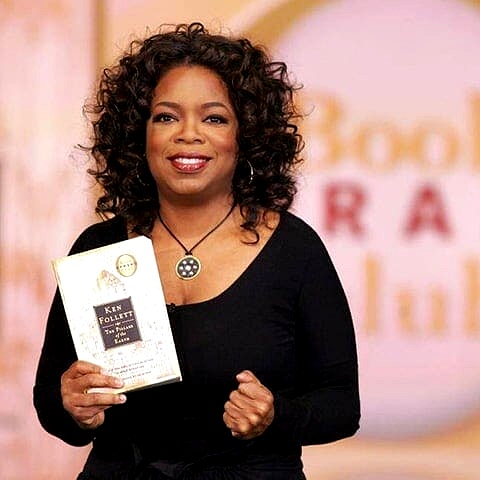
Oprah Winfrey's Book Recommendations
Oprah Winfrey is a globally renowned media mogul, talk show host, and philanthropist. She gained fame through her groundbreaking talk show, "The Oprah Winfrey Show," which ran for 25 years and became one of the highest-rated programs in television history. Winfrey has significantly impacted literature through her influential book club, Oprah's Book Club, which has propelled numerous books to bestseller status and fostered a love of reading across diverse audiences. She is also the author of several books, including her memoir "The Life You Want," and has contributed to numerous inspirational and self-help publications. Beyond her literary contributions, Winfrey has been a powerful advocate for education and empowerment, founding the Oprah Winfrey Leadership Academy for Girls in South Africa.
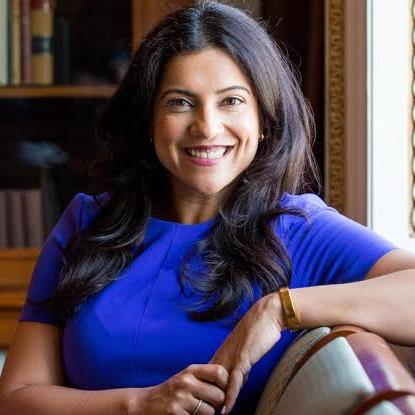
Reshma Saujani's Book Recommendations
Reshma Saujani is the founder of Girls Who Code, an organization aimed at closing the gender gap in technology by empowering young women to pursue careers in coding and computer science. She gained national attention in 2010 as the first Indian-American woman to run for U.S. Congress. Reshma is also the author of several books, including Brave, Not Perfect, which encourages women to embrace failure and take risks. Her TED Talk on teaching girls bravery rather than perfection has garnered millions of views. Reshma continues to advocate for gender equality and innovation in education.

Daniel Petre's Book Recommendations
Daniel Petre is a distinguished Australian entrepreneur, author, and philanthropist known for his impactful contributions to the business and literary worlds. He co-founded the venture capital firm AirTree Ventures, which has significantly influenced the technology startup ecosystem in Australia. Petre has authored several influential books on technology and leadership, including "The Clever Country?" and "Father Time," which explore themes of innovation and work-life balance. His writing often reflects his deep commitment to shaping a forward-thinking, inclusive society. Beyond his literary and business endeavors, Petre is also recognized for his substantial philanthropic efforts, particularly in education and healthcare.
Showing 8 of 18 related collections
“The future is not a gift, it is an achievement.”
The Pillars of the Earth
By Ken Follett
Frequently Asked Questions
Explore Our Catalogue
Discover a world of knowledge through our extensive collection of book summaries.
Genres
Genres
Genres
Featured Collections
- Top Book Club Picks
- One-Stop Nutrition
- Summer Reads 2024
- Best Beach Reads 2024
- Work-Life Balance Guide
- Time Management
- Healthy Foods
- Entrepreneur Toolkit
- Mind & Body Wellness
- Future Tech Insights
- Leadership Essentials
- Financial Freedom
- Sci-Fi Masterpieces
- Parenting 101
- Books That Became Blockbusters
- Guide to a Healthy Pregnancy