Giving the Devil His Due Book Summary
In 'Giving the Devil His Due', Michael Shermer challenges conventional morality by exploring the nature of good and evil. He delves into the reasons why we often unfairly vilify those who oppose our views, presenting a thought-provoking argument that encourages empathy and understanding. By dissecting historical figures and their controversial actions, Shermer invites readers to reconsider the black-and-white nature of morality. He unveils the psychological underpinnings of our judgments and the societal consequences they bear. This compelling read promises to reshape how we view the complexities of human behavior and ethics.
By Michael Shermer
Published: 2020
"In the dance between reason and belief, we must learn to step back and see the truth beneath our fears."


Start Listening to Book Summary
Book Review of Giving the Devil His Due
Explores how free speech and open inquiry are integral to science, politics, and society for the survival and progress of our species.
Book Overview of Giving the Devil His Due
About the Book Author
Michael Shermer
Michael Shermer is a prominent American science writer, historian of science, and founder of the Skeptics Society. He is known for his work on the intersection of science, philosophy, and society, often advocating for scientific skepticism. Shermer has authored several notable books including 'Why People Believe Weird Things,' 'The Believing Brain,' and 'Heavens on Earth.' His writing style combines rigorous scientific argumentation with engaging narrative, making complex ideas accessible to a broad audience. In addition to his books, Shermer is a regular contributor to Scientific American and has appeared in various media outlets discussing issues related to skepticism, science, and critical thinking.
Book Details
Key information about the book.
- Authors
- Michael Shermer
- Published
- April 2020
- Publisher
- Cambridge University Press
- ISBN
- 1108489788
- Language
- English
- Pages
- 369
- Genres
- PhilosophyEthics and Morality
Purchase Options
 Buy on Amazon
 Buy via BookShop
Support local bookstores: BookShop gives a portion of each sale to independent bookshops!
Similar books you might like →

The Flawed Architect Book Summary
In 'The Flawed Architect', Jussi M. Hanhimäki delves into the intricate life and legacy of a pivotal figure who shaped modern diplomacy. Exploring the dualities of ambition and morality, the narrative reveals how intentions can crumble under the weight of political realities. The book intertwines history with personal anecdotes, painting a vivid portrait of a leader's struggle with their own flaws. Readers are invited to ponder the complexities of human nature in the high-stakes arena of global politics. Will the lessons learned from this flawed architect illuminate the path for future generations?

Jane Austen's Letters Book Summary
Dive into the private world of Jane Austen through 'Jane Austen's Letters,' where her sharp wit and keen observations come to life. This captivating collection reveals the author's thoughts on love, society, and her own literary pursuits. Discover the rich tapestry of her friendships and family dynamics that shaped her iconic works. With insightful commentary by Deirdre Le Faye, readers gain access to Austen's personal reflections and the context behind her timeless prose. A treasure trove for fans of literature, this book invites you to experience the humor and humanity of one of England's greatest writers.
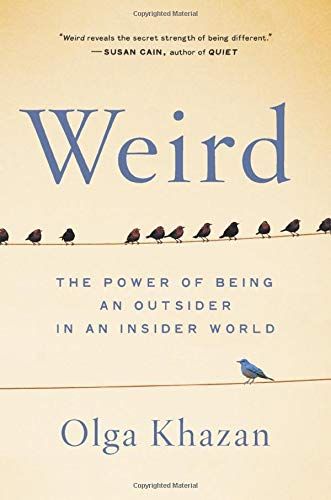
Weird Book Summary
In 'Weird,' Olga Khazan explores the fascinating science behind what makes us quirky and unconventional. Through a blend of personal anecdotes and psychological research, she delves into the hidden advantages of embracing our oddities. This thought-provoking narrative challenges societal norms and celebrates the beauty of being different. Khazan's engaging writing invites readers to question their own perceptions of normality. Can being weird actually be the key to a richer, more fulfilling life?
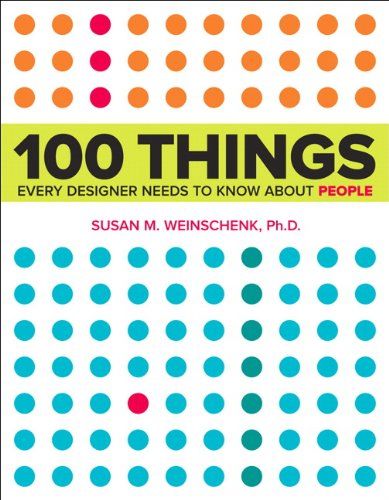
100 Things Every Designer Needs to Know about People Book Summary
In '100 Things Every Designer Needs to Know about People,' Susan Weinschenk unveils essential psychological principles that can enhance design effectiveness. With insights drawn from cognitive science, the book explores how people perceive, interact with, and make decisions about design. From the nuances of color perception to the importance of empathy in user experience, Weinschenk offers practical strategies for designers. Each principle is supported by fascinating research, making the content both informative and engaging. This enlightening guide equips designers to create more intuitive and user-friendly experiences, sparking curiosity about the intersection of psychology and design.
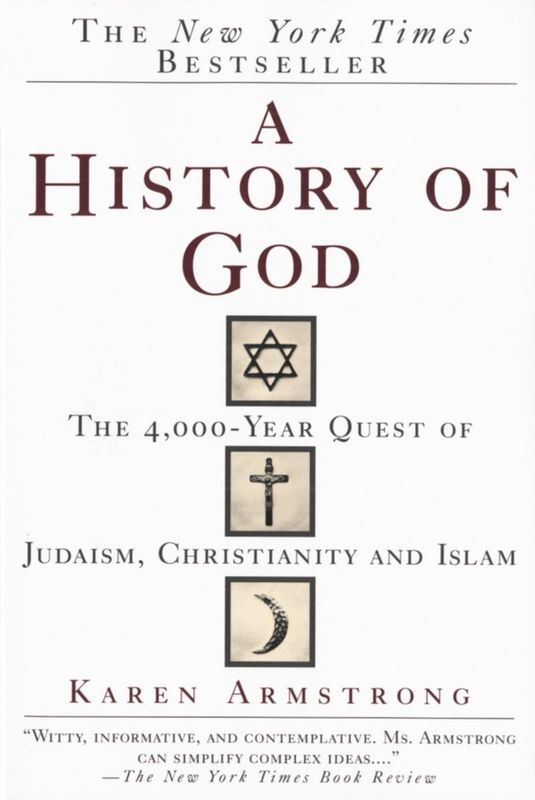
A History of God Book Summary
In 'A History of God', Karen Armstrong embarks on a fascinating journey through the evolution of the concept of God from ancient times to the modern era. She explores how various religions—Judaism, Christianity, and Islam—have shaped humanity's understanding of the divine, revealing the complexities and contradictions in these beliefs. Highlighting the influence of culture, politics, and philosophy, Armstrong invites readers to reconsider their perceptions of faith and spirituality. This thought-provoking narrative raises profound questions about the nature of belief and the future of religious thought. Are we on the brink of a new understanding of God, or are we simply repeating history?
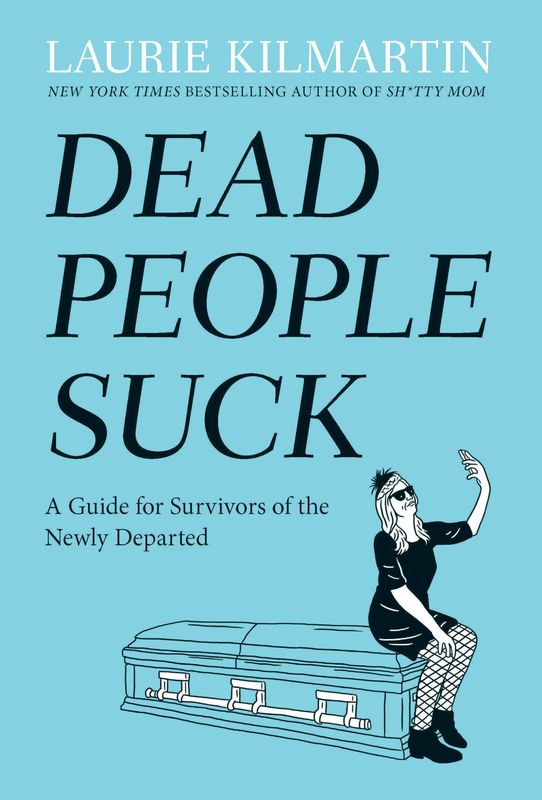
Dead People Suck Book Summary
In 'Dead People Suck', comedian Laurie Kilmartin boldly navigates the murky waters of grief with biting humor and unflinching honesty. Drawing from her personal experiences as she copes with the loss of her father, Kilmartin balances tragedy and comedy in a way that challenges societal norms around death. Through her sharp wit, she invites readers to rethink how we address mortality, making the painful relatable and the awkward approachable. This book isn’t just about loss; it's a celebration of life and the absurdity of our final moments. Kilmartin's unique perspective promises to leave you both laughing and reflecting on the inevitable truth we all share.

Money Book Summary
In 'Money', Martin Amis explores the hedonistic chaos of the 1980s through the eyes of John Self, a boisterous director fueled by excess and greed. Self's life spirals as his pursuit of wealth leads him into a whirlwind of consumerism and moral decay. With sharp wit and dark humor, Amis captures the absurdity of capitalism and debauchery. As Self's indulgences catch up with him, readers are left questioning the true cost of living a life devoted to pleasure. Will he emerge unscathed from his self-destructive path, or is there a reckoning waiting at the end?

Who Rules the World? Book Summary
In 'Who Rules the World?', Noam Chomsky delves into the intricate web of power dynamics shaping global politics. He challenges the dominant narratives perpetuated by governments and media, exposing the underlying interests that manipulate policy and public perception. The book scrutinizes the consequences of imperialism, economic inequality, and militarism on everyday lives worldwide. Chomsky's incisive arguments compel readers to question authority and engage with the complexities of contemporary issues. Prepare for a thought-provoking journey that reveals the stark realities behind who wields true power in our world.
Showing 8 of 24 similar books
Take your reading experience to the next level
Download our mobile app to enjoy your favorite books on the go. Get access to exclusive features, offline listening, and personalized recommendations.

Similar Book Recommendations →

Niki Scevak's Book Recommendations
Niki Scevak is a distinguished entrepreneur and venture capitalist, widely recognized for his contributions to the startup ecosystem rather than traditional literature. As a co-founder and partner at Blackbird Ventures, he has played a pivotal role in funding and mentoring successful Australian tech startups. Scevak also co-founded Startmate, an influential accelerator program that has shaped numerous early-stage companies. His work has significantly impacted the Australian tech landscape, fostering innovation and entrepreneurial growth. Though not an author of traditional books, his insights and thought leadership are frequently shared through industry publications and speaking engagements.

Ryan Flaherty's Book Recommendations
Ryan Flaherty is a performance coach and Senior Director of Performance at Nike, where he works with top athletes to improve their speed, strength, and overall performance. Flaherty is best known for developing the “Force Number” training methodology, which helps athletes optimize their performance by measuring power output. His innovative approach to training has made him a go-to expert for elite athletes across various sports, including NFL players and Olympians. Flaherty is also a speaker and advocate for using data-driven approaches to improve athletic performance and prevent injuries.

Barack Obama's Book Recommendations
Barack Obama is the 44th President of the United States, serving from 2009 to 2017. As the first African American president, Obama’s leadership marked a historic moment in American history. His administration focused on healthcare reform, economic recovery from the Great Recession, and environmental policies. He is best known for the Affordable Care Act, as well as his efforts to expand civil rights and restore diplomatic relations with Cuba. Since leaving office, Obama has continued to engage in public life through his foundation, focusing on leadership development, civic engagement, and global issues.

Bernie Sanders's Book Recommendations
Bernie Sanders is an American politician and U.S. Senator from Vermont, known for his progressive policies and his advocacy for economic equality. Sanders ran for the Democratic presidential nomination in 2016 and 2020, inspiring a movement with his calls for Medicare for All, free college tuition, and a $15 minimum wage. He identifies as a democratic socialist and has been a long-standing advocate for labor rights, environmental justice, and social welfare programs. Sanders’ candidacy energized a new generation of activists and has had a lasting influence on the direction of the Democratic Party. His focus on income inequality and social justice continues to shape political discourse in the U.S.

Jerzy Gregorek's Book Recommendations
Jerzy Gregorek is a Polish-born weightlifting champion, author, and personal trainer, best known for his book The Happy Body, which combines exercise, nutrition, and mindfulness for sustainable health. After immigrating to the U.S., Gregorek became a champion weightlifter and a sought-after fitness coach. His approach to fitness emphasizes balance, longevity, and happiness, helping people achieve their health goals without extreme methods. Gregorek’s philosophy is built on simplicity and consistency, making his approach accessible to people of all ages. His work has inspired many to adopt a healthier, more mindful lifestyle.

Alexandria Ocasio-Cortez's Book Recommendations
Alexandria Ocasio-Cortez, also known as AOC, is a U.S. Congresswoman representing New York's 14th district. She gained national attention after winning her seat in 2018 at the age of 29, making her one of the youngest women ever elected to Congress. Ocasio-Cortez is known for her progressive policies, advocating for issues such as Medicare for All, climate change action, and economic justice. She has become a prominent figure within the Democratic Party and uses social media to engage with constituents and the public. Her rise from grassroots activism to Congress has inspired many young people to get involved in politics.

Alex Honnold's Book Recommendations
Alex Honnold is an American professional rock climber, best known for his free solo ascent of El Capitan in Yosemite National Park, a feat that was documented in the Oscar-winning film Free Solo. Honnold is renowned for his mental toughness, technical skill, and ability to climb without ropes or safety equipment. His accomplishments have made him a legend in the climbing world, and he continues to push the boundaries of the sport. Outside of climbing, Honnold is a philanthropist, founding the Honnold Foundation, which supports environmental sustainability projects, particularly in solar energy.

Brad Feld's Book Recommendations
Brad Feld is a prominent American entrepreneur, venture capitalist, and author known for his influential work in the startup ecosystem. Co-founder of the Foundry Group, he has played a pivotal role in funding and mentoring early-stage technology companies. Feld is also a key figure behind the Techstars accelerator program, which has helped launch numerous successful startups. As an author, he has penned several essential books on entrepreneurship and venture capital, including "Venture Deals" and "Startup Communities," which provide invaluable insights for aspiring entrepreneurs and investors. His writings and active blogging have cemented his reputation as a thought leader in the tech and startup communities.
Showing 8 of 9 related collections
“In the dance between reason and belief, we must learn to step back and see the truth beneath our fears.”
Giving the Devil His Due
By Michael Shermer
Frequently Asked Questions
Explore Our Catalogue
Discover a world of knowledge through our extensive collection of book summaries.
Genres
Genres
Genres
Featured Collections
- Top Book Club Picks
- One-Stop Nutrition
- Summer Reads 2024
- Best Beach Reads 2024
- Work-Life Balance Guide
- Time Management
- Healthy Foods
- Entrepreneur Toolkit
- Mind & Body Wellness
- Future Tech Insights
- Leadership Essentials
- Financial Freedom
- Sci-Fi Masterpieces
- Parenting 101
- Books That Became Blockbusters
- Guide to a Healthy Pregnancy