The Pragmatic Programmer Book Summary
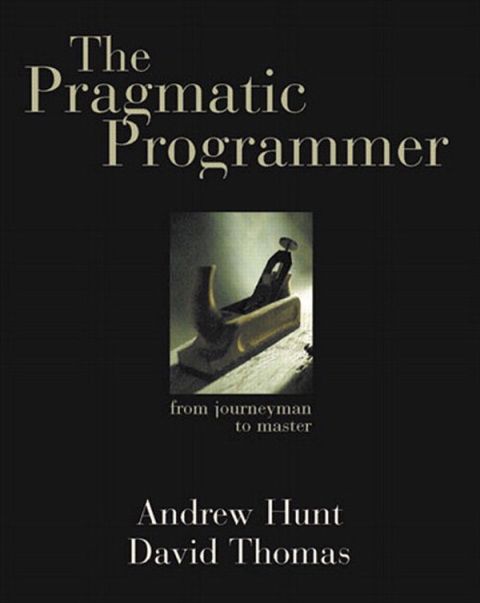
In "The Pragmatic Programmer," Andrew Hunt and David Thomas unveil the timeless principles and practices that empower developers to master their craft. Through captivating anecdotes and insightful tips, they challenge conventional programming wisdom, urging readers to embrace adaptability and continuous learning. The compelling emphasis on practical techniques, such as code craftsmanship and effective debugging, makes this a must-read for both seasoned pros and new coders. With its blend of philosophy and actionable advice, the book invites you to reflect on your own software development journey. Prepare to elevate your programming skills and become a more versatile developer—your future self will thank you!
By Andrew Hunt, David Thomas
Published: 1999
"Care about your craft."

Start Listening to Book Summary
Book Review of The Pragmatic Programmer
What others in the trenches say about The Pragmatic Programmer... “The cool thing about this book is that it’s great for keeping the programming process fresh. The book helps you to continue to grow and clearly comes from people who have been there.” — Kent Beck, author of Extreme Programming Explained: Embrace Change “I found this book to be a great mix of solid advice and wonderful analogies!” — Martin Fowler, author of Refactoring and UML Distilled “I would buy a copy, read it twice, then tell all my colleagues to run out and grab a copy. This is a book I would never loan because I would worry about it being lost.” — Kevin Ruland, Management Science, MSG-Logistics “The wisdom and practical experience of the authors is obvious. The topics presented are relevant and useful.... By far its greatest strength for me has been the outstanding analogies—tracer bullets, broken windows, and the fabulous helicopter-based explanation of the need for orthogonality, especially in a crisis situation. I have little doubt that this book will eventually become an excellent source of useful information for journeymen programmers and expert mentors alike.” — John Lakos, author of Large-Scale C++ Software Design “This is the sort of book I will buy a dozen copies of when it comes out so I can give it to my clients.” — Eric Vought, Software Engineer “Most modern books on software development fail to cover the basics of what makes a great software developer, instead spending their time on syntax or technology where in reality the greatest leverage possible for any software team is in having talented developers who really know their craft well. An excellent book.” — Pete McBreen, Independent Consultant “Since reading this book, I have implemented many of the practical suggestions and tips it contains. Across the board, they have saved my company time and money while helping me get my job done quicker! This should be a desktop reference for everyone who works with code for a living.” — Jared Richardson, Senior Software Developer, iRenaissance, Inc. “I would like to see this issued to every new employee at my company....” — Chris Cleeland, Senior Software Engineer, Object Computing, Inc. “If I’m putting together a project, it’s the authors of this book that I want. . . . And failing that I’d settle for people who’ve read their book.” — Ward Cunningham Straight from the programming trenches, The Pragmatic Programmer cuts through the increasing specialization and technicalities of modern software development to examine the core process--taking a requirement and producing working, maintainable code that delights its users. It covers topics ranging from personal responsibility and career development to architectural techniques for keeping your code flexible and easy to adapt and reuse. Read this book, and you'll learn how to Fight software rot; Avoid the trap of duplicating knowledge; Write flexible, dynamic, and adaptable code; Avoid programming by coincidence; Bullet-proof your code with contracts, assertions, and exceptions; Capture real requirements; Test ruthlessly and effectively; Delight your users; Build teams of pragmatic programmers; and Make your developments more precise with automation. Written as a series of self-contained sections and filled with entertaining anecdotes, thoughtful examples, and interesting analogies, The Pragmatic Programmer illustrates the best practices and major pitfalls of many different aspects of software development. Whether you're a new coder, an experienced programmer, or a manager responsible for software projects, use these lessons daily, and you'll quickly see improvements in personal productivity, accuracy, and job satisfaction. You'll learn skills and develop habits and attitudes that form the foundation for long-term success in your career. You'll become a Pragmatic Programmer.
Book Overview of The Pragmatic Programmer
About the Book Authors
Andrew Hunt
Andrew Hunt is an accomplished author and historian known for his engaging narratives and in-depth explorations of American culture and history. His notable works include "The American West: A New Interpretive History" and "Inventing the American West: A New History of the Frontier." Hunt's writing style is characterized by a blend of meticulous research and vibrant storytelling, making complex historical themes accessible and compelling to a wide audience. He holds a Ph.D. in History and frequently contributes to academic journals and popular publications, solidifying his reputation as a leading voice in contemporary historical literature. In addition to his writing, Hunt is also a sought-after speaker, sharing his insights at conferences and universities nationwide.
David Thomas
David Thomas is a distinguished author known for his compelling storytelling and vivid character development. With a diverse body of work that spans fiction, non-fiction, and screenwriting, he has captivated readers with his keen insights into human nature and contemporary life. Among his notable works are The Tenth Gift, which intertwines historical narrative with rich emotional depth, and The Eagle of the Ninth, where he examines the complexities of loyalty and identity. Thomas employs a writing style characterized by lyrical prose, intricate plots, and a strong sense of place, often drawing on his background in history and extensive travel. His work has garnered critical acclaim and has established him as a prominent voice in modern literature.
Book Details
Key information about the book.
- Authors
- Andrew Hunt, David Thomas
- Published
- October 1999
- Publisher
- Addison-Wesley Professional
- ISBN
- 013211917X
- Language
- English
- Pages
- 346
- Genres
- Software DevelopmentTechnology
Purchase Options
 Buy on Amazon
 Buy via BookShop
Support local bookstores: BookShop gives a portion of each sale to independent bookshops!
Similar books you might like →
How Google Works Book Summary
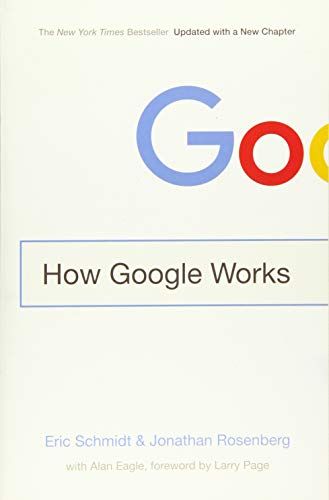
In "How Google Works", Eric Schmidt and Jonathan Rosenberg unveil the inner workings of one of the world's most innovative companies. Delving into the intersection of technology, business strategy, and culture, they explore how flexibility and creativity fuel Google's success. The authors share insider anecdotes and pivotal lessons about fostering collaboration and embracing change in a fast-paced digital landscape. You’ll discover the vital role data plays in decision-making and how to cultivate a "smart creatives" mindset. Prepare to be inspired by the blueprint of a company that has revolutionized not just the tech industry, but the very way we navigate information itself.
Homo Deus Book Summary
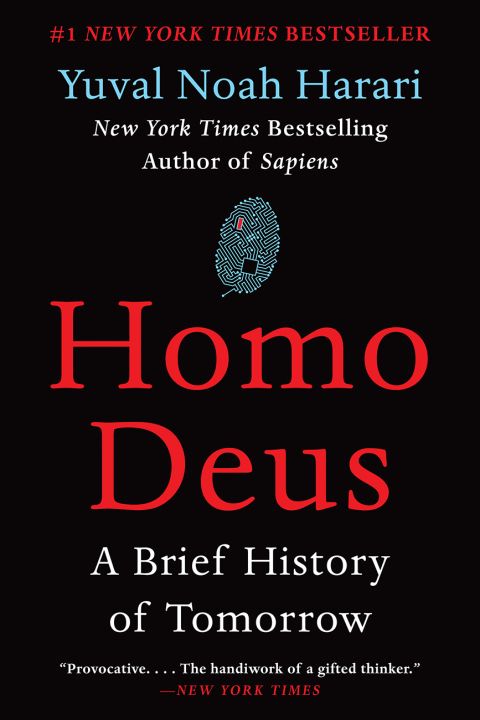
In "Homo Deus: A Brief History of Tomorrow," Yuval Noah Harari explores the future possibilities for humanity as we evolve beyond our current limitations. Delving into themes of artificial intelligence, genetic engineering, and the quest for immortality, he provokes thought about what may come after Homo sapiens. As society increasingly turns to technology for solutions, he questions the implications of our pursuit of happiness and god-like powers. Will we augment our bodies and minds, or lose our humanity in the process? This provocative journey invites readers to ponder the exhilarating—and terrifying—potential of our own evolution.
Clean Code Book Summary
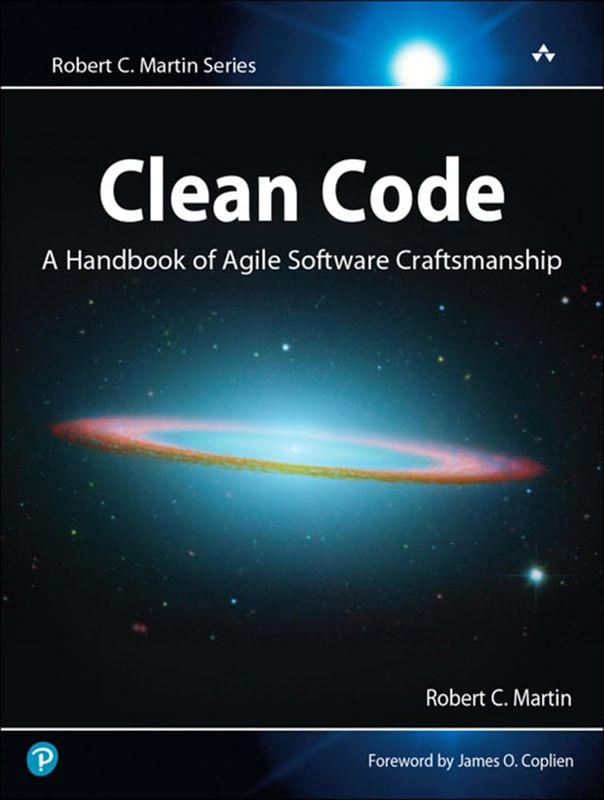
Clean Code: A Handbook of Agile Software Craftsmanship by Robert C. Martin is a masterclass in writing quality code that stands the test of time. Through a series of practical examples and principles, Martin reveals the art of developing clean, readable, and maintainable code, while emphasizing the moral responsibility of programmers. He challenges readers to confront their coding habits and provides actionable insights to elevate their skills. With an exploration of key concepts like refactoring, testing, and the importance of simplicity, this book becomes an essential guide for anyone who writes software. Dive in and discover how clean code not only enhances productivity but also fosters a culture of excellence in software development!
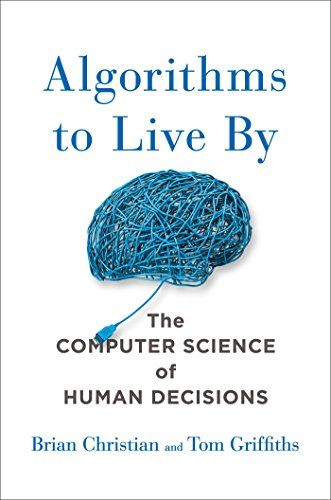
Algorithms to Live By Book Summary
In "Algorithms to Live By," Brian Christian takes readers on a fascinating journey through the intersection of computer science and human decision-making. He reveals how algorithms, often seen as complex tools of technology, can illuminate our daily choices—from optimizing our schedules to managing relationships. Through engaging anecdotes and insights from experts, Christian demonstrates how applying these principles can lead to smarter, more efficient lives. But what happens when algorithms challenge our intuition? Explore the surprising ways math can guide not just our decisions, but our very existence.
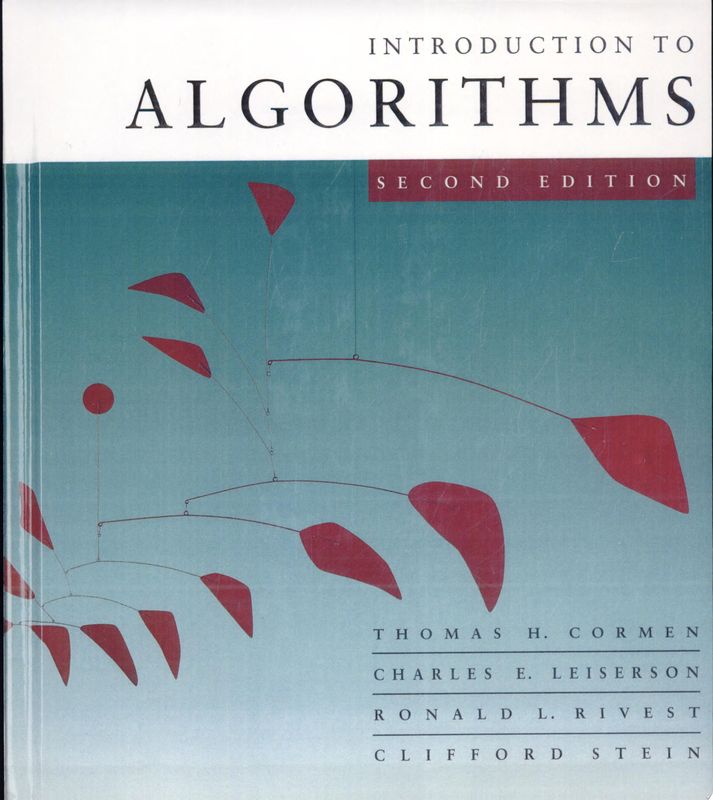
Introduction To Algorithms Book Summary
Introduction to Algorithms is a definitive guide that demystifies the art of algorithm design and analysis. Packed with clear explanations and illustrative examples, it reveals the underlying principles that drive computer science. Each chapter transforms complex topics into digestible insights, making it suitable for both novices and seasoned programmers. From sorting algorithms to graph theory, the book elucidates how these concepts shape our digital world. Dive in and discover how mastering algorithms can unlock solutions to some of the most challenging problems in technology today!
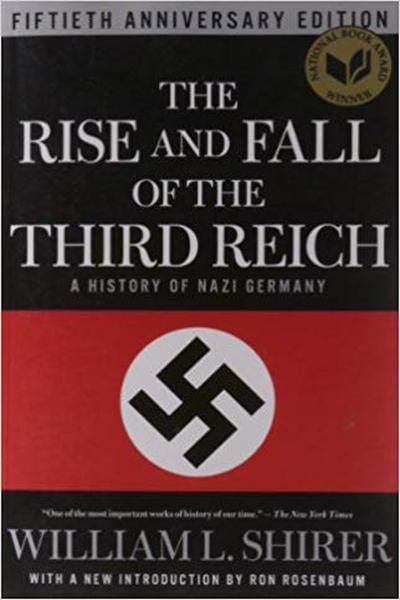
The Rise and Fall of the Third Reich Book Summary
In "The Rise and Fall of the Third Reich," William L. Shirer delves into the tumultuous era of Nazi Germany, chronicling the meteoric ascent of Adolf Hitler and the catastrophic consequences of his totalitarian regime. With gripping detail, Shirer unveils the intricate web of political machinations, propaganda, and the chilling indifference of the populace that enabled the regime's rise. As the narrative unfolds, readers are drawn into the harrowing events of World War II, revealing the stark realities of war and oppression. Yet, the book also contemplates the broader implications of tyranny and the fragility of democracy in the face of political extremism. Will humanity learn from the lessons of the past, or are we doomed to repeat history?
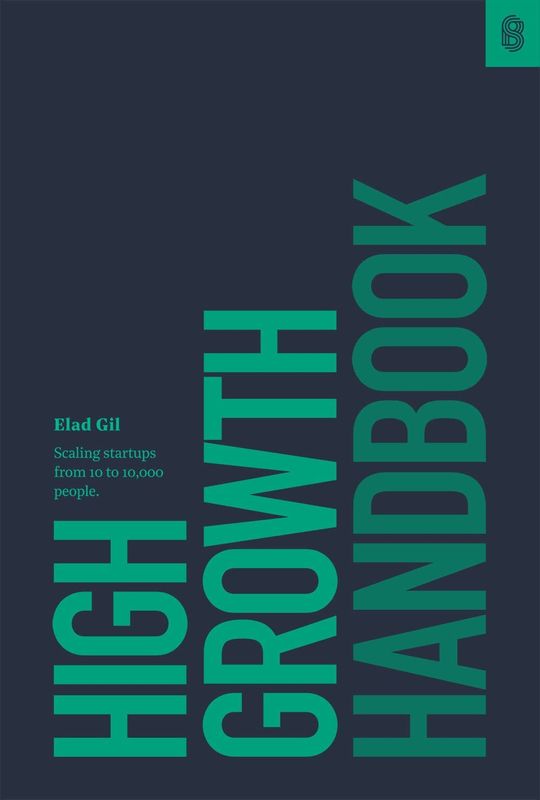
High Growth Handbook Book Summary
In 'High Growth Handbook', Elad Gil offers a masterclass for entrepreneurs navigating the treacherous waters of scaling a startup. Drawing from his own experiences and insights from industry leaders, he provides actionable strategies that can lead to explosive growth. The book delves into critical topics such as team dynamics, fundraising tactics, and operational scalability. With his sharp wit and practical guidance, Gil demystifies the complex journey of transforming a fledgling company into a powerhouse. Are you ready to unlock the secrets of high-growth success?
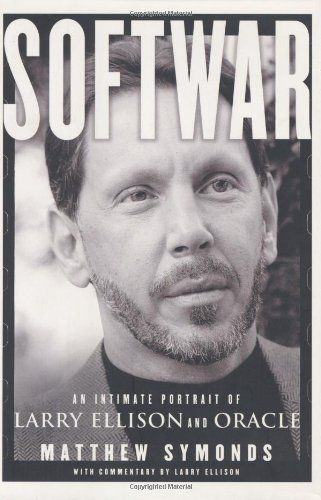
Softwar Book Summary
'Softwar' by Matthew Symonds delves into the intricate and often secretive world of software development amidst global geopolitics. As nations harness technology for power, the narrative reveals how software now plays a crucial role in warfare and diplomacy. With insider stories and vivid characters, Symonds illustrates the intersection of cyberspace and the physical world, raising questions about ethics and control. The book challenges readers to consider the implications of a technology-driven future shaped by both innovation and conflict. Will the next conflict be fought not on battlegrounds, but in the software that powers our lives?
Showing 8 of 26 similar books
Take your reading experience to the next level
Download our mobile app to enjoy your favorite books on the go. Get access to exclusive features, offline listening, and personalized recommendations.

Similar Book Recommendations →

Elon Musk's Book Recommendations
Elon Musk is an influential entrepreneur and innovator known for founding and leading several groundbreaking companies, including Tesla, SpaceX, Neuralink, and The Boring Company. He has played a pivotal role in advancing electric vehicles, space exploration, and renewable energy. Musk's vision extends to colonizing Mars and reducing the risk of human extinction through space travel. In addition to his technological contributions, he has co-authored the book "Spacex: Making Commercial Spaceflight a Reality," providing insights into his ambitious projects and vision for the future. Musk's relentless pursuit of innovation continues to shape the trajectory of multiple industries.

Drew Houston's Book Recommendations
Drew Houston is an accomplished American entrepreneur best known for co-founding Dropbox, a widely-used cloud storage service, in 2007. As the CEO, he has led the company to serve millions of users worldwide and become a key player in the tech industry. Although not primarily known for literature, Houston has shared his entrepreneurial insights and experiences through various interviews and public speaking engagements, offering valuable lessons to aspiring business leaders. His work has significantly influenced the way people and organizations manage and share digital content. Houston's innovative vision continues to shape the future of cloud computing and digital collaboration.

Claire Diaz-Ortiz's Book Recommendations
Claire Diaz-Ortiz is a prominent author, speaker, and technology innovator known for her influential work at Twitter, where she played a key role in promoting the platform's use for social good. She has authored several notable books, including "Twitter for Good" and "Design Your Day," which offer insights into leveraging social media for activism and optimizing personal productivity, respectively. Diaz-Ortiz is also recognized for her contributions to leadership literature, particularly through her co-authored works with Ken Blanchard. She is a sought-after keynote speaker and has been featured in major media outlets for her expertise in technology and social impact. Beyond her writing, she is committed to philanthropic endeavors and mentoring women entrepreneurs globally.

Barack Obama's Book Recommendations
Barack Obama is the 44th President of the United States, serving from 2009 to 2017. As the first African American president, Obama’s leadership marked a historic moment in American history. His administration focused on healthcare reform, economic recovery from the Great Recession, and environmental policies. He is best known for the Affordable Care Act, as well as his efforts to expand civil rights and restore diplomatic relations with Cuba. Since leaving office, Obama has continued to engage in public life through his foundation, focusing on leadership development, civic engagement, and global issues.

Arianna Huffington's Book Recommendations
Arianna Huffington is the founder of The Huffington Post and Thrive Global, a company focused on wellness and productivity. She is a bestselling author and prominent speaker on the importance of sleep and managing stress. Arianna’s work emphasizes the importance of balance between professional success and personal well-being. Her book The Sleep Revolution has inspired a global movement to prioritize rest. She is considered one of the most influential women in media and business.

David Heinemeier Hansson's Book Recommendations
David Heinemeier Hansson, also known as DHH, is a Danish programmer, entrepreneur, and author, best known as the creator of Ruby on Rails, a popular web application framework. Heinemeier Hansson is also a partner at Basecamp, a project management and collaboration software company he co-founded. His contributions to software development have earned him widespread recognition, with Ruby on Rails being used by thousands of developers and companies worldwide. Heinemeier Hansson is also a vocal advocate for remote work, simplicity in business, and sustainable work practices, ideas he explores in his bestselling books Rework and It Doesn’t Have to Be Crazy at Work. In addition to his work in tech, he is an accomplished race car driver, having competed in the 24 Hours of Le Mans. Heinemeier Hansson’s approach to work-life balance and entrepreneurship has made him a thought leader in the tech community, where he continues to challenge traditional business practices and advocate for more human-centered approaches to work

Andrew Chen's Book Recommendations
Andrew Chen is a venture capitalist, entrepreneur, and thought leader in growth marketing, currently serving as a general partner at Andreessen Horowitz. Chen is known for his expertise in network effects, viral growth strategies, and marketplace dynamics, making him a sought-after advisor for startups looking to scale. Prior to joining Andreessen Horowitz, he worked in leadership roles at Uber, helping to grow the ride-sharing platform’s user base and develop key growth strategies. Chen is also a prolific writer, sharing his insights on growth, technology, and startups through his popular blog and newsletter, which has attracted a loyal following in the tech community. His work has helped shape how many startups approach user acquisition, retention, and product-market fit. As a venture capitalist, Chen focuses on early-stage companies in the consumer internet, SaaS, and marketplace sectors, and he has been involved in funding and advising several successful startups. His insights on technology and growth continue to influence both founders and investors alike.

Brad Feld's Book Recommendations
Brad Feld is a prominent American entrepreneur, venture capitalist, and author known for his influential work in the startup ecosystem. Co-founder of the Foundry Group, he has played a pivotal role in funding and mentoring early-stage technology companies. Feld is also a key figure behind the Techstars accelerator program, which has helped launch numerous successful startups. As an author, he has penned several essential books on entrepreneurship and venture capital, including "Venture Deals" and "Startup Communities," which provide invaluable insights for aspiring entrepreneurs and investors. His writings and active blogging have cemented his reputation as a thought leader in the tech and startup communities.
Showing 8 of 10 related collections
“Care about your craft.”
The Pragmatic Programmer
By Andrew Hunt, David Thomas
Frequently Asked Questions
Explore Our Catalogue
Discover a world of knowledge through our extensive collection of book summaries.
Genres
Genres
Genres
Featured Collections
- Top Book Club Picks
- One-Stop Nutrition
- Summer Reads 2024
- Best Beach Reads 2024
- Work-Life Balance Guide
- Time Management
- Healthy Foods
- Entrepreneur Toolkit
- Mind & Body Wellness
- Future Tech Insights
- Leadership Essentials
- Financial Freedom
- Sci-Fi Masterpieces
- Parenting 101
- Books That Became Blockbusters
- Guide to a Healthy Pregnancy