The Stranger Book Summary
In 'The Stranger', Albert Camus introduces us to Meursault, an emotionally detached man whose life spirals into chaos after he commits an inexplicable act of violence. Set against the stark backdrop of Algerian existentialism, the narrative challenges our perceptions of morality and the absurdity of human existence. As Meursault faces trial, it becomes clear that society is more disturbed by his indifference than his crime. Through his alienation and confrontation with life’s meaninglessness, Camus invites readers to ponder their own existence. Will you embrace the absurd, or will you seek out reason in a chaotic world?
By Albert Camus
Published: 1989
"I opened myself to the gentle indifference of the world."
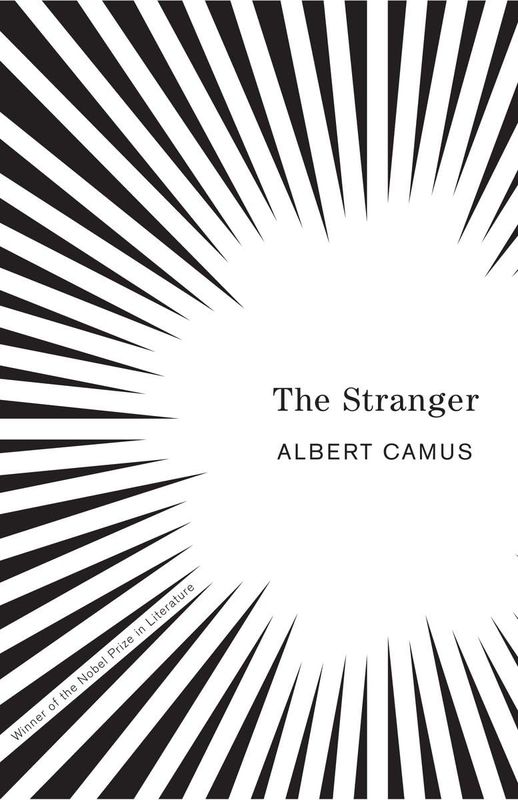

Start Listening to Book Summary
Book Review of The Stranger
With the intrigue of a psychological thriller, The Stranger—Camus's masterpiece—gives us the story of an ordinary man unwittingly drawn into a senseless murder on an Algerian beach. With an Introduction by Peter Dunwoodie; translated by Matthew Ward. Behind the subterfuge, Camus explores what he termed "the nakedness of man faced with the absurd" and describes the condition of reckless alienation and spiritual exhaustion that characterized so much of twentieth-century life. “The Stranger is a strikingly modern text and Matthew Ward’s translation will enable readers to appreciate why Camus’s stoical anti-hero and devious narrator remains one of the key expressions of a postwar Western malaise, and one of the cleverest exponents of a literature of ambiguity.” –from the Introduction by Peter Dunwoodie First published in 1946; now in translation by Matthew Ward.
Book Overview of The Stranger
About the Book Author
Albert Camus
Albert Camus (1913-1960) was a renowned French-Algerian philosopher, author, and journalist, best known for his contributions to the philosophy of absurdism. His notable works include 'The Stranger' (1942), a compelling exploration of existentialism and the absurdity of human existence; 'The Plague' (1947), which serves as an allegory for the human condition in the face of suffering; and 'The Myth of Sisyphus' (1942), where he articulates the philosophical foundation of absurdism. Camus’ writing style is characterized by clear prose, vivid imagery, and a focus on moral and existential dilemmas, often set against a backdrop of the Mediterranean landscape. He received the Nobel Prize in Literature in 1957 for his significant literary contributions.
Book Details
Key information about the book.
- Authors
- Albert Camus
- Published
- March 1989
- Publisher
- Vintage
- ISBN
- 0679720200
- Language
- English
- Pages
- 134
- Genres
- PhilosophyExistentialismLiteratureLiterary Fiction
Purchase Options
 Buy on Amazon
 Buy via BookShop
Support local bookstores: BookShop gives a portion of each sale to independent bookshops!
Similar books you might like →
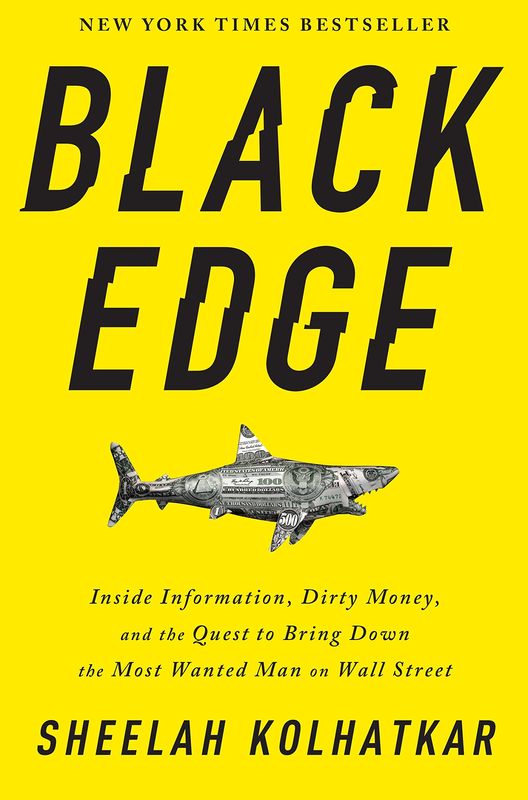
Black Edge Book Summary
In "Black Edge," investigative journalist Sheelah Kolhatkar delves into the high-stakes world of hedge funds and the enigmatic figure of Steven A. Cohen. As she unravels the saga of insider trading, greed, and Wall Street's murky ethics, the book pulls readers into a gripping tale of ambition that spans decades. With intellectual prowess and audacious risk-taking, Cohen's rise to power raises questions about the moral compass of finance. Kolhatkar's penetrating analysis unveils the dark side of wealth and the relentless pursuit of success, leaving readers questioning the true cost of ambition. Will you dare to uncover the secrets of a financial titan and the shadowy underworld they inhabit?
Sum Book Summary
In 'Sum,' David Eagleman takes readers on a journey through the afterlife, presenting a series of imaginative vignettes that explore the myriad possibilities of existence beyond death. Each scenario forces readers to confront deep questions about identity, consciousness, and the essence of what it means to be human. Eagleman's captivating prose blends science and philosophy, inviting us to envision alternate realities that challenge our conventional beliefs. With its blend of creativity and introspection, 'Sum' promises to expand your mind and spark your imagination. Are you ready to explore what lies beyond the final curtain?
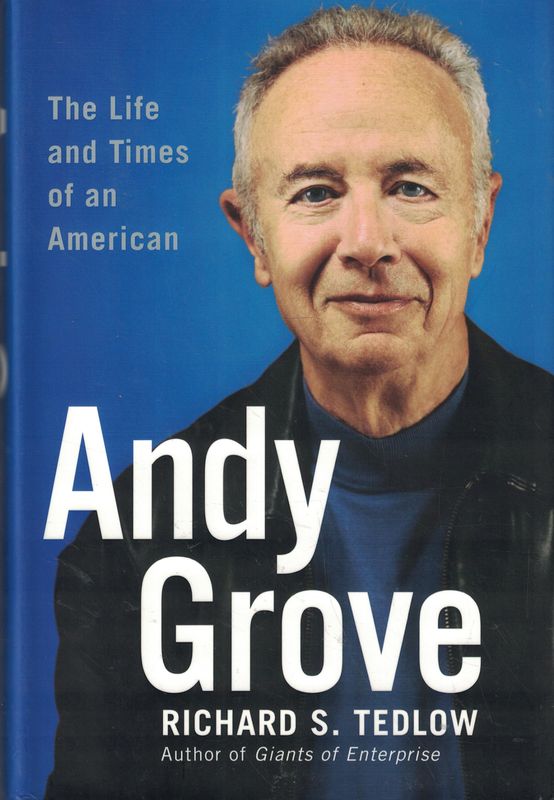
Andy Grove Book Summary
Explore the extraordinary life of Andy Grove, the visionary leader who transformed the semiconductor industry and propelled Intel to greatness. Richard S. Tedlow delves into Grove's immigrant background and relentless pursuit of excellence, offering insights into his innovative management style. Discover how his resilience and strategic thinking shaped the tech landscape, making him a pivotal figure in modern business history. This captivating biography reveals the personal and professional challenges that Grove overcame on his journey to becoming a Silicon Valley icon. Will his lessons in leadership and foresight inspire the next generation of innovators?
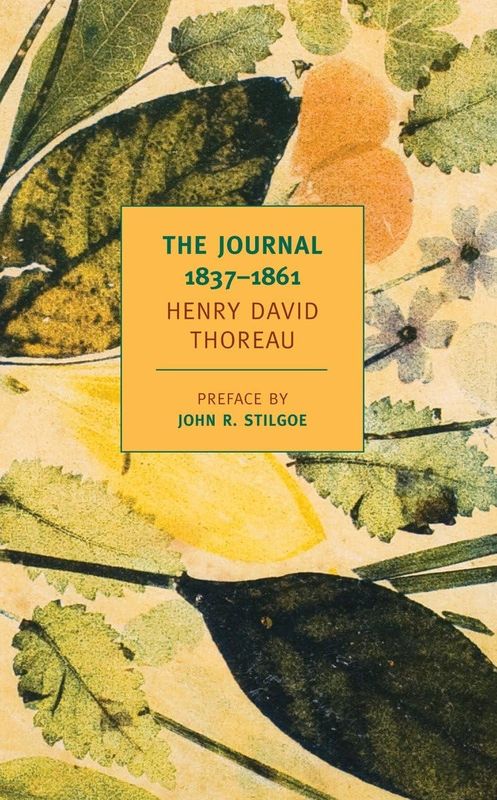
The Journal of Henry David Thoreau, 1837-1861 Book Summary
Dive into the intimate thoughts and reflections of one of America's most iconic transcendentalists in 'The Journal of Henry David Thoreau, 1837-1861'. As you turn the pages, you'll accompany Thoreau on his journey through nature, philosophy, and the pursuit of a meaningful life. Discover how his observations of the world around him revealed profound insights about society and individuality. This collection is not merely a diary but a timeless exploration of humanity's relationship with nature and self. Prepare to be inspired by Thoreau's eloquent prose and enduring wisdom.
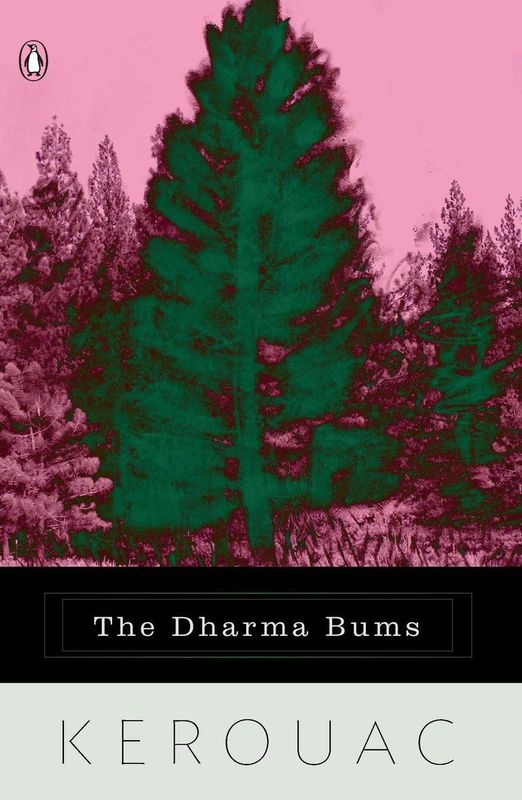
The Dharma Bums Book Summary
In 'The Dharma Bums,' Jack Kerouac takes readers on a vivid journey through the eyes of Ray Smith, a restless wanderer seeking spiritual enlightenment amid the backdrop of 1950s America. As he traverses mountains and communes with like-minded souls, the book explores the tension between societal expectations and the pursuit of true happiness. Kerouac's prose captures the essence of beatnik culture, encapsulating adventures filled with poetry, philosophy, and fleeting friendships. Along the way, readers are invited to ponder their own paths to self-discovery and the meaning of life. Will Ray find the enlightenment he seeks, or is he destined to roam forever?
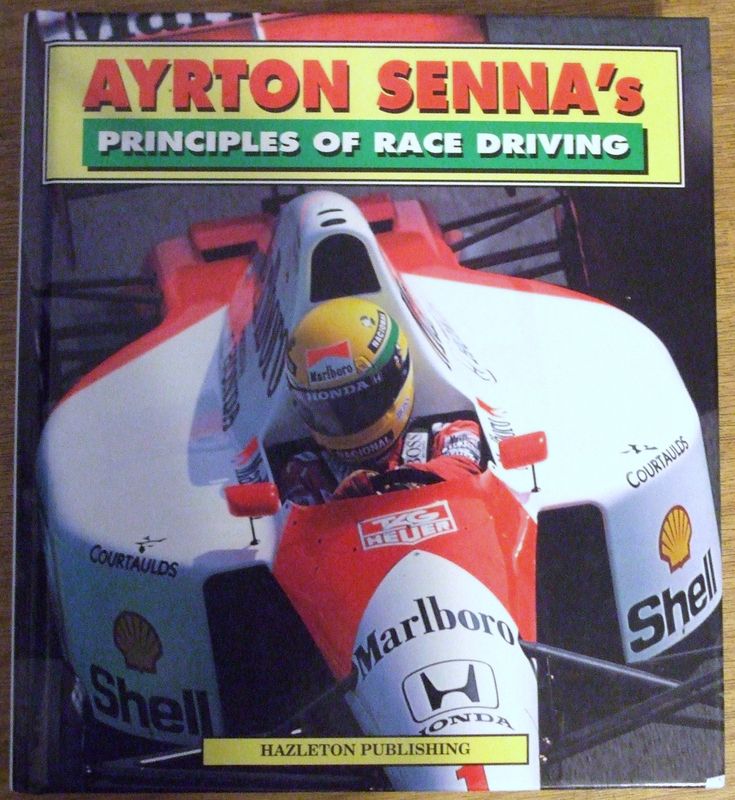
Ayrton Senna's Principles of Race Driving Book Summary
Dive into the racing mind of Ayrton Senna, where speed meets philosophy in 'Ayrton Senna's Principles of Race Driving.' This insightful guide reveals the strategies, techniques, and mental fortitude behind one of Formula One's greatest drivers. Senna shares his personal racing experiences, making it a captivating blend of autobiography and instructional manual. Readers will uncover the principles that drove his success on the track and how they can be applied beyond racing. Are you ready to accelerate your understanding of what it takes to be a champion?
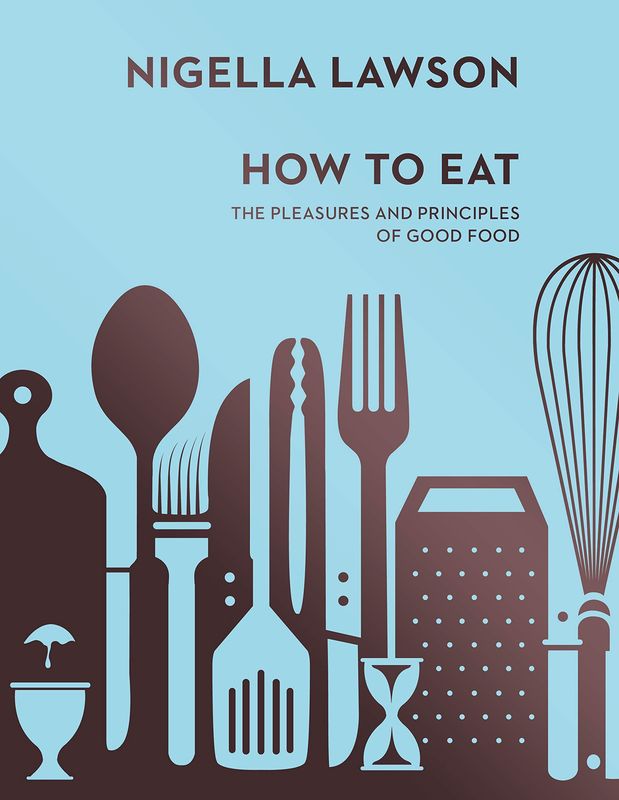
How to Eat Book Summary
In 'How to Eat', Nigella Lawson invites readers into her culinary world, blending personal anecdotes with practical cooking advice. She emphasizes the joy of food as a vital part of life, encouraging a relaxed and indulgent approach to cooking and dining. With delightful recipes and a focus on seasonal ingredients, Lawson celebrates the pleasures of eating well. The book encourages readers to find their unique taste and enjoy the art of cooking at home. Discover how to reconnect with food in an enjoyable and fulfilling way!
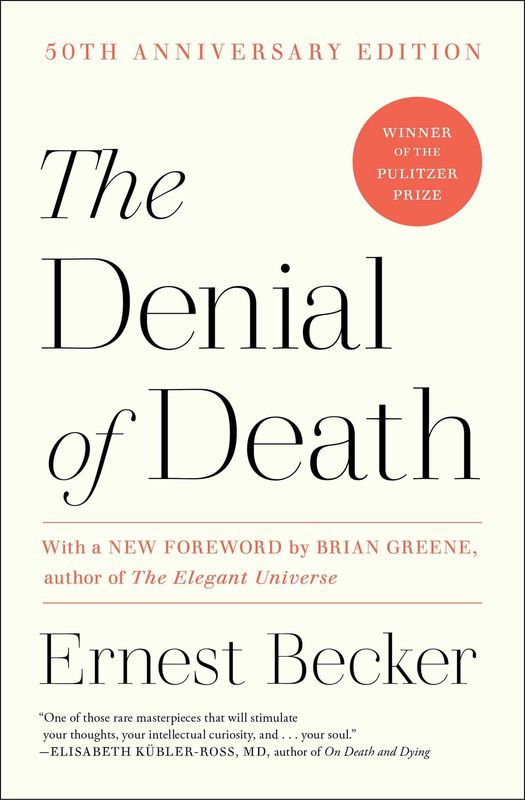
The Denial of Death Book Summary
In 'The Denial of Death,' Ernest Becker explores the profound human fear of mortality and the ways people cope with this existential dread. Through a blend of psychology, philosophy, and anthropology, he argues that much of human behavior is motivated by the desire to transcend death, leading to cultural and personal constructs that deny our mortality. The book challenges readers to confront the reality of death and rethink their values in the face of impermanence. Becker's insights reveal how our denial shapes society and individual lives, urging a deeper understanding of what it means to live authentically. This thought-provoking masterpiece invites readers to grapple with the ultimate questions of existence: how to live and die meaningfully.
Showing 8 of 23 similar books
Take your reading experience to the next level
Download our mobile app to enjoy your favorite books on the go. Get access to exclusive features, offline listening, and personalized recommendations.

Similar Book Recommendations →

David Heinemeier Hansson's Book Recommendations
David Heinemeier Hansson, also known as DHH, is a Danish programmer, entrepreneur, and author, best known as the creator of Ruby on Rails, a popular web application framework. Heinemeier Hansson is also a partner at Basecamp, a project management and collaboration software company he co-founded. His contributions to software development have earned him widespread recognition, with Ruby on Rails being used by thousands of developers and companies worldwide. Heinemeier Hansson is also a vocal advocate for remote work, simplicity in business, and sustainable work practices, ideas he explores in his bestselling books Rework and It Doesn’t Have to Be Crazy at Work. In addition to his work in tech, he is an accomplished race car driver, having competed in the 24 Hours of Le Mans. Heinemeier Hansson’s approach to work-life balance and entrepreneurship has made him a thought leader in the tech community, where he continues to challenge traditional business practices and advocate for more human-centered approaches to work

Alain de Botton's Book Recommendations
Alain de Botton is a Swiss-British philosopher, author, and founder of The School of Life, an organization dedicated to teaching emotional intelligence and life skills. De Botton’s books, such as The Consolations of Philosophy and How Proust Can Change Your Life, blend philosophy with everyday life, offering practical wisdom on love, work, and happiness. His work has popularized philosophy, making it accessible to a wider audience. De Botton is also a public speaker and essayist, frequently exploring topics related to human fulfillment and personal growth. His unique approach to philosophy has made him a respected voice in contemporary culture.

Lex Fridman's Book Recommendations
Lex Fridman is an artificial intelligence researcher, podcaster, and MIT professor, known for his work in autonomous vehicles, robotics, and deep learning. Fridman has gained widespread popularity through his podcast, Lex Fridman Podcast, where he interviews leading thinkers in science, technology, and philosophy, exploring topics like AI, consciousness, and the future of humanity. His academic work focuses on human-centered AI, aiming to create machines that can better understand and interact with humans. Fridman’s ability to distill complex topics into accessible conversations has earned him a large following, and his podcast is known for its thoughtful, in-depth discussions with some of the brightest minds of our time. He is also an advocate for the responsible development of AI, emphasizing the ethical implications of this rapidly advancing technology. Outside of academia and podcasting, Fridman is a practitioner of jiu-jitsu and frequently speaks about the importance of discipline and continuous learning.

Abi Tyas Tunggal's Book Recommendations
Abi Tyas Tunggal is a distinguished author known for his impactful contributions to contemporary literature and digital content. He has garnered acclaim for his insightful storytelling and adept handling of complex themes, resonating with a diverse readership. Tunggal's work often explores the intersections of technology, society, and human experience, making him a prominent voice in modern narrative arts. Beyond his literary achievements, he is also recognized for his innovative use of digital platforms to engage with and expand his audience. Tunggal continues to influence the literary landscape with his thought-provoking and accessible writing.

Jack Edwards's Book Recommendations
Jack Edwards is a British YouTuber, content creator, and author known for his videos on literature, academia, and productivity. Edwards gained popularity through his educational content, which includes book recommendations, study tips, and insights into university life. He is an advocate for reading and lifelong learning, often encouraging his audience to explore literature and improve their academic skills. Edwards has also written a book, The Uni-Verse, which offers advice to students navigating university life. His work has made him a well-known figure in the educational and literary communities, particularly among young readers and students.

Gaby Goldberg's Book Recommendations
Gaby Goldberg is an investor and Web3 advocate, focusing on the intersection of consumer technology, culture, and decentralized finance (DeFi). She works with TCG (The Chernin Group), where she invests in companies that are shaping the future of digital platforms and social communities. Goldberg is passionate about how blockchain technology can empower creators and foster new forms of ownership and collaboration. She is also a vocal advocate for women in tech and frequently shares insights on the future of the internet and decentralized systems. Her work positions her as a key figure in the growing Web3 and crypto ecosystems.

Jacinda Ardern's Book Recommendations
Jacinda Ardern is a prominent New Zealand politician who served as the 40th Prime Minister of New Zealand from 2017 to 2023. Known for her empathetic leadership, she garnered international acclaim for her handling of the Christchurch mosque shootings in 2019, promoting unity and compassion. Ardern also led New Zealand through the COVID-19 pandemic with a strong public health response. In addition to her political career, she has contributed to literature by authoring several speeches and articles that reflect her progressive values and leadership philosophy. Her legacy includes significant strides in social welfare, climate change policy, and child poverty reduction.

John Green's Book Recommendations
John Green is an American author, YouTuber, and educator, best known for his best-selling novels The Fault in Our Stars and Looking for Alaska. Green's writing often explores themes of love, loss, and the complexity of adolescence, resonating with both young adults and adults alike. He is also the co-creator of the YouTube channels Vlogbrothers and CrashCourse, where he educates viewers on history, literature, and science in an engaging, accessible way. Green is known for his deep empathy and ability to connect with readers through emotionally powerful storytelling. His work in literature and online education has made him a beloved figure in both media and education circles.
Showing 8 of 22 related collections
“I opened myself to the gentle indifference of the world.”
The Stranger
By Albert Camus
Frequently Asked Questions
Explore Our Catalogue
Discover a world of knowledge through our extensive collection of book summaries.
Genres
Genres
Genres
Featured Collections
- Top Book Club Picks
- One-Stop Nutrition
- Summer Reads 2024
- Best Beach Reads 2024
- Work-Life Balance Guide
- Time Management
- Healthy Foods
- Entrepreneur Toolkit
- Mind & Body Wellness
- Future Tech Insights
- Leadership Essentials
- Financial Freedom
- Sci-Fi Masterpieces
- Parenting 101
- Books That Became Blockbusters
- Guide to a Healthy Pregnancy