The True Believer Book Summary
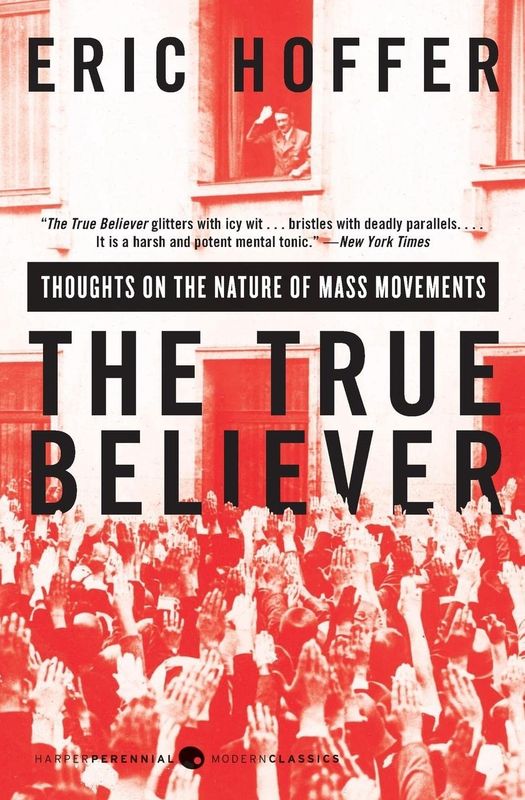
In 'The True Believer', Eric Hoffer explores the psychology of mass movements and the fervent individuals who drive them. He delves into the mind of the extremist, uncovering the underlying motivations that entice people to abandon their identities for a collective cause. Hoffer posits that true believers seek not only purpose but also the comfort of belonging, often at the expense of individual thought. With penetrating insights and thought-provoking observations, this work challenges readers to reflect on the nature of fanaticism and the delicate balance between hope and despair. Are we destined to become true believers in our own lives, or can we resist the allure of surrendering to a larger narrative?
By Eric Hoffer
Published: 2002
""Faith in a holy cause is to a considerable extent a substitute for the lost faith in ourselves.""

Start Listening to Book Summary
Book Review of The True Believer
A stevedore on the San Francisco docks in the 1940s, Eric Hoffer wrote philosophical treatises in his spare time while living in the railroad yards. The True Believer -- the first and most famous of his books -- was made into a bestseller when President Eisenhower cited it during one of the earliest television press conferences.Completely relevant and essential for understanding the world today, The True Believer is a visionary, highly provocative look into the mind of the fanatic and a penetrating study of how an individual becomes one.
Book Overview of The True Believer
About the Book Author
Eric Hoffer
Eric Hoffer (1902-1983) was an American philosopher and author, renowned for his profound insights into the nature of mass movements and the human condition. His most notable works include 'The True Believer,' 'The Ordeal of Change,' and 'The Passionate State of Mind,' in which he explores themes of fanaticism, identity, and the psychology of social movements. Hoffer's writing style is characterized by clarity, brevity, and a philosophical depth that engages a broad audience, making complex ideas accessible without sacrificing intellectual rigor.
Book Details
Key information about the book.
- Authors
- Eric Hoffer
- Published
- September 2002
- Publisher
- Harper Perennial Modern Classics
- ISBN
- 0060505915
- Language
- English
- Pages
- 192
- Genres
- Social Justice MovementsPhilosophyPolitical IdeologiesEastern PhilosophyPolitics and Current Affairs
Purchase Options
 Buy on Amazon
 Buy via BookShop
Support local bookstores: BookShop gives a portion of each sale to independent bookshops!
Similar books you might like →
Lives of the Stoics Book Summary
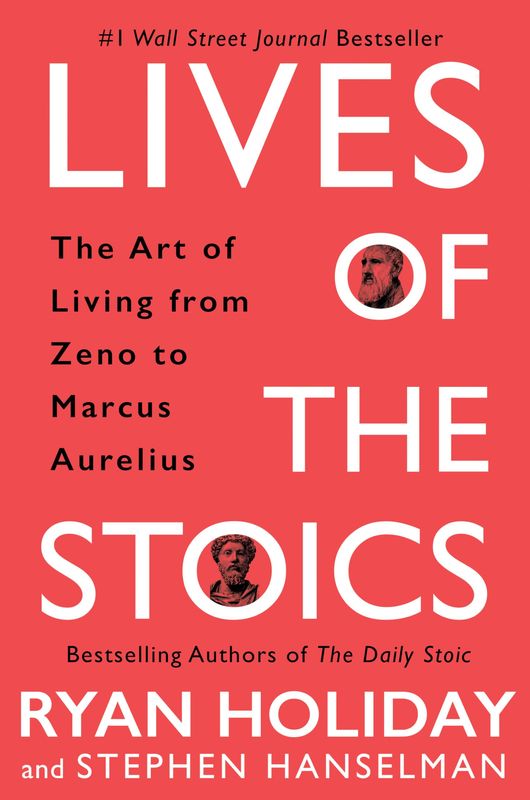
In "Lives of the Stoics," Ryan Holiday and Stephen Hanselman blend biography with philosophy, illuminating the lives of history's most influential Stoic thinkers. Each chapter reveals not just their teachings, but the trials, triumphs, and personal struggles that shaped their philosophies. Discover how figures like Seneca and Epictetus navigated adversity, power, and personal loss, offering timeless wisdom for modern dilemmas. The book invites readers to ponder how these ancient insights can be harnessed to cultivate resilience in today's chaotic world. Are you ready to explore the transformative power of Stoicism through the lives of its greatest practitioners?
Tribes Book Summary
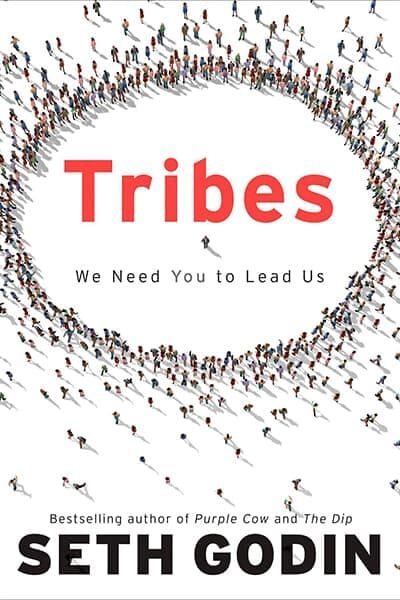
In "Tribes," Seth Godin explores the power of communities in a modern world craving connection. He reveals how anyone can become a leader by rallying a tribe around shared values and passions. With compelling examples and insights, Godin challenges conventional notions of leadership and belonging. The book ignites a desire to forge meaningful connections and inspire others. Are you ready to find your tribe and make an impact?
The Rational Optimist Book Summary
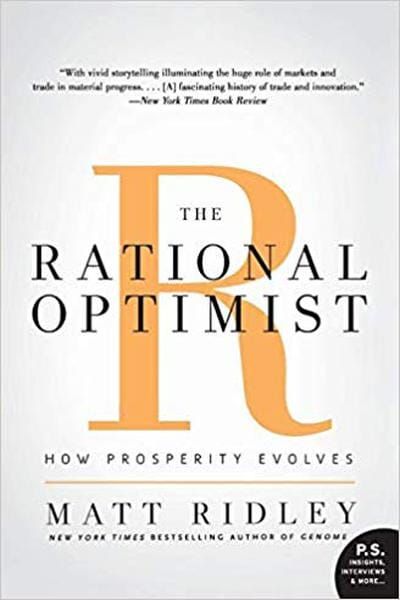
In 'The Rational Optimist', Matt Ridley challenges the pervasive pessimism of modern society by illustrating how human innovation and collaboration have historically led to progress and prosperity. He argues that through trade, science, and technology, humanity has an incredible ability to solve problems and improve quality of life. Ridley takes readers on a journey through history, revealing how obstacles have often fueled creativity and driven advancement. This thought-provoking book invites you to rethink the future and embrace the power of optimism in a world filled with challenges. Discover why Ridley believes our best days are still ahead!
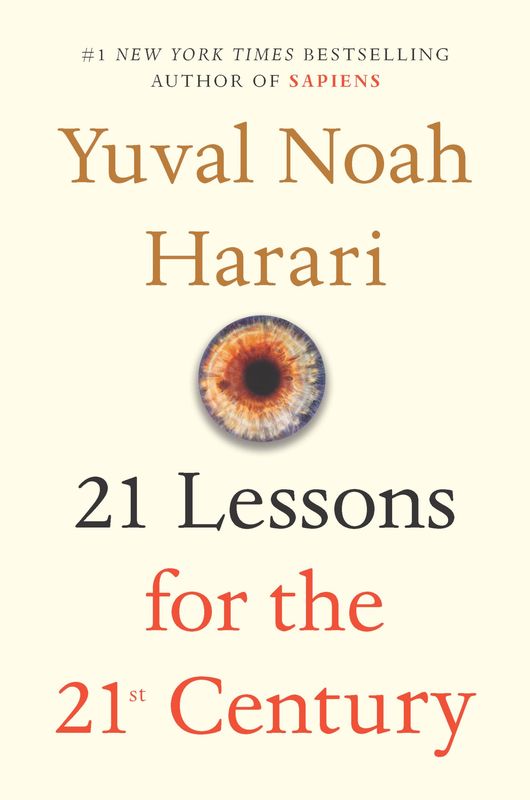
21 Lessons for the 21st Century Book Summary
In '21 Lessons for the 21st Century', Yuval Noah Harari navigates the complex landscape of today's world, tackling urgent questions about our future. From the impact of technology on society to the challenges of political stability, each lesson provokes thought and introspection. Harari explores key themes such as the rise of artificial intelligence, the significance of data, and the importance of meaning in an increasingly uncertain world. With a blend of history, philosophy, and science, the book invites readers to reflect on their roles in shaping a shared future. Will we adapt, or become obsolete? Dive in to uncover the lessons that could redefine humanity's path.
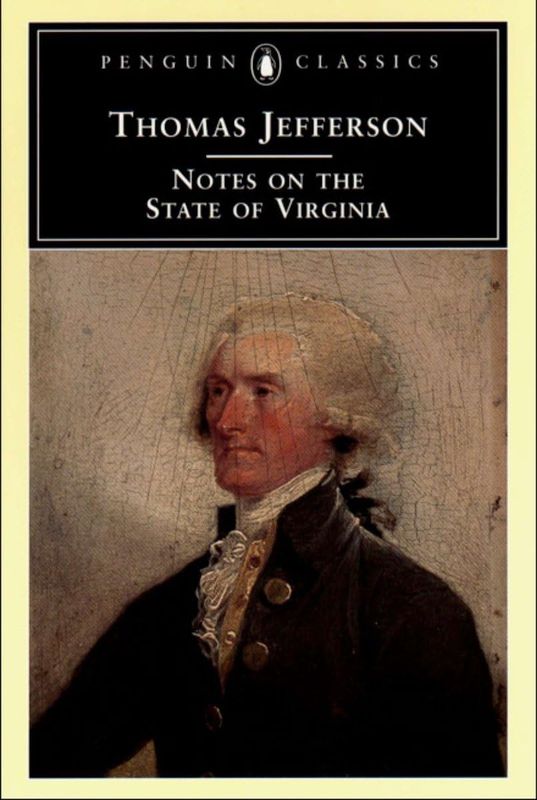
Notes on the State of Virginia Book Summary
In 'Notes on the State of Virginia', Thomas Jefferson presents a profound exploration of the political, social, and environmental landscape of 18th-century Virginia. This work delves into Jefferson's thoughts on government, rights, and human nature, making it a foundational text in American political philosophy. His keen observations on the natural environment and its resources reveal a deep connection between land and liberty. With eloquence and insight, Jefferson raises probing questions about slavery and education that resonate to this day. This seminal work is not just a historical document but a treasure trove of ideas that challenge and inspire modern readers.
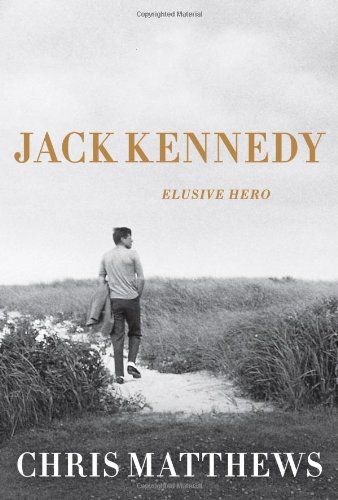
Jack Kennedy Book Summary
In 'Jack Kennedy,' Chris Matthews unveils the charismatic life of John F. Kennedy, diving deep into the personal and political dynamics that shaped an American icon. With meticulous research and captivating storytelling, Matthews explores Kennedy's rise from a privileged background to the heights of presidential power. Readers will discover the complexities of his character, including triumphs, scandals, and the ever-present shadow of mortality. This biography not only chronicles historic events but also captures the essence of a man who inspired a generation. What secrets lie behind the charm of Camelot, and how did they define a nation?

Race Matters, 25th Anniversary Book Summary
In 'Race Matters, 25th Anniversary,' Cornel West boldly confronts the complexities of race and racism in America through a compelling lens of philosophy, culture, and politics. He critiques the failures of societal institutions to address racial injustice while emphasizing the need for a moral and ethical awakening. West's poignant essays resonate with urgent relevance, sparking a critical dialogue on the intersection of race, class, and power. His fiery prose and compelling argumentation challenge readers to grapple with uncomfortable truths about identity and inequality. This anniversary edition invigorates the discussion with new insights, making it a vital read for anyone looking to understand the enduring impact of race on American life.

To Be Real Book Summary
In 'To Be Real,' Rebecca Edby Walker navigates the intricate landscape of authenticity and identity in a world steeped in illusion. Her poignant narratives weave together personal experiences and social commentary, challenging readers to confront the masks they wear. As Walker delves into issues of race, gender, and self-expression, she poses a provocative question: What does it truly mean to be real? With a blend of vulnerability and insight, she invites us into her quest for genuine connection amid societal expectations. Prepare to reflect on your own journey of self-discovery in a compelling exploration of the human experience.
Showing 8 of 28 similar books
Take your reading experience to the next level
Download our mobile app to enjoy your favorite books on the go. Get access to exclusive features, offline listening, and personalized recommendations.

Similar Book Recommendations →

Lex Fridman's Book Recommendations
Lex Fridman is an artificial intelligence researcher, podcaster, and MIT professor, known for his work in autonomous vehicles, robotics, and deep learning. Fridman has gained widespread popularity through his podcast, Lex Fridman Podcast, where he interviews leading thinkers in science, technology, and philosophy, exploring topics like AI, consciousness, and the future of humanity. His academic work focuses on human-centered AI, aiming to create machines that can better understand and interact with humans. Fridman’s ability to distill complex topics into accessible conversations has earned him a large following, and his podcast is known for its thoughtful, in-depth discussions with some of the brightest minds of our time. He is also an advocate for the responsible development of AI, emphasizing the ethical implications of this rapidly advancing technology. Outside of academia and podcasting, Fridman is a practitioner of jiu-jitsu and frequently speaks about the importance of discipline and continuous learning.

Seth Godin's Book Recommendations
Seth Godin is a prolific author and entrepreneur, renowned for his influential contributions to marketing and business thought leadership. He has written over 20 bestselling books, including "Purple Cow," "Linchpin," and "The Dip," which have revolutionized modern marketing strategies and inspired countless professionals. Godin's work emphasizes the importance of creativity, innovation, and the power of ideas in building successful enterprises. He is also the founder of altMBA, an online leadership and management workshop, and he consistently shares his insights through his popular daily blog. Godin's impact on the marketing world has earned him a spot in the Direct Marketing Hall of Fame.

Sophie Bakalar's Book Recommendations
Sophie Bakalar is a distinguished author and venture capitalist known for her adept storytelling and insightful exploration of contemporary issues. Her debut novel received critical acclaim for its nuanced portrayal of complex characters and societal dynamics. In addition to her literary achievements, Bakalar is a co-founder of a successful venture firm, where she leverages her keen understanding of market trends and innovation. Her essays and articles, often featured in prominent publications, reflect her deep engagement with cultural and technological shifts. Bakalar's multifaceted career bridges the worlds of literature and entrepreneurship, making her a unique voice in both fields.

Howard Schultz's Book Recommendations
Howard Schultz is the former CEO of Starbucks, where he transformed the company into a global coffeehouse empire. Under his leadership, Starbucks grew from a small Seattle-based chain to a ubiquitous brand with thousands of stores worldwide. Schultz is also an accomplished author, known for his books "Pour Your Heart Into It" and "Onward," which delve into his personal journey and the business philosophies that drove Starbucks' success. His literary contributions offer valuable insights into entrepreneurship, leadership, and social responsibility. Schultz's work has inspired countless readers and aspiring business leaders around the globe.
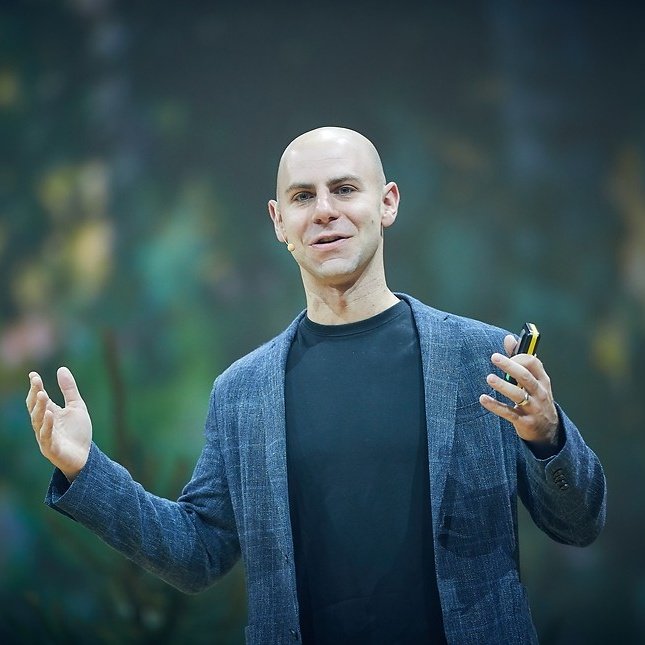
Adam Grant's Book Recommendations
Adam Grant is a renowned organizational psychologist and bestselling author, celebrated for his influential work on motivation and workplace dynamics. He is a professor at the Wharton School of the University of Pennsylvania, where he has been the youngest tenured professor and earned numerous teaching awards. Grant's books, including "Give and Take," "Originals," and "Think Again," have been translated into multiple languages and have topped bestseller lists worldwide. His research and insights are frequently featured in major media outlets, and he hosts the popular podcast "WorkLife." Through his writing and speaking, Grant has profoundly impacted the fields of psychology, business, and education.

Frank Chimero's Book Recommendations
Frank Chimero is a renowned designer, illustrator, and author best known for his influential book "The Shape of Design," which explores the philosophy and practice of design. His work emphasizes the intersection of creativity and human experience, earning him a respected place in both the design and literary communities. Chimero has contributed essays and lectures that have inspired a new generation of thinkers in the creative industries. He has also been recognized for his ability to distill complex ideas into accessible, thought-provoking content. Beyond his writing, Chimero's design projects and illustrations have been featured in numerous prestigious publications and exhibitions.

Eric Weinstein's Book Recommendations
Eric Weinstein is an accomplished American mathematician, economist, and writer, known for his influential work in the fields of geometric unity and economic theory. As the Managing Director of Thiel Capital, he has significantly impacted the financial and technological sectors. Weinstein is also renowned for his thought-provoking discussions on the podcast "The Portal," where he explores complex scientific and social issues. He has written extensively on a variety of topics, contributing to both academic and popular literature. His unique perspectives and interdisciplinary approach have earned him recognition as a leading intellectual voice of his generation.

Arianna Huffington's Book Recommendations
Arianna Huffington is the founder of The Huffington Post and Thrive Global, a company focused on wellness and productivity. She is a bestselling author and prominent speaker on the importance of sleep and managing stress. Arianna’s work emphasizes the importance of balance between professional success and personal well-being. Her book The Sleep Revolution has inspired a global movement to prioritize rest. She is considered one of the most influential women in media and business.
Showing 8 of 20 related collections
“"Faith in a holy cause is to a considerable extent a substitute for the lost faith in ourselves."”
The True Believer
By Eric Hoffer
Frequently Asked Questions
Explore Our Catalogue
Discover a world of knowledge through our extensive collection of book summaries.
Genres
Genres
Genres
Featured Collections
- Top Book Club Picks
- One-Stop Nutrition
- Summer Reads 2024
- Best Beach Reads 2024
- Work-Life Balance Guide
- Time Management
- Healthy Foods
- Entrepreneur Toolkit
- Mind & Body Wellness
- Future Tech Insights
- Leadership Essentials
- Financial Freedom
- Sci-Fi Masterpieces
- Parenting 101
- Books That Became Blockbusters
- Guide to a Healthy Pregnancy