The Worm at the Core Book Summary
Delve into the unsettling yet fascinating exploration of human mortality in 'The Worm at the Core.' This groundbreaking work reveals how the fear of death shapes our thoughts, behaviors, and cultural practices. Through a blend of psychology and philosophy, the authors unravel the mechanisms we employ to cope with our existential dread. Discover the unexpected ways this fear influences everything from mundane decisions to the grand narratives that define societies. Prepare to question your own beliefs and confront the ultimate truth of existence.
By Sheldon Solomon, Jeff Greenberg, Thomas A. Pyszczynski
Published: 2015
"The awareness of our mortality is both a burden and a catalyst, shaping our deepest aspirations and fears, pushing us toward purpose in a fleeting existence."
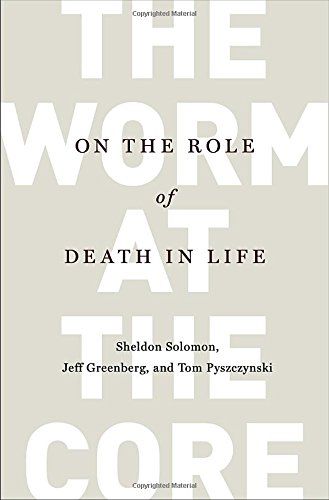

Start Listening to Book Summary
Book Review of The Worm at the Core
Demonstrates how an unconscious fear of death motivates nearly all human goals, behaviors, and cultures, examining the role of mortality awareness in prompting social unrest and war.
Book Overview of The Worm at the Core
About the Book Authors
Sheldon Solomon
Sheldon Solomon is an American psychologist and author, best known for his work in existential psychology and his contributions to the understanding of human motivation and behavior. He co-authored the influential book "The Worm at the Core: On the Role of Death in Life," which explores the impact of mortality on human behavior and decision-making. Solomon's writing is characterized by its engaging style, blending empirical research with accessible prose, allowing complex psychological concepts to resonate with a broad audience. His exploration of themes related to mortality, meaning, and human experience has made significant contributions to both academic and popular psychology.
Jeff Greenberg
Jeff Greenberg is an acclaimed author known for his insightful explorations of psychological themes and human relationships. His notable works include 'The Mind's Mirror,' which delves into the complexities of self-perception and identity, and 'Shadows of the Past,' a poignant narrative about how past experiences influence present choices. Greenberg's writing style is characterized by its lyrical prose and deep emotional resonance, often combining elements of fiction with philosophical inquiry. Through his stories, he invites readers to reflect on their own lives and the universal truths that connect us all.
Thomas A. Pyszczynski
Thomas A. Pyszczynski is an influential author and psychologist known for his research in social psychology, particularly on topics related to mortality, self-esteem, and human behavior. He is a co-author of the notable work 'The Worm at the Core: On the Role of Death in Life,' where he explores the impact of mortality awareness on culture and individual psychology. Pyszczynski's writing is characterized by its blend of empirical research and accessible prose, making complex psychological concepts understandable to a broad audience. His work often incorporates interdisciplinary perspectives, connecting psychology with philosophy and cultural studies.
Book Details
Key information about the book.
- Authors
- Sheldon Solomon, Jeff Greenberg, Thomas A. Pyszczynski
- Published
- January 2015
- Publisher
- N/A
- ISBN
- 1400067472
- Language
- English
- Pages
- 290
- Genres
- Psychology of EmotionsPhilosophyExistentialismPsychology
Purchase Options
 Buy on Amazon
 Buy via BookShop
Support local bookstores: BookShop gives a portion of each sale to independent bookshops!
Similar books you might like →
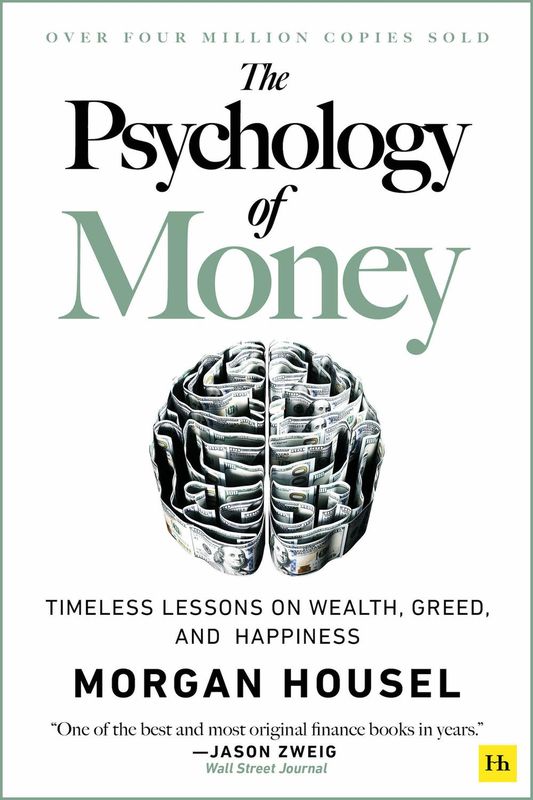
The Psychology of Money Book Summary
In "The Psychology of Money," Morgan Housel unravels the complex relationship between our emotions and financial decisions. Through captivating anecdotes and profound insights, he reveals that wealth isn't just about numbers, but about behavior and mindset. The book challenges conventional wisdom, urging readers to understand the subtle psychological forces that influence our spending and saving habits. Housel's reflections highlight the power of patience, humility, and a long-term perspective in building true financial success. Prepare to rethink everything you thought you knew about money and its role in your life!

Preacher Book One Book Summary
In 'Preacher Book One,' an unconventional preacher named Jesse Custer embarks on a quest to find God after being possessed by a supernatural entity known as Genesis. Joined by his foul-mouthed ex-girlfriend Tulip and an Irish vampire named Cassidy, Jesse confronts a world filled with dark humor, moral ambiguity, and gothic violence. This gripping tale blends American mythology with existential questioning as the trio encounters various eccentric characters and dangerous foes. With themes of faith, redemption, and the search for meaning, the story challenges the very nature of divinity and humanity. Prepare for a wild ride that will leave you questioning everything you thought you knew about good and evil.
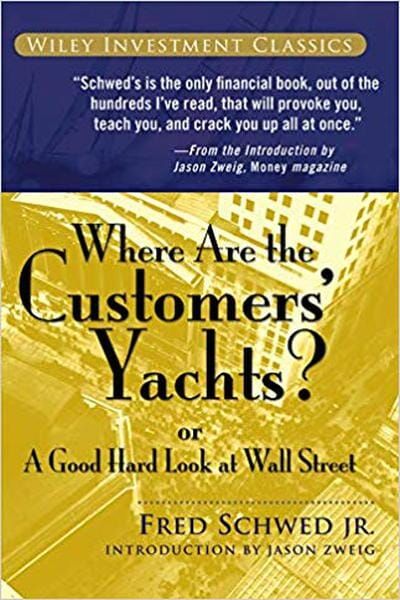
Where Are the Customers' Yachts? Book Summary
In 'Where Are the Customers' Yachts?', Fred Schwed, Jr. unveils the often perplexing world of Wall Street and its enigmatic practices. With wit and humor, he questions the wisdom of investing and highlights the disparity between wealthy brokers and their clients. Schwed's anecdotes expose the absurdities and pitfalls of the financial industry, leaving readers to wonder if their brokers are truly looking out for their interests. This insightful critique is both entertaining and thought-provoking, prompting a reevaluation of what we think we know about investing. Will you gain the knowledge to navigate these murky waters, or will you be left wondering where all the customers' yachts really are?
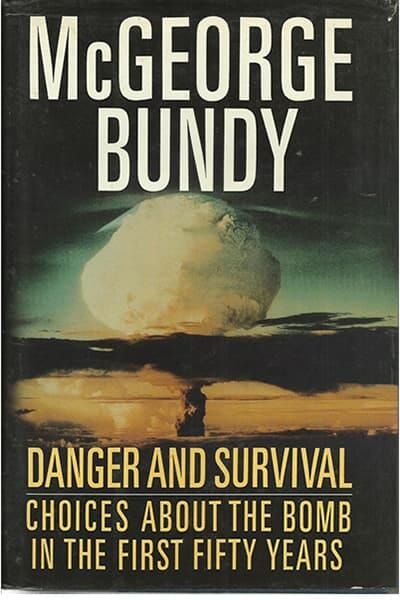
Danger and Survival Book Summary
No summary available

The Politics of Heroin Book Summary
No summary available
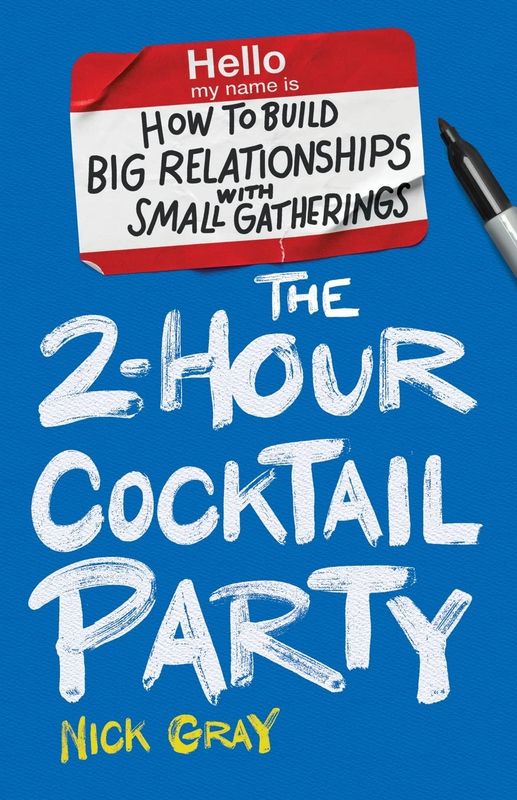
The 2-Hour Cocktail Party: How to Build Big Relationships with Small Gatherings Book Summary
In 'The 2-Hour Cocktail Party,' Nick Gray reveals the secrets to cultivating meaningful connections through intimate gatherings. This engaging guide presents a fresh perspective on socializing, emphasizing the power of small parties to forge big relationships. With practical tips and creative ideas, Gray encourages readers to step outside their comfort zones and embrace the art of hosting. Discover how two hours can transform your social life and open doors to new opportunities. Are you ready to become the life of the party?
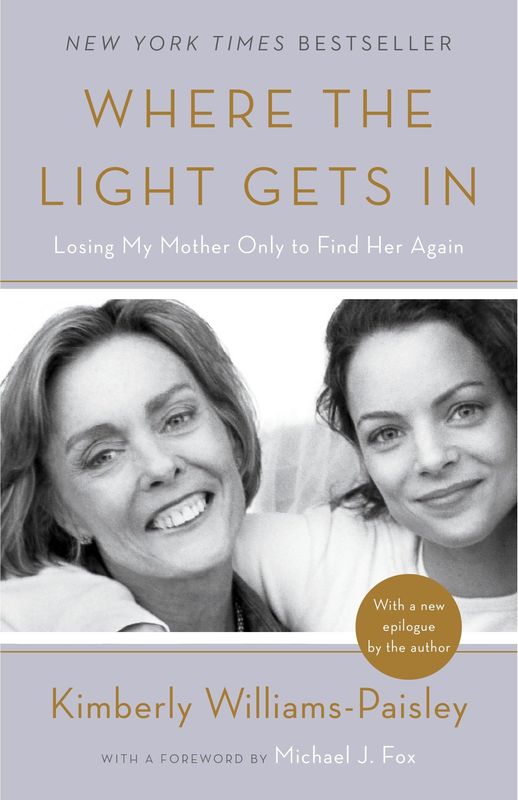
Where the Light Gets In Book Summary
In 'Where the Light Gets In', Kimberly Williams-Paisley explores the depth of family bonds, love, and resilience in the face of her mother's struggle with dementia. Through poignant reflections and heartfelt stories, she illustrates how joy and sorrow intertwine even in the darkest moments. The author’s candid narrative invites readers to confront their own fears and embrace the beauty of life’s fragility. This memoir not only captures the heart-wrenching reality of caregiving but also shines a light on the enduring power of connection. Prepare to be moved and inspired as Williams-Paisley shares her journey of loss and the light that comes with it.
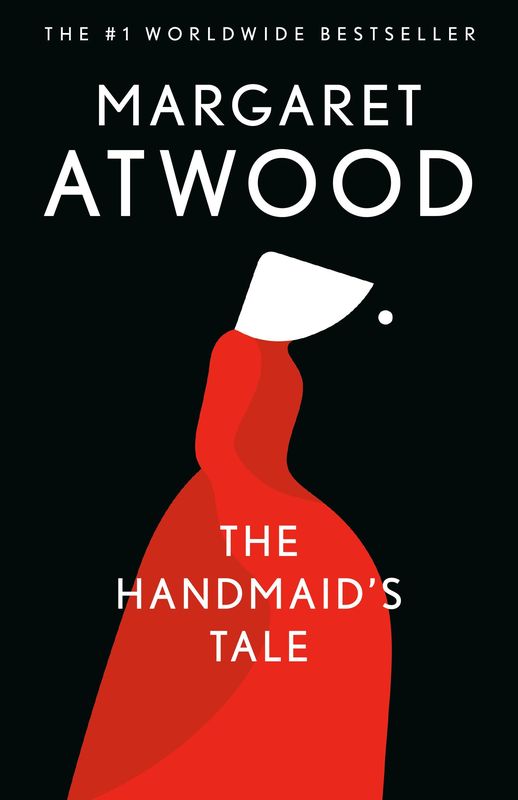
The Handmaid's Tale Book Summary
In a dystopian future where fertility has become rare, women are stripped of their rights and relegated to roles based on their reproductive capabilities. Offred, a Handmaid in the oppressive Republic of Gilead, navigates a world filled with fear, betrayal, and hope as she seeks to reclaim her identity. As she becomes increasingly entwined in a forbidden affair, the lines between survival and rebellion blur. Atwood weaves a haunting tale that challenges the reader to confront issues of power, gender, and autonomy. Will Offred find a way to freedom, or is she doomed to remain a pawn in a chilling game?
Showing 8 of 29 similar books
Take your reading experience to the next level
Download our mobile app to enjoy your favorite books on the go. Get access to exclusive features, offline listening, and personalized recommendations.

Similar Book Recommendations →

David Heinemeier Hansson's Book Recommendations
David Heinemeier Hansson, also known as DHH, is a Danish programmer, entrepreneur, and author, best known as the creator of Ruby on Rails, a popular web application framework. Heinemeier Hansson is also a partner at Basecamp, a project management and collaboration software company he co-founded. His contributions to software development have earned him widespread recognition, with Ruby on Rails being used by thousands of developers and companies worldwide. Heinemeier Hansson is also a vocal advocate for remote work, simplicity in business, and sustainable work practices, ideas he explores in his bestselling books Rework and It Doesn’t Have to Be Crazy at Work. In addition to his work in tech, he is an accomplished race car driver, having competed in the 24 Hours of Le Mans. Heinemeier Hansson’s approach to work-life balance and entrepreneurship has made him a thought leader in the tech community, where he continues to challenge traditional business practices and advocate for more human-centered approaches to work

Ryan Holiday's Book Recommendations
Ryan Holiday is a bestselling author and media strategist known for his books on stoicism, including The Obstacle Is the Way and Ego Is the Enemy. He is a leading voice in modern stoic philosophy, teaching readers how to apply ancient wisdom to achieve personal and professional success. Holiday’s work emphasizes resilience, discipline, and humility as keys to navigating life’s challenges. He has consulted with major companies and individuals on marketing and strategy, blending stoic principles with contemporary business practices. His books have been translated into over 30 languages.

Ray Dalio's Book Recommendations
Ray Dalio is the founder of Bridgewater Associates, one of the largest and most successful hedge funds in the world. He is also the author of the bestselling book Principles, where he outlines his philosophy on life, leadership, and investing. Ray is renowned for his unique approach to transparency, radical truth, and thoughtful disagreement within organizations. His insights into economics and investing have made him one of the most influential figures in the financial world. Dalio continues to be a thought leader in business, economics, and philanthropy.

Jason Silva's Book Recommendations
Jason Silva is a Venezuelan-American filmmaker, philosopher, and futurist, best known for hosting the Emmy-nominated series Brain Games on National Geographic. Silva is a passionate advocate for technology, creativity, and the exploration of human potential, often delivering thought-provoking talks on how innovation is reshaping the world. His series Shots of Awe, where he combines philosophical musings with stunning visuals, has gained a large following online. Silva frequently speaks about topics like futurism, artificial intelligence, and the intersection of science and art. His enthusiastic and visionary approach has made him a leading voice in discussions about the future of humanity.

Barack Obama's Book Recommendations
Barack Obama is the 44th President of the United States, serving from 2009 to 2017. As the first African American president, Obama’s leadership marked a historic moment in American history. His administration focused on healthcare reform, economic recovery from the Great Recession, and environmental policies. He is best known for the Affordable Care Act, as well as his efforts to expand civil rights and restore diplomatic relations with Cuba. Since leaving office, Obama has continued to engage in public life through his foundation, focusing on leadership development, civic engagement, and global issues.
David Sinclair's Book Recommendations
David Sinclair is an Australian biologist and professor at Harvard Medical School, known for his pioneering research in the field of aging and longevity. Sinclair's work focuses on understanding the biological mechanisms that drive aging and developing interventions to slow or reverse the process. His bestselling book Lifespan: Why We Age – and Why We Don’t Have To explores the latest advancements in anti-aging science and offers insights into how humans might extend their healthspan. Sinclair's research has led to breakthroughs in areas such as sirtuins, NAD+ metabolism, and cellular reprogramming. He is also the co-founder of several biotech companies, including Sirtris Pharmaceuticals and Life Biosciences, dedicated to translating aging research into practical treatments. Sinclair is a vocal advocate for taking a proactive approach to aging, promoting lifestyle changes and emerging therapies to delay age-related diseases. His work has made him a leading figure in the longevity movement, influencing both scientific and public discourse on the future of health.

Eric Weinstein's Book Recommendations
Eric Weinstein is an accomplished American mathematician, economist, and writer, known for his influential work in the fields of geometric unity and economic theory. As the Managing Director of Thiel Capital, he has significantly impacted the financial and technological sectors. Weinstein is also renowned for his thought-provoking discussions on the podcast "The Portal," where he explores complex scientific and social issues. He has written extensively on a variety of topics, contributing to both academic and popular literature. His unique perspectives and interdisciplinary approach have earned him recognition as a leading intellectual voice of his generation.

Whitney Cummings's Book Recommendations
Whitney Cummings is an accomplished comedian, actress, and writer, best known for her sharp wit and incisive humor. She co-created and co-wrote the hit TV series "2 Broke Girls," which enjoyed a successful six-season run. Cummings has also authored the critically acclaimed book "I'm Fine...And Other Lies," a candid memoir that delves into her personal struggles and triumphs. Her work often explores themes of relationships, self-awareness, and mental health, resonating with a wide audience. Additionally, she has made significant contributions to stand-up comedy, with several popular specials showcasing her unique comedic voice.
Showing 8 of 13 related collections
“The awareness of our mortality is both a burden and a catalyst, shaping our deepest aspirations and fears, pushing us toward purpose in a fleeting existence.”
The Worm at the Core
By Sheldon Solomon, Jeff Greenberg, Thomas A. Pyszczynski
Frequently Asked Questions
Explore Our Catalogue
Discover a world of knowledge through our extensive collection of book summaries.
Genres
Genres
Genres
Featured Collections
- Top Book Club Picks
- One-Stop Nutrition
- Summer Reads 2024
- Best Beach Reads 2024
- Work-Life Balance Guide
- Time Management
- Healthy Foods
- Entrepreneur Toolkit
- Mind & Body Wellness
- Future Tech Insights
- Leadership Essentials
- Financial Freedom
- Sci-Fi Masterpieces
- Parenting 101
- Books That Became Blockbusters
- Guide to a Healthy Pregnancy