There Is No Planet B Book Summary
In 'There Is No Planet B', Mike Berners-Lee unveils the urgent reality of climate change and its impact on our planet. Through a compelling blend of science and storytelling, he illustrates the intricate web of global environmental challenges. The book lays bare the myths surrounding sustainability and challenges readers to rethink their role in combating ecological crises. With thought-provoking insights, Berners-Lee empowers us to take meaningful action without losing hope. Will we rise to the occasion, or will we remain passive as our planet cries out for help?
By Mike Berners-Lee
Published: 2019
"We need to rethink our relationship with the planet and understand that our choices today define the world of tomorrow."
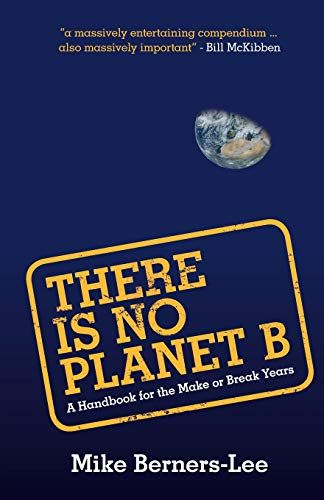

Start Listening to Book Summary
Book Review of There Is No Planet B
Big picture of how humanity can thrive in the twenty-first century; a book of realistic hope from a leading environmental author.
Book Overview of There Is No Planet B
About the Book Author
Mike Berners-Lee
Mike Berners-Lee is a distinguished author and researcher renowned for his expertise in sustainability and climate change. He is the author of several influential works including 'How Bad Are Bananas? The Carbon Footprint of Everything,' which provides a unique perspective on the environmental impact of daily activities. His writing style is characterized by a blend of scientific rigor and accessible language, making complex environmental issues understandable for a wide audience. Berners-Lee's work not only informs but also empowers readers to make more sustainable choices in their lives.
Book Details
Key information about the book.
- Authors
- Mike Berners-Lee
- Published
- February 2019
- Publisher
- Cambridge University Press
- ISBN
- 1108439586
- Language
- English
- Pages
- 303
- Genres
- Climate ChangeHealth and WellnessScience and NatureEnvironmental Science
Purchase Options
 Buy on Amazon
 Buy via BookShop
Support local bookstores: BookShop gives a portion of each sale to independent bookshops!
Similar books you might like →
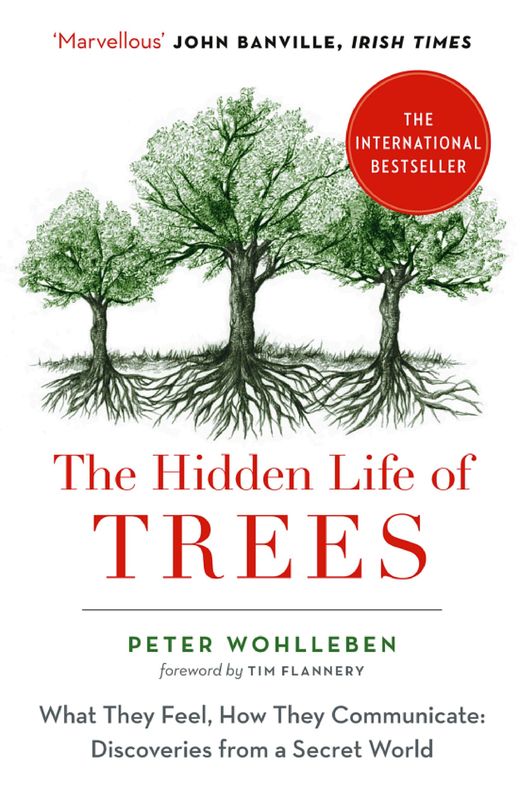
The Hidden Life of Trees: What They Feel, How They Communicate Book Summary
In "The Hidden Life of Trees," Peter Wohlleben unveils the secretive and intricate world beneath the forest canopy. Through captivating anecdotes, he reveals how trees communicate, share nutrients, and support one another in a complex social network. Delving into the emotional lives of trees, Wohlleben invites readers to reconsider their perceptions of nature and our connection to it. This enlightening journey showcases the importance of nurturing our natural world, as it plays a vital role not just in ecosystems, but in our own well-being. Prepare to see forests in a whole new light, sparking a sense of wonder and urgency to protect these remarkable living beings.
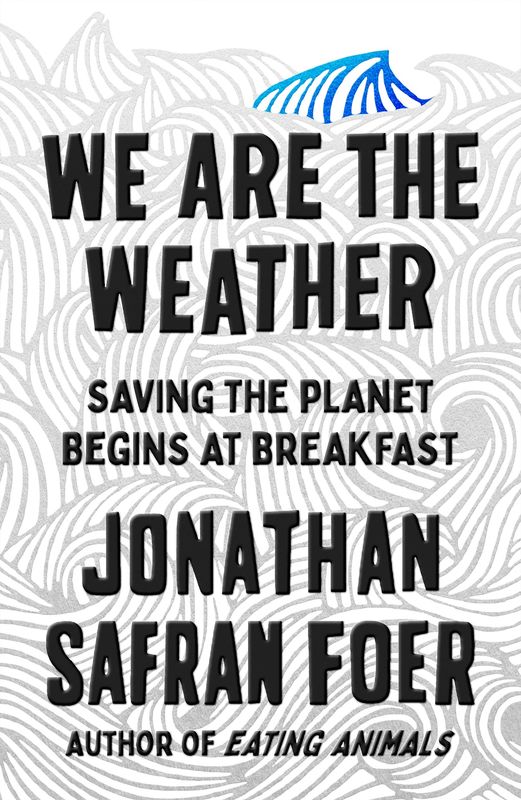
We Are the Weather Book Summary
In 'We Are the Weather,' Jonathan Safran Foer explores the unsettling impact of climate change on our planet and daily lives. Through a blend of personal narrative and compelling research, he challenges readers to reconsider their habits and their role in the environmental crisis. Foer argues that the choices we make at breakfast could be pivotal in the fight against global warming. With urgency and poignancy, he invites us to reflect on the interconnection between individual actions and collective fate. This thought-provoking work leaves readers questioning how they can be part of the solution to a looming disaster.
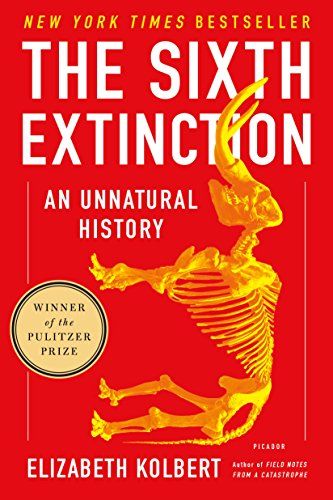
The Sixth Extinction Book Summary
In 'The Sixth Extinction,' Elizabeth Kolbert presents a compelling narrative about the ongoing mass extinction event caused by human activity. Through vivid storytelling and scientific research, she explores the alarming consequences of climate change, habitat loss, and the introduction of invasive species. Kolbert leads readers on a global journey, interacting with scientists and examining endangered species across various ecosystems. The book raises urgent questions about humanity's role in this ecological crisis and challenges us to reconsider our impact on the planet. Will we act in time to avert a future where biodiversity is all but lost?
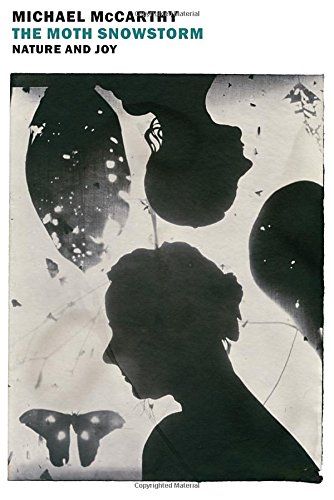
The Moth Snowstorm Book Summary
In 'The Moth Snowstorm,' Michael McCarthy masterfully intertwines personal anecdotes with a poignant examination of the natural world. As he reflects on the loss of biodiversity and the beauty of nature, he invites readers on a journey through memory and emotion. The metaphor of a moth snowstorm serves as a powerful symbol of fleeting moments and the fragility of life. McCarthy's lyrical prose awakens a sense of urgency about our environmental responsibilities, urging us to reconnect with the wonders of the earth. Are we ready to heed the call before it's too late?
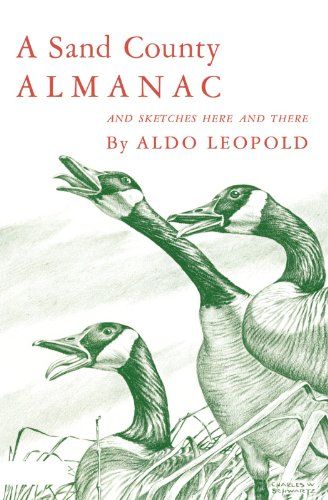
A Sand County Almanac, and Sketches Here and There Book Summary
In 'A Sand County Almanac,' Aldo Leopold invites readers into the natural world of the American Midwest, exploring the intricate relationships between land and the creatures that inhabit it. Through poetic prose and keen observations, he argues for a land ethic that respects and preserves the environment for future generations. Each month not only marks the passage of time but also unveils the beauty and struggles of nature's cycles. Leopold's sketches and reflections challenge our understanding of ecology and our role within it. This timeless work inspires a deep appreciation for nature and a call to action for stewardship.
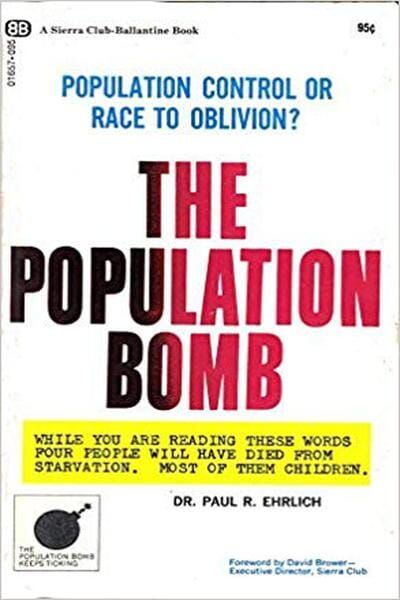
The Population Bomb Book Summary
No summary available

The Encyclopedia of Earth Book Summary
No summary available
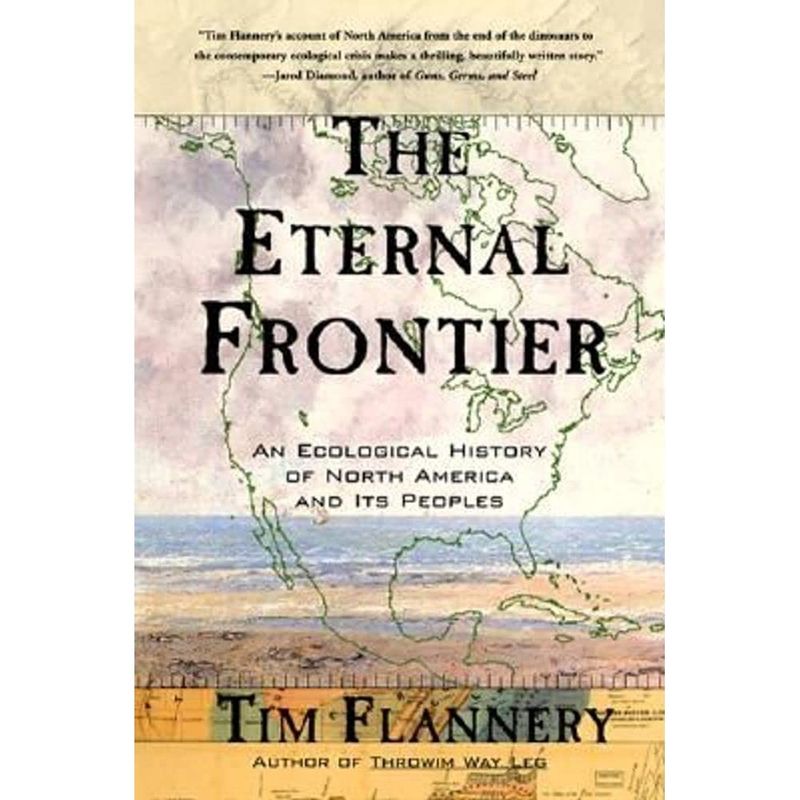
The Eternal Frontier Book Summary
In 'The Eternal Frontier', Tim Flannery takes readers on an exhilarating journey through the ecological history and unique biodiversity of Australia. He explores how the continent's isolation has shaped its flora and fauna, presenting a tale of survival and adaptation. Flannery intertwines personal narratives with scientific insights, inviting readers to consider the impact of human activity on this fragile ecosystem. As he unveils the stories of endangered species and hidden habitats, the stakes of conservation become strikingly clear. Will we heed his call to protect this irreplaceable treasure of the natural world?
Showing 8 of 21 similar books
Take your reading experience to the next level
Download our mobile app to enjoy your favorite books on the go. Get access to exclusive features, offline listening, and personalized recommendations.

Similar Book Recommendations →

Jordan Hughes's Book Recommendations
Jordan Hughes is a celebrated author known for their compelling narratives and richly developed characters. Their debut novel, "Echoes of Tomorrow," won the prestigious Man Booker Prize, marking a significant milestone in contemporary fiction. Hughes's work often explores themes of identity, resilience, and the human condition, earning them critical acclaim and a dedicated readership. In addition to their novels, Hughes has contributed thought-provoking essays to major literary journals, further solidifying their influence in the literary world. Their innovative storytelling continues to inspire and captivate audiences worldwide.

Jan Losert's Book Recommendations
Jan Losert is a visionary author and digital design expert, renowned for his contributions to the intersection of technology and creativity. His most significant work includes co-authoring "Design Systems Handbook," which has become a seminal guide for creating cohesive and efficient design frameworks. Losert's expertise extends to his role as a speaker and educator, where he passionately shares his insights on user experience and interface design. In addition to his literary achievements, he co-founded several successful startups, leveraging his deep understanding of design to drive innovation. His work continues to influence and inspire both emerging and established designers worldwide.
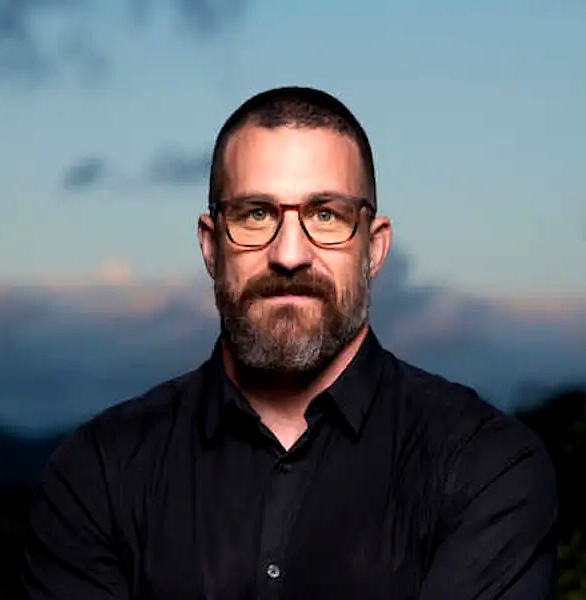
Andrew Huberman's Book Recommendations
Andrew Huberman is a renowned neuroscientist and tenured professor at Stanford University, where he leads the Huberman Lab, focusing on brain function, behavior, and health. He has significantly contributed to the understanding of neural plasticity, particularly how the brain can change in response to experience and injury. Huberman is widely recognized for his engaging public science communication, which includes the popular "Huberman Lab" podcast that translates complex neuroscience topics into accessible insights for broad audiences. His research has been published in leading scientific journals, earning him numerous accolades and fostering a deeper public appreciation for neuroscience. Additionally, his work extends into practical applications, influencing fields such as mental health, vision restoration, and performance optimization.

Marc Andreessen's Book Recommendations
Marc Andreessen is an American entrepreneur, software engineer, and venture capitalist, best known for co-creating the Mosaic web browser, the first widely-used web browser, and co-founding Netscape. Andreessen is also the co-founder of Andreessen Horowitz, one of Silicon Valley’s most prominent venture capital firms, where he invests in groundbreaking technology companies like Facebook, Airbnb, and Coinbase. He is a thought leader on the impact of technology and innovation, often sharing his views on the future of the internet and startups. His contributions to the development of the web and the tech ecosystem have made him one of the most influential figures in technology.

George Hatzis's Book Recommendations
George Hatzis is a lawyer, entrepreneur, and social media content creator known for his humorous and insightful takes on the legal profession. Through his popular Instagram account, Hatzis shares legal memes, advice, and commentary, making complex legal topics accessible and entertaining for a broad audience. He is also the founder of Hatzis Law, a firm that specializes in criminal defense and family law. Hatzis’ ability to merge legal expertise with humor has garnered him a large following, and he continues to be a unique voice in the legal community, advocating for modernizing the industry.

Patrick Collison's Book Recommendations
Patrick Collison is an Irish entrepreneur and co-founder of Stripe, a global technology company that enables businesses to accept online payments. Along with his brother John, Patrick has transformed Stripe into one of the most valuable private tech companies in the world. Stripe’s innovative approach to online payments has made it a key player in the financial technology space. Collison is known for his deep interest in science, technology, and policy, often engaging in conversations about innovation, progress, and how to improve societal outcomes. He is an advocate for scientific advancement and the intersection of technology and public policy.
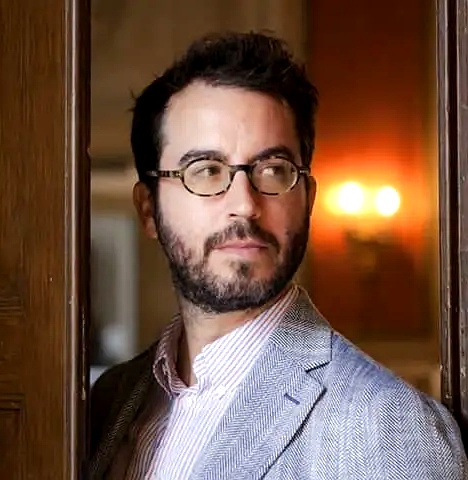
Jonathan Safran Foer's Book Recommendations
Jonathan Safran Foer is an acclaimed American author best known for his novels "Everything Is Illuminated" and "Extremely Loud & Incredibly Close," both of which have been adapted into films. Born in 1977, Foer's debut novel won the National Jewish Book Award and established him as a distinctive voice in contemporary literature. His works often explore themes of identity, trauma, and the human experience, blending humor and poignancy. Beyond fiction, Foer has also made significant contributions to non-fiction with his book "Eating Animals," which delves into the ethics of food consumption. An advocate for environmental and animal rights, Foer's literary and social impact continues to resonate widely.

Barack Obama's Book Recommendations
Barack Obama is the 44th President of the United States, serving from 2009 to 2017. As the first African American president, Obama’s leadership marked a historic moment in American history. His administration focused on healthcare reform, economic recovery from the Great Recession, and environmental policies. He is best known for the Affordable Care Act, as well as his efforts to expand civil rights and restore diplomatic relations with Cuba. Since leaving office, Obama has continued to engage in public life through his foundation, focusing on leadership development, civic engagement, and global issues.
Showing 8 of 14 related collections
“We need to rethink our relationship with the planet and understand that our choices today define the world of tomorrow.”
There Is No Planet B
By Mike Berners-Lee
Frequently Asked Questions
Explore Our Catalogue
Discover a world of knowledge through our extensive collection of book summaries.
Genres
Genres
Genres
Featured Collections
- Top Book Club Picks
- One-Stop Nutrition
- Summer Reads 2024
- Best Beach Reads 2024
- Work-Life Balance Guide
- Time Management
- Healthy Foods
- Entrepreneur Toolkit
- Mind & Body Wellness
- Future Tech Insights
- Leadership Essentials
- Financial Freedom
- Sci-Fi Masterpieces
- Parenting 101
- Books That Became Blockbusters
- Guide to a Healthy Pregnancy