

Start Listening to Book Summary
Book Review of Words with Power
In Words With Power, literary critic and theorist Northrop Frye continues his exploration, begun in The Great Code, of the influence of Biblical themes and forms of expression on Western literature, with discussions of authors ranging from Chaucer and Shakespeare to Yeats and Eliot. Frye identifies four key elements found in the Bible--the mountain, the garden, the cave, and the furnace--and describes how they recur in later secular writings.
Book Overview of Words with Power
About the Book Author
Northrop Frye
Northrop Frye (1912-1991) was a prominent Canadian literary critic, theorist, and educator, renowned for his profound insights into literature and its underlying structures. He is best known for his influential works, including "Anatomy of Criticism" (1957), which outlines a comprehensive framework for literary analysis, and "The Educated Imagination" (1963), where he explores the power of literature in shaping the human experience. Frye's writing style is characterized by its clarity and depth, often blending philosophical inquiry with literary criticism. He is credited for his contributions to the study of myth and archetype in literature, which continue to resonate in contemporary literary studies.
Book Details
Key information about the book.
- Authors
- Northrop Frye
- Published
- January 1992
- Publisher
- Harvest Books
- ISBN
- N/A
- Language
- English
- Pages
- 376
- Genres
- Literary CriticismLiterature
Purchase Options
 Buy on Amazon
 Buy via BookShop
Support local bookstores: BookShop gives a portion of each sale to independent bookshops!
Similar books you might like →
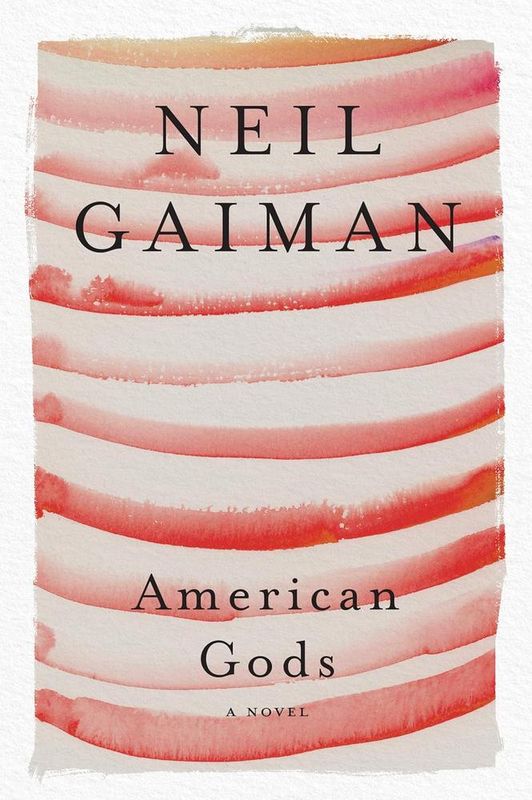
American Gods Book Summary
In "American Gods," Neil Gaiman weaves a mesmerizing tale of Shadow Moon, an ex-convict drawn into a hidden world where ancient gods clash with modern deities created by society's obsessions. As Shadow travels across the country with the enigmatic Mr. Wednesday, he uncovers a rich tapestry of myth and magic interwoven with contemporary America. Every bizarre encounter reveals the past's lingering power and the cost of forgotten beliefs amidst a rapidly changing landscape. With each page, readers are drawn deeper into a battle for the soul of a nation, where the stakes are nothing less than the survival of the old gods. Will Shadow embrace his true identity, or will he be lost to the chaos of a world that no longer remembers them?
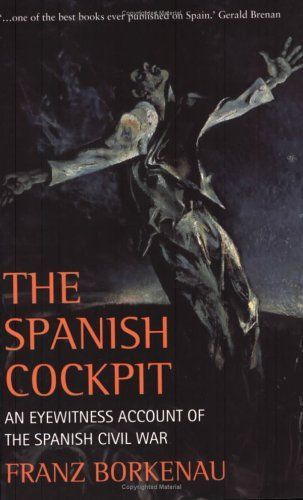
The Spanish Cockpit Book Summary
In 'The Spanish Cockpit,' Franz Borkenau offers a gripping first-hand account of the Spanish Civil War, immersing readers in the chaos and fervor of revolutionary Spain. He explores the ideological battles between communism, fascism, and democracy, painting a vivid portrait of the diverse factions fighting for control. Through encounters with soldiers, politicians, and ordinary citizens, Borkenau reveals the human cost of war and the complexity of allegiance. As Spain teeters on the brink of transformation, the narrative captures the urgency and uncertainty of a nation in crisis. This compelling chronicle challenges readers to ponder the fragility of freedom and the stark realities of political strife.
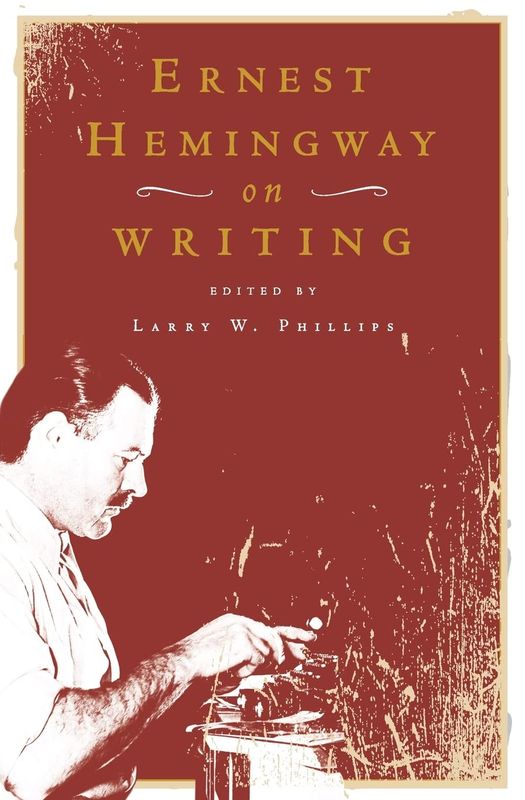
Ernest Hemingway on Writing Book Summary
'Ernest Hemingway on Writing' is a captivating exploration of the legendary author's insights and principles on the craft of writing. Larry W. Phillips delves into Hemingway's timeless advice, revealing the secrets behind his impactful prose and unforgettable characters. The book not only sheds light on Hemingway's techniques but also offers reflections on the broader art of storytelling. As readers journey through Hemingway's wisdom, they uncover the discipline and passion that shaped a literary giant. This essential guide invites both aspiring writers and literature lovers to embrace the essence of writing with clarity and purpose.
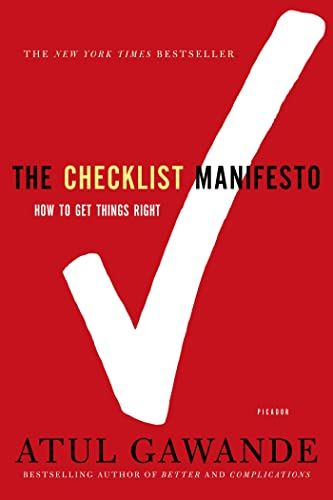
The Checklist Manifesto Book Summary
In 'The Checklist Manifesto,' Atul Gawande reveals the crucial role that checklists play in managing complexity in our lives and professions. Through gripping anecdotes from surgery rooms to aviation, he illustrates how this simple tool can prevent failure in high-stakes situations. Gawande challenges the notion of individual expertise, showing that teams can achieve more with systematic approaches. As he navigates the pitfalls of human error, readers are invited to reconsider how they approach tasks both big and small. This compelling narrative not only advocates for checklists but also ignites a conversation about the power of collaboration in achieving success.
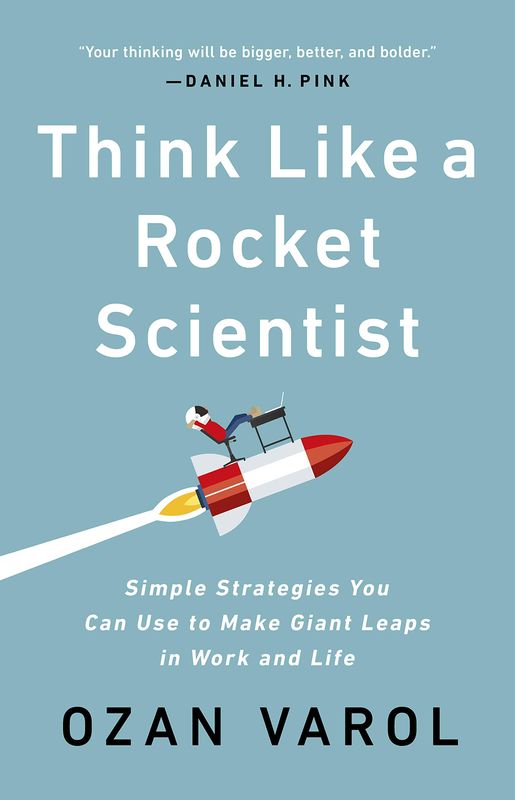
Think Like a Rocket Scientist Book Summary
In 'Think Like a Rocket Scientist,' Ozan Varol unlocks the secrets behind innovative problem-solving techniques drawn from the world of rocket science. He introduces readers to methods that inspire unconventional thinking, helping to overcome obstacles and achieve extraordinary results. Through thrilling anecdotes and practical strategies, Varol invites you to embrace curiosity and fail productively in pursuit of your goals. This book challenges the way you approach challenges, revealing how to cultivate a mindset that fosters creativity and resilience. Prepare to embark on a journey that will not only change your perspective but also equip you with the tools to launch your ideas into orbit!
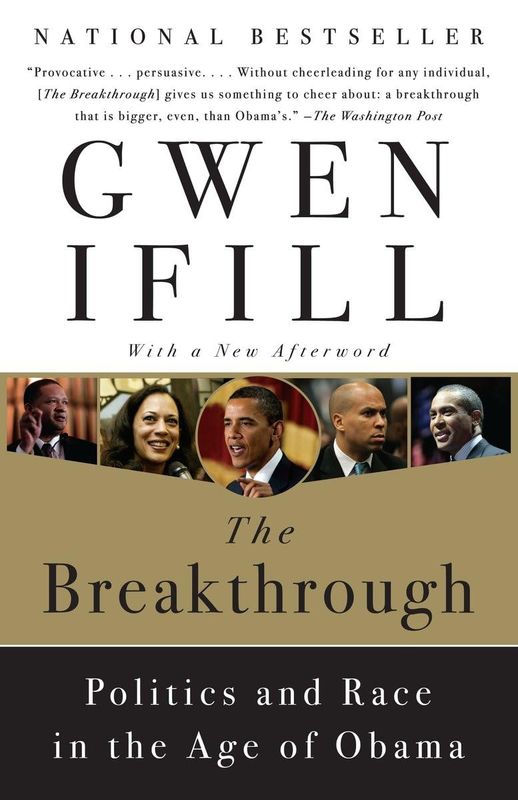
The Breakthrough Book Summary
In 'The Breakthrough', Gwen Ifill chronicles the extraordinary journey of pivotal African American leaders who reshaped politics and society in the United States. Through gripping narratives and personal accounts, she unveils their struggles, triumphs, and the powerful impact they had on future generations. Ifill masterfully illustrates the intersections of race, ambition, and resilience against the backdrop of a country undergoing significant transformation. This compelling exploration raises profound questions about identity, power, and the meaning of success. Can the voices of the past guide us to a more equitable future?

Aeneid Book Summary
The 'Aeneid' is an epic poem that follows the journey of Aeneas, a Trojan hero, as he flees the ashes of his fallen city to seek a new home in Italy. Along the way, he faces divine intervention, fierce battles, and fateful encounters that test his resolve and destiny. Virgil weaves themes of duty, sacrifice, and the founding of Rome into a tapestry of myth and history. As Aeneas grapples with his past and the weight of prophecy, readers are drawn into a world where gods and mortals intertwine. Can Aeneas fulfill his destiny and establish a legacy that will endure through the ages?
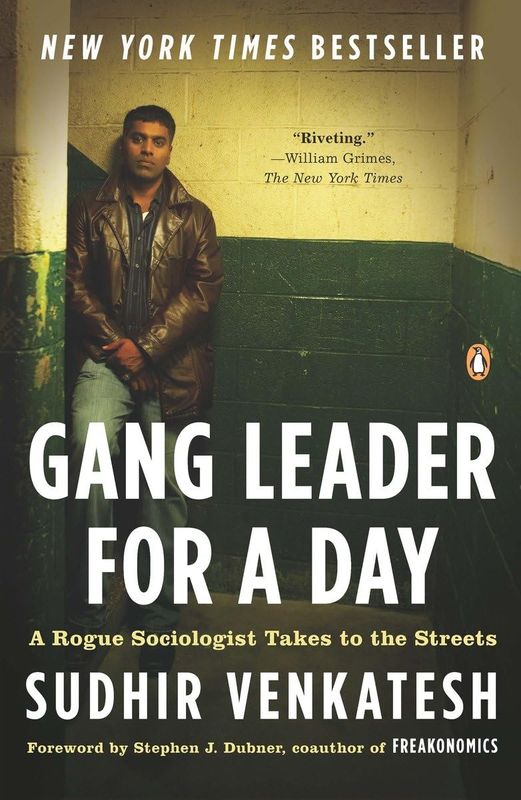
Gang Leader for a Day Book Summary
In 'Gang Leader for a Day,' sociologist Sudhir Venkatesh takes readers on a riveting journey through the streets of Chicago, where he plunges into the world of gang life. Captivated by the complexities of urban poverty, he forms an unlikely partnership with the notorious Black Kings gang leader. Through gripping anecdotes, Venkatesh reveals the intricate social dynamics and struggles that shape the community's reality. As he navigates this underworld, the boundaries between researcher and subject blur, challenging societal norms and perceptions. This eye-opening narrative invites readers to rethink what they know about gang culture and the human spirit.
Showing 8 of 30 similar books
Take your reading experience to the next level
Download our mobile app to enjoy your favorite books on the go. Get access to exclusive features, offline listening, and personalized recommendations.

Similar Book Recommendations →

Niki Scevak's Book Recommendations
Niki Scevak is a distinguished entrepreneur and venture capitalist, widely recognized for his contributions to the startup ecosystem rather than traditional literature. As a co-founder and partner at Blackbird Ventures, he has played a pivotal role in funding and mentoring successful Australian tech startups. Scevak also co-founded Startmate, an influential accelerator program that has shaped numerous early-stage companies. His work has significantly impacted the Australian tech landscape, fostering innovation and entrepreneurial growth. Though not an author of traditional books, his insights and thought leadership are frequently shared through industry publications and speaking engagements.

Fareed Zakaria's Book Recommendations
Fareed Zakaria is an Indian-American journalist, author, and political commentator, best known as the host of CNN’s Fareed Zakaria GPS. Zakaria is a respected voice in global affairs, providing deep analysis on international relations, economics, and U.S. foreign policy. He has authored several best-selling books, including The Post-American World and In Defense of a Liberal Education. Zakaria is known for his thoughtful, nuanced approach to complex global issues, and his work has been recognized with numerous awards. His insights and perspectives on global politics continue to shape public discourse
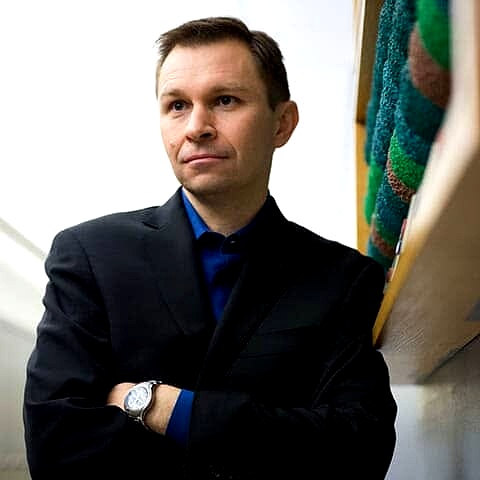
David Sinclair's Book Recommendations
David Sinclair is an Australian biologist and professor at Harvard Medical School, known for his pioneering research in the field of aging and longevity. Sinclair's work focuses on understanding the biological mechanisms that drive aging and developing interventions to slow or reverse the process. His bestselling book Lifespan: Why We Age – and Why We Don’t Have To explores the latest advancements in anti-aging science and offers insights into how humans might extend their healthspan. Sinclair's research has led to breakthroughs in areas such as sirtuins, NAD+ metabolism, and cellular reprogramming. He is also the co-founder of several biotech companies, including Sirtris Pharmaceuticals and Life Biosciences, dedicated to translating aging research into practical treatments. Sinclair is a vocal advocate for taking a proactive approach to aging, promoting lifestyle changes and emerging therapies to delay age-related diseases. His work has made him a leading figure in the longevity movement, influencing both scientific and public discourse on the future of health.

Blake Lively's Book Recommendations
Blake Lively is an accomplished American actress best known for her role as Serena van der Woodsen in the popular television series "Gossip Girl" (2007-2012). While not primarily recognized for contributions to literature, Lively has significantly impacted the entertainment industry with her versatile acting skills in films such as "The Age of Adaline" (2015) and "A Simple Favor" (2018). She has also been an advocate for various social causes, utilizing her platform to raise awareness about child exploitation and the importance of family dynamics. Lively's influence extends beyond acting, as she has ventured into entrepreneurship with her lifestyle brand, Preserve. Her dedication to both her craft and philanthropic efforts has made her a prominent figure in modern pop culture.

Aubrey Plaza's Book Recommendations
Aubrey Plaza is an acclaimed American actress, comedian, and producer known for her deadpan delivery and versatile performances across film and television. Although primarily recognized for her roles in productions like "Parks and Recreation" and "Legion," Plaza has also made significant contributions to literature. She co-authored the best-selling children's book "The Legend of the Christmas Witch" with Dan Murphy, blending her unique storytelling style with festive folklore. The book showcases her ability to captivate young readers and expand her creative talents beyond the screen. Plaza continues to influence both the entertainment and literary worlds with her innovative and multifaceted approach.

Michael Pollan's Book Recommendations
Michael Pollan is a renowned American author and journalist, celebrated for his insightful explorations of food, agriculture, and human culture. His groundbreaking book, "The Omnivore's Dilemma," published in 2006, critically examines the complexities of the modern food industry and has become a seminal work in food studies. Pollan's engaging narrative style and thorough research have earned him a place on The New York Times Best Seller list multiple times. In addition to his literary contributions, he is also a professor of journalism at the University of California, Berkeley. Pollan's work continues to influence public discourse on sustainable eating and the ethical implications of food choices.

Andrew Lokenauth's Book Recommendations
Andrew Lokenauth is a distinguished author and financial expert known for his insightful contributions to personal finance and investment literature. With a career spanning over a decade, he has written extensively on topics such as wealth management, financial planning, and market analysis. Lokenauth's works are celebrated for their clarity and practical advice, making complex financial concepts accessible to a broad audience. He has been featured in numerous financial publications and has established himself as a trusted voice in the industry. Beyond his writing, Lokenauth is also a sought-after speaker, sharing his expertise at various seminars and workshops.
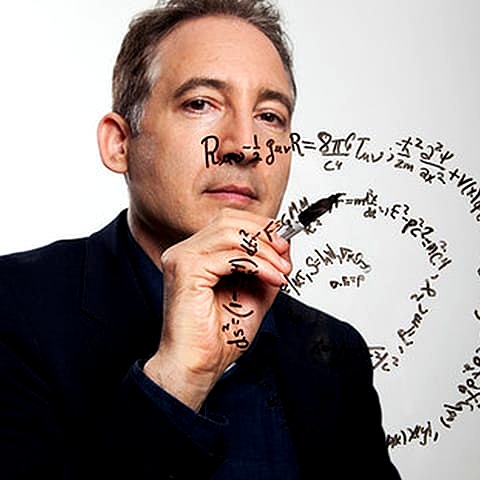
Brian Greene's Book Recommendations
Brian Greene is an American theoretical physicist and author, best known for his work on string theory and popularizing science through his books and media appearances. Greene’s books, including The Elegant Universe and The Fabric of the Cosmos, have helped bring complex concepts in physics to a general audience. He is also the co-founder of the World Science Festival, which promotes public engagement with scientific topics. Greene’s research and ability to communicate scientific ideas have made him one of the most influential figures in theoretical physics. His work continues to inspire curiosity about the universe and our understanding of it.
Showing 8 of 14 related collections
Frequently Asked Questions
Explore Our Catalogue
Discover a world of knowledge through our extensive collection of book summaries.
Genres
Genres
Genres
Featured Collections
- Top Book Club Picks
- One-Stop Nutrition
- Summer Reads 2024
- Best Beach Reads 2024
- Work-Life Balance Guide
- Time Management
- Healthy Foods
- Entrepreneur Toolkit
- Mind & Body Wellness
- Future Tech Insights
- Leadership Essentials
- Financial Freedom
- Sci-Fi Masterpieces
- Parenting 101
- Books That Became Blockbusters
- Guide to a Healthy Pregnancy