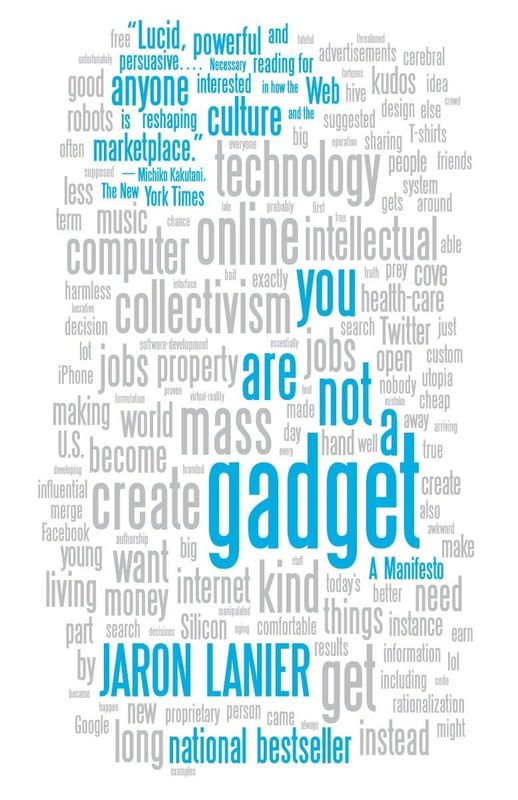

In 'You are Not a Gadget', Jaron Lanier challenges the dehumanizing aspects of modern technology and the internet, urging readers to reclaim their individuality in a digital world. He critiques the dangerous trends of reducing human experiences to mere data, emphasizing the importance of creativity and personal connections. Through thought-provoking insights, Lanier advocates for a future where technology enhances our humanity rather than diminishes it. With a blend of philosophy, technology, and personal anecdotes, he invites us to rethink our relationship with machines. This book is a clarion call for preserving individuality in an age of automation—are you ready to embrace your uniqueness?
By Jaron Lanier
Published: 2010
"We cannot allow the digital tools we create to define our humanity; instead, we must harness them to enhance our individuality and creativity."
Lanier, a Silicon Valley visionary, offers this provocative and cautionary look at the way technology is transforming lives for better and for worse.
Showing 8 of 30 similar books
Abi Tyas Tunggal is a distinguished author known for his impactful contributions to contemporary literature and digital content. He has garnered acclaim for his insightful storytelling and adept handling of complex themes, resonating with a diverse readership. Tunggal's work often explores the intersections of technology, society, and human experience, making him a prominent voice in modern narrative arts. Beyond his literary achievements, he is also recognized for his innovative use of digital platforms to engage with and expand his audience. Tunggal continues to influence the literary landscape with his thought-provoking and accessible writing.
Andrew Huberman is a renowned neuroscientist and tenured professor at Stanford University, where he leads the Huberman Lab, focusing on brain function, behavior, and health. He has significantly contributed to the understanding of neural plasticity, particularly how the brain can change in response to experience and injury. Huberman is widely recognized for his engaging public science communication, which includes the popular "Huberman Lab" podcast that translates complex neuroscience topics into accessible insights for broad audiences. His research has been published in leading scientific journals, earning him numerous accolades and fostering a deeper public appreciation for neuroscience. Additionally, his work extends into practical applications, influencing fields such as mental health, vision restoration, and performance optimization.
Barack Obama is the 44th President of the United States, serving from 2009 to 2017. As the first African American president, Obama’s leadership marked a historic moment in American history. His administration focused on healthcare reform, economic recovery from the Great Recession, and environmental policies. He is best known for the Affordable Care Act, as well as his efforts to expand civil rights and restore diplomatic relations with Cuba. Since leaving office, Obama has continued to engage in public life through his foundation, focusing on leadership development, civic engagement, and global issues.
Andrew Chen is a venture capitalist, entrepreneur, and thought leader in growth marketing, currently serving as a general partner at Andreessen Horowitz. Chen is known for his expertise in network effects, viral growth strategies, and marketplace dynamics, making him a sought-after advisor for startups looking to scale. Prior to joining Andreessen Horowitz, he worked in leadership roles at Uber, helping to grow the ride-sharing platform’s user base and develop key growth strategies. Chen is also a prolific writer, sharing his insights on growth, technology, and startups through his popular blog and newsletter, which has attracted a loyal following in the tech community. His work has helped shape how many startups approach user acquisition, retention, and product-market fit. As a venture capitalist, Chen focuses on early-stage companies in the consumer internet, SaaS, and marketplace sectors, and he has been involved in funding and advising several successful startups. His insights on technology and growth continue to influence both founders and investors alike.
Nat Eliason is an influential writer, entrepreneur, and educator known for his insightful work on personal growth, productivity, and digital marketing. He founded Growth Machine, a successful SEO and content marketing agency that has helped numerous companies expand their online presence. Eliason's thought-provoking articles on his blog cover a wide range of topics, from philosophy to health, attracting a large and engaged audience. Additionally, he authored "Effortless Output with Roam," a comprehensive guide on using the Roam Research tool for knowledge management. Through his diverse contributions, Eliason has established himself as a significant voice in the realms of self-improvement and digital strategy.
Andrew Wilkinson is a distinguished author and entrepreneur, best known for his insightful business writings and contributions to the tech industry. He co-founded MetaLab, a prominent design agency that has shaped the user experience of major platforms like Slack and Coinbase. Wilkinson's entrepreneurial journey and his publications provide valuable perspectives on startup culture, innovation, and leadership. His writing, often featured in leading business magazines and his personal blog, has garnered a wide readership for its practical advice and engaging storytelling. Andrew continues to influence both literature and the business world with his unique blend of creativity and strategic thinking.
Cal Newport is a prominent computer science professor at Georgetown University and a bestselling author known for his influential work on productivity and deep work. His groundbreaking book, "Deep Work: Rules for Focused Success in a Distracted World," has garnered widespread acclaim for its insights into maximizing cognitive performance in a distraction-filled age. Newport's other notable works include "So Good They Can't Ignore You," which challenges conventional career advice, and "Digital Minimalism," which advocates for a more intentional approach to technology use. Through his books and popular blog, Newport has become a leading voice in the discussion of work habits and digital wellness. His research and writings continue to inspire individuals and organizations to rethink their approach to work and technology.
Albert Wenger is a prominent venture capitalist and author, best known for his insightful contributions to the intersection of technology and society. As a managing partner at Union Square Ventures, he has invested in and mentored numerous groundbreaking startups, significantly shaping the digital landscape. Wenger is the author of "World After Capital," a thought-provoking book that explores the implications of a post-capitalist society driven by abundant knowledge and digital innovation. His work has sparked important discussions about the future of work, education, and governance in an increasingly automated world. Beyond his writing, Wenger is a sought-after speaker and influential thought leader in the tech community.
Showing 8 of 11 related collections
“We cannot allow the digital tools we create to define our humanity; instead, we must harness them to enhance our individuality and creativity.”
You are Not a Gadget
By Jaron Lanier
Discover a world of knowledge through our extensive collection of book summaries.
Jaron Lanier is a prominent American computer scientist, musician, and author known for his pioneering work in virtual reality and his critical insights into technology's impact on society. He is the author of several influential books, including 'You Are Not a Gadget', 'Who Owns the Future?', and 'Ten Arguments for Deleting Your Social Media Accounts Right Now'. Lanier's writing style combines academic rigor with accessible language, often incorporating personal anecdotes and philosophical reflections. His work challenges readers to consider the ethical implications of technology, emphasizing human values and creativity in an increasingly digital world.
Key information about the book.
 Buy on Amazon
 Buy via BookShop
Support local bookstores: BookShop gives a portion of each sale to independent bookshops!
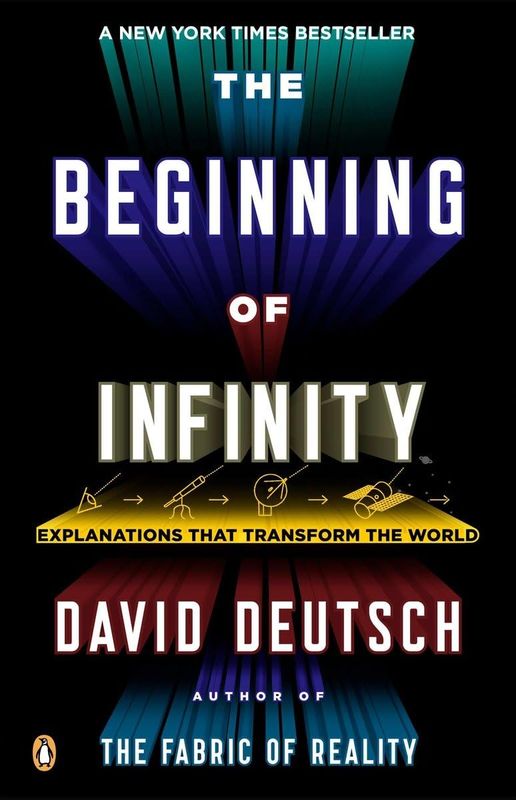
In 'The Beginning of Infinity', David Deutsch challenges our understanding of knowledge and the universe, proposing that all problems are solvable with the right approach. He delves into the philosophy of science, technology, and human progress, suggesting that the pursuit of knowledge is a never-ending journey. Deutsch argues that explanations, rather than mere observations, are the key to comprehending reality. With provocative insights, he explores the implications of infinite possibilities and the potential of human creativity. This thought-provoking read ignites curiosity about the boundless nature of discovery and the future of humanity.
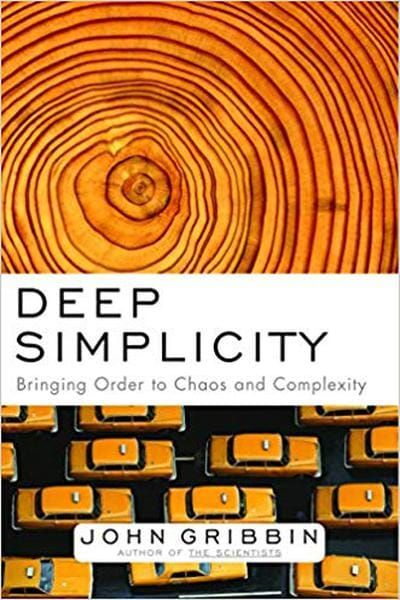
In 'Deep Simplicity', John Gribbin explores the profound connections between complexity and simplicity in the universe. Through captivating examples from physics and biology, he unveils how intricate systems can arise from simple rules. Gribbin challenges readers to rethink their understanding of chaos, order, and the patterns that govern existence. With an engaging narrative, he weaves together science and philosophy, inviting us to ponder the deeper meanings behind our complex world. Prepare to be intrigued by the seemingly paradoxical nature of life—where simplicity leads to complexity, and complexity reveals stunning simplicity.

In 'Out of Control,' Kevin Kelly explores the complexities and unpredictability of modern technology and its impact on society. He introduces the idea of 'self-organization,' revealing how systems—natural and artificial—can evolve beyond our control. This thought-provoking narrative challenges our understanding of technology's role, suggesting that chaos can lead to new forms of order. As we navigate an increasingly automated future, Kelly prompts us to reconsider our relationship with the machines we create. Are we the architects of a brave new world, or are we ceding power to forces we can’t fully comprehend?
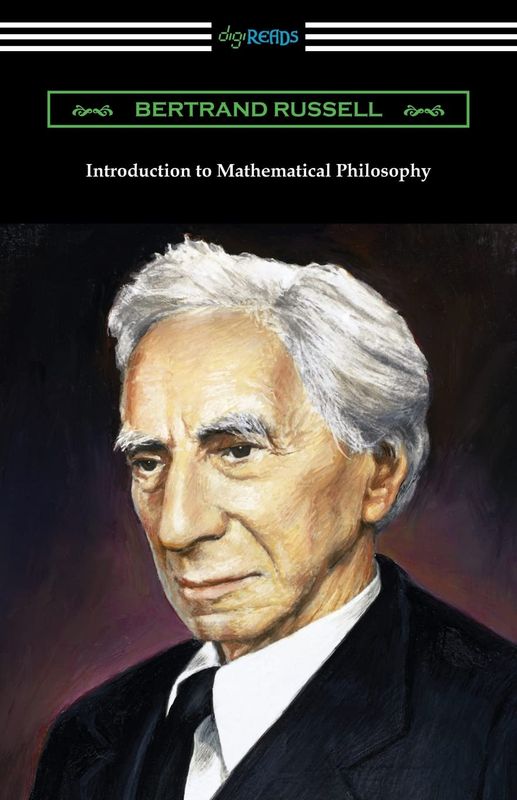
In 'Introduction to Mathematical Philosophy,' Bertrand Russell takes readers on a fascinating journey through the foundations of mathematics and its philosophical implications. He explores concepts such as numbers, infinity, and the nature of mathematical truth, challenging conventional thinking. With his unique blend of clarity and insight, Russell demystifies complex ideas, revealing the profound connections between logic and mathematics. This thought-provoking work not only invites readers to rethink their understanding of numbers but also questions the very essence of reality itself. A must-read for anyone intrigued by the interplay of philosophy and mathematics, this book promises to expand your horizons.
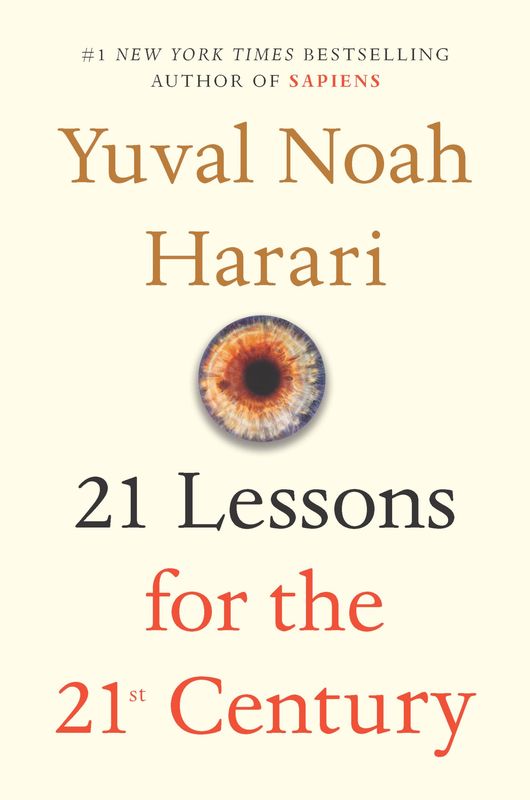
In '21 Lessons for the 21st Century', Yuval Noah Harari navigates the complex landscape of today's world, tackling urgent questions about our future. From the impact of technology on society to the challenges of political stability, each lesson provokes thought and introspection. Harari explores key themes such as the rise of artificial intelligence, the significance of data, and the importance of meaning in an increasingly uncertain world. With a blend of history, philosophy, and science, the book invites readers to reflect on their roles in shaping a shared future. Will we adapt, or become obsolete? Dive in to uncover the lessons that could redefine humanity's path.

In 'The Philosophy of Composition,' Edgar Allan Poe unveils his meticulous approach to writing, arguing that artistic creation is a calculated endeavor rather than purely intuitive. He dissects his own poem 'The Raven,' revealing the deep psychological and structural elements that contribute to its haunting allure. Poe explores the interplay of beauty, emotion, and effect, offering a profound glimpse into the mind of a master writer. With each analytical step, he ignites curiosity about the art of storytelling and the techniques that captivate readers. This exploration leaves one pondering: What secrets lie behind the craft of their favorite writers?
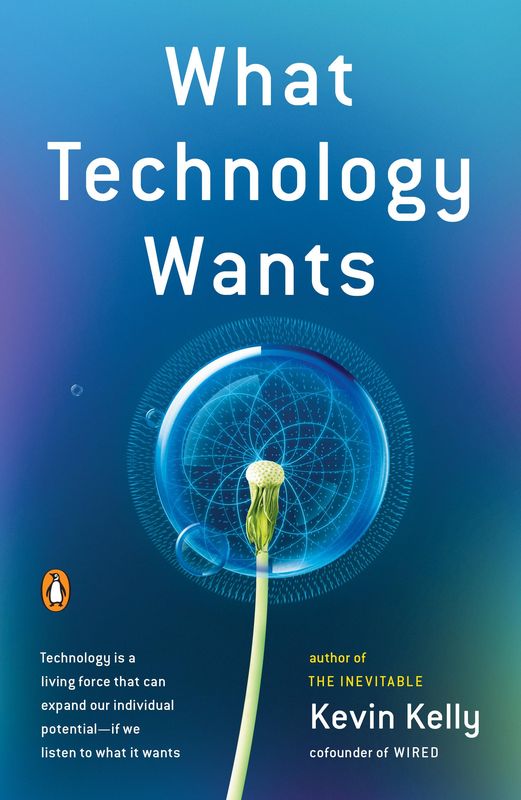
In "What Technology Wants," Kevin Kelly delves into the deep interplay between humanity and technology, suggesting that technology is an extension of life itself. He argues that just like biological evolution, technology has its own agenda and desires, shaping our future in profound ways. Through a blend of philosophical insights and real-world examples, Kelly reveals how technological advancements reflect our aspirations and fears. As he explores the notion of 'the technium'—a vast, interconnected web of technology—readers are invited to reconsider their relationship with the tools they create. This thought-provoking journey challenges us to embrace technology as a living entity that influences and drives our evolution.
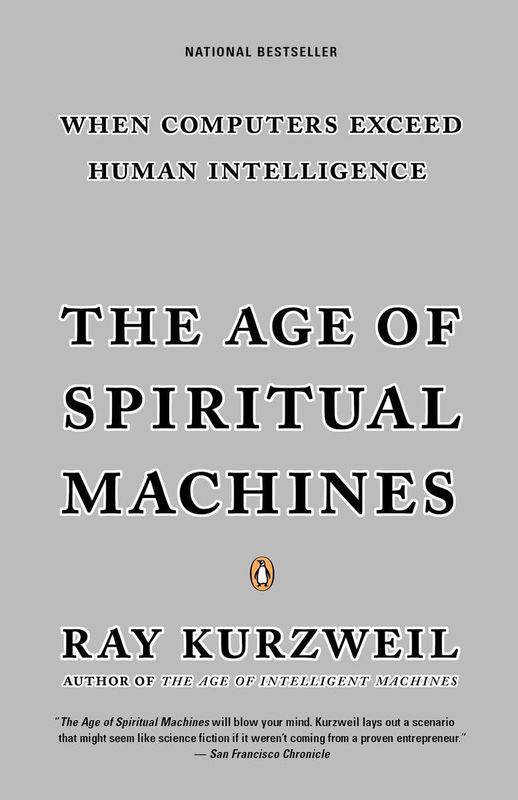
In 'The Age of Spiritual Machines', Ray Kurzweil delves into the intersection of technology and spirituality, exploring a future where machines surpass human intelligence. He presents a compelling vision of a world where artificial intelligence enhances human capabilities, unlocking new dimensions of consciousness. Kurzweil's arguments challenge conventional notions of identity and existence as humanity integrates more intimately with technology. Will we transcend the limitations of our biology, or will we lose our humanity in the process? This thought-provoking journey invites readers to ponder the profound implications of a technologically transformed existence.








Download our mobile app to enjoy your favorite books on the go. Get access to exclusive features, offline listening, and personalized recommendations.