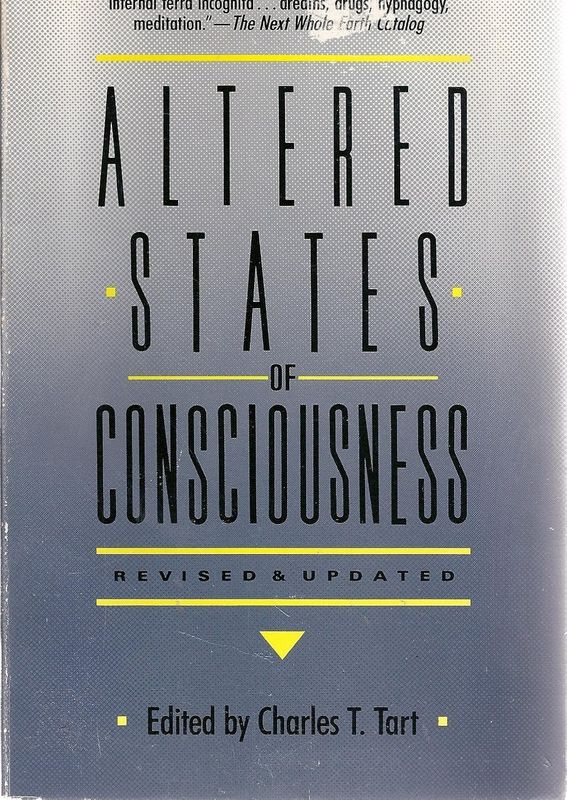
Altered States of Consciousness Book Summary
By Charles T. Tart
Published: 1969

Start Listening to Book Summary
Book Review of Altered States of Consciousness
Whenever I speak on the topic of dreams, I mention a very unusual of dream the lucid dream in which the dreamer knows he is dreaming and feels fully conscious difficulties in defining states of consciousness, I always ask weather anyone has the slightest doubt that he is awake that is in a normal state of consciouness at the moment; I have never found anyone who had difficulty in making this destinction.
Book Overview of Altered States of Consciousness
About the Book Author
Charles T. Tart
Charles T. Tart is a pioneering psychologist and author, renowned for his work in the fields of consciousness, transpersonal psychology, and the nature of reality. He is best known for his influential books including "Altered States of Consciousness," "The End of Materialism," and "Mind Science: Meditation and Single-Networks," which explore the relationship between the mind and consciousness through both scientific inquiry and direct experience. Tart's writing style is characterized by its combination of rigorous scientific analysis and deep philosophical reflection, making complex concepts accessible to a broad audience. He has contributed significantly to the understanding of altered states and their implications for personal growth and spirituality.
Book Details
Key information about the book.
- Authors
- Charles T. Tart
- Published
- January 1969
- Publisher
- John Wiley & Sons
- ISBN
- N/A
- Language
- English
- Pages
- 600
- Genres
- Cognitive PsychologyBehavioral PsychologyNew AgeEastern ReligionsPsychologySpiritual GrowthSpirituality and Religion
Purchase Options
 Buy on Amazon
 Buy via BookShop
Support local bookstores: BookShop gives a portion of each sale to independent bookshops!
Similar books you might like →
Nudge Book Summary
In "Nudge," behavioral economists Richard Thaler and Cass Sunstein unveil the subtle art of influencing choices and shaping outcomes without restricting freedom. They explore how small, seemingly insignificant changes in the way options are presented can lead to drastically improved decisions in health, finance, and overall happiness. With compelling real-world examples and engaging insights, the authors demonstrate how understanding human psychology can empower individuals and policymakers alike. Dive into a world where choice architecture transforms lives and reshapes society's approach to welfare. Discover the hidden nudges that could change everything about the way we choose!
An Essay on Typography Book Summary
In 'An Essay on Typography,' Eric Gill explores the art and craft of type design, revealing how typography shapes our perception of written language. Through a blend of philosophical musings and practical insights, Gill argues that type is not just a tool for communication, but an integral aspect of visual culture. He challenges conventional approaches and invites readers to appreciate the aesthetic and ethical implications of typographic choices. This thought-provoking essay raises questions about the role of the designer in society and the impact of typography on our daily lives. Dive into Gill's world to uncover the beauty and power of letters that often goes unnoticed.
Why Buddhism is True Book Summary
In 'Why Buddhism is True', Robert Wright explores the intersections of modern psychology and ancient Buddhist philosophy, revealing how mindfulness can enhance our understanding of reality. He delves into the science of the mind, explaining why our thoughts often deceive us and how Buddhism offers a remedy. Through engaging anecdotes and thought-provoking insights, Wright demonstrates that the principles of Buddhism can lead to a more fulfilling life. He challenges readers to rethink their beliefs and consider the benefits of a Buddhist approach to pain and suffering. Will you discover the truth that can liberate your mind?
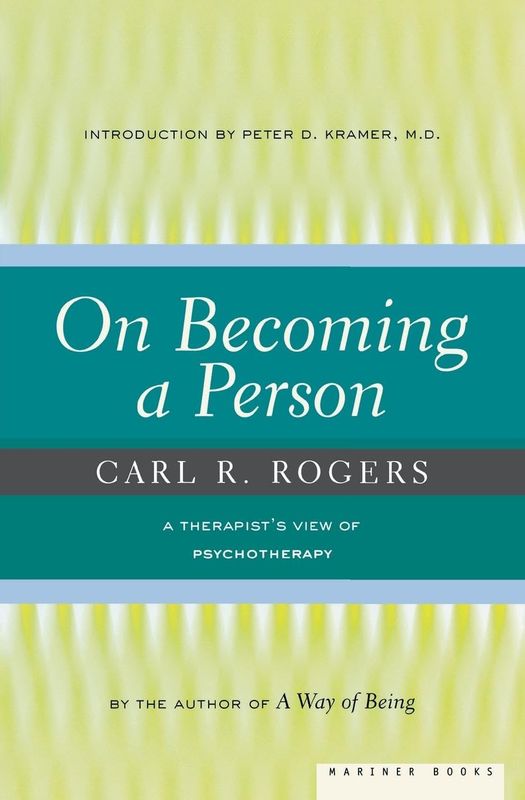
On Becoming a Person Book Summary
In 'On Becoming a Person,' Carl Ransom Rogers reveals the transformative power of a person-centered approach to therapy and personal growth. He emphasizes the importance of empathy, authenticity, and unconditional positive regard in fostering genuine relationships. Rogers chronicles his journey as a psychotherapist, intertwining theory with practical insights, and challenges traditional notions of authority in healing. This groundbreaking work invites readers to explore their own paths to self-discovery and acceptance. Discover how embracing vulnerability can lead to profound change and a deeper understanding of what it means to be truly human.
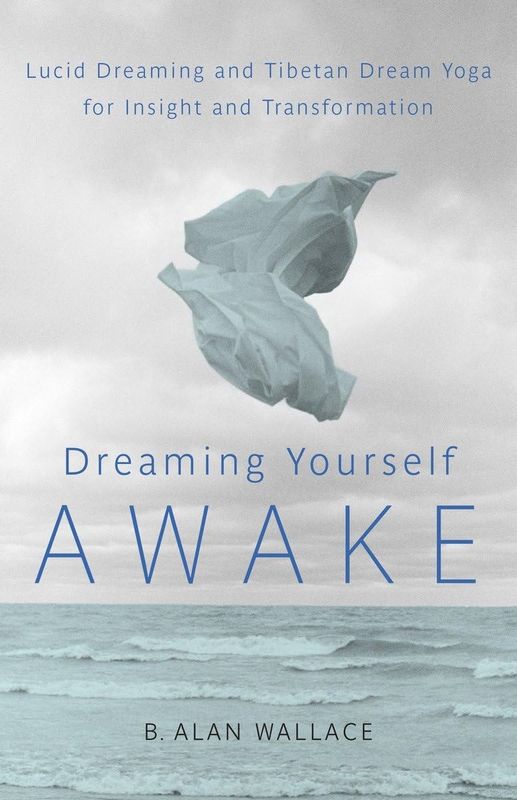
Dreaming Yourself Awake Book Summary
In 'Dreaming Yourself Awake,' B. Alan Wallace and Brian Hodel guide readers on an enlightening journey through the realms of dreaming and consciousness. They explore the transformative power of lucid dreaming and its profound implications for self-awareness and spiritual growth. With a blend of scientific insights and practical techniques, the authors challenge conventional perceptions of reality. You'll uncover the secrets of harnessing your dreams to awaken a deeper sense of purpose and connection. This thought-provoking exploration compels you to ask: what if your dreams hold the key to understanding your true self?
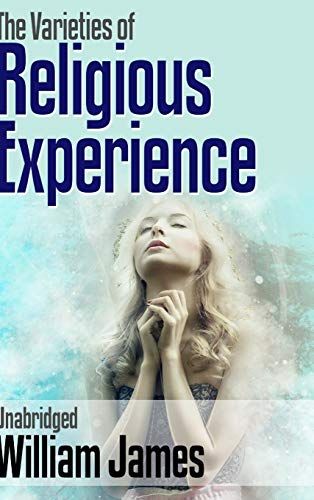
The Varieties of Religious Experience (Unabridged) Book Summary
In 'The Varieties of Religious Experience,' William James embarks on a fascinating exploration of faith, spirituality, and the myriad ways humans experience the divine. Drawing from his groundbreaking lectures, he delves into personal testimonies and psychological insights, revealing the profound impact of religious beliefs on individual lives. James challenges conventional notions of religion, presenting it as a rich tapestry of emotional and cognitive experiences rather than rigid dogmas. This unabridged edition invites readers to ponder the essence of belief and its role in understanding the human condition. A must-read for anyone intrigued by the intersection of psychology, religion, and personal transformation.
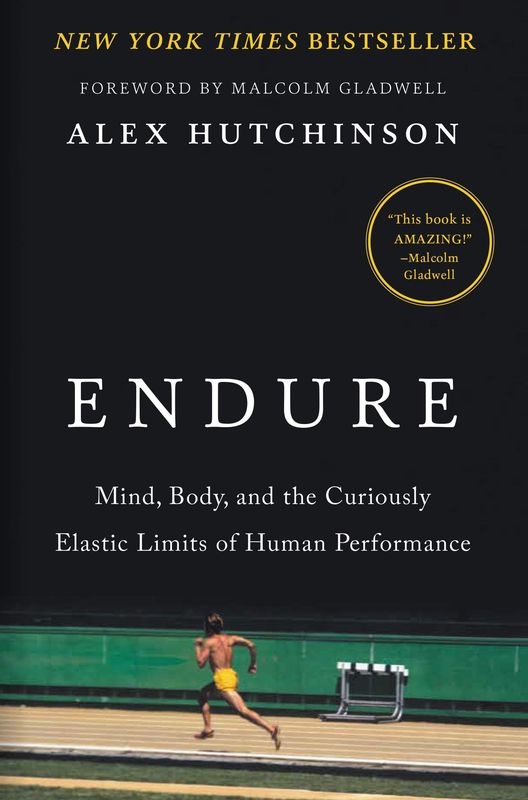
Endure Book Summary
In 'Endure', Alex Hutchinson explores the limits of human endurance, combining cutting-edge science with gripping personal stories. From athletes pushing their physical boundaries to the mental fortitude required for extreme challenges, the book uncovers what truly drives us to persist against all odds. Hutchinson delves into fascinating research that reveals how our brain's perception of pain can influence performance. With insights from psychology, physiology, and sports, this riveting narrative invites readers to rethink their own limitations. Are we capable of far more than we ever imagined? The answer awaits within.
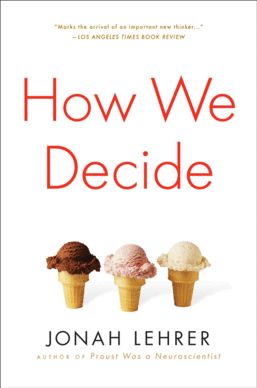
How We Decide Book Summary
In 'How We Decide,' Jonah Lehrer explores the intricate science behind our decision-making processes, blending psychology, neuroscience, and real-life examples. He reveals the surprising interplay between emotion and reason, challenging the traditional belief that logical thinking is paramount. Through engaging anecdotes, Lehrer uncovers how our subconscious influences choices in ways we often overlook. The book invites readers to reconsider the dynamics of their own decisions and the factors that shape them. Ultimately, it poses a tantalizing question: are we truly in control of our choices?
Showing 8 of 29 similar books
Take your reading experience to the next level
Download our mobile app to enjoy your favorite books on the go. Get access to exclusive features, offline listening, and personalized recommendations.

Similar Book Recommendations →
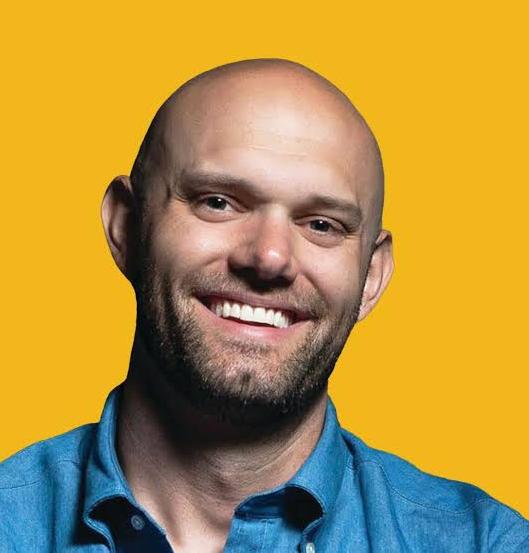
James Clear's Book Recommendations
James Clear is the author of the bestselling book Atomic Habits, which focuses on the power of small habits and incremental improvements to achieve significant personal and professional growth. Clear’s writing blends insights from psychology, neuroscience, and productivity to provide practical strategies for building better habits. His work has helped millions of people create positive changes in their lives by focusing on the process rather than the outcome. James’s clear, actionable advice has made him a sought-after speaker and thought leader in the field of personal development.
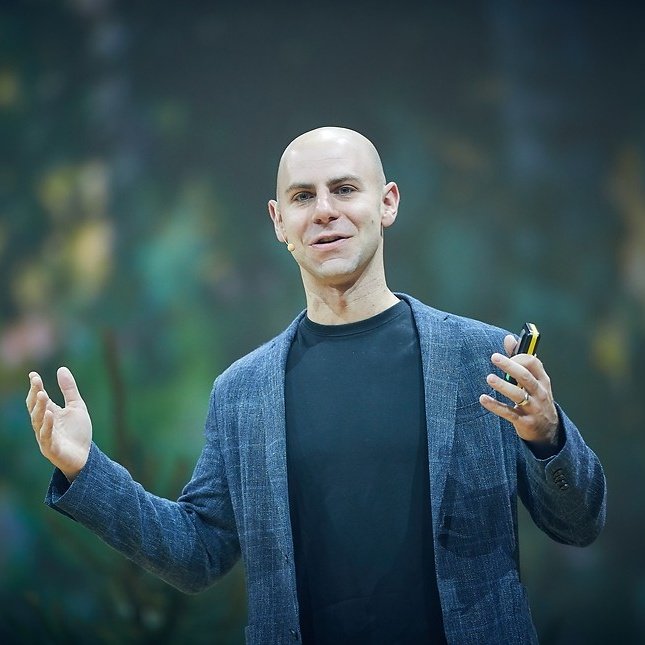
Adam Grant's Book Recommendations
Adam Grant is a renowned organizational psychologist and bestselling author, celebrated for his influential work on motivation and workplace dynamics. He is a professor at the Wharton School of the University of Pennsylvania, where he has been the youngest tenured professor and earned numerous teaching awards. Grant's books, including "Give and Take," "Originals," and "Think Again," have been translated into multiple languages and have topped bestseller lists worldwide. His research and insights are frequently featured in major media outlets, and he hosts the popular podcast "WorkLife." Through his writing and speaking, Grant has profoundly impacted the fields of psychology, business, and education.

Barack Obama's Book Recommendations
Barack Obama is the 44th President of the United States, serving from 2009 to 2017. As the first African American president, Obama’s leadership marked a historic moment in American history. His administration focused on healthcare reform, economic recovery from the Great Recession, and environmental policies. He is best known for the Affordable Care Act, as well as his efforts to expand civil rights and restore diplomatic relations with Cuba. Since leaving office, Obama has continued to engage in public life through his foundation, focusing on leadership development, civic engagement, and global issues.

Hamilton Morris's Book Recommendations
Hamilton Morris is an American journalist, documentarian, and chemist renowned for his extensive work on psychoactive substances. He is best known for his series "Hamilton's Pharmacopeia," which explores the history, chemistry, and cultural impact of various psychoactive drugs. Morris has contributed significantly to the literature on ethnopharmacology, providing in-depth research and firsthand accounts that have enriched public understanding of these substances. His writings and documentaries have been featured in prominent publications such as Vice, Harper's Magazine, and National Geographic. An advocate for scientific rigor and cultural sensitivity, Hamilton Morris continues to influence both the scientific community and popular discourse on psychoactive substances.

Frank Chimero's Book Recommendations
Frank Chimero is a renowned designer, illustrator, and author best known for his influential book "The Shape of Design," which explores the philosophy and practice of design. His work emphasizes the intersection of creativity and human experience, earning him a respected place in both the design and literary communities. Chimero has contributed essays and lectures that have inspired a new generation of thinkers in the creative industries. He has also been recognized for his ability to distill complex ideas into accessible, thought-provoking content. Beyond his writing, Chimero's design projects and illustrations have been featured in numerous prestigious publications and exhibitions.

Bryan Johnson's Book Recommendations
Bryan Johnson is an American entrepreneur, investor, and futurist, best known for founding Braintree, a payments company that was acquired by PayPal, and Kernel, a company focused on developing brain-computer interfaces. Johnson is deeply interested in advancing human cognition and longevity through technological innovation. His work at Kernel seeks to better understand the brain and its potential to enhance human intelligence. He is also the founder of OS Fund, which invests in companies tackling complex, world-changing problems in areas like health and energy. Johnson is a strong advocate for using technology to extend human potential and reshape the future of humanity.

Brendon Burchard's Book Recommendations
Brendon Burchard is a high-performance coach, motivational speaker, and bestselling author, best known for his books High Performance Habits and The Motivation Manifesto. He helps individuals and organizations achieve peak performance through strategies focused on clarity, energy, and productivity. Brendon’s work emphasizes the importance of personal growth and developing habits that lead to sustained success. He has coached Fortune 500 CEOs, Olympians, and other high-achieving individuals. Brendon is also the founder of the High Performance Academy, where he trains people to lead more impactful and successful lives.

Arianna Huffington's Book Recommendations
Arianna Huffington is the founder of The Huffington Post and Thrive Global, a company focused on wellness and productivity. She is a bestselling author and prominent speaker on the importance of sleep and managing stress. Arianna’s work emphasizes the importance of balance between professional success and personal well-being. Her book The Sleep Revolution has inspired a global movement to prioritize rest. She is considered one of the most influential women in media and business.
Showing 8 of 27 related collections
Frequently Asked Questions
Explore Our Catalogue
Discover a world of knowledge through our extensive collection of book summaries.
Genres
Genres
Genres
Featured Collections
- Top Book Club Picks
- One-Stop Nutrition
- Summer Reads 2024
- Best Beach Reads 2024
- Work-Life Balance Guide
- Time Management
- Healthy Foods
- Entrepreneur Toolkit
- Mind & Body Wellness
- Future Tech Insights
- Leadership Essentials
- Financial Freedom
- Sci-Fi Masterpieces
- Parenting 101
- Books That Became Blockbusters
- Guide to a Healthy Pregnancy